The acclaimed Hair and Make-up Designer on trusting her instincts and remaining a student of her craft
By: The Lace Ledger Staff

Louise Bruun
Photo Credit: Louise Bruun
Louise Bruun was 19 when Nicolas Winding Refn asked her to work on his first feature, Pusher. She had never done it before, but agreed anyway, kicking off her creative career. One of the actors in her chair was another newcomer: Mads Mikkelsen.
Decades later, Bruun is still saying yes to the creative unknown. Only now, she brings a formidable career’s worth of experience with her.
Her work has moved between the immediacy of fashion and the permanence of film, teaching her to trust an instinct while continually sharpening it. On a major production, she keeps herself close to the lens, where creative decisions can evolve alongside the scene in “reel” time. When a project changes course, she changes with it. After decades spent creating extraordinary aesthetics, she still considers herself a student of her craft.
That willingness to adapt is central to Bruun’s process. She arrives with an informed point of view but remains open to what other artists bring to it, allowing the project to take shape through collaboration.
Her latest film with Refn, Her Private Hell, offers a spectacular canvas for that philosophy. The film draws Bruun back into the horror that first captivated her as a teenager, now with a wealth of experience across fashion and film to draw from.
We spoke with Bruun about trusting her creative instincts and the creative possibilities that emerge when artists inspire one another.
1. Before we dive into the incredible work you're doing now, let's go back to the very beginning. Before there were film sets, fashion shoots, and famous faces in your chair, what did creativity look like for you as a child? Where were those earliest signs of the artist you would eventually become?
Growing up as a young teenager in Copenhagen during the late 1980s, my fascination with horror films started early. It was kind of in the era. Masterpieces of 1970s satanic cinema like Rosemary’s Baby, The Exorcist, and Don’t Look Now, made a tremendous impact on me. I started collecting films already back then, on VHS with a little book where I wrote down the titles.
In high school, I had a boyfriend who introduced me to metal music. It was powerful, dark and heavy… I loved it.
I was endlessly drawing close ups of eyes. Then tattoos. I sketched variations of skulls and shading. Then back to eyes. My grandfather was an artist and my mother, a photographer. She developed prints in the bedroom. I vividly remember the smell of fixer.
Someone in school told me that a makeup artist school was opening in the other side of the country. I went straight after high school and began studying the work of legendary special effects makeup artists like Tom Savini and Dick Smith. To be honest, I had no idea what else to do with my life at that point.
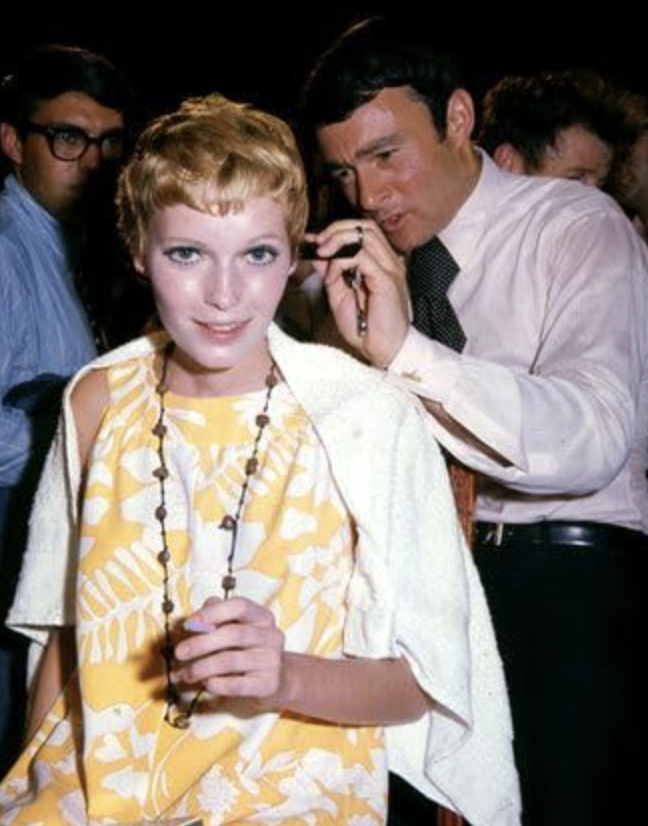
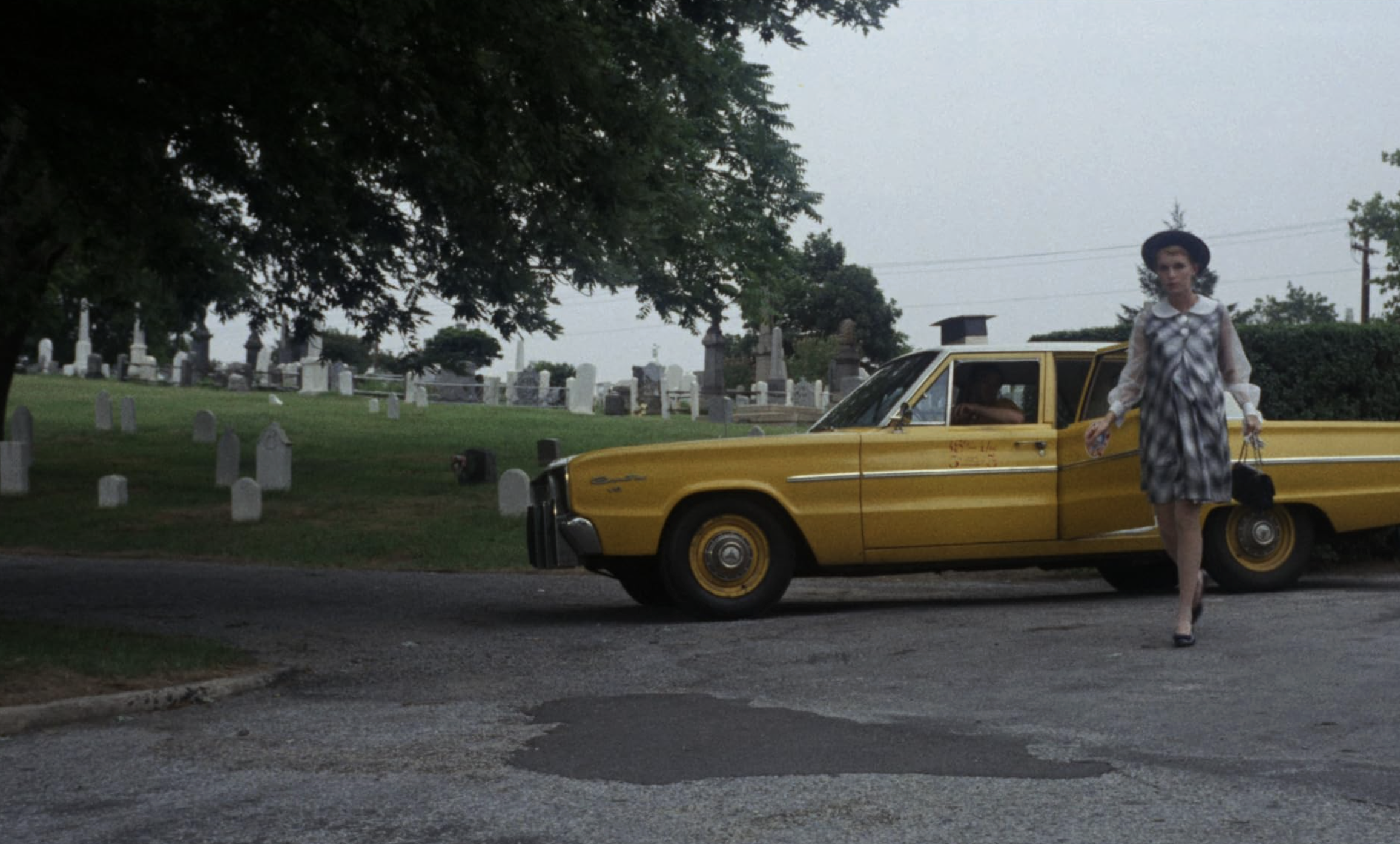
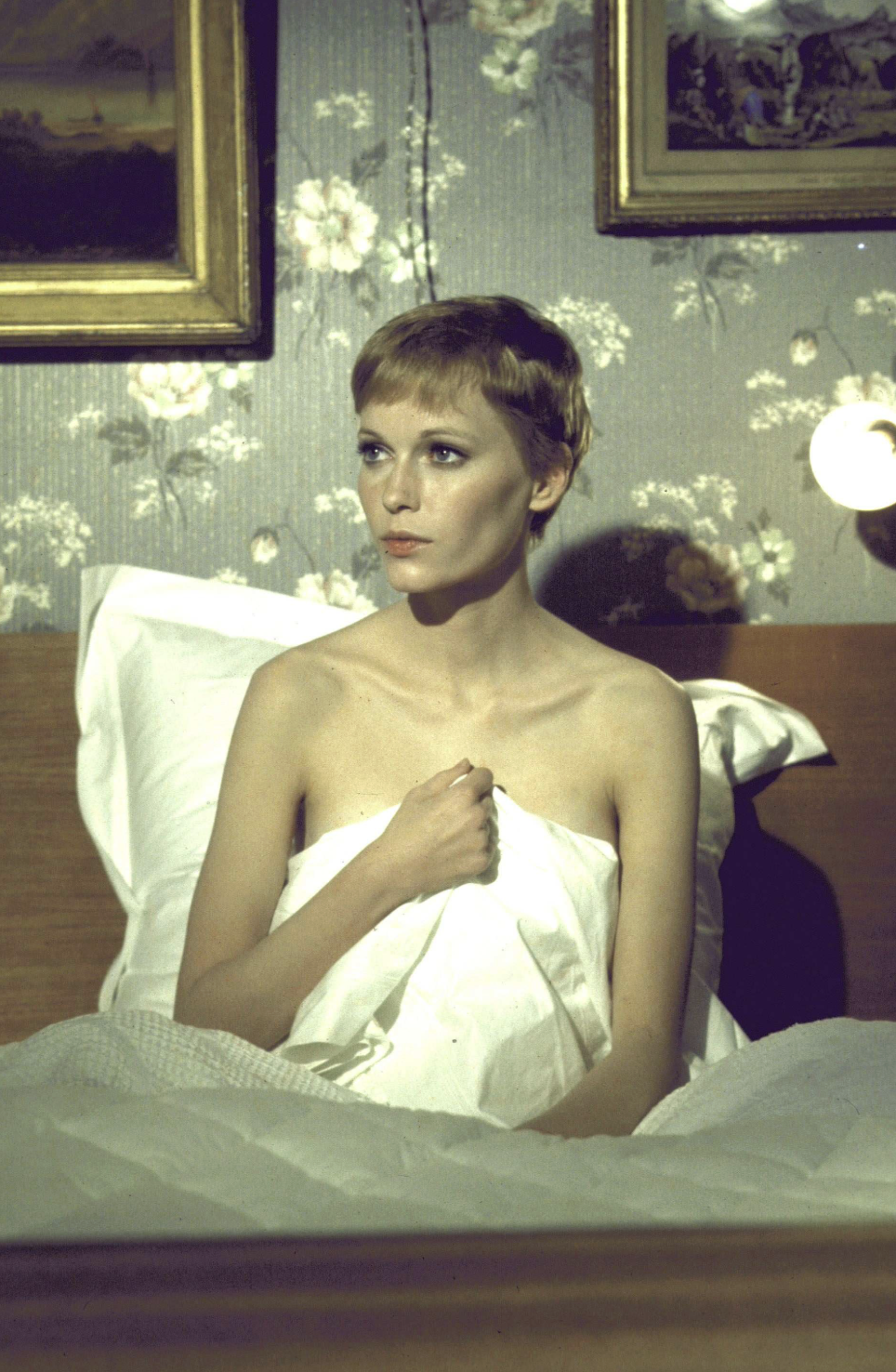
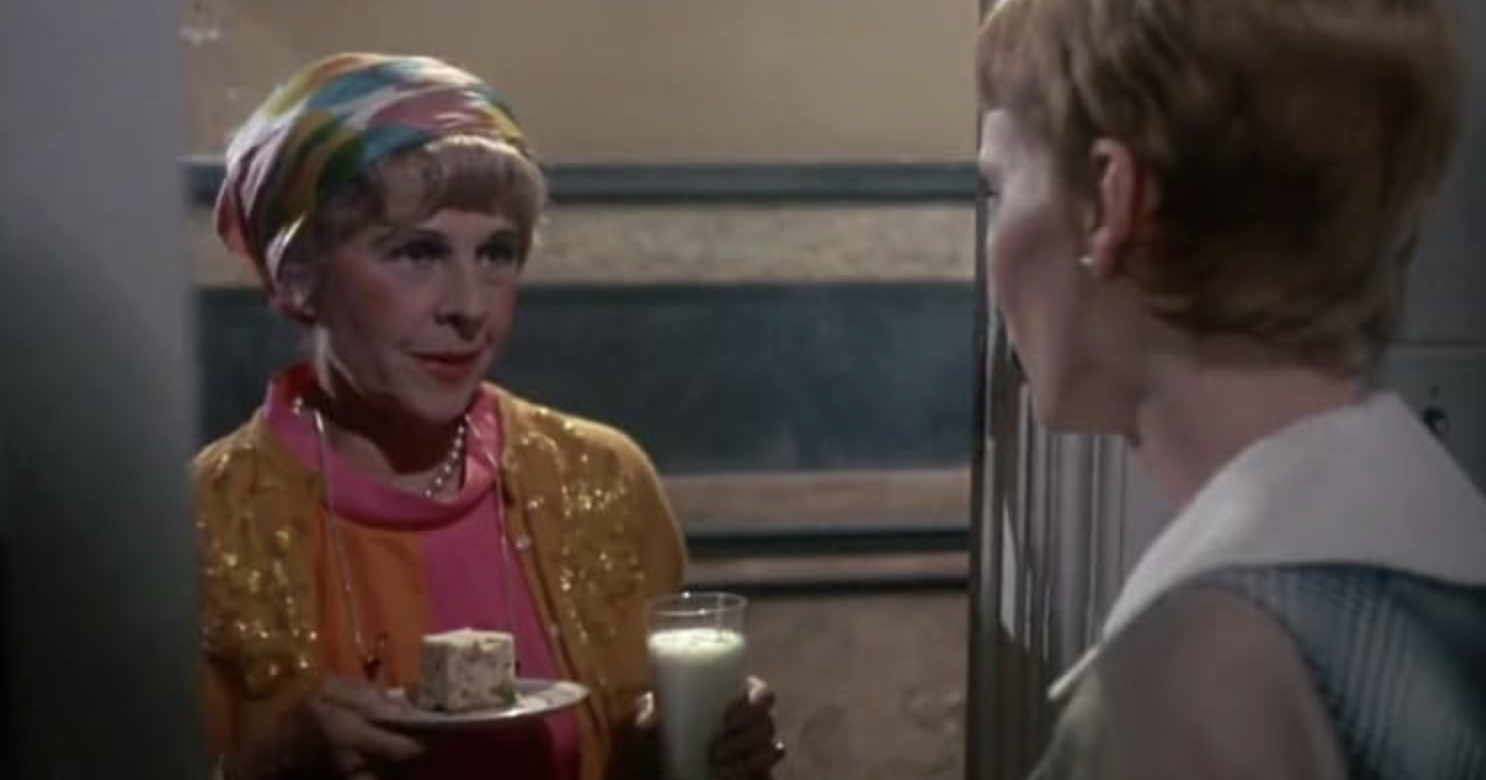
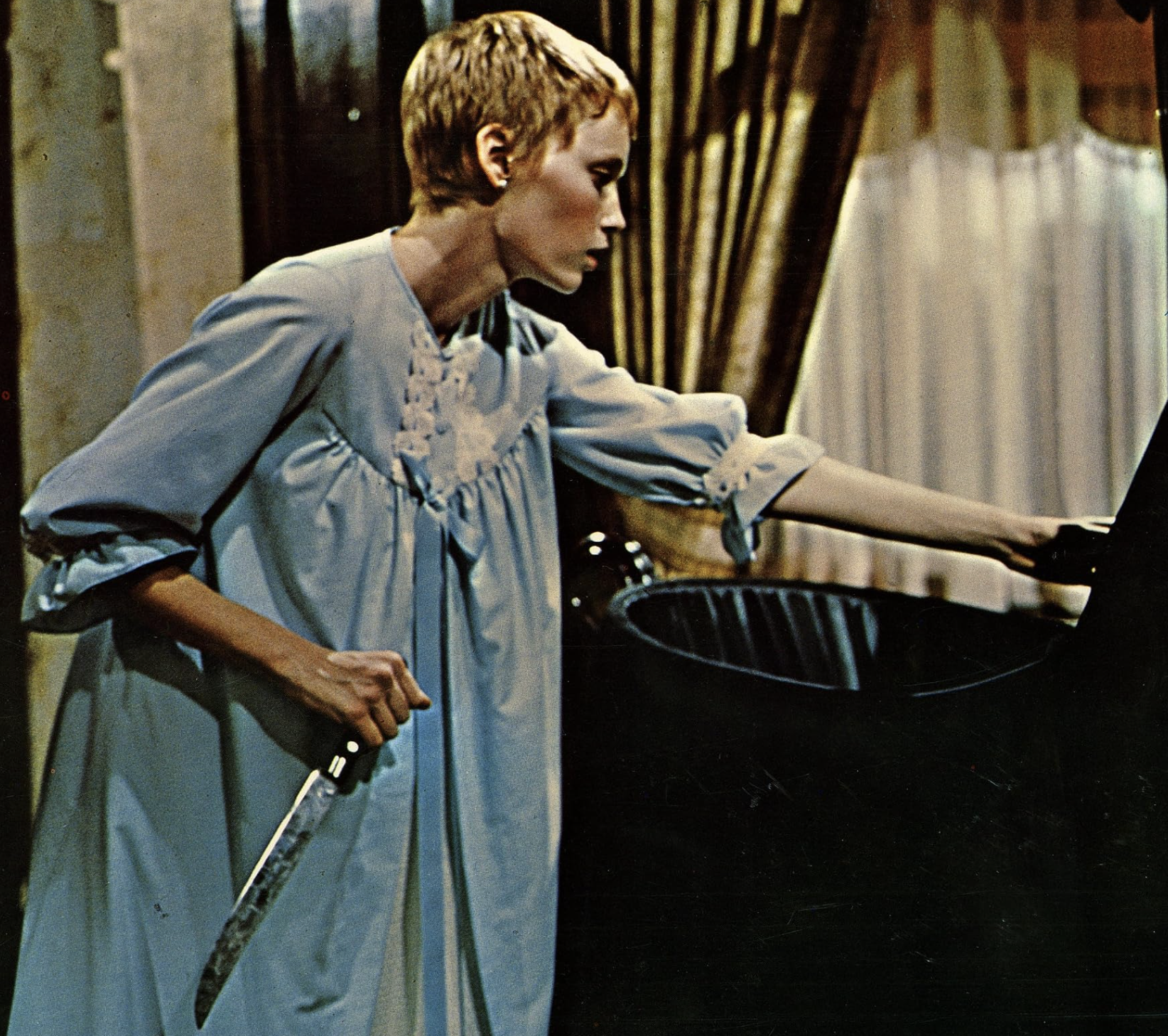
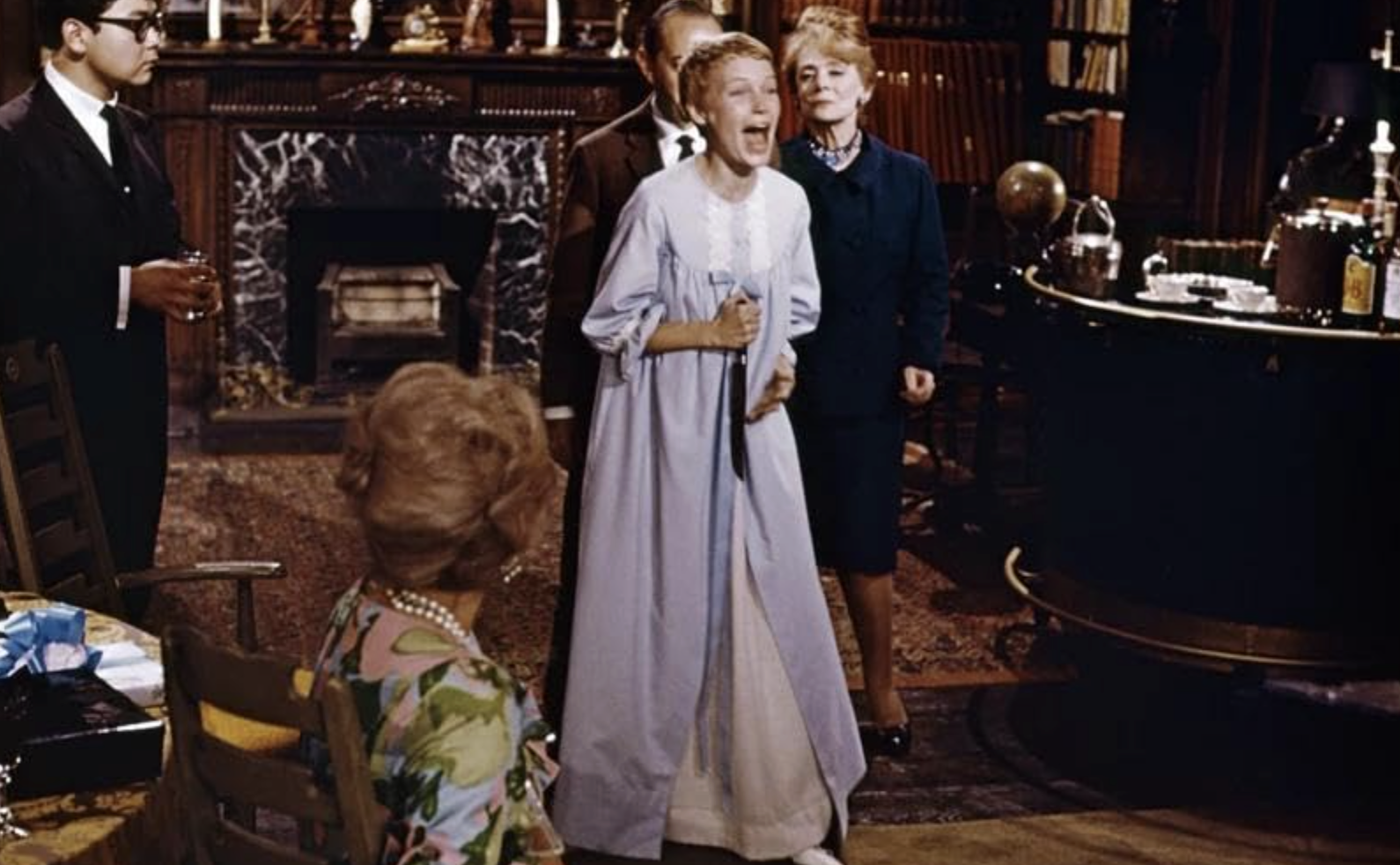
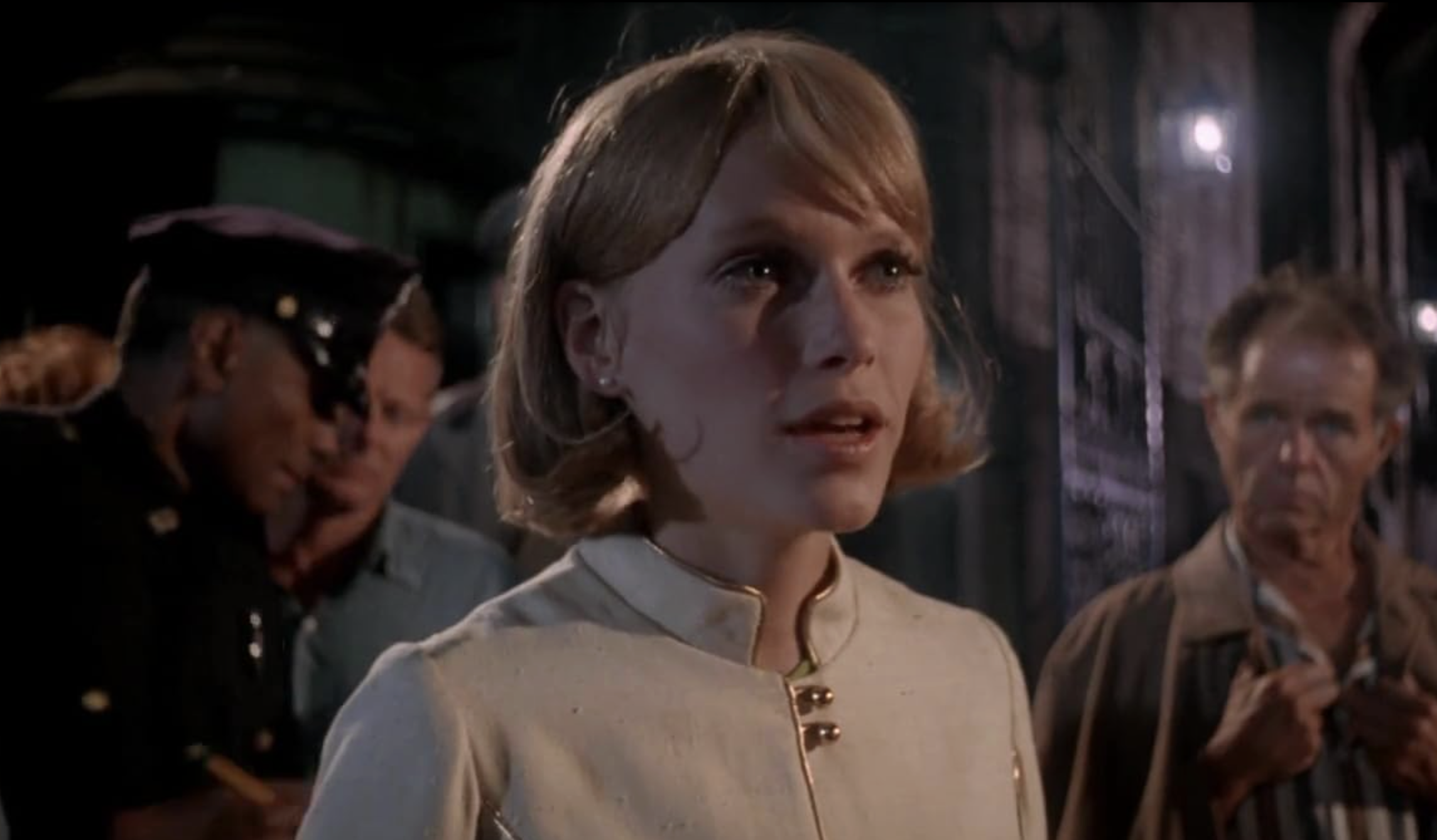
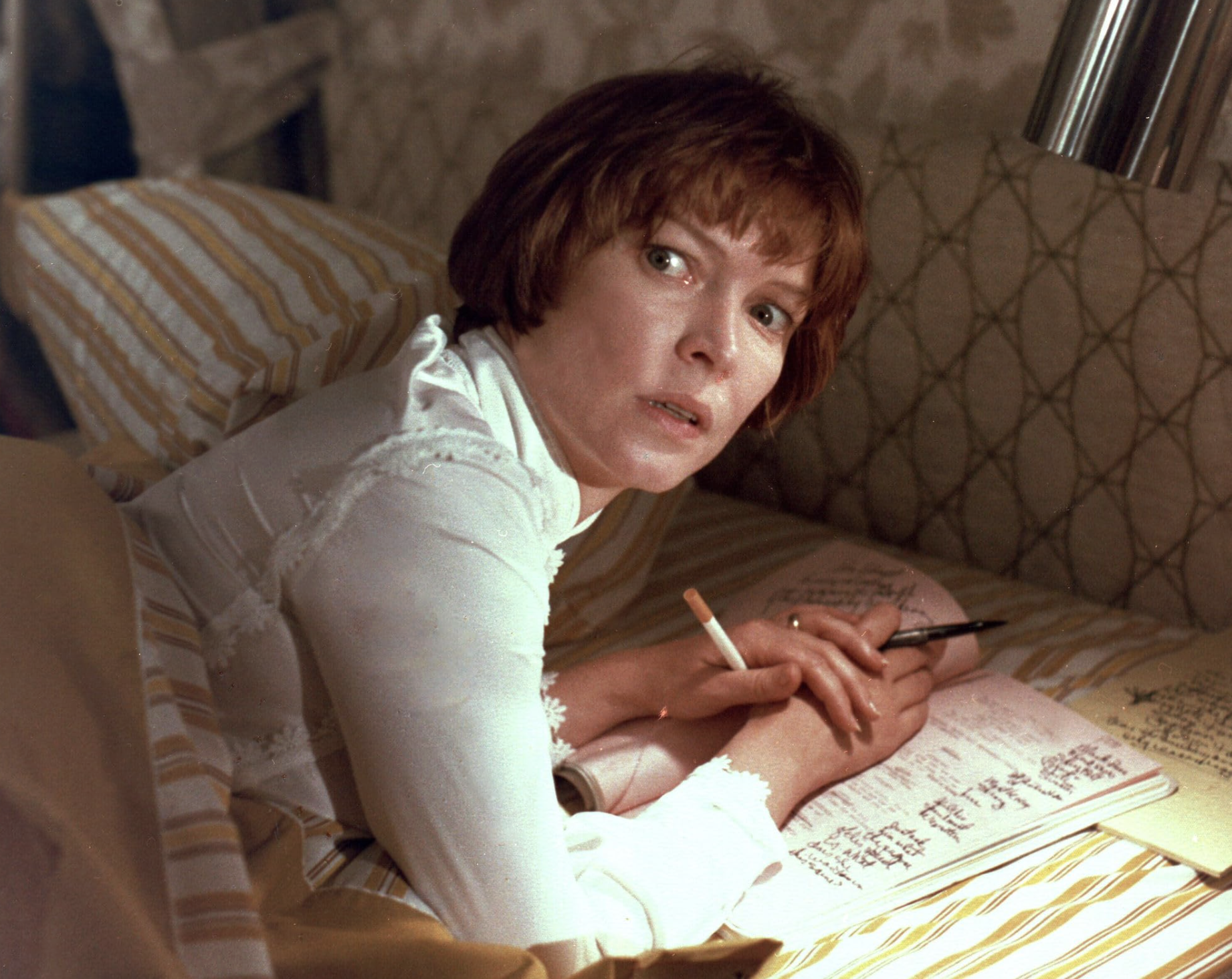
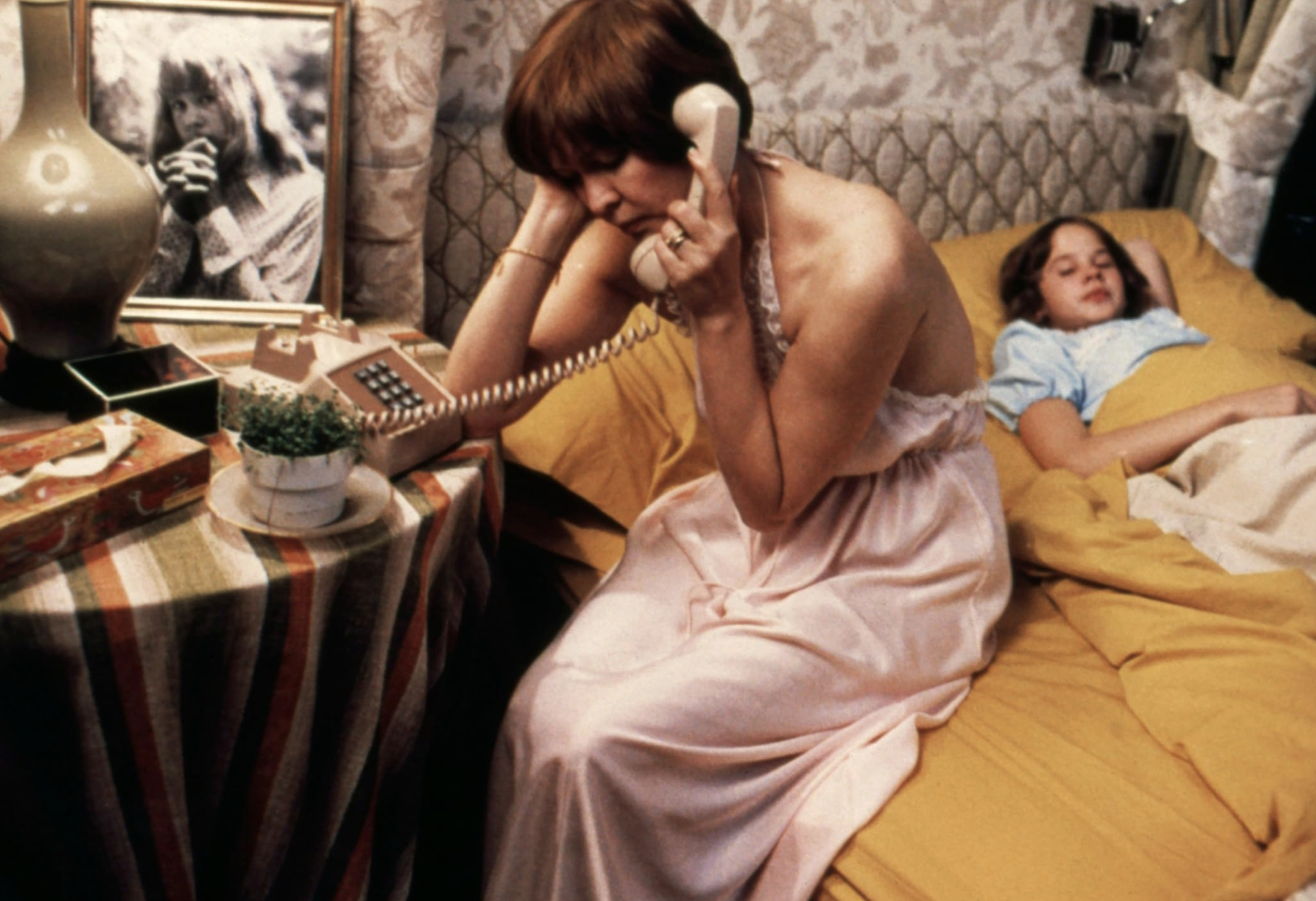
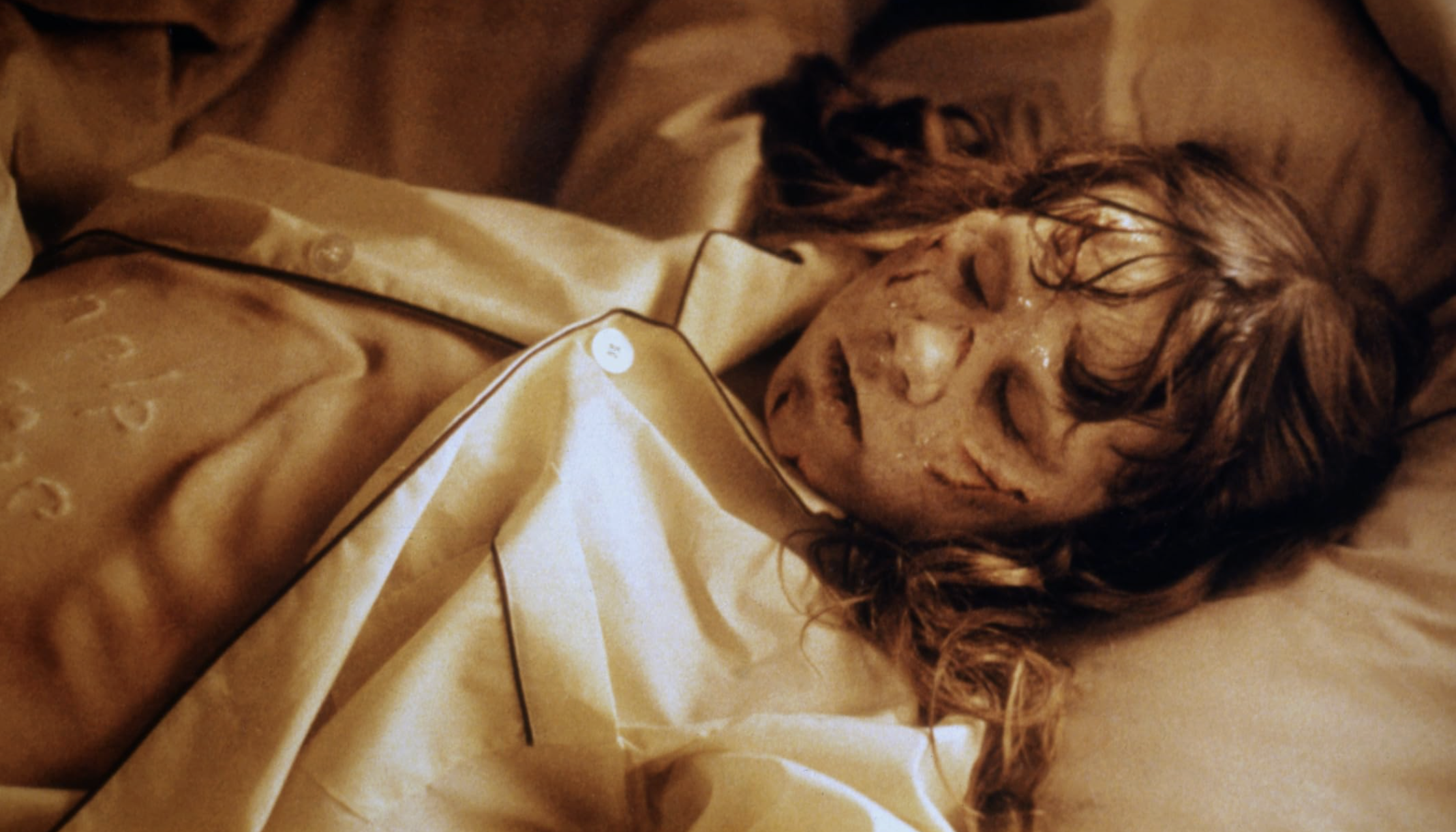

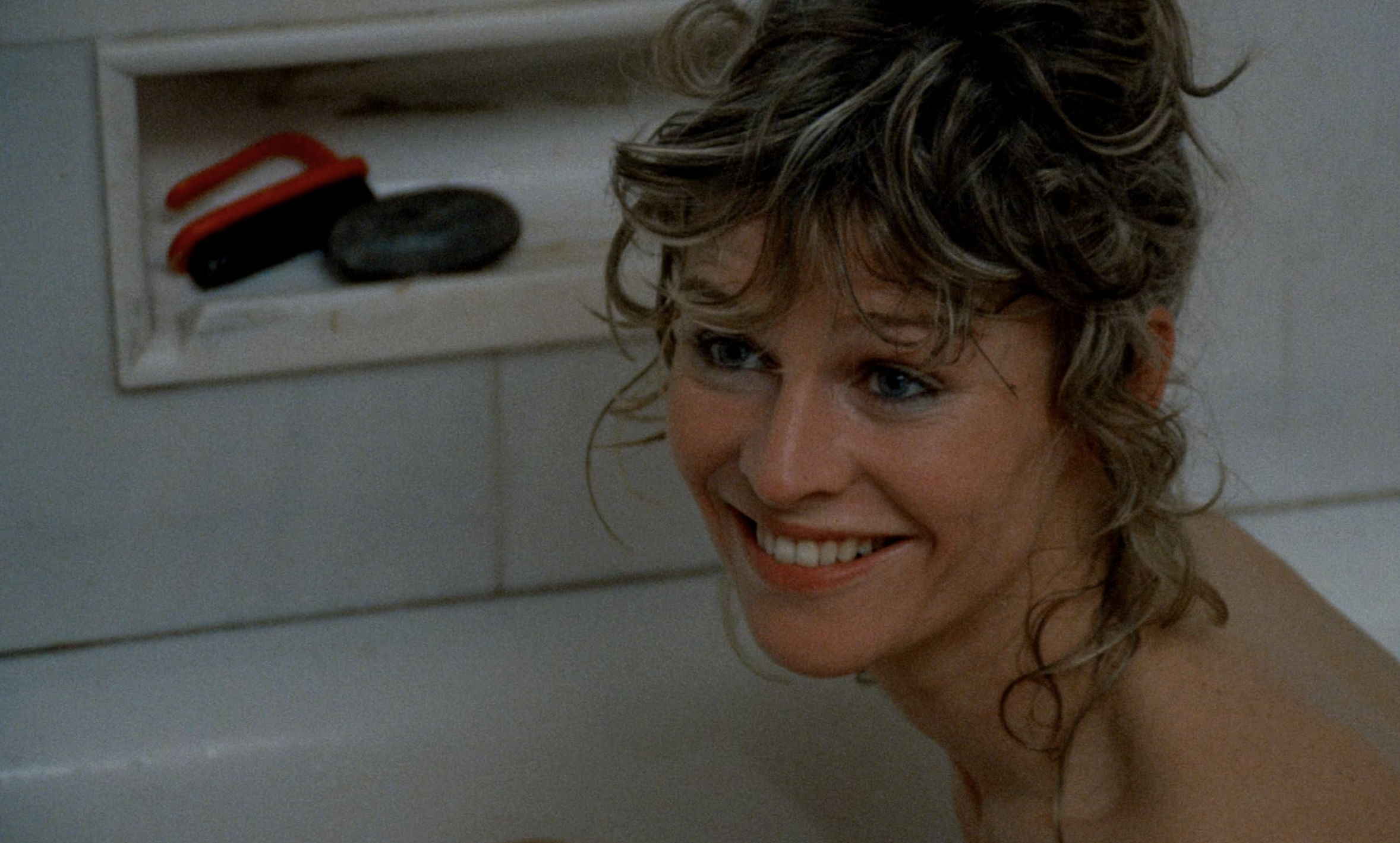
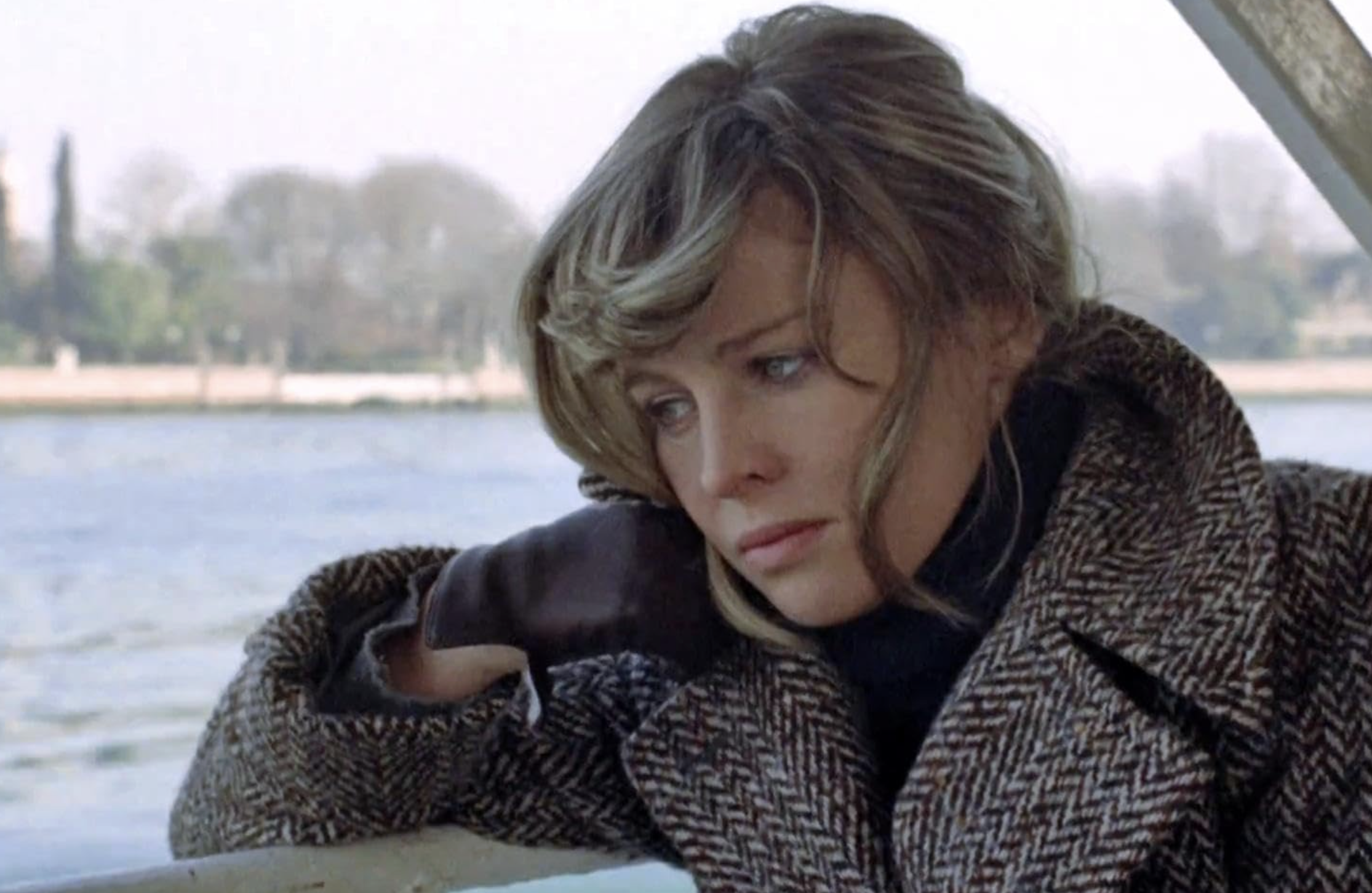
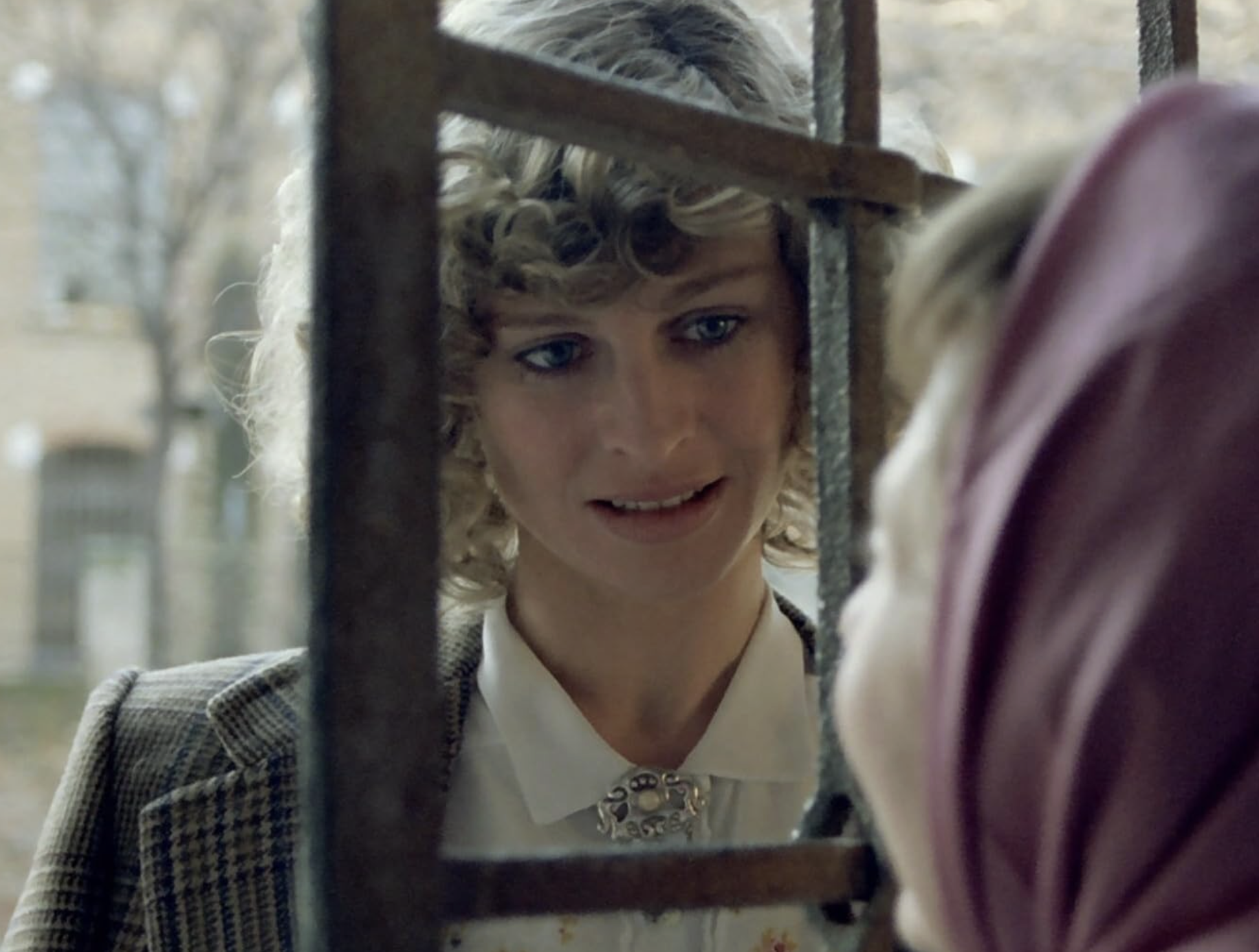
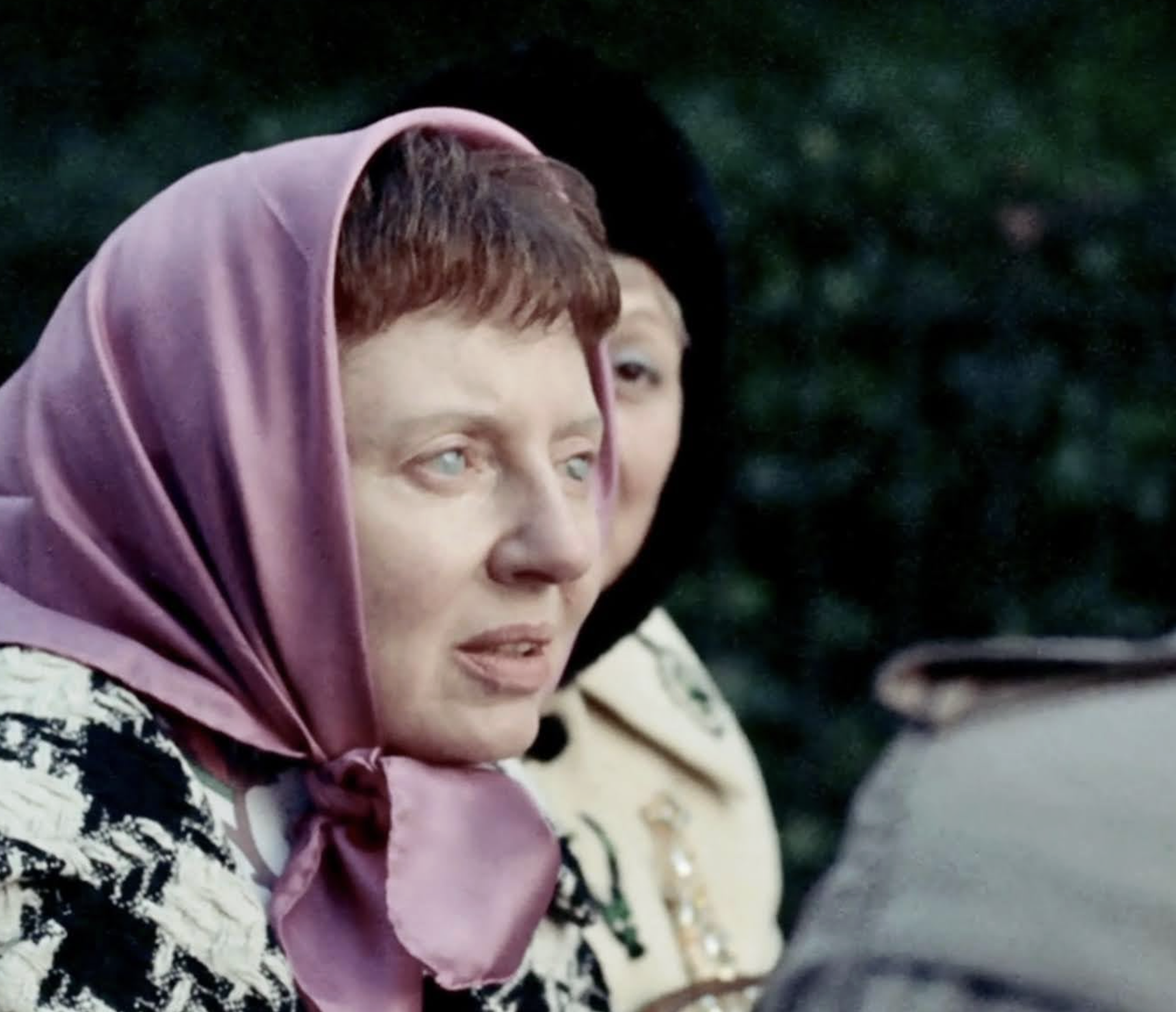
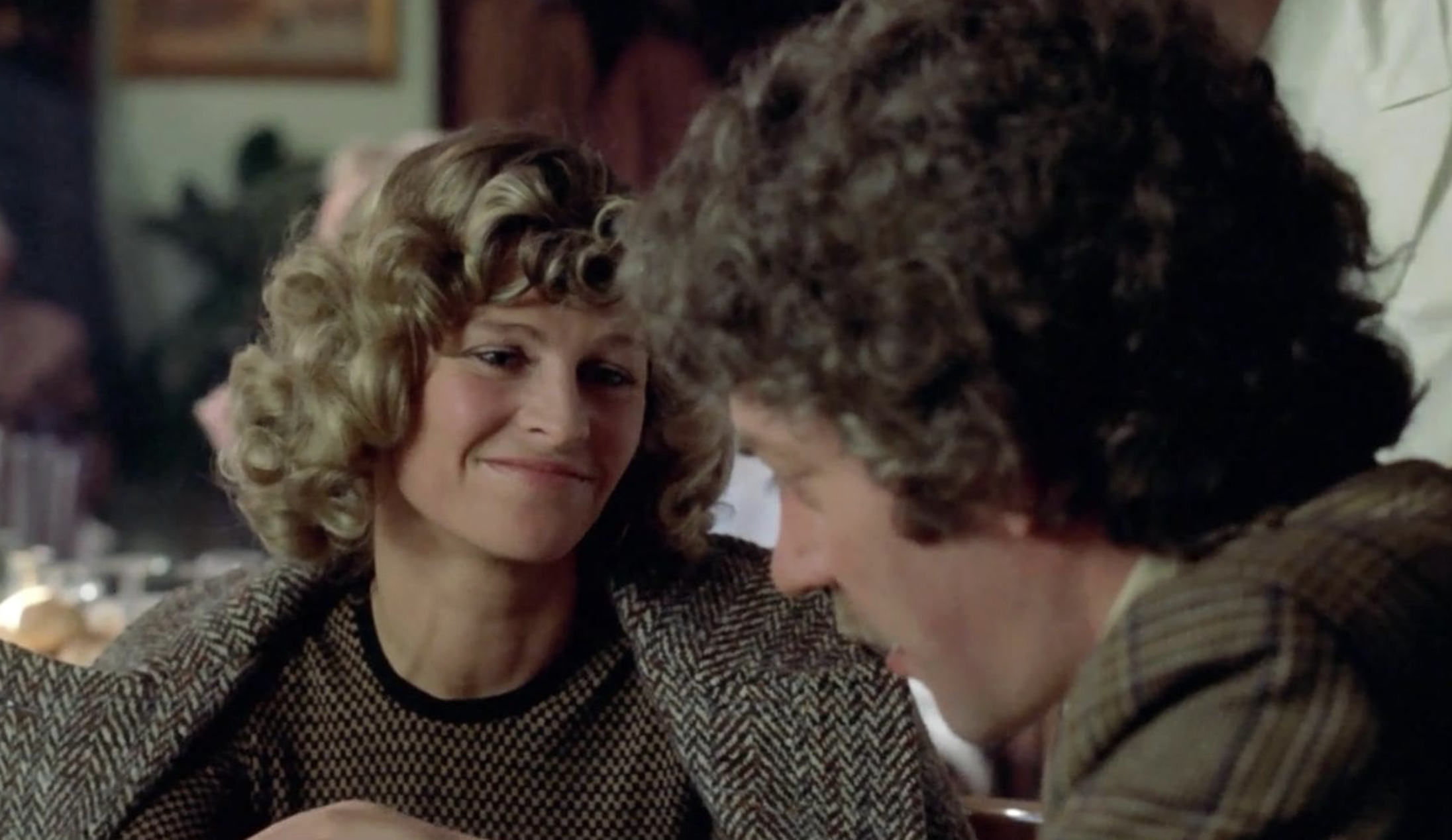
Photo Credits: IMDb
2. Fast-forward to today, and your expansive portfolio spans award-winning films, fashion shows, and editorial shoots. How did you alchemize those early creative instincts into a career as a Hair and Make-up Designer? What did your training look like, and which experiences along the way shaped the artist you’ve become?
Finishing makeup school, I pursued a model agency who took me on as a makeup artist and I slowly started working with photographers. My strategy was to just say yes to everything, so when a fellow student from the makeup school asked if I wanted to work on a short action film for free, I just said okay.
It was a night shoot in a location that operated as an Albanian men’s club by day, meaning we had to dress the set every night. The film was called A Bullet to your Brain, directed by a young guy trying to get into film school who called himself Jang.
That was my first meeting with Nicolas Winding Refn. Jang never actually got into film school because he managed to get his first feature film financed: PUSHER. Pusher was filmed in the streets of Copenhagen.
Jang wanted the characters covered in tattoos and asked if I could do that. I hadn’t done that before, but just said “sure”. I made custom stencils and drew them on by hand. That film also happened to be Mads Mikkelsen’s first feature. I was 19.
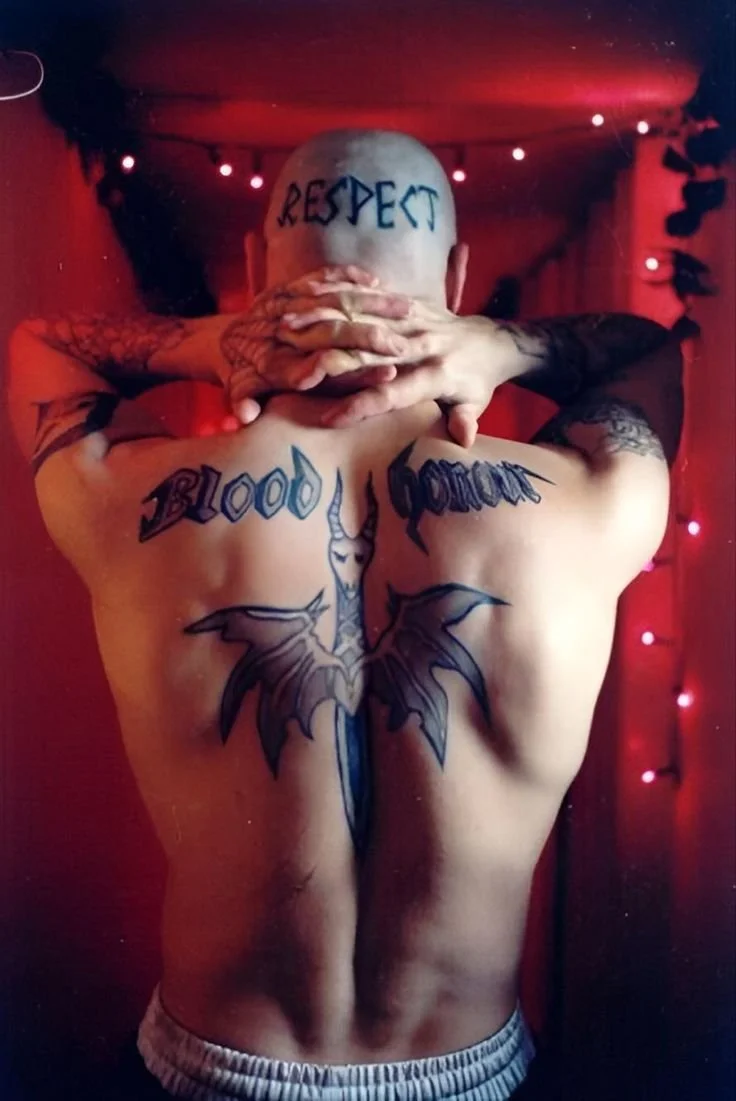
PUSHER
Photo: Dick Lyngsie / byNWR
Later came Bleeder, Pusher II, and Fear X with Refn.
Simultaneously, I was working in editorial fashion and eventually moved to London to pursue a career there. I rented a flat in Camden Town and that was my first real meeting with gothic culture. I became a regular at legendary clubs like Slimelight, The Electric Ballroom and The Dev. Even though I sadly missed the 1980s New Romantic era, you could still meet a few vampires with fangs and capes out at night in the clubs.
London’s avant-garde fashion magazines allowed me to create highly surreal looks for editorials and runway shows.
Working in fashion taught me how to create things on the spot and, over time, trust my creative instincts. I believe that if you dare to show who you are creatively, you will naturally attract clients who are aligned.
London broadened my life and shaped my creative identity.
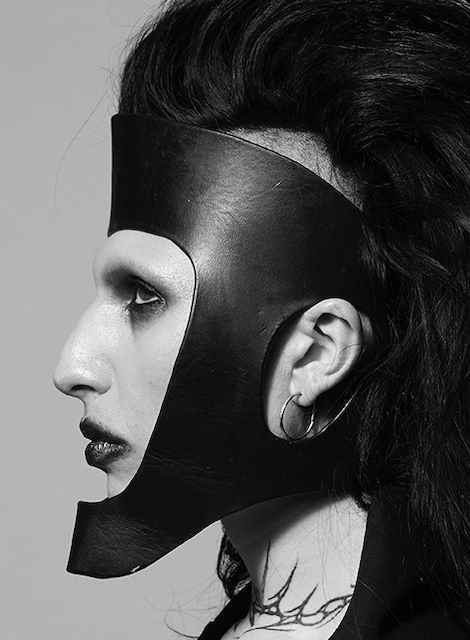
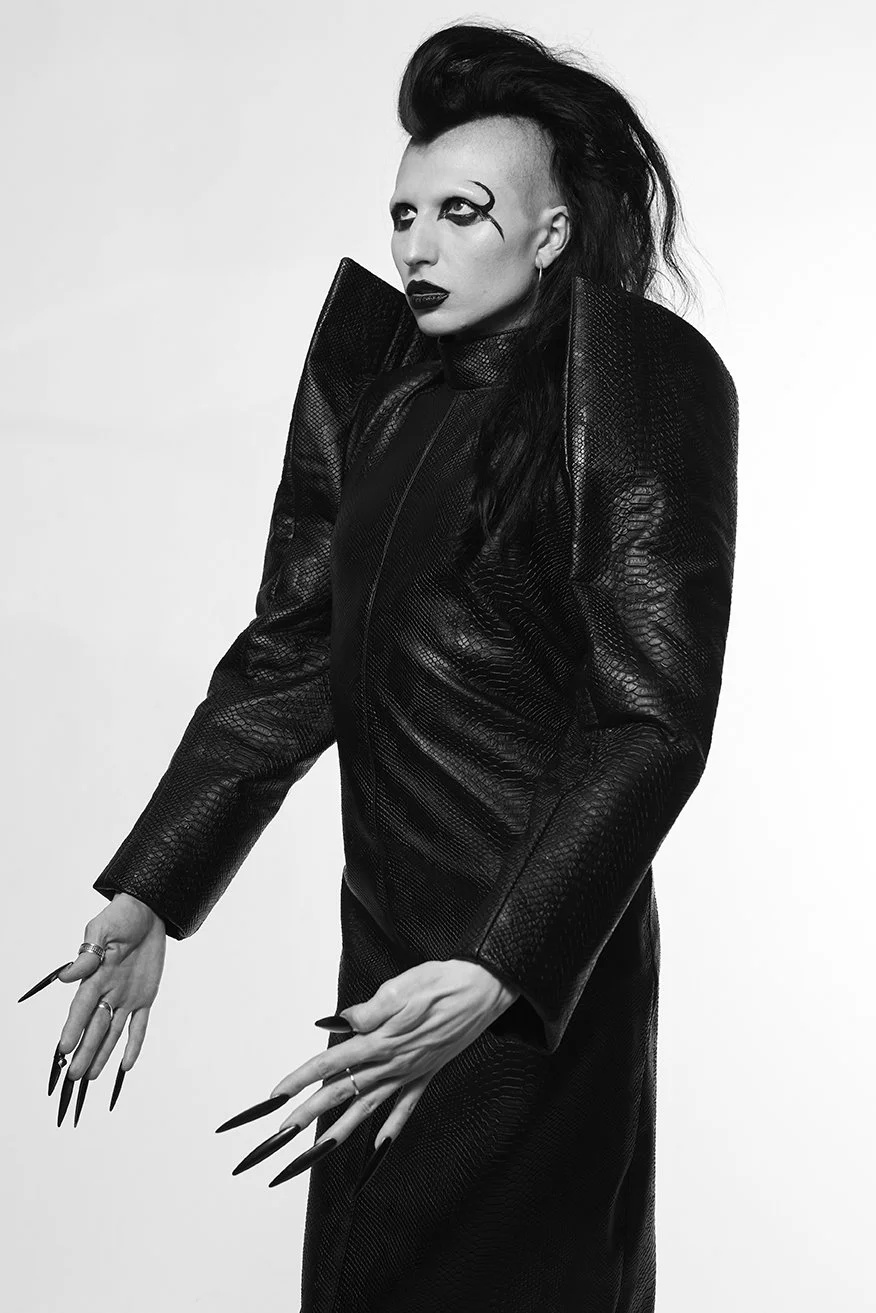
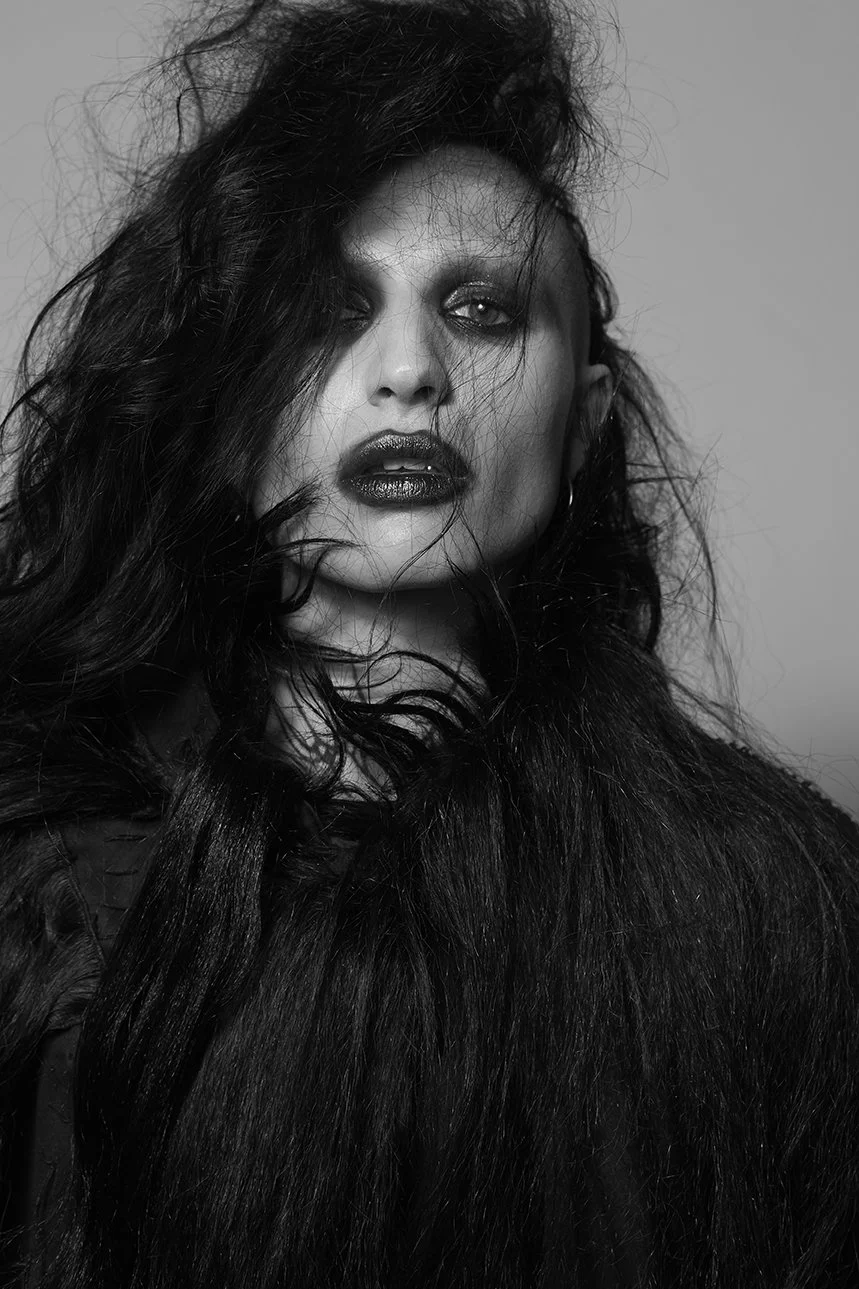
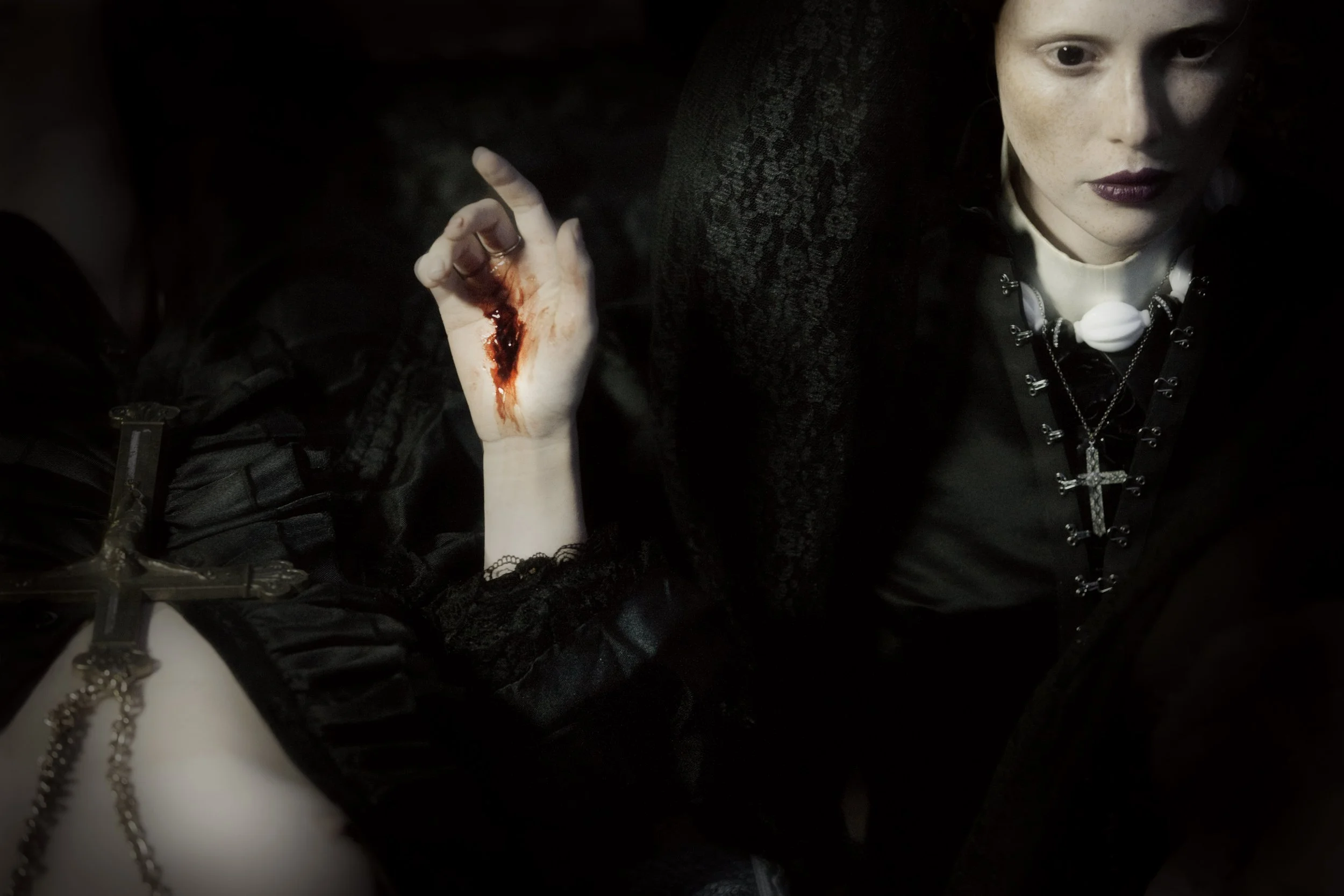
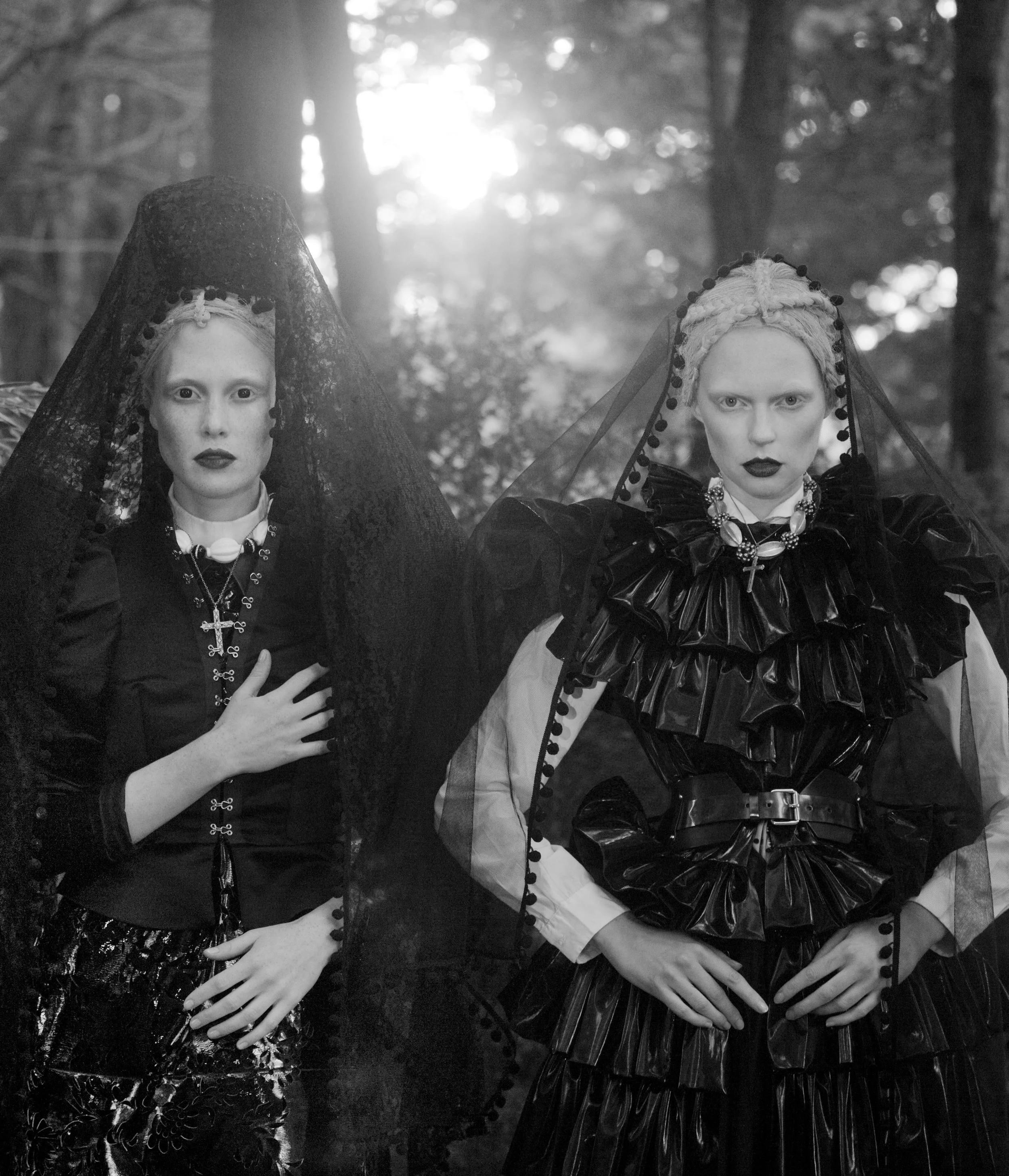
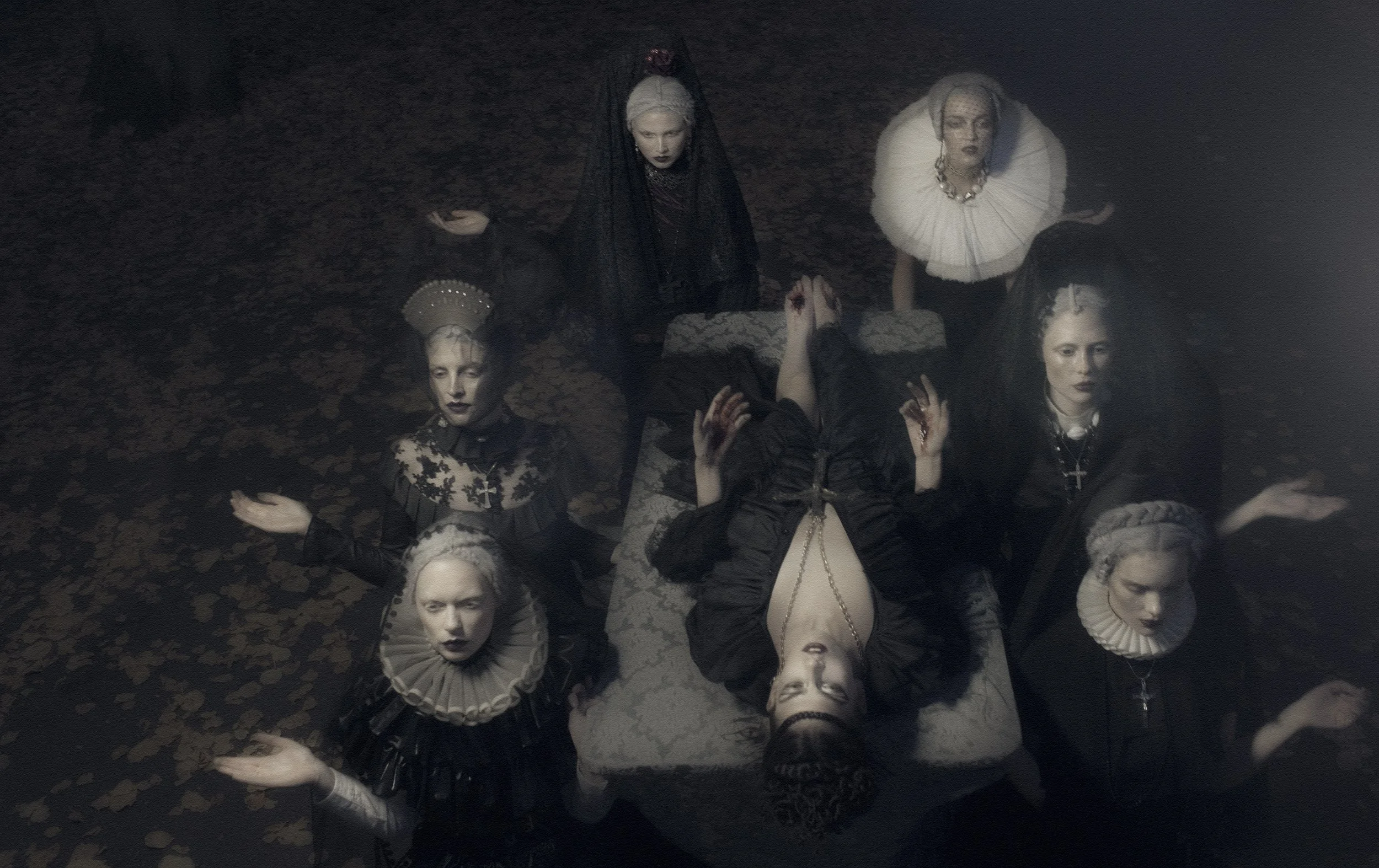
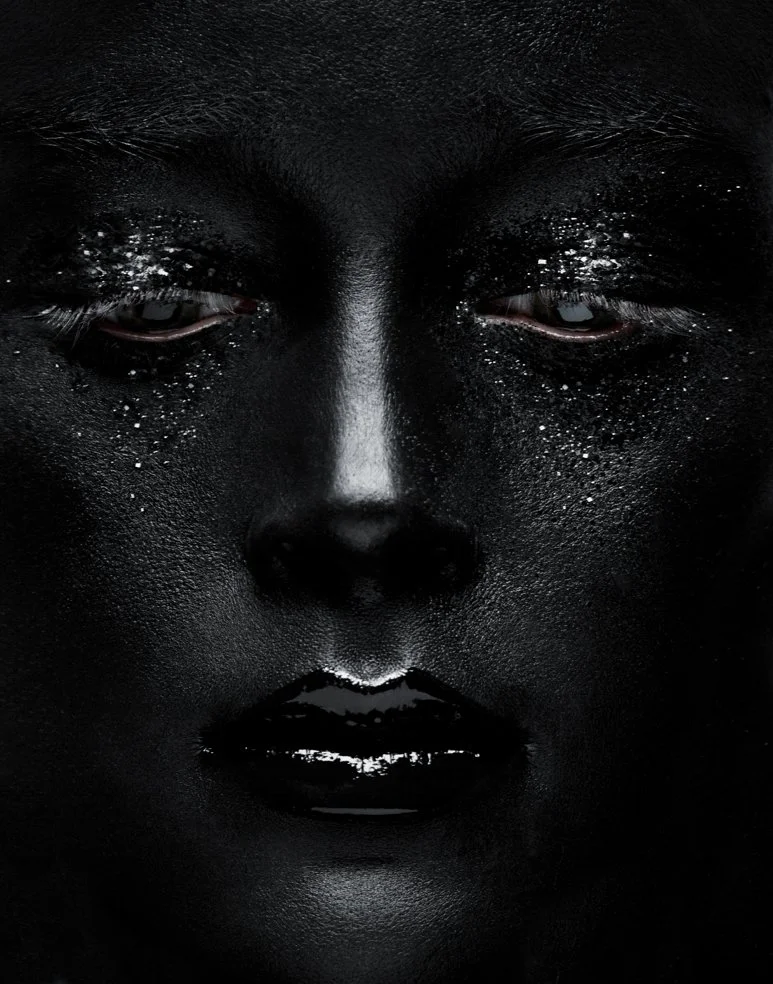
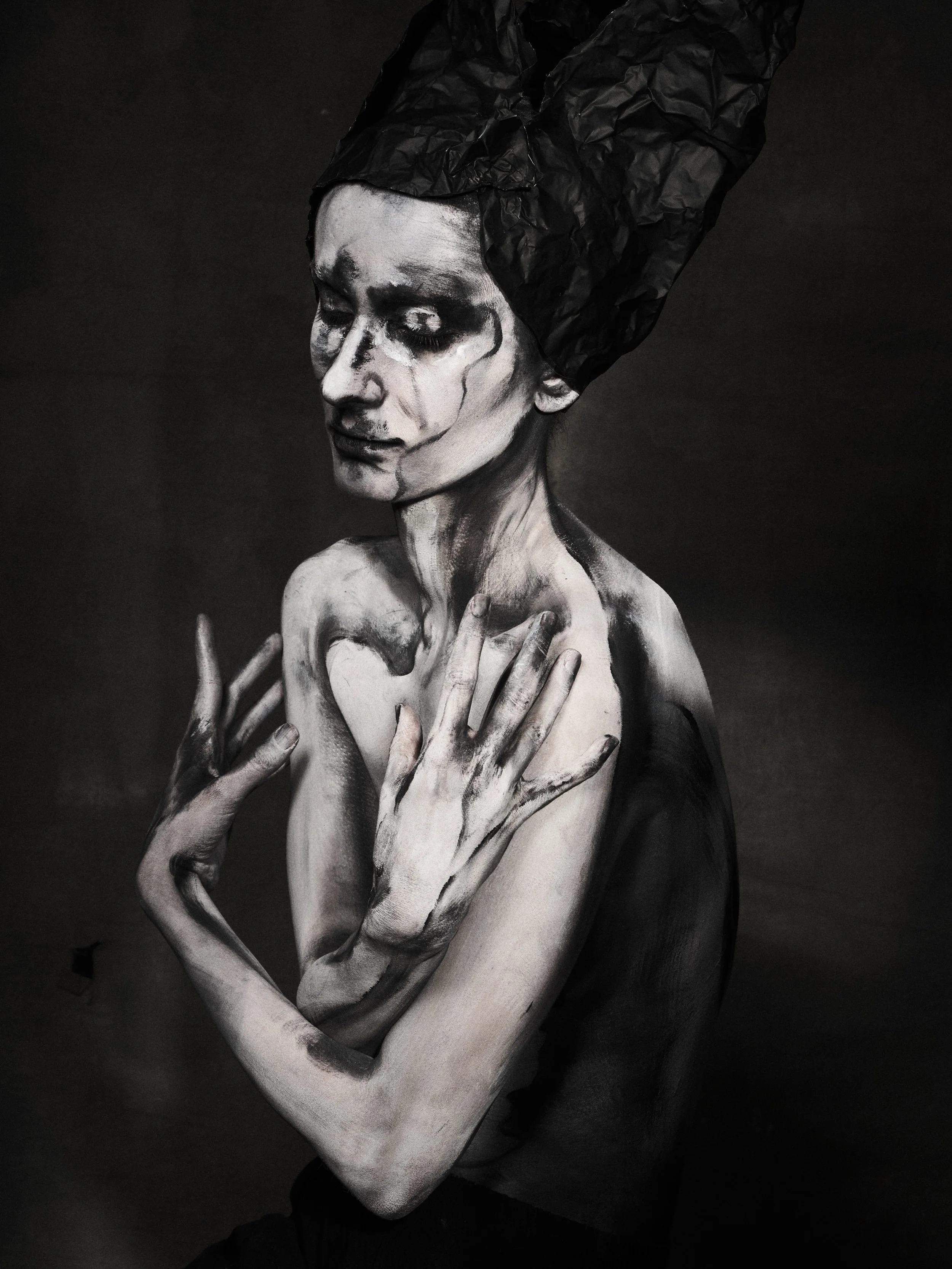
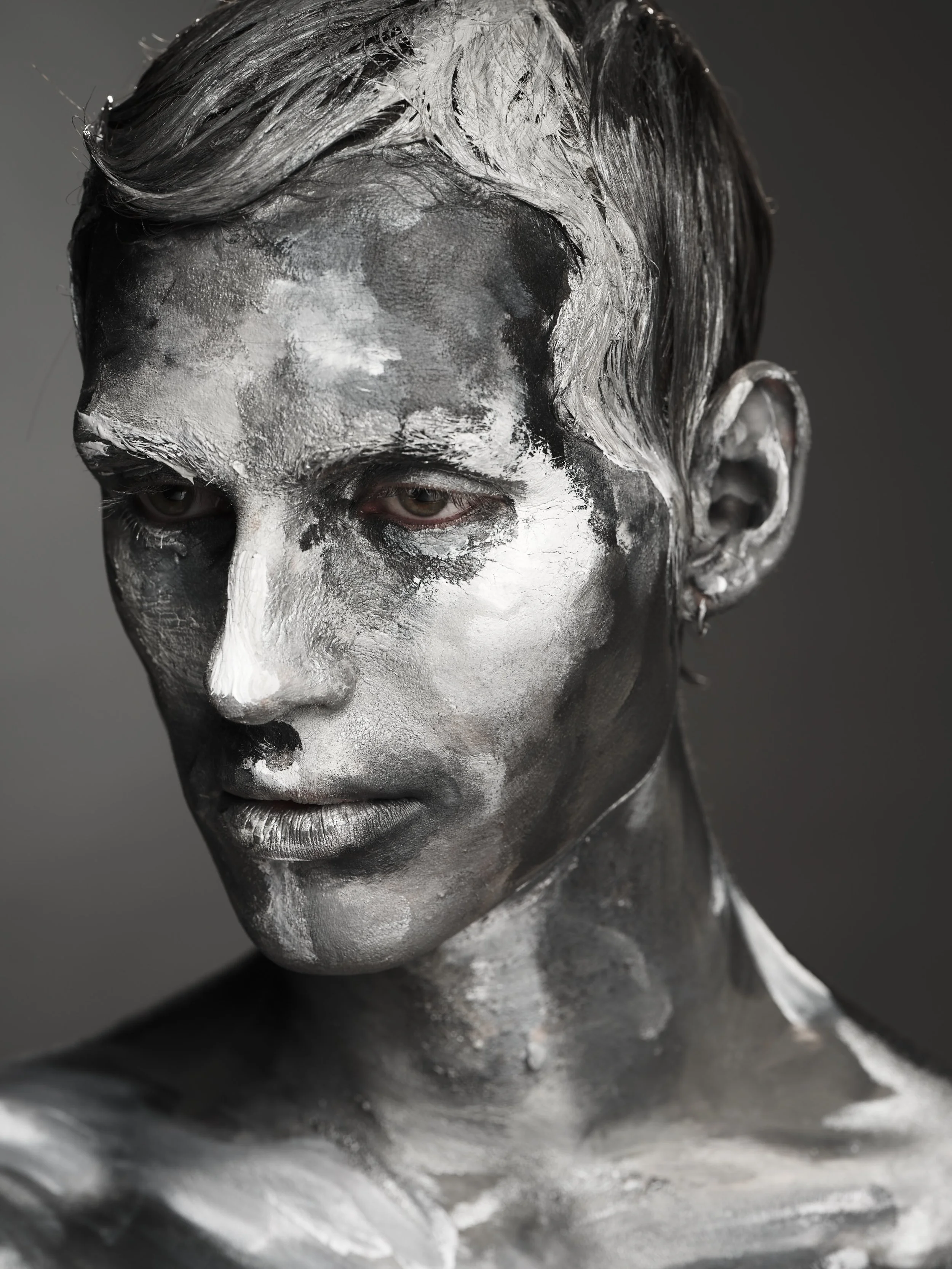
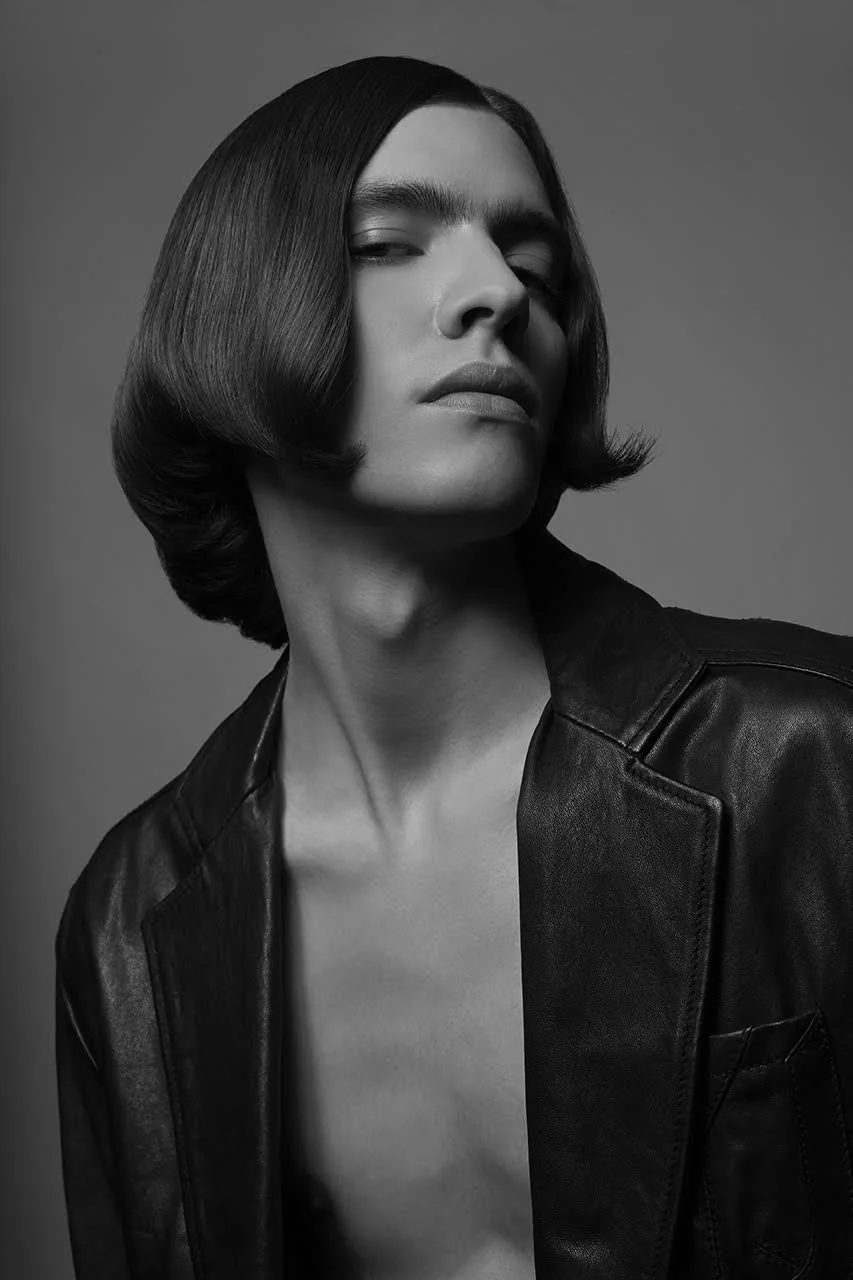
Photos By: Signe Vilstrup, Jonas Jensen, Sophie Dreijer and Nicky de Silva.
3. Her Private Hell is an absolutely decadent visual feast—it has the heightened beauty and dreamlike quality of early Euphoria, filtered through a horror lover’s imagination and decades of fashion references. How did you approach building this specific visual world?
Reading the script for Her Private Hell was amazing and confusing. It was dreamy with multiple dimensions, locations in different times, iconic characters almost freudian archetypes.
The story was handed to us in symbolic undertones. There was a daughter longing for her father, a father longing for his daughter. A villain out of a Giallo film and multiple fight scenes and kills. And then it had a film within the film with it own aesthetic universe.
It was like standing in front of a gigantic mountain you knew you wanted to climb, but had a feeling there was a hidden door with a lift inside somewhere and I just need to find it.
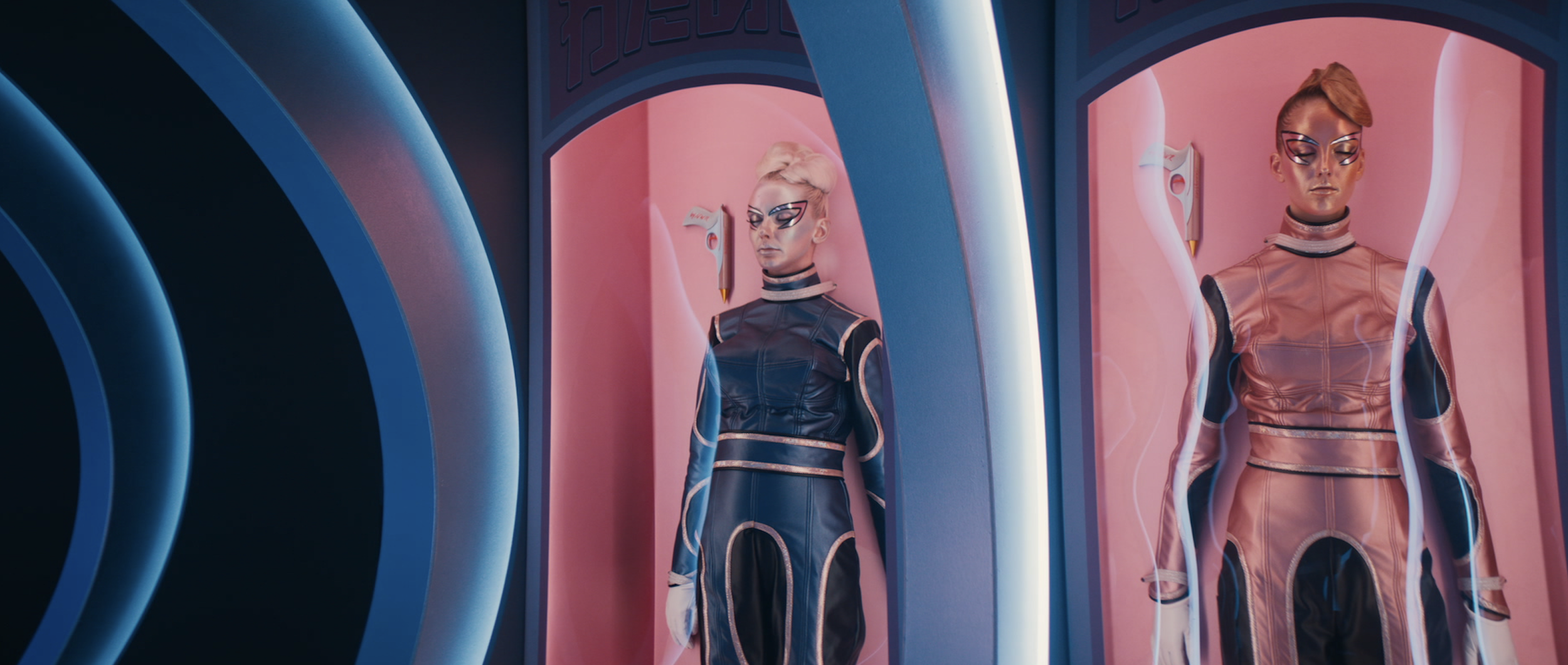
I put it down for a time and just started watching Jangs favourite films. I had a feeling the answers were in there somewhere. I rewatched “Blood and black Lace” from 1964 and “The Red Shoes” from 1948. “Planet of the Vampires” 1965 by Mario Bava.
I was starting to get it, suddenly inspiration flooded me and I started research and mood boards. I wanted to be inspired, but also create something new and fresh that could stand on its own.
My visual references can span anything from classical paintings, arthouse cinema to high-fashion editorials and historical archives.
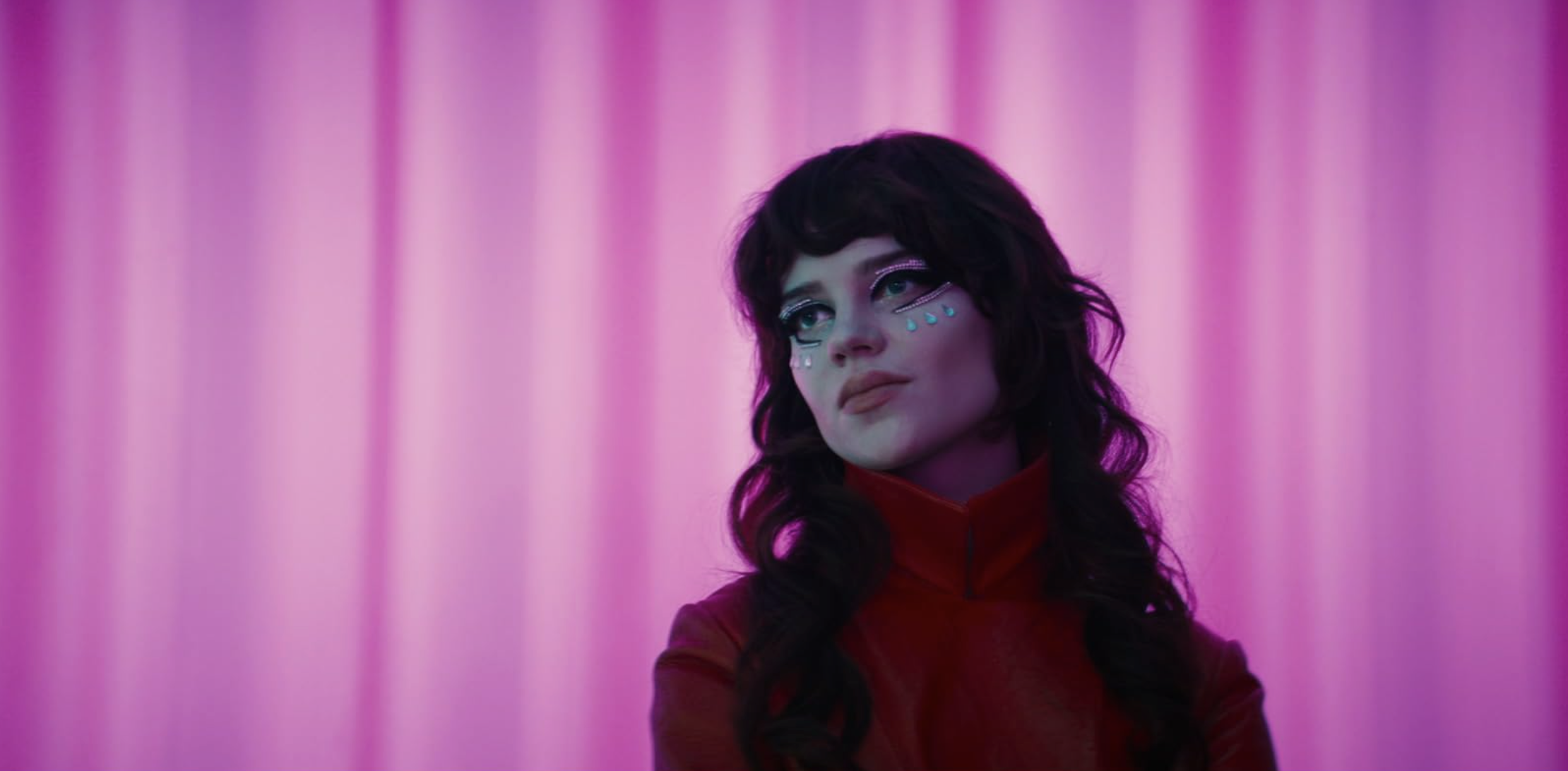
Her Private Hell
Photo: NEON / byNWR
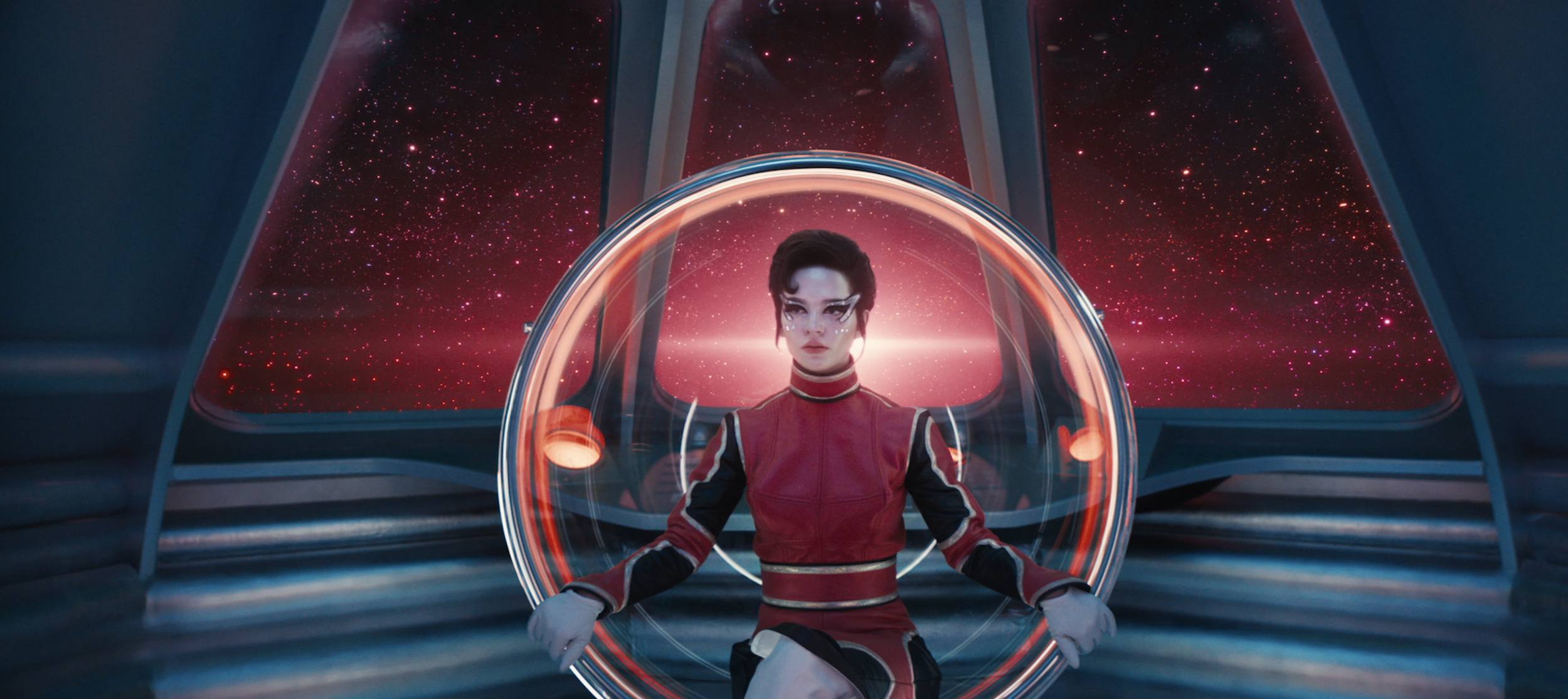
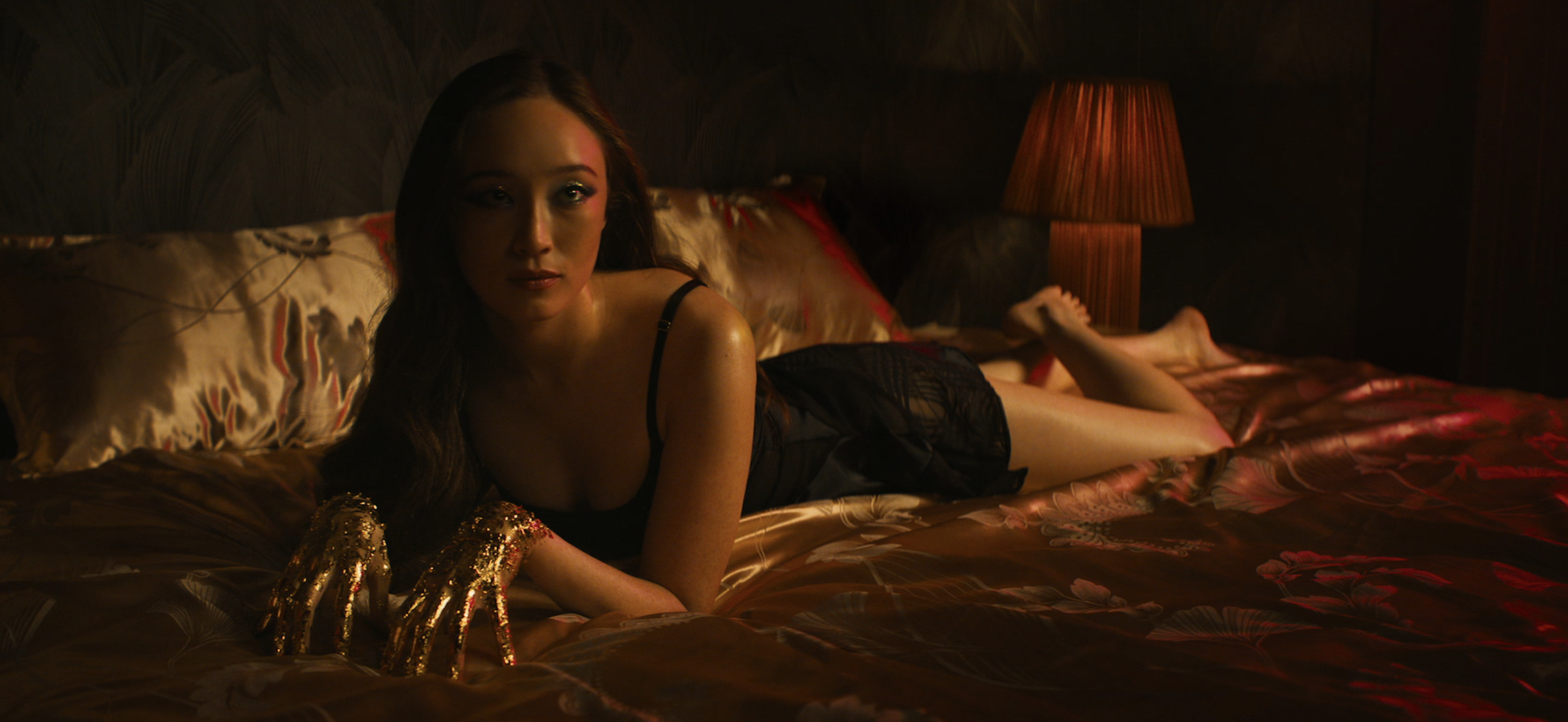
4. One line, without any spoilers, from Her Private Hell really struck a cord, “Beautiful. Sweet. Powerful. You either have it, or you don’t. The moment you forget it, you disappear.” Beauty, femininity and power are so entangled both on and off screen How did that idea inform the looks you created for its cast—and outside the film, what does that relationship between beauty and power mean to you personally as a woman in 2026?
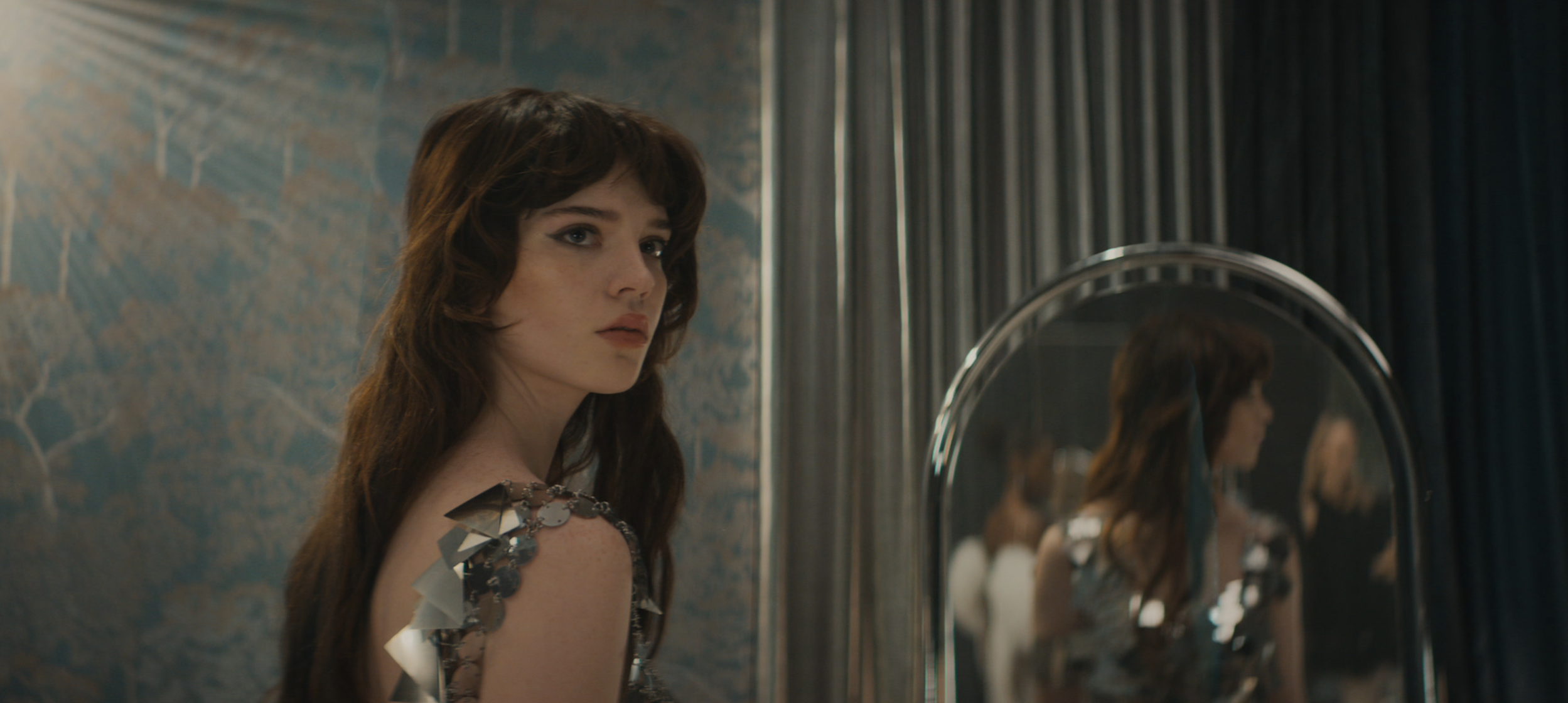
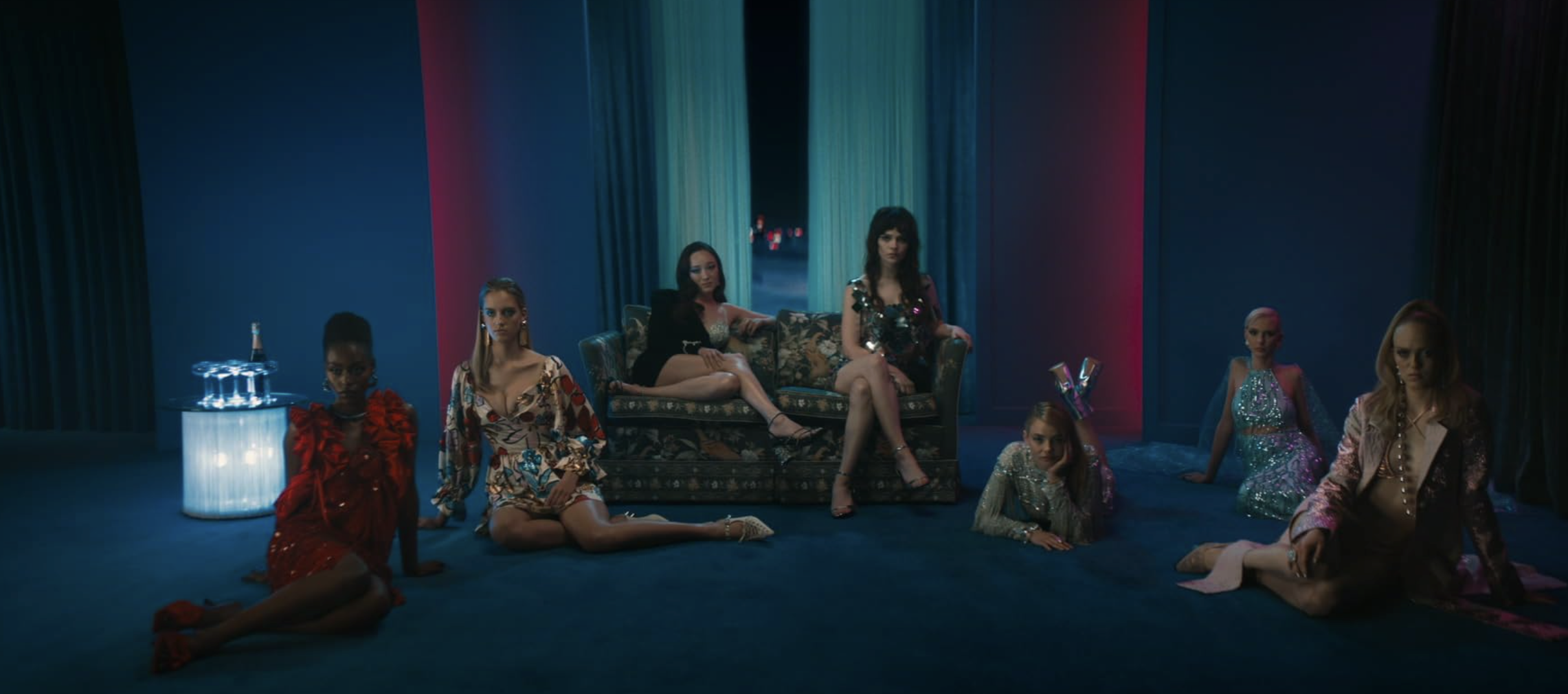
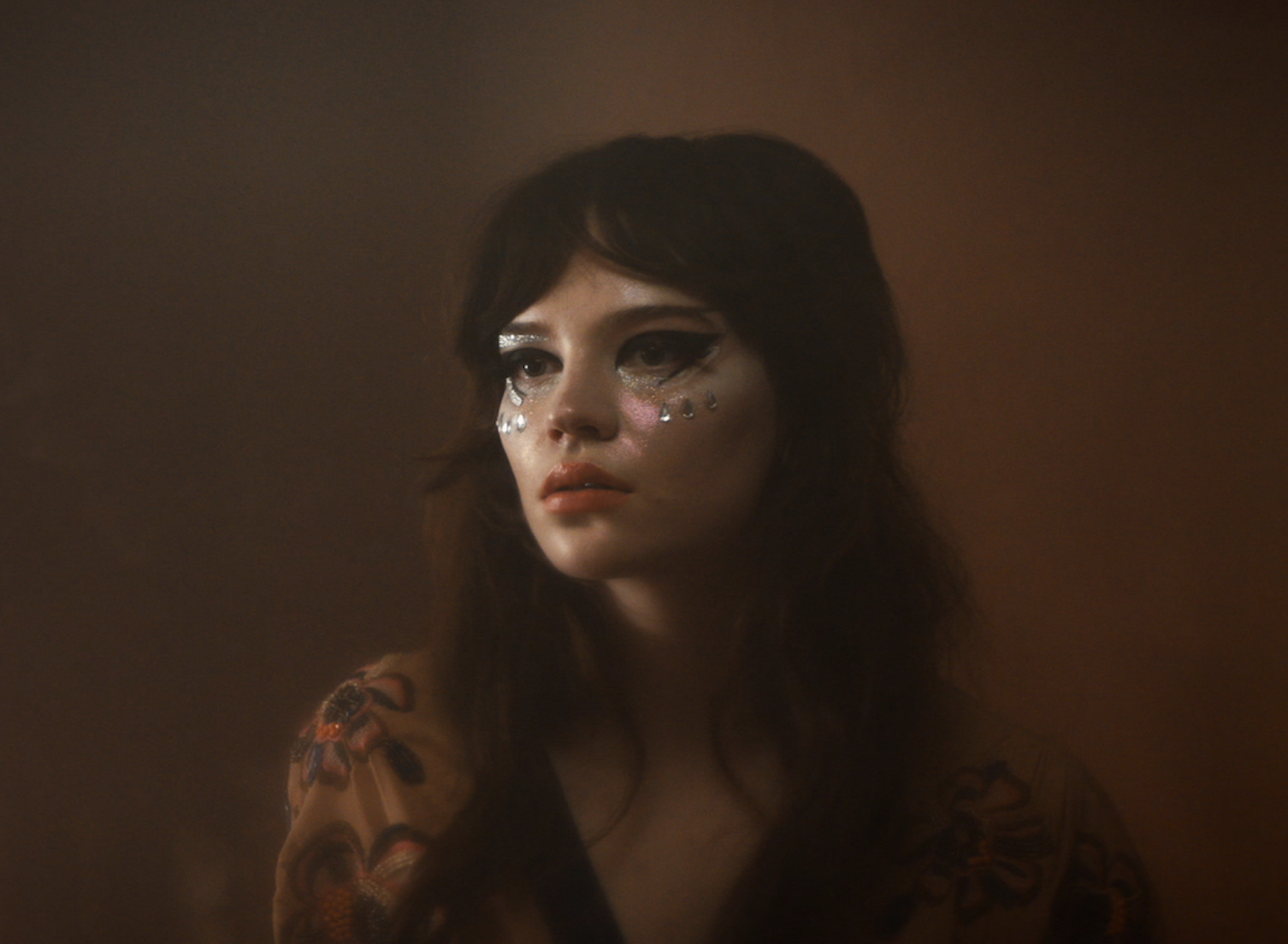
In the strong neon lights and fog, the three women appear powerful, classical, and iconic. I translated that quote into high contrast makeup that refuse to bleed into the background, ensuring each character’s presence is felt the second they step into the screen.
The polished styling reinforces a narrative of superficiality in a world where looking good means surviving. The hair and makeup serve as a shield, a flawless mask that hides deep vulnerability in a hyper-competitive female world where beauty is the ultimate currency of power. The glamour also stands in direct contrast to the bloody victims torn apart when The Leatherman strikes.
As a woman, I have spent decades striving to look immaculate, for myself, to attract a partner, to keep a partner and to be part of a certain environment. But my world has turned inward, and art is now my sole focus. Painting, writing, making film and photography.
Ageing is a beautiful transformation where the unnecessary layers of the persona are shed. Life didn't always go as planned, but in letting go, I discovered a profound sense of peace.
Her Private Hell
Photo: NEON / byNWR
5. The relationship with culture, film and social media has become especially fast and furious. Beauty trends emerge, peak and disappear at extraordinary speed, while creators introduce millions of people to techniques that once belonged primarily to professionals. How has that changed the beauty industry from your perspective—and has the accelerated trend cycle changed the way you approach work intended to live on screen for decades?
There is an unbelievable amount of talent out there, now able to showcase their work to the world and I discover inspiring work every day. Some things are new, others redesigns from earlier periods in fashion history in new packaging.
Thats why I love watching movies, because you see the original references reused in new ways. So what is actually new design? To work in film is to design for longevity. My goal is to craft a cinematic look that refuses to be anchored to a specific era, allowing the imagery to stand timelessly on its own merit.
The whole, “don’t post your work, post you working,” generation, is not really for me. I appreciate privacy also for the cast. My makeup room offers a place of privacy, safety, free speech, trial and error and early mornings without makeup .
6. Your career moves between film, fashion shows, editorial and celebrity work, which means you’ve spent years making people camera-ready under wildly different circumstances. What are a few tricks from a professional makeup kit that you think more people should know in everyday life?
As a gothic woman who loves pale skin, my answer must be to remember that sun lotion or to bring back the hats in fashion!

Louise Bruun
Photo Credit: Louise Bruun
7. After this many years in the industry, where do you still go to be a student? Are there hair and makeup artists or other creatives whose work you study, and is there a person, filmmaker or fashion house you would especially love to collaborate with in future?
I feel I am still learning on every big project I do. I am constantly discovering how to be a better designer, how to deliver my ideas, and how to run a department. Without my team, I simply can’t do it. My biggest ongoing lesson is learning how to remain actively present by the camera on set, rather than just sitting in the background managing schedules. I am not sure I run things the typical way, but for me, staying close to the lens is where I prefer to be. Thats where the magic happens.
To stay a student, I study the creative choices made by directors and other artists on film. As many others across the globe, I am a huge fan of Robert Eggers because his visions demand such an uncompromising aesthetic discipline. I am also a big fan of Tim Burton of course, Ari Aster, and everyone in the film industry who fights to keep working in a tough industry where artistic genre film can be very hard to finance.
I look at fashion houses that treat clothing as sculptural art, like Maison Margiela and Schiaparelli. I listen to the amazing podcast, Evolution of Horror. Great education.

Copenhagen Cowboy
Photo: Netflix / byNWR
8. You’ve worked with Nicolas Winding Refn repeatedly throughout your career, beginning with Pusher and continuing through projects including Copenhagen Cowboy and now Her Private Hell. What happens creatively when you’ve worked with a director for that long? Is there a shorthand between you now—and does that history give you greater freedom to challenge one another or take bigger aesthetic risks?
The shift in Refn’s cinema is a journey from raw adrenaline to pure atmosphere. His early work like the Pusher trilogy or Bleeder was anchored in a gritty, low-budget Dogma style, using over-the-shoulder handheld camera to capture a raw, documentary like reality. Today, his style has completely transformed into a slow-paced aesthetic defined by static, composed frames and a hypnotic attention to detail. I have a great love for his first films, but for me this transformation is a perfect match.
We have the script as a foundation, but know the project will organically evolve on set. Jang fiercely protects creative freedom by shooting chronologically, which grants me the unique opportunity to alter looks in real time as the story unfolds. Designing for him requires an incredibly adaptive process. I am never given a direct brief of what to do, which I appreciate. Instead, I closely follow where his fluid ideas are going. The turnaround time to execute his sudden changes is extremely short.
He is a rare director because he genuinely loves heavy makeup and intense close-ups. There is a mutual desire to take creative risks and he usually asks for more. More glitter.. more blood.. more blood..

No Rest For the Wicked
Photo: Christian Geisnæs/ SF Studios
9. You’ve already worked across fashion, editorial, celebrity and film, and Her Private Hell gave you an extraordinary canvas to bring those worlds together. At this stage in your career, what still feels creatively unexplored—and what are you excited to get your hands on next?
While my craft is hair and makeup, my true passion lies in the overall visual style of a project. I love gothic, occult, and folk horror, surrealism, and German Expressionism. I simply want to be part of creative groups that love those worlds as much as I do.
I brought this exact passion to another film premiering now, No Rest for the Wicked, directed by Kasper Kalle. Shot in the foggy landscape of the Faroe Islands, it’s a queer vampire love story.
For me, the rush is entirely in the creation, experiencing those magic moments on set when everyone's hard work comes together as one big painting. I’ve learned so much about cinema from Refn, and I deeply admire his uncompromising vision.
My cinematic DNA is heavily defined by my absolute favorite films:
Vampyr & The Passion of Joan of Arc – Directed by Carl Theodor Dreyer
Nosferatu – Directed by F.W. Murnau
The Devils – Directed by Ken Russell
Invocation of My Demon Brother – Directed by Kenneth Anger.
Carl Theodor Dreyer happens to be buried just ten minutes away from my house. Whenever I visit that old, historic cemetery, I often sit by his grave to reflect.
At this stage in my journey, I feel ready to give agency representation another go to help guide my next steps, and to partner with an agent to bring my years of experience to new visionary directors.
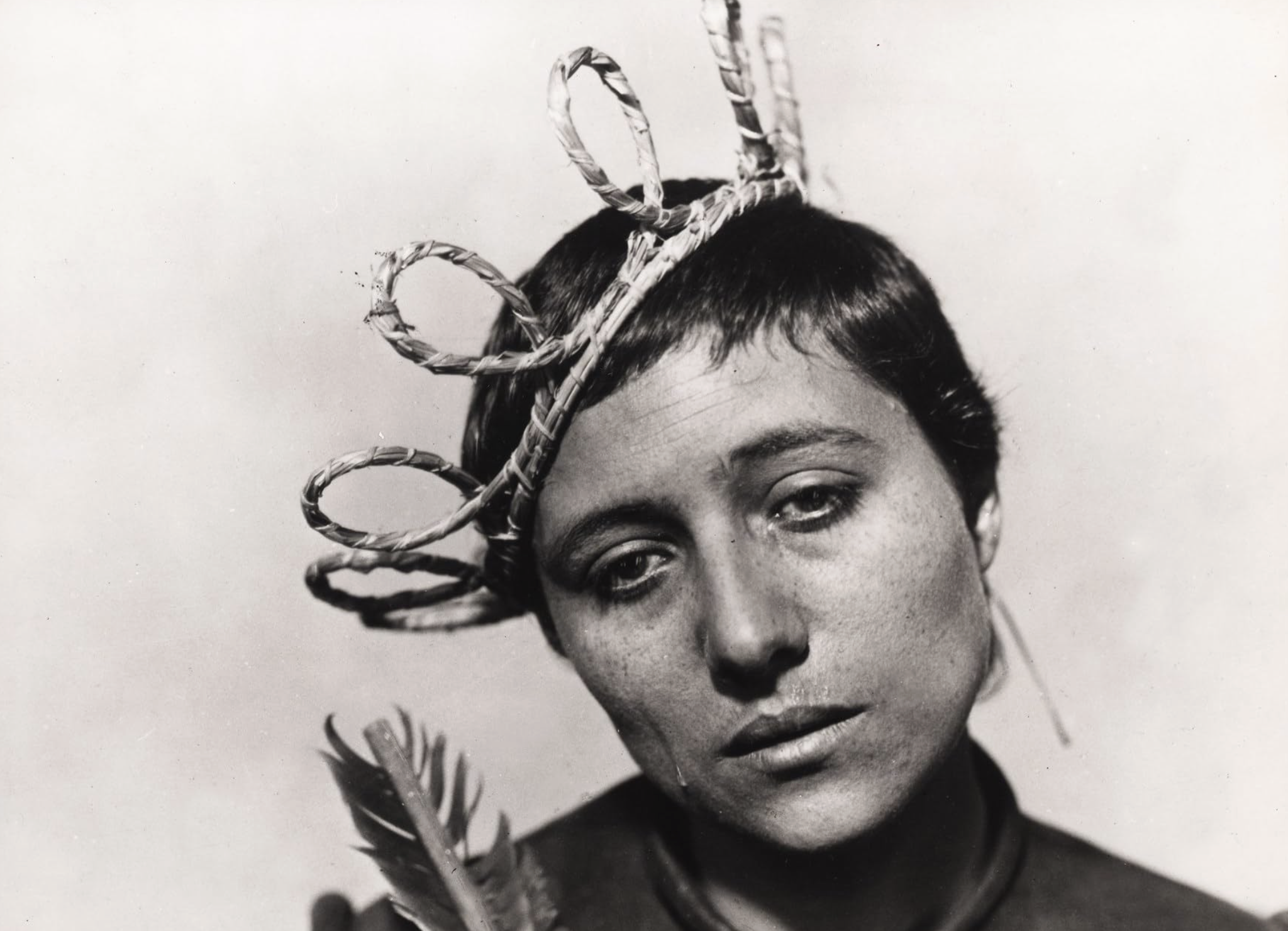
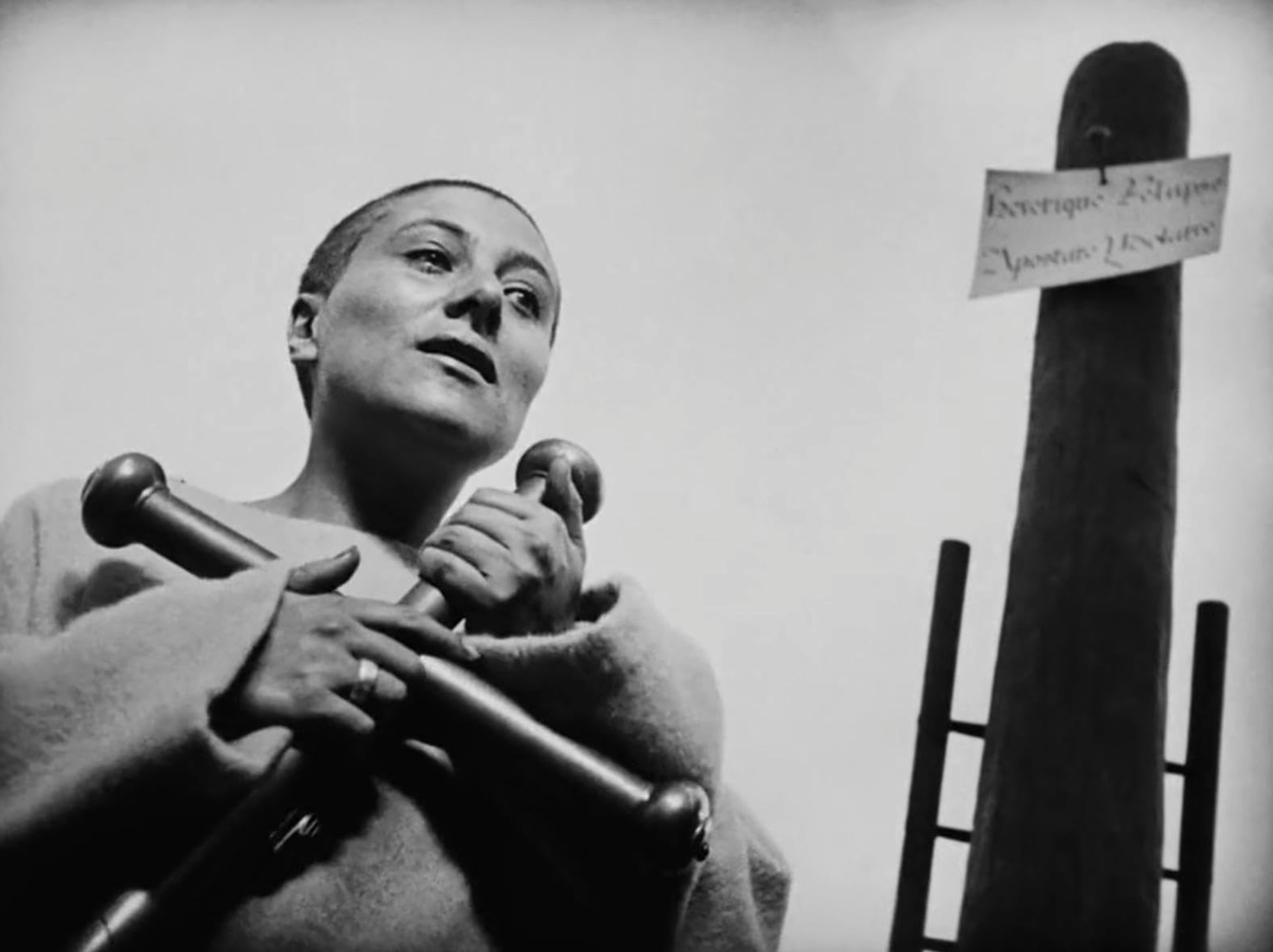
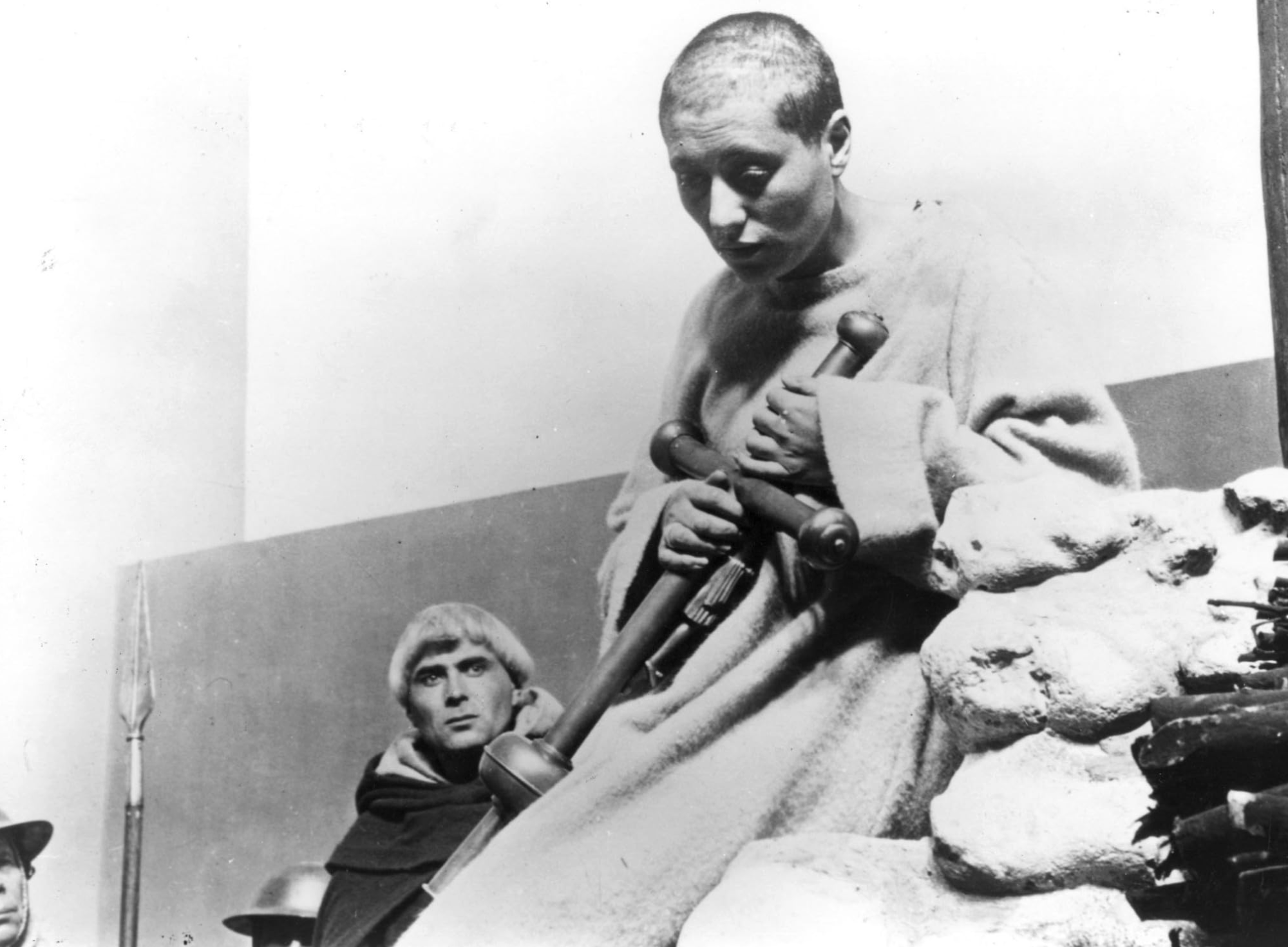
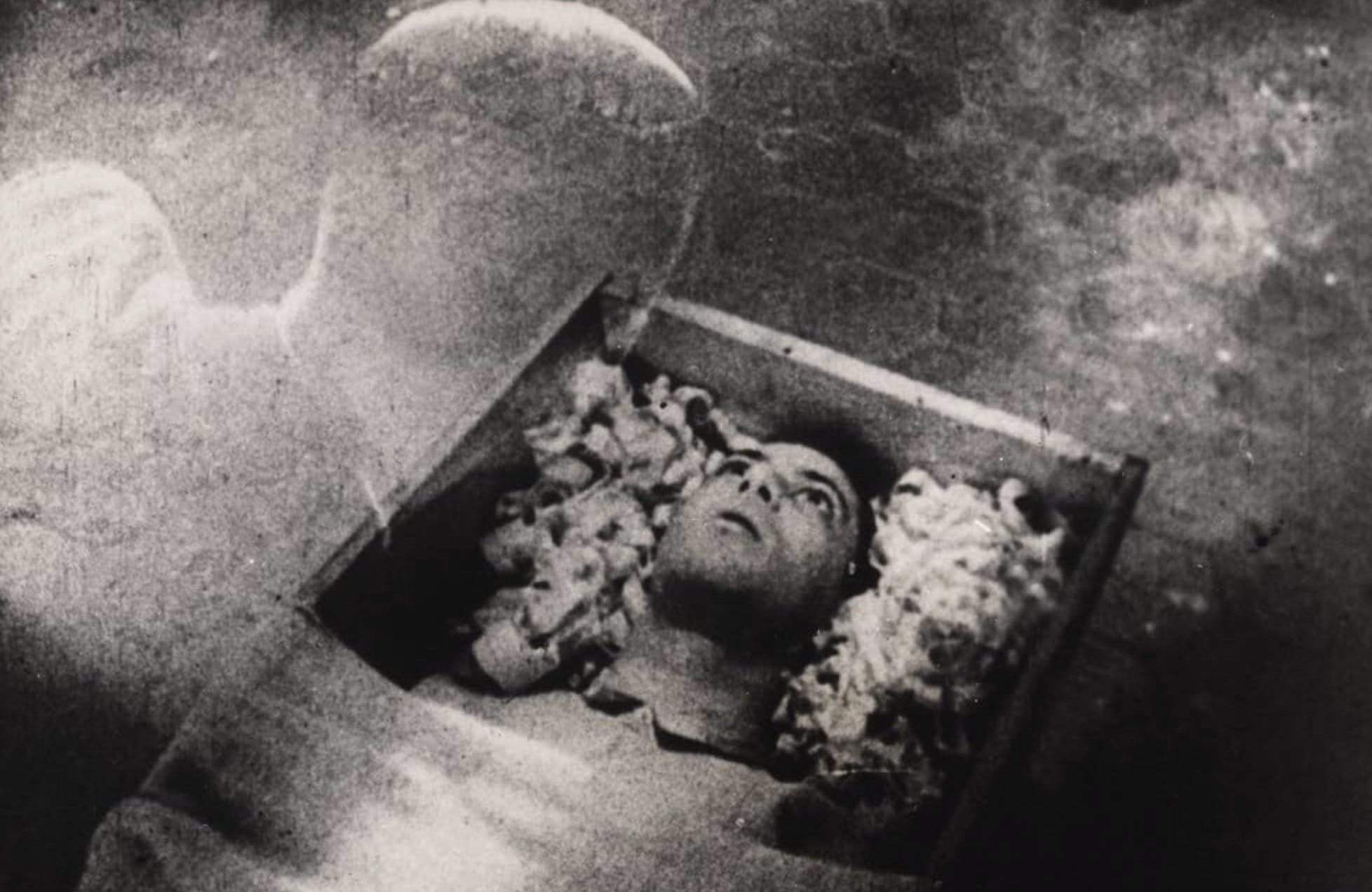
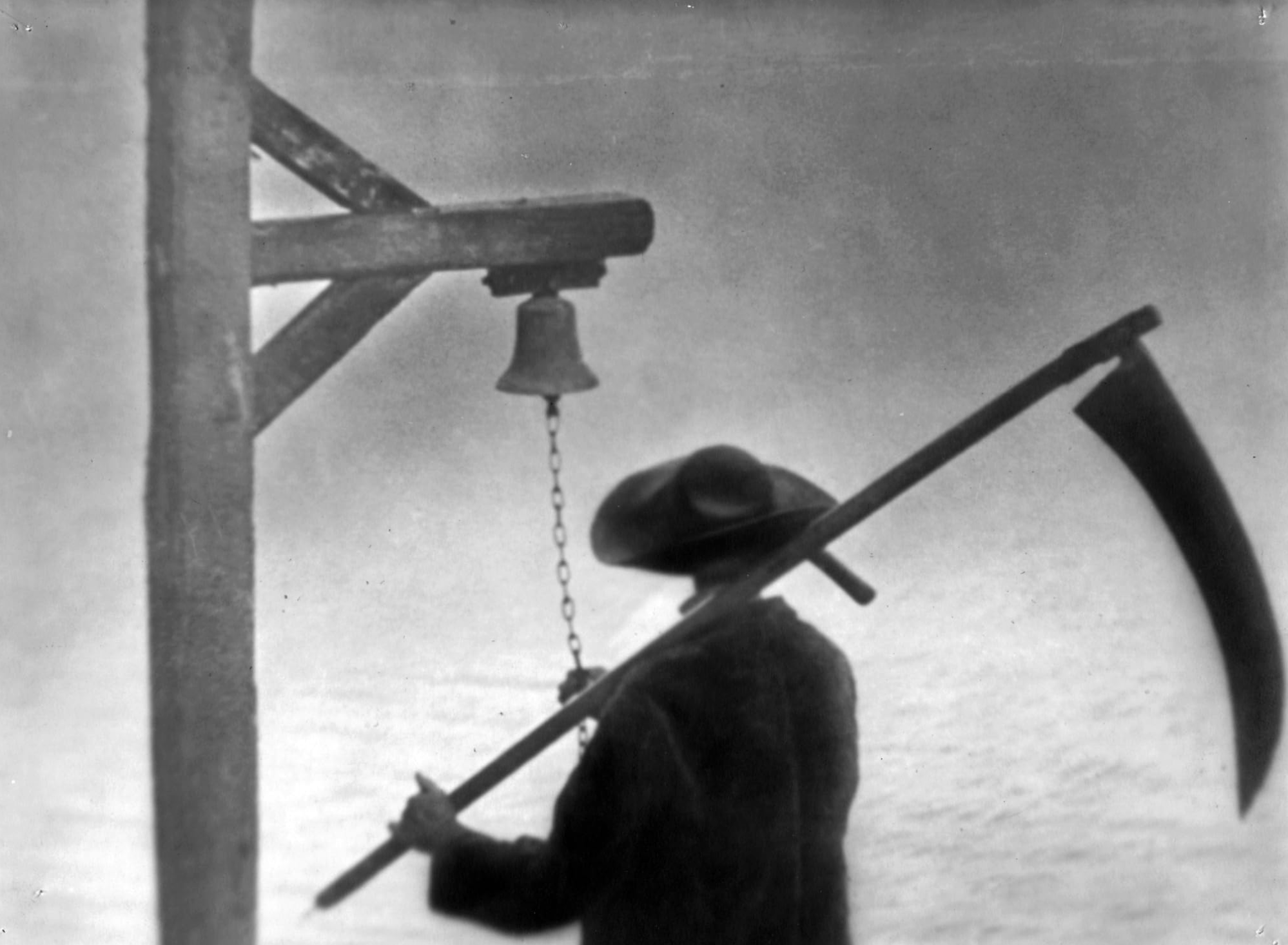
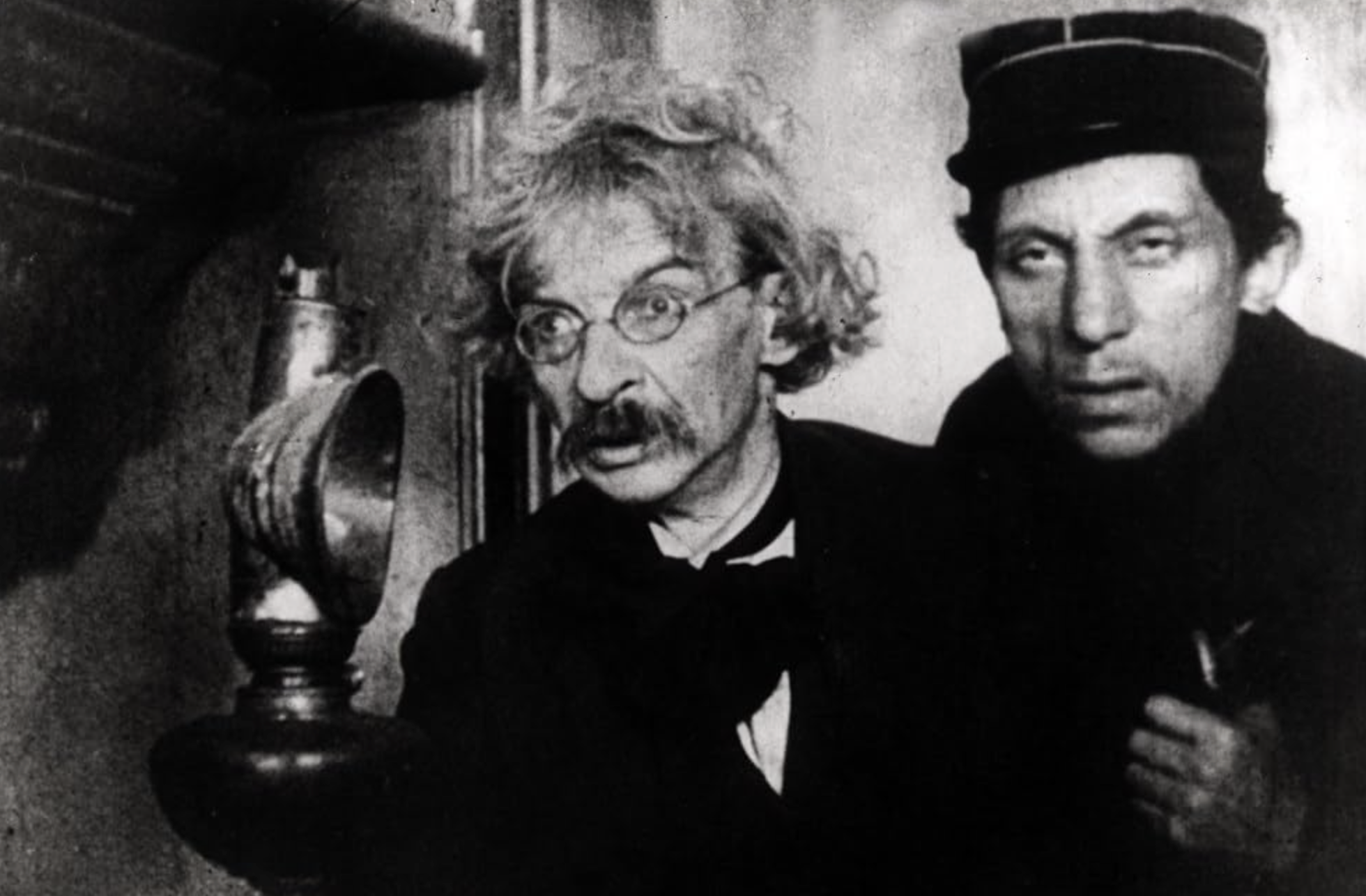
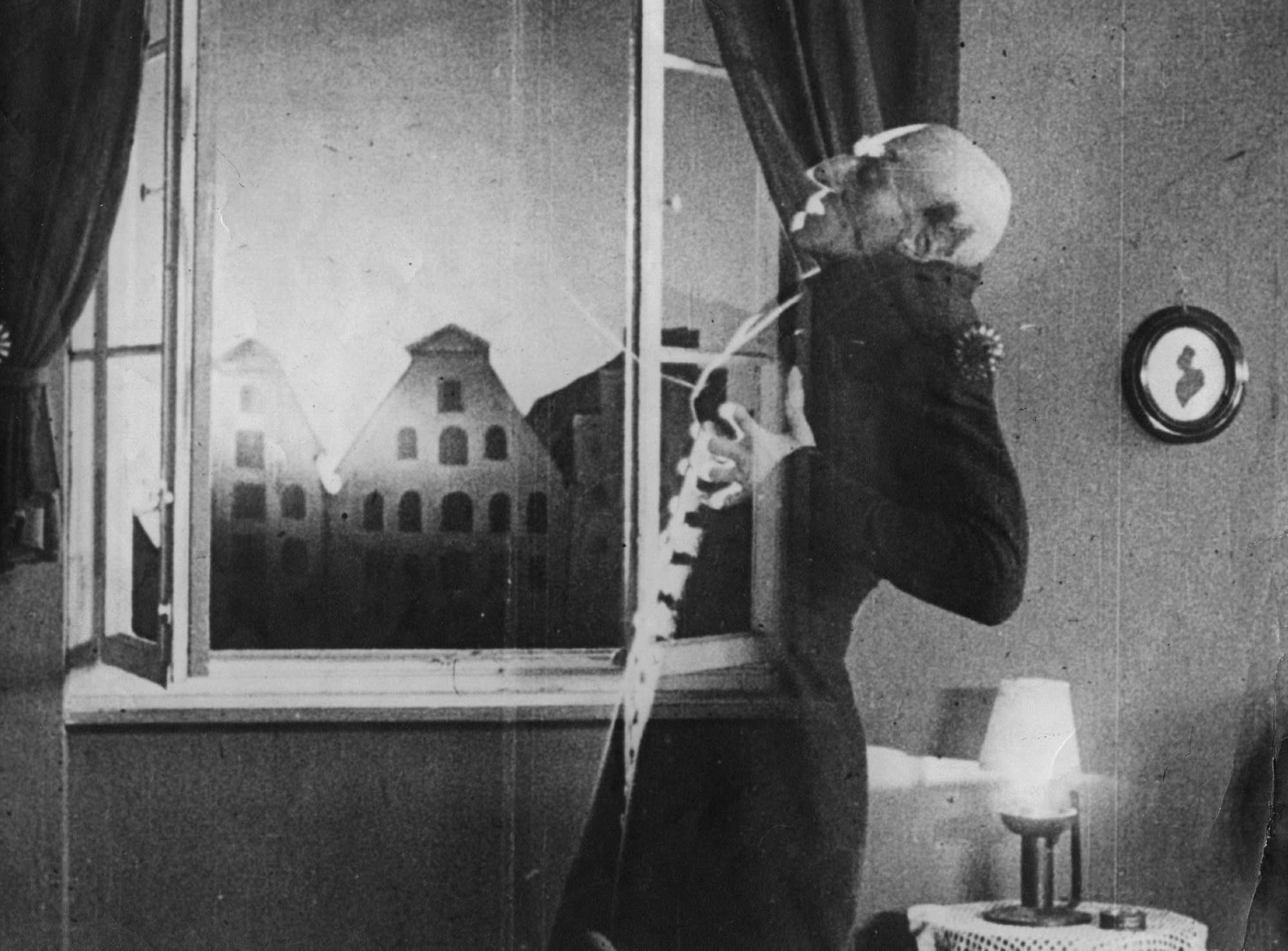
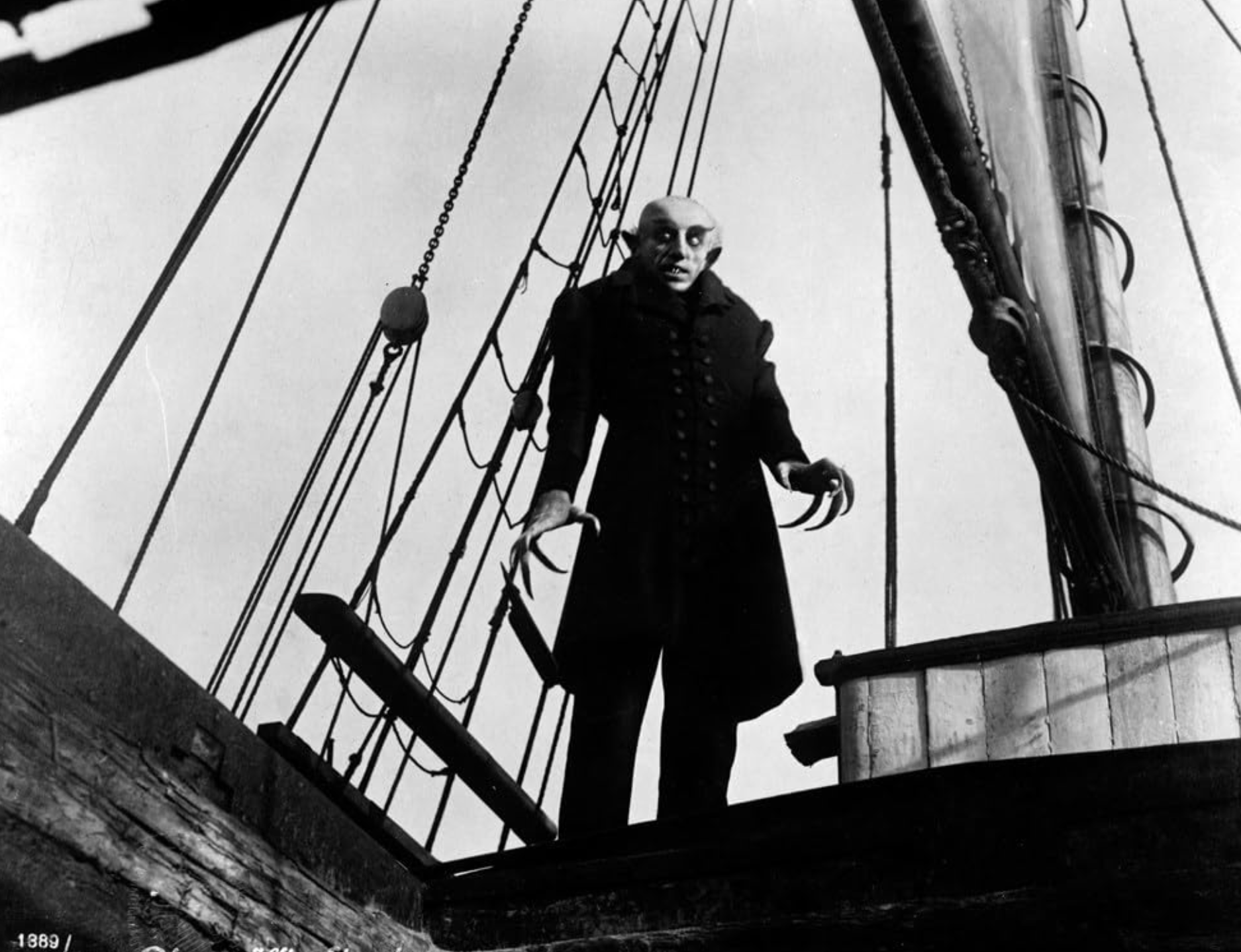
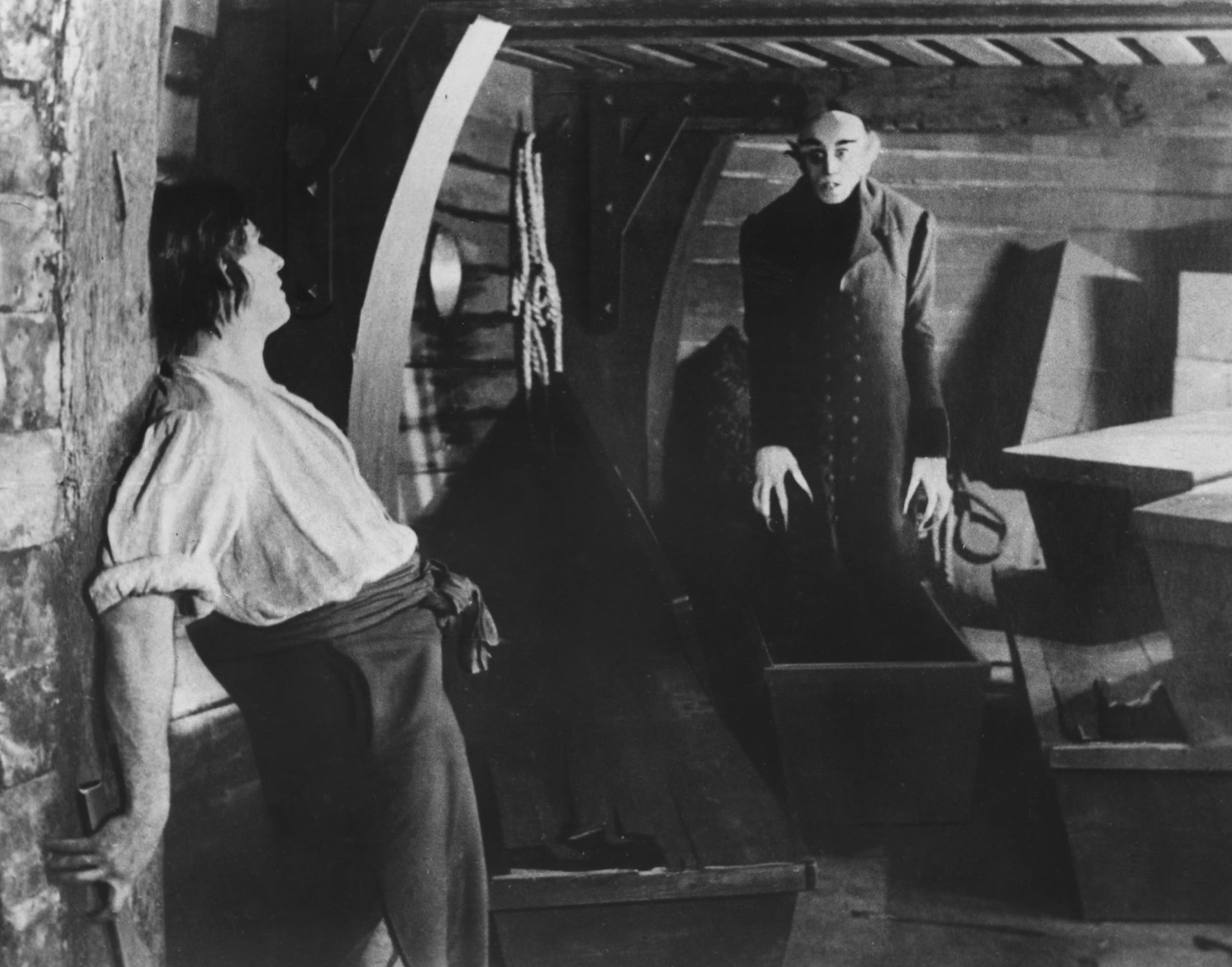
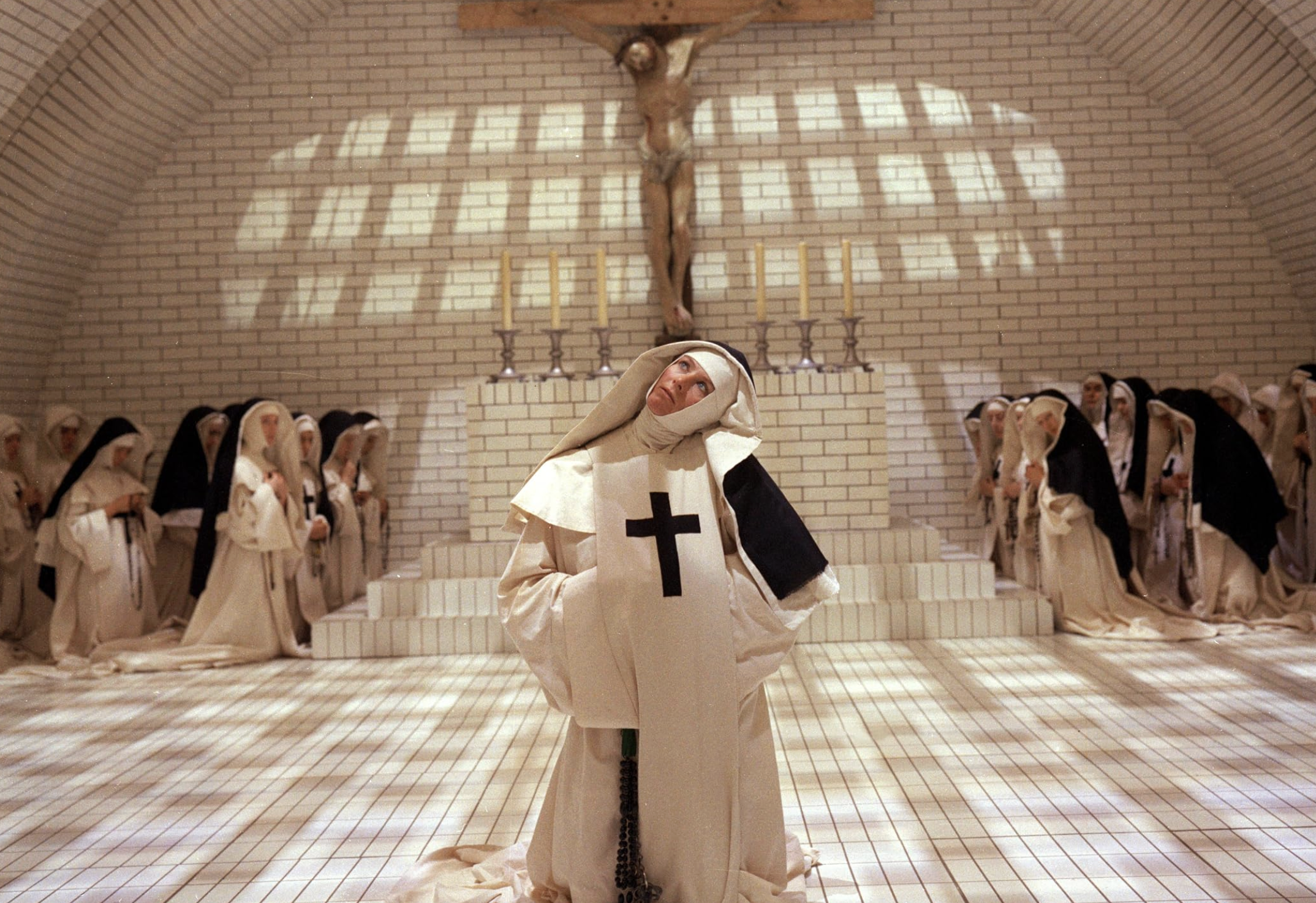
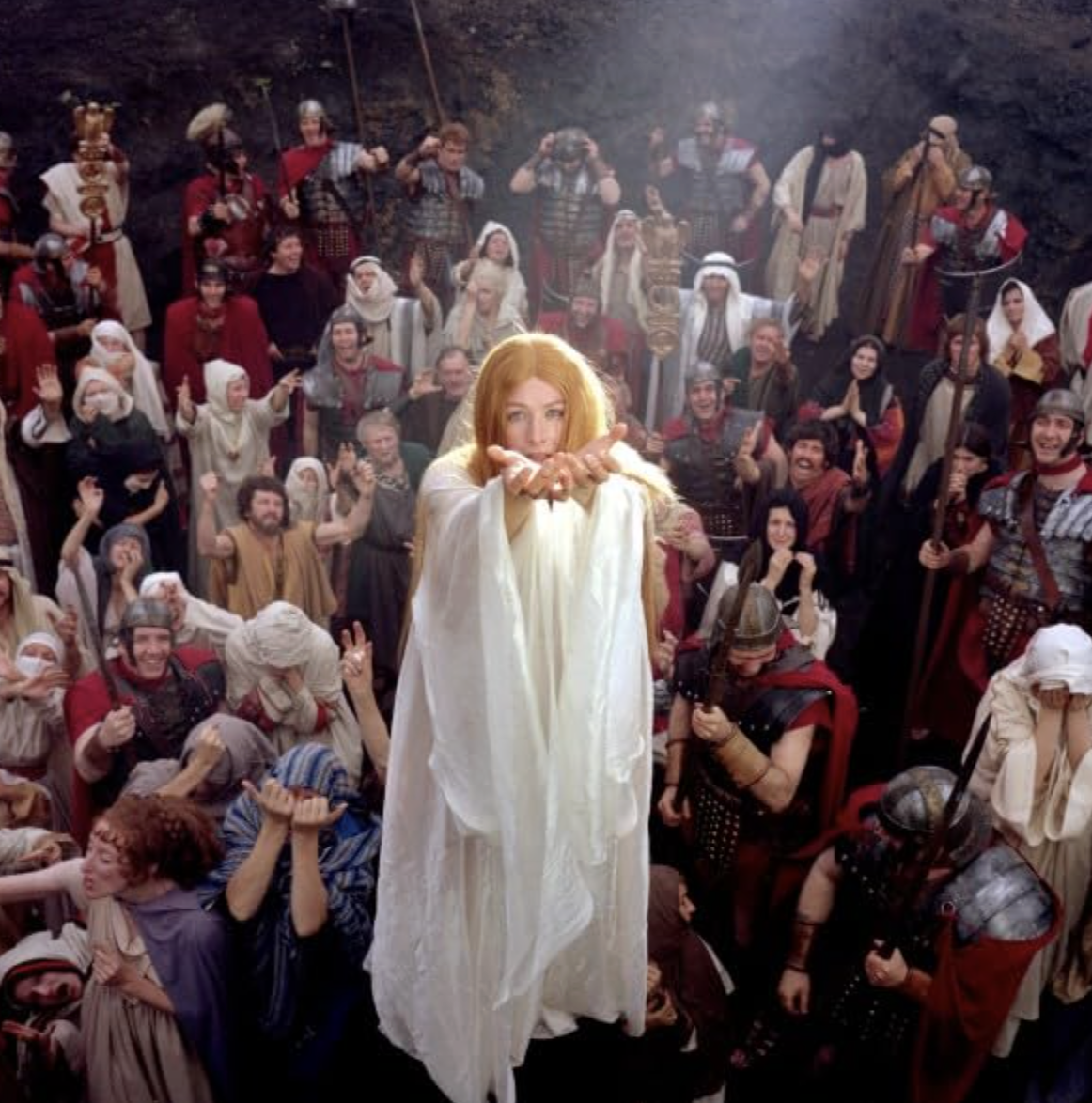
Photo Credits: IMDb
There is something especially energizing about the way Louise Bruun talks about creativity. Even with an expansive body of work behind her, she approaches each project as an active participant in what it might become. She stays close to the camera. She pays attention when the work begins moving in an unexpected direction and has the confidence to move with it.
That kind of creative instinct is fuelled by genuine curiosity and passion. Bruun studies the filmmakers who came before her and looks well beyond hair and makeup for inspiration. Fashion expands her visual vocabulary. Cinema sends her back into its archives. Even an old cemetery becomes somewhere to sit beside the grave of Carl Theodor Dreyer and reflect on an artist whose work helped shape her own cinematic DNA.
If there’s one thing we’re taking away, it’s to be open to approaching our own creative work from the front foot. Bring something to the table before anyone asks. Know the references that came before you well enough to honour them, then stay open to what another artist might see differently.
Bruun says the rush comes when everyone’s hard work finally converges on set and the pieces become one big painting. There is reverence in that description, both for the individual artist and for what becomes possible when creative people truly inspire one another.
Master your craft. Remain a student of it. And when the camera starts rolling, stay close enough to the magic to help shape what comes next.
Follow Louise Bruun on Instagram to keep up with her latest work and see where her creative instincts take her next. Check out Her Private Hell if you’ve not seen it already, and subscribe below to receive our free monthly digital issue, where conversations like this continue to unfold.