On the Hunt With Chloe Hurst: Black Blooms & Botanicals
@theg0thgarden shares how to source and grow a garden with a gothic aesthetic at home
By: The Lace Ledger

Photo Credit: TJ Overton featuring Chloe Hurst
Chloe Hurst’s garden has the kind of effect that stops you in your tracks; it’s absolutely incredible. The sheer volume of dark blooms, unusual foliage and inky texture feels almost unreal, as though someone brought to life gothic daydream and planted it at full scale.
It’s truly gorgeous. Exceptional, really. For a novice gardener, it is also slightly intimidating. The first reaction is admiration, closely followed by the suspicion that a garden like this belongs to someone with more time, more knowledge and a greenhouse full of secrets.
Chloe is refreshingly practical on that front. Below, she graciously breaks the process down step by step, walking us through bringing to life a goth garden of our own from planning the space, which plants make the best starting point, where to shop and even what fertilizer to reach for once things begin to grow.
So, we asked Chloe to start at the beginning.

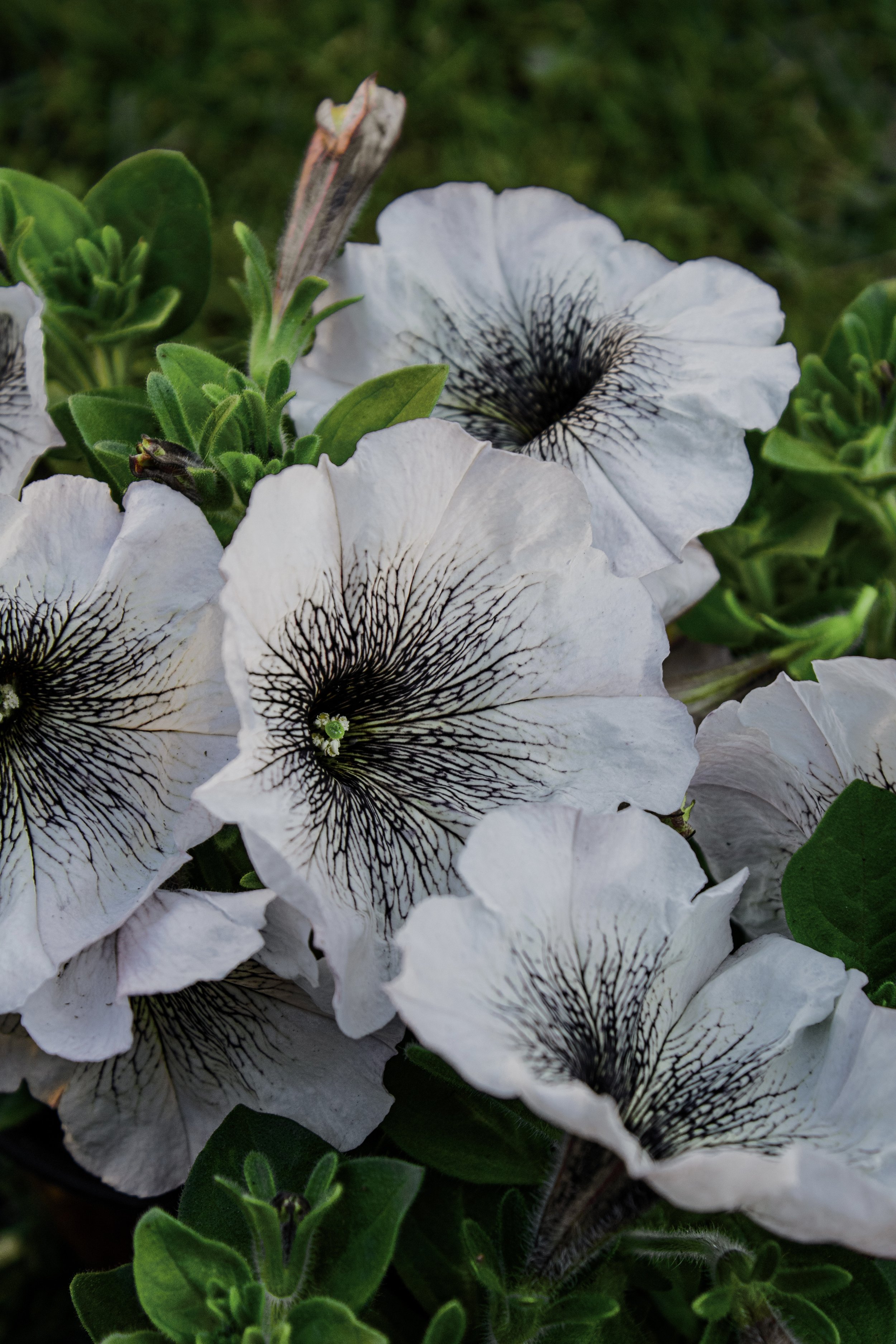
Pure Black Petunias, image courtesy of Chloe Hurst
1. You’ve shared that your love of gardening started early while spending time in the garden with your mum, and that the gothic aesthetic has always been part of your visual world. What first sparked the idea to bring those two passions together and create something your goth garden?
It really came natural as a goth kid with a passion for florals. I was (and still am) heavily inspired by all things gothic, morbid and romantic. Visually, those images come from inspirations like Victorian gardens and floral arrangements, The Addams Family, grand architecture and statues, deadly poisons and LOTS of texture and layering. I always knew I wanted my garden to not only look dark, but to feel dark.
Admittedly, I had no idea that dark plants existed until I bought my first home and was creating a garden of my own. A high school friend had opened a garden centre in town and she promptly alerted me of some pure black petunias that she had in stock. I think, in that moment, my heart stopped and an entire new world opened up to me.
From there, I noticed more and more dark plants hidden amongst the hues of different colours, and from that point on, I decided it would be my life mission to buy every single dark plant I could get my hands on.
My collection has grown from five plants, to now over a hundred different dark varieties across an eight-year timespan, resulting in the creation of “The Goth Garden.”
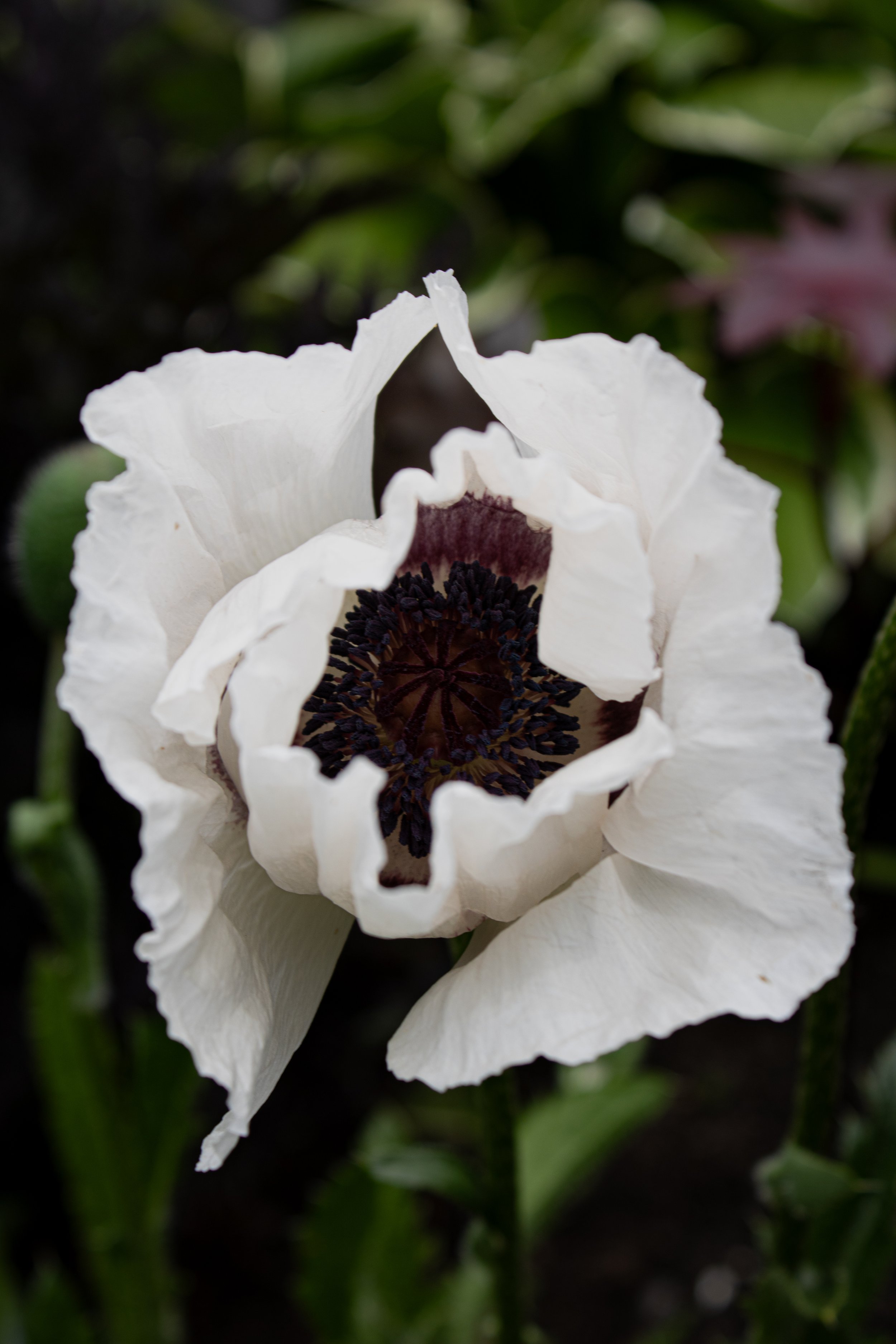
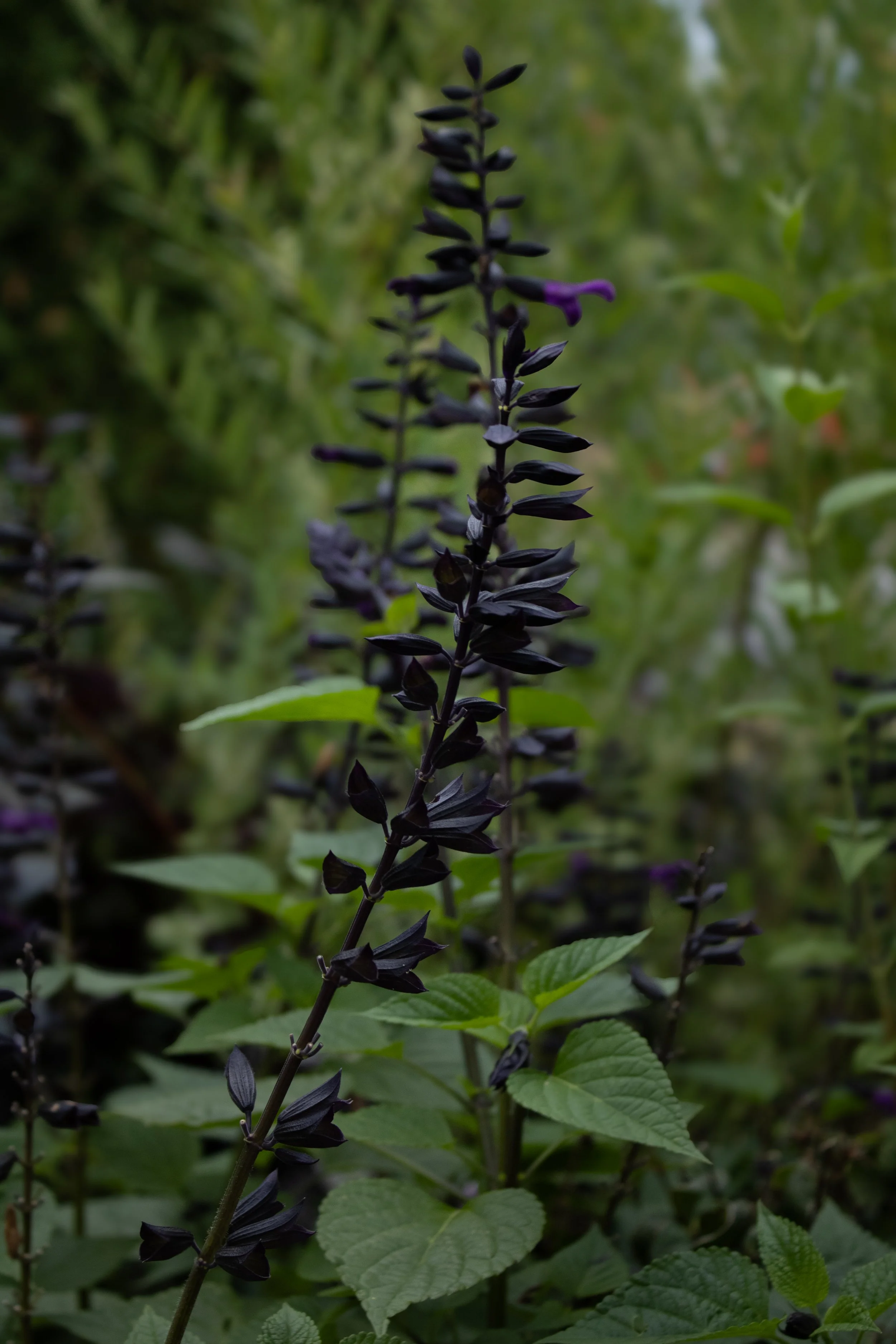
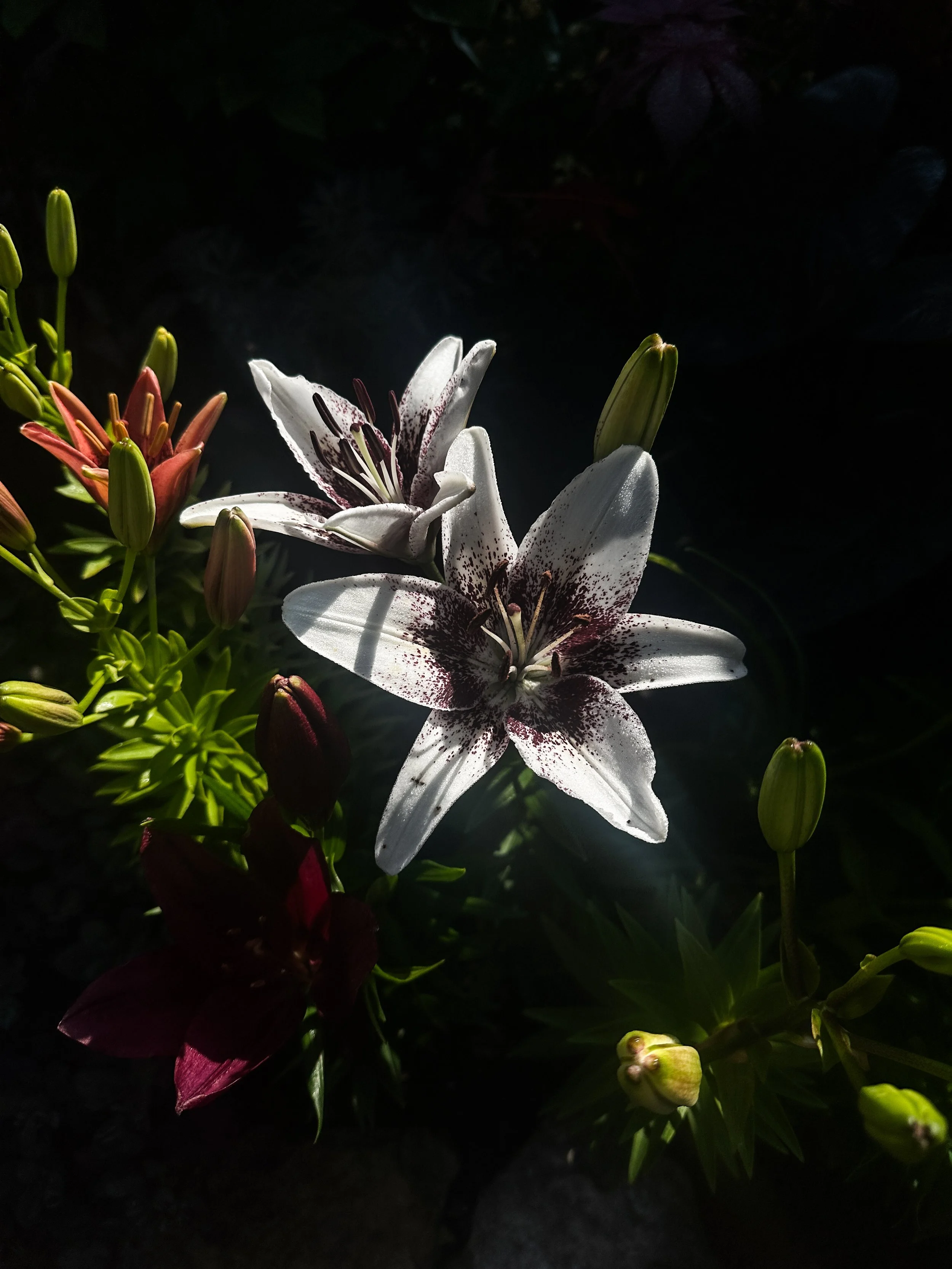
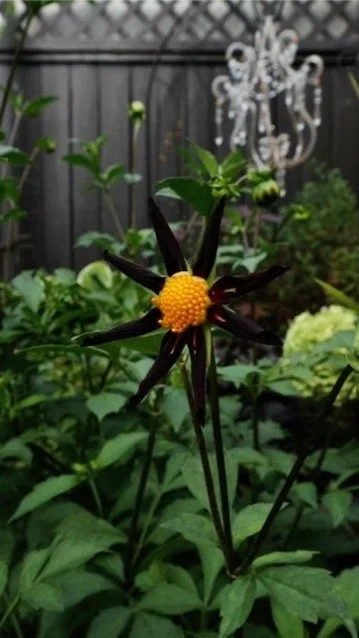
2. For someone who loves the idea of growing their own goth garden but isn’t quite sure where to start, how would you recommend approaching the process from the beginning? What are the first creative decisions that shape the mood of an aesthetic space, starting (literally) from the ground up?
Creating a garden in general (gothic or colourful) always feels very daunting, as it unlocks entirely new skills across landscaping, design and plant care. My advice for new gardeners is to first gather inspiration from magazines, books or garden influencers to see how they create different shapes and flows for their gardens or balconies. Having a clear foundation and dedicated area will make the next phase of gardening (shopping) a little easier to play with regarding space.
With any themed garden, curating very specific tones takes SO much time. I strongly recommend frequent visits to your local garden centres to not only support local businesses, but to also buy plants that you know will be successful in your growing zone. It is SUPER important to be patient with this process, as there is never a “one-stop-shop” for dark plants. I personally find the “hunt” to be my favourite part of the process because it is extremely exciting to finally snatch up a dark plant.
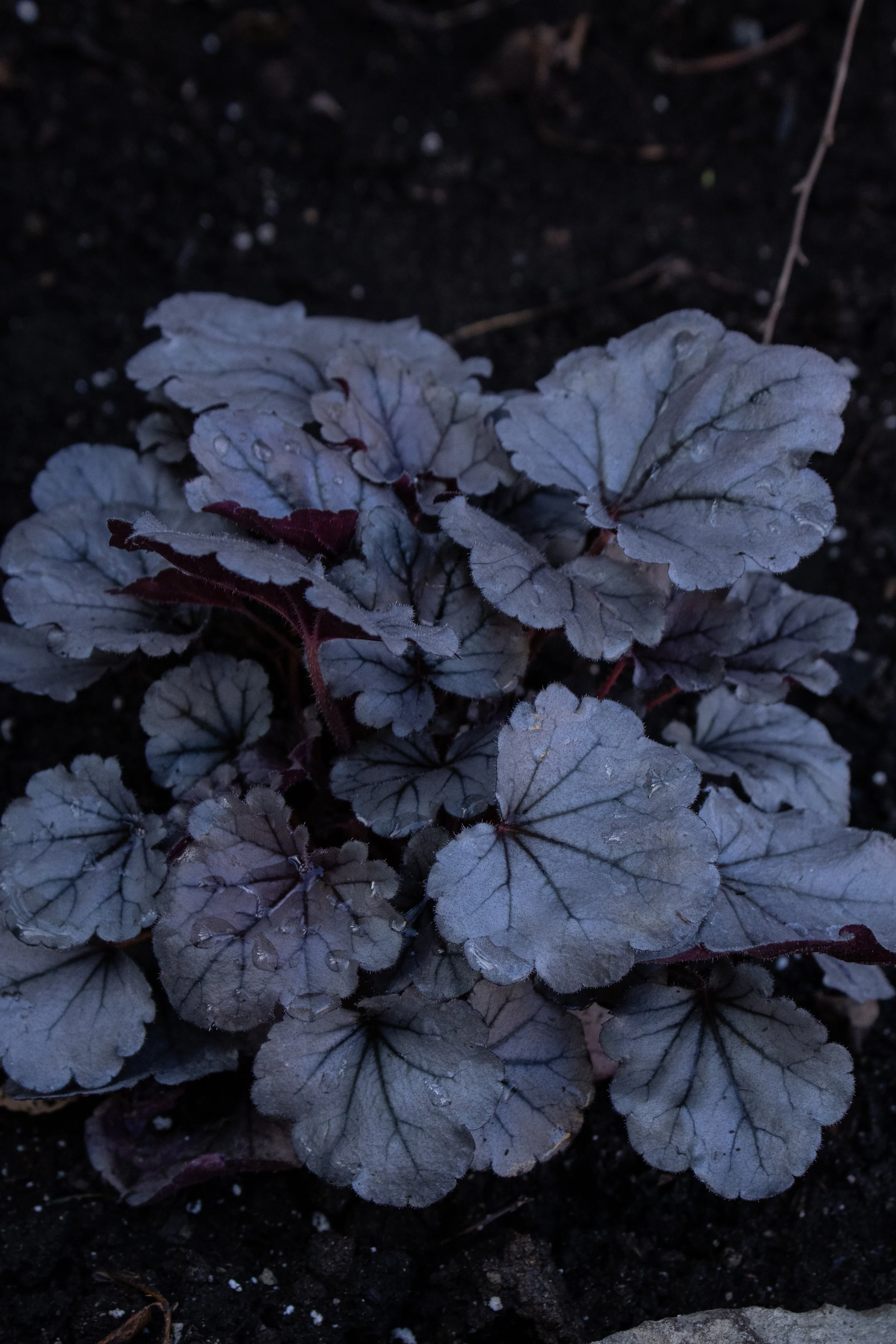
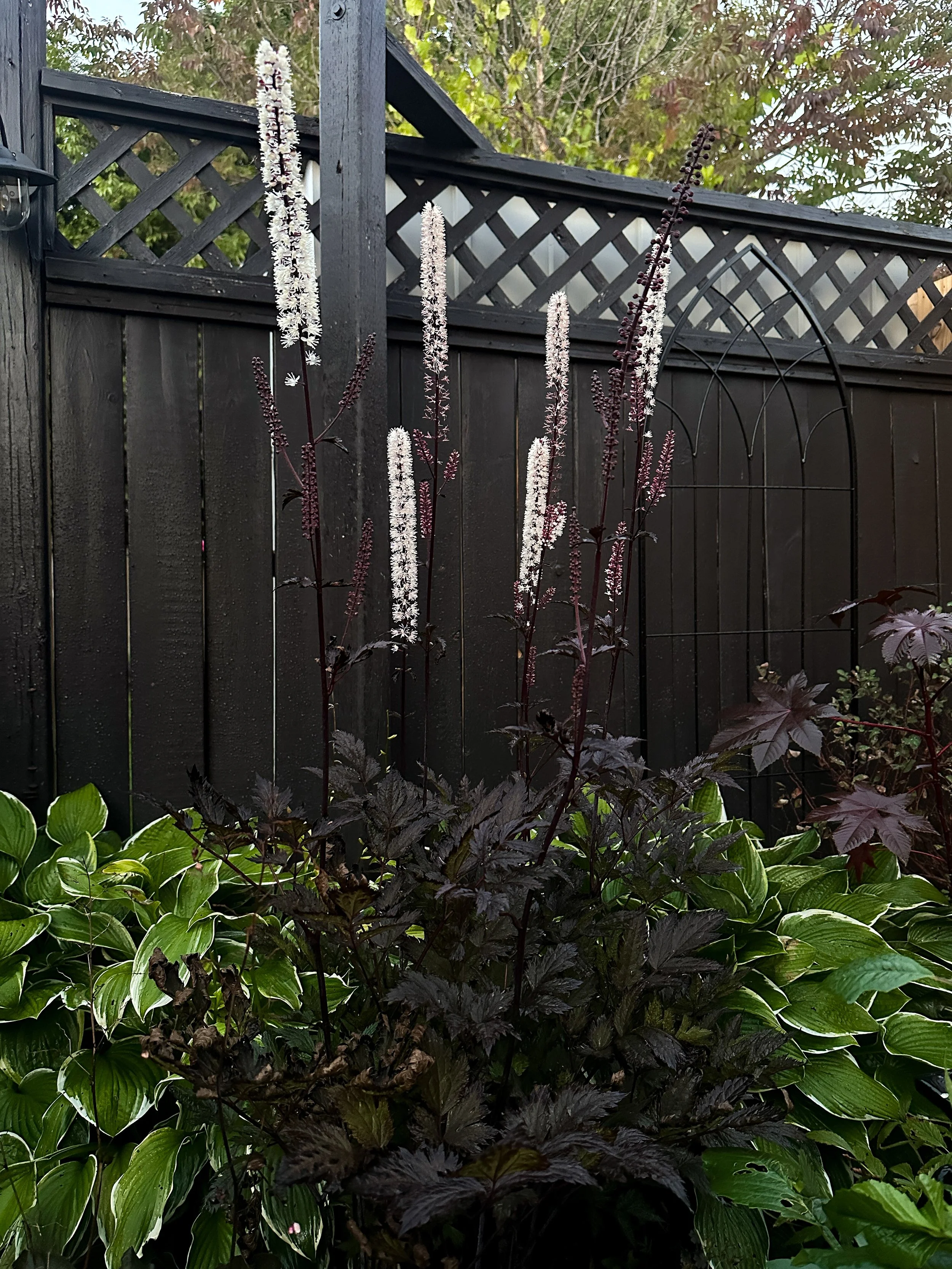
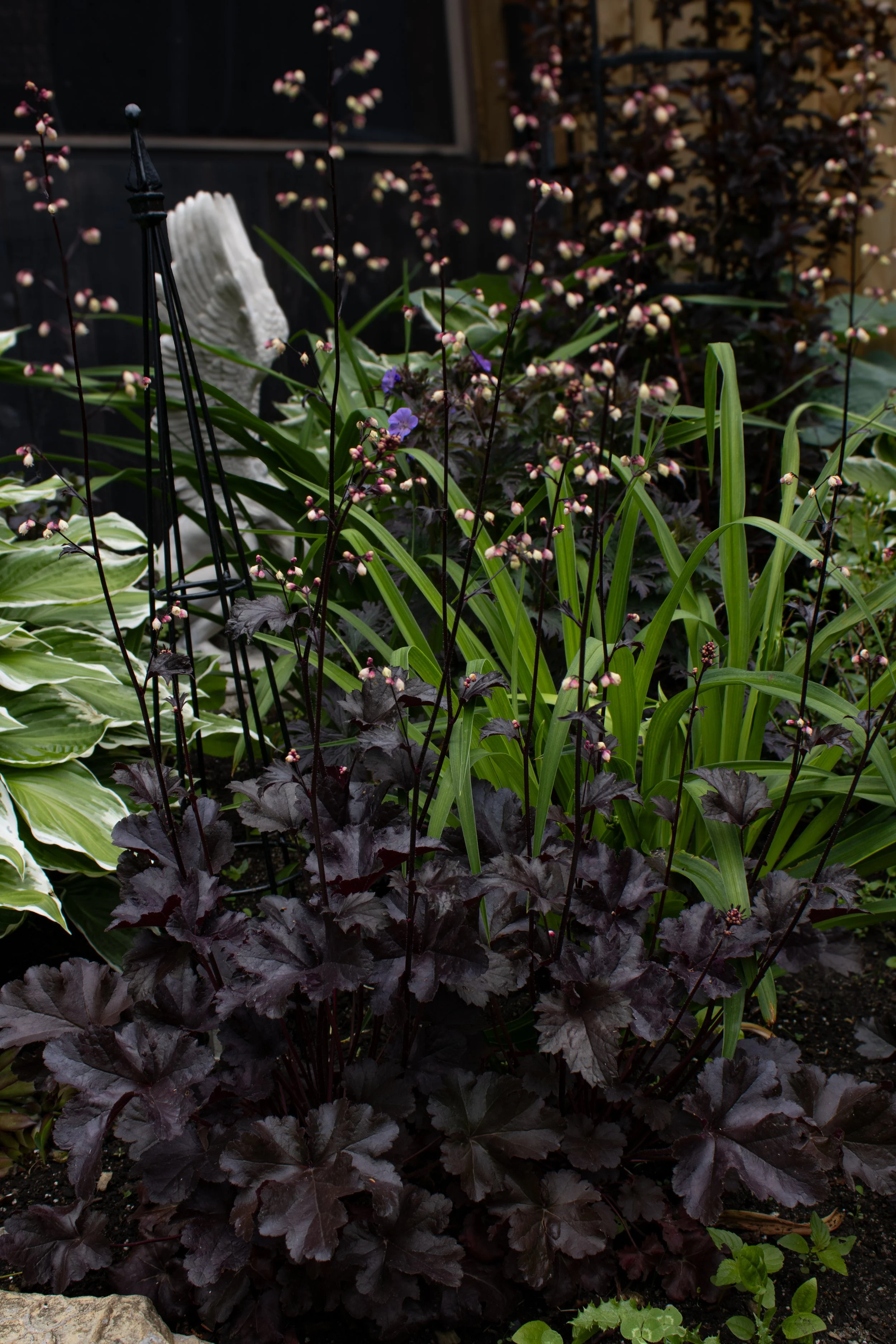
In between hunting for dark plants, I’m also a very strong advocate for buying lighter plants as well! Sometimes when there is too much darkness in one area, the plants will lose their focus, so adding in more greenery between each plant will help break up the area more. For spooky light plants, I recommend “Indian Summer Silverberry” Heucheras (perennial zones 4-9), “Crazytunia B&W” Petunias (annual zones 9-11), “Royal Wedding” Poppy (perennial zones 3-11) and “Netty’s Pride” Lily (perennial zones 3-9).
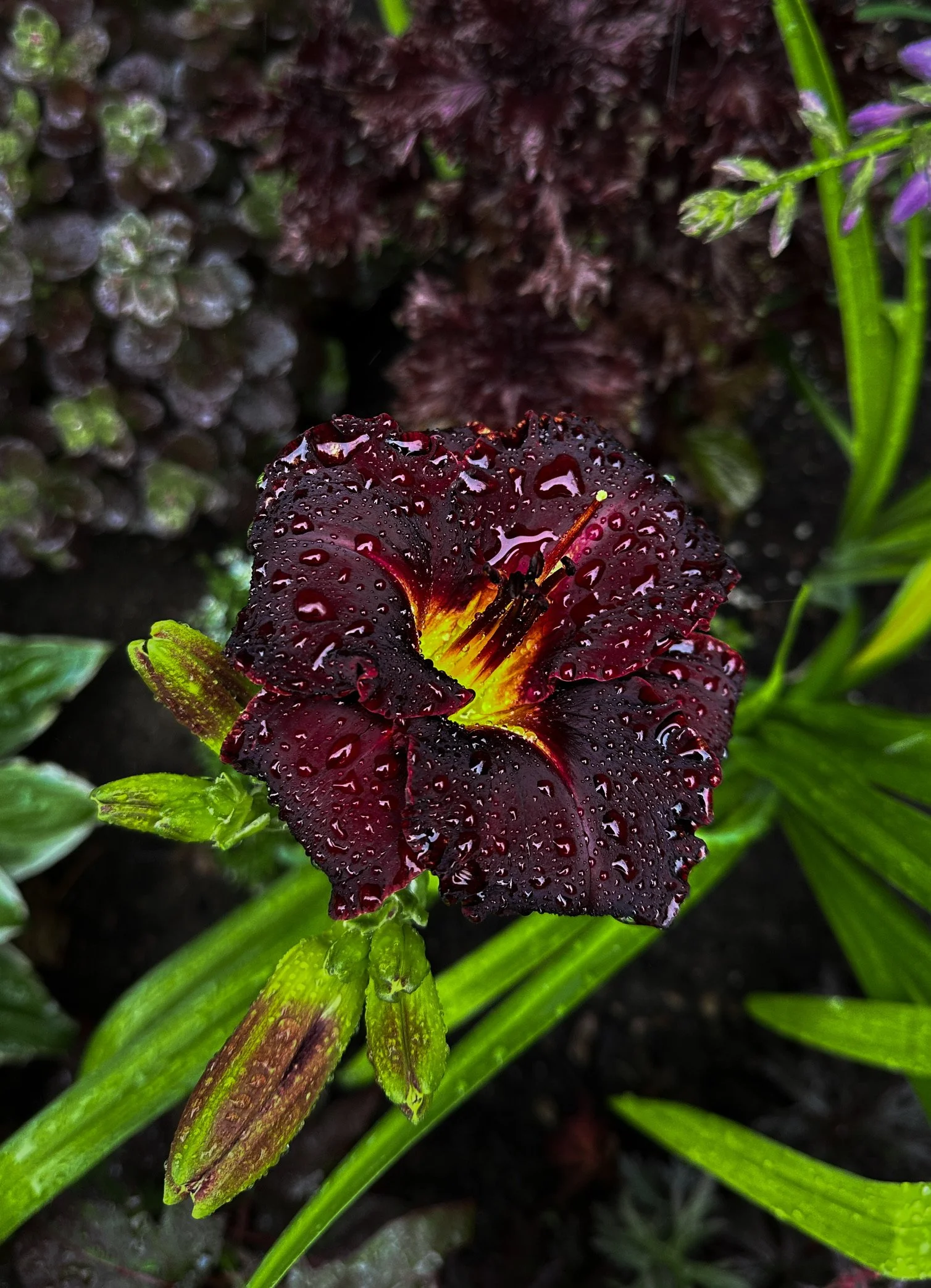
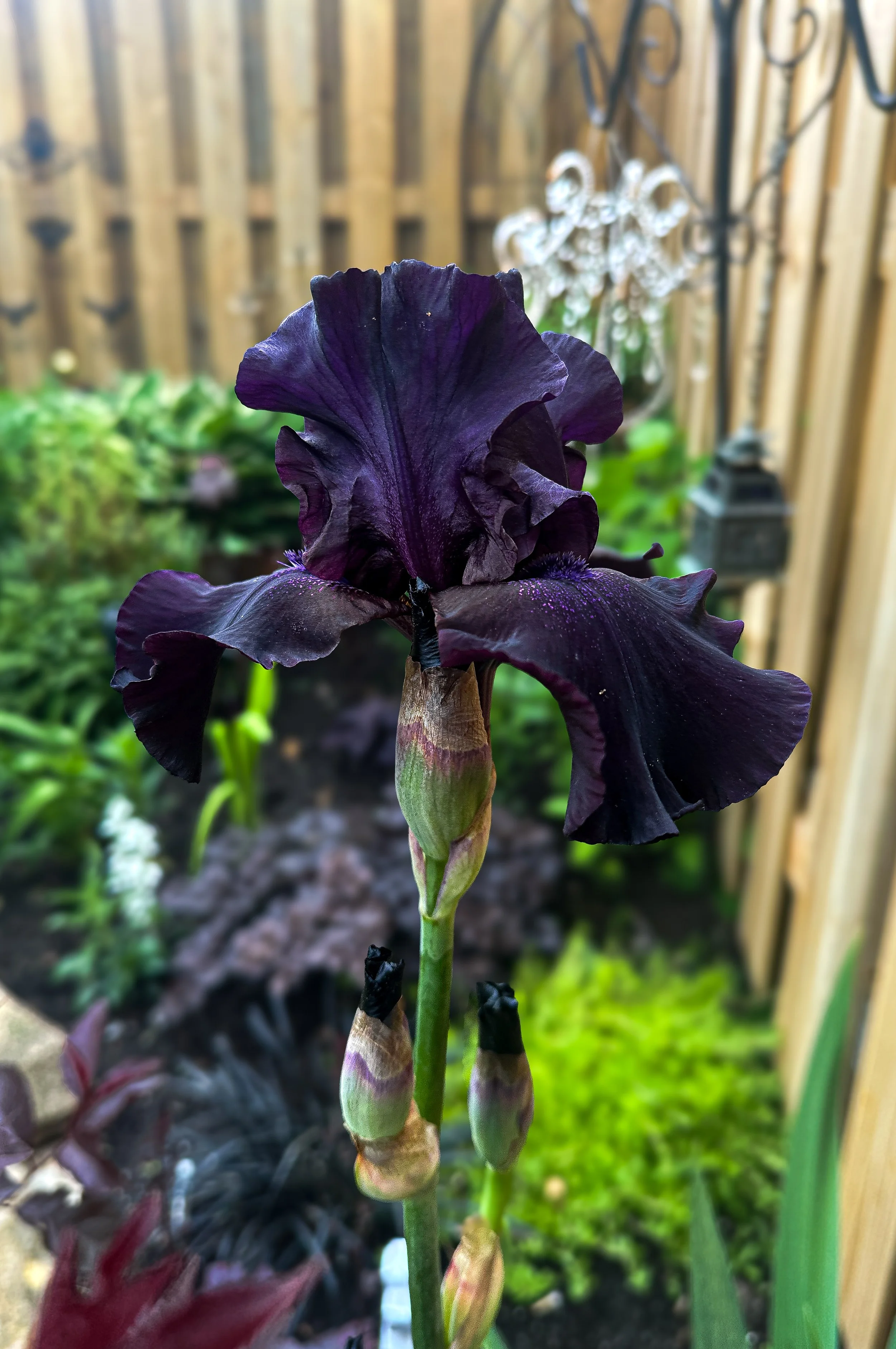
For plants that have majority green foliage with dark blooms, I can recommend Suited Black Iris (perennial zones 3-8), “Rockin Deep Purple” Salvia (annual zones 9-11), “Veronne’s Obsidian” Dahlia (annual zones 8-11”) and “Black Magic” Daylily (perennials zones 3-9).
Garden decor can also make a huge difference in the overall vibe of your garden. Look for unique statues of weeping angels, fountains, pedestals, or gothic trellises. You can also get crafty too, for I had a VERY cheap and broken chandelier that couldn’t be fixed, so I stripped the wiring and now have it hanging in my garden as decor.
3. When someone walks into an average local garden centre, which plants would you consider the easiest starting point for building a goth garden at home?
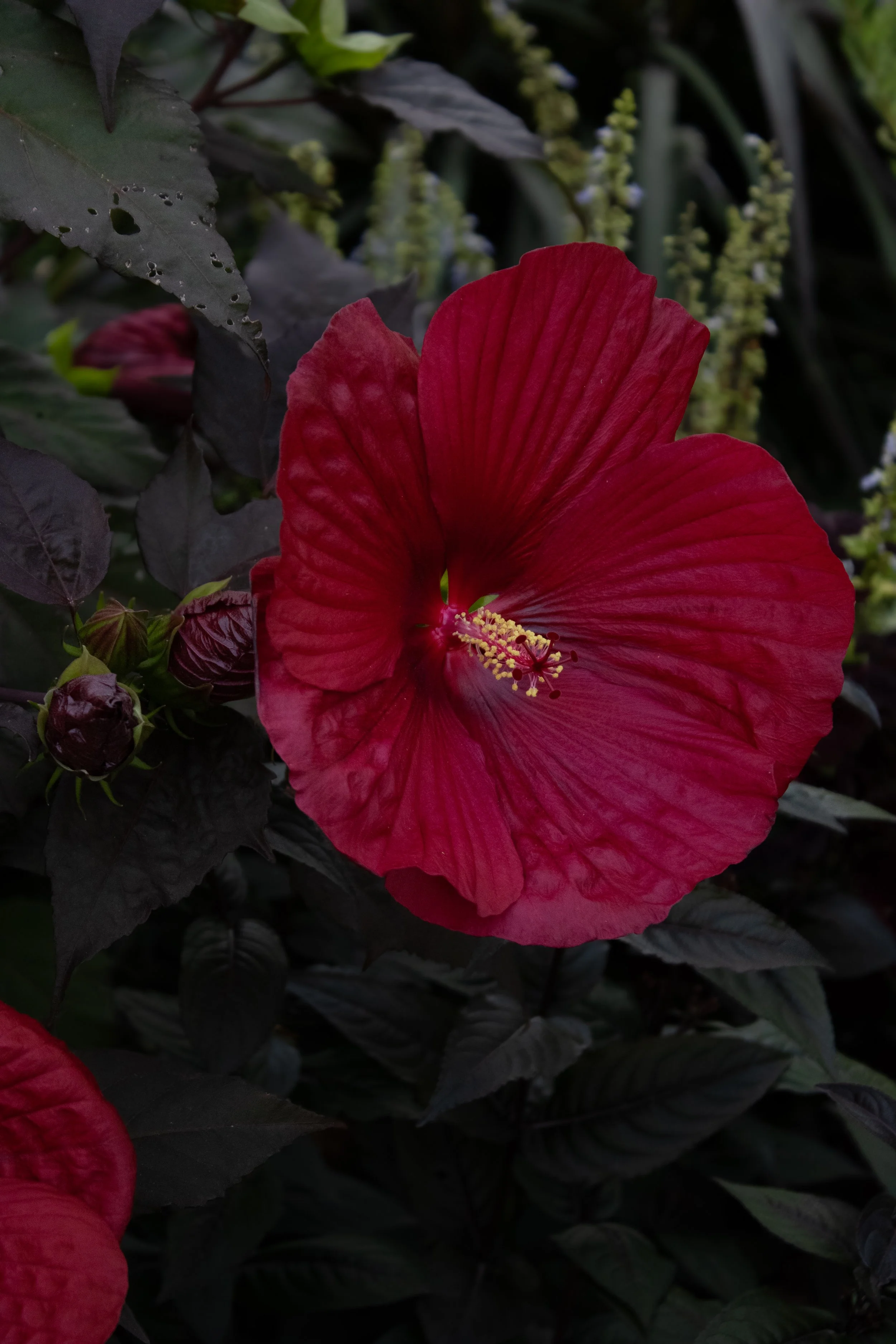
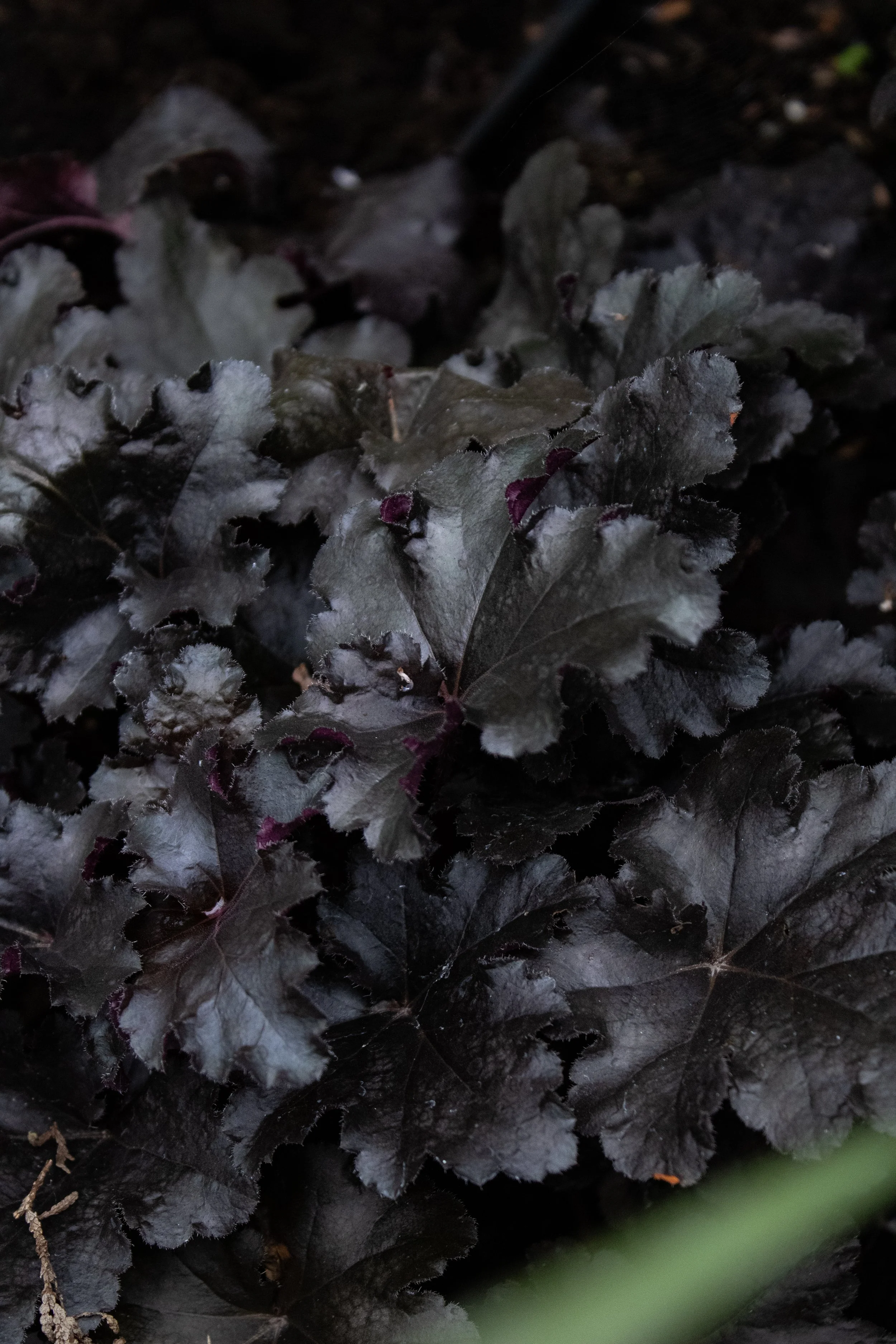
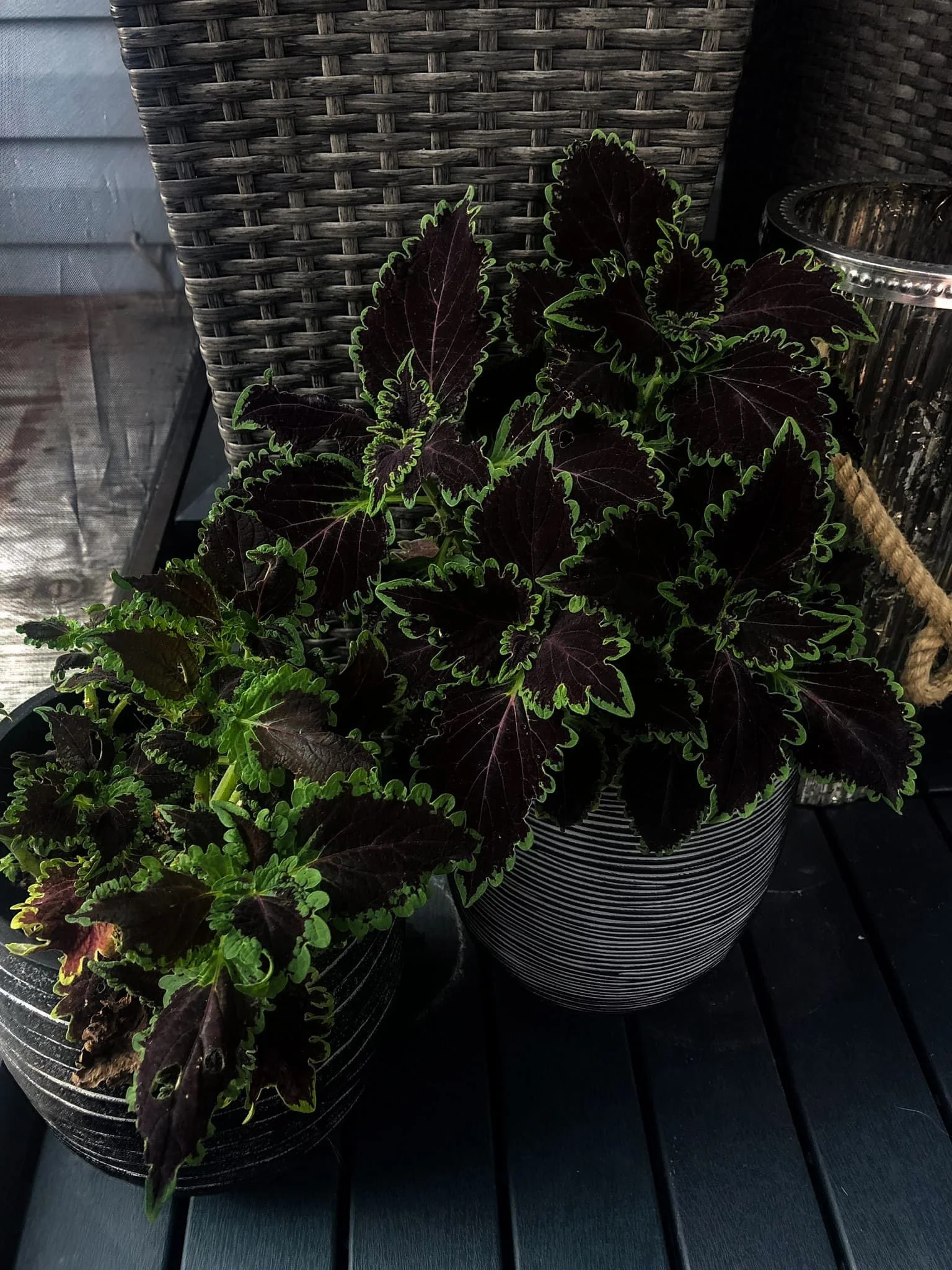
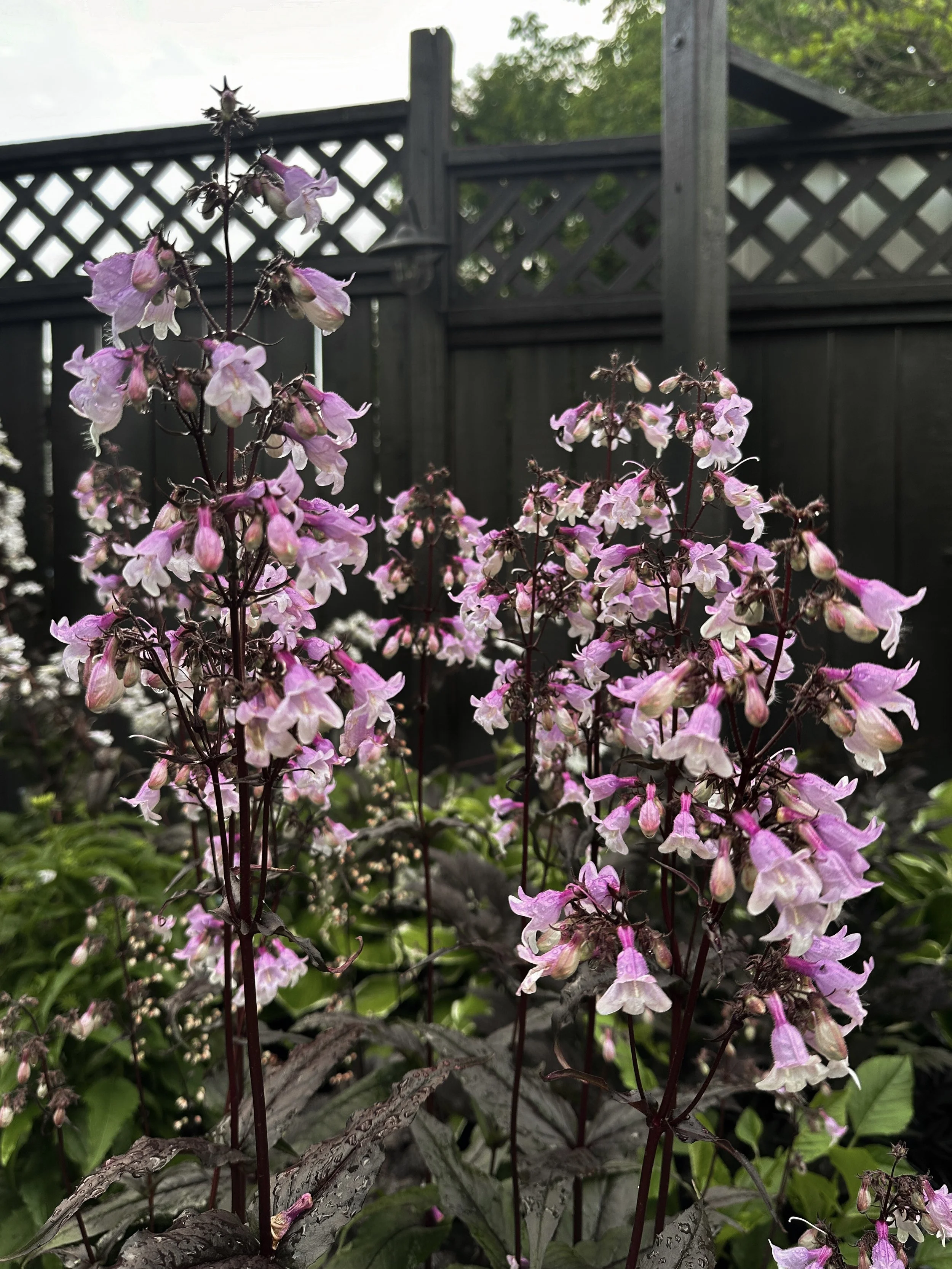
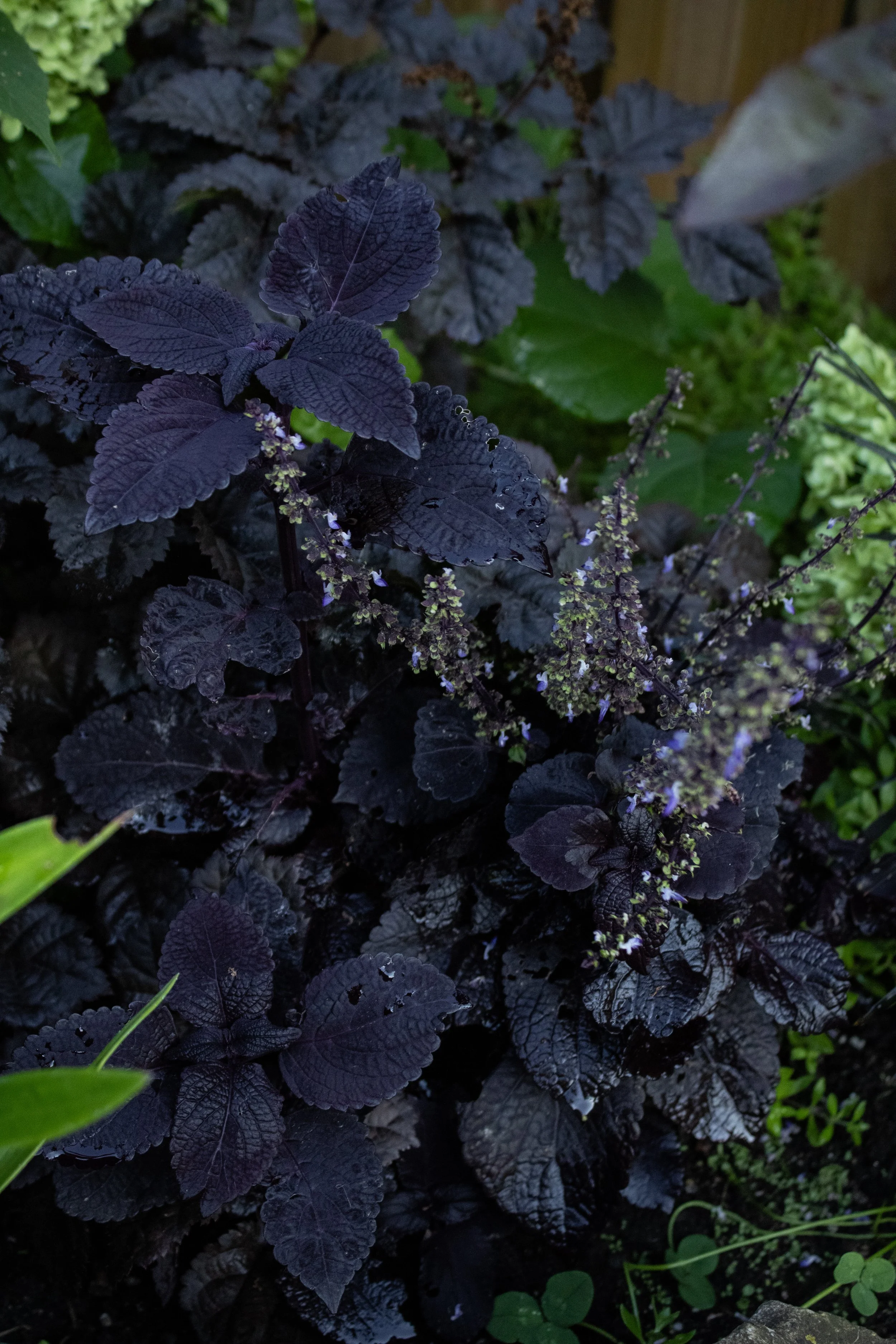
Like I mentioned earlier, the hunt can be very time consuming, but the most common plants to look out for in garden centres are often ones people don’t consider “goth.” I live in Ontario, Canada, and the most common dark plants that you will see in garden centres for perennials are Black Beauty Snakeroots, Dark Penstemons, Midnight Marvel Hibiscus and loads of Heucheras (Black Pearl, Obsidian).
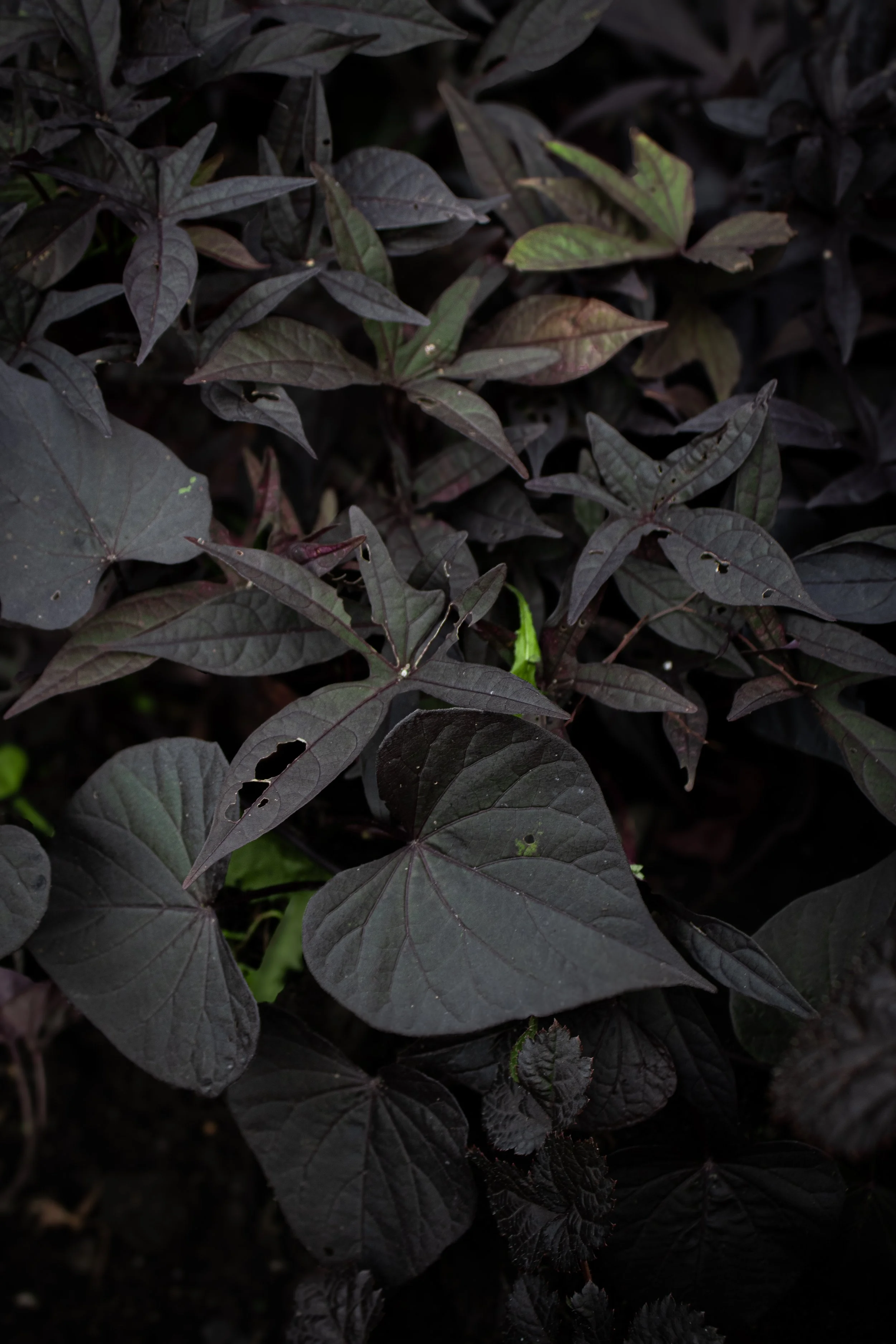
For annuals, keep an eye out for black ipomoeas, black petunias and coleus (Dark Star and Wicked Witch are very dark).
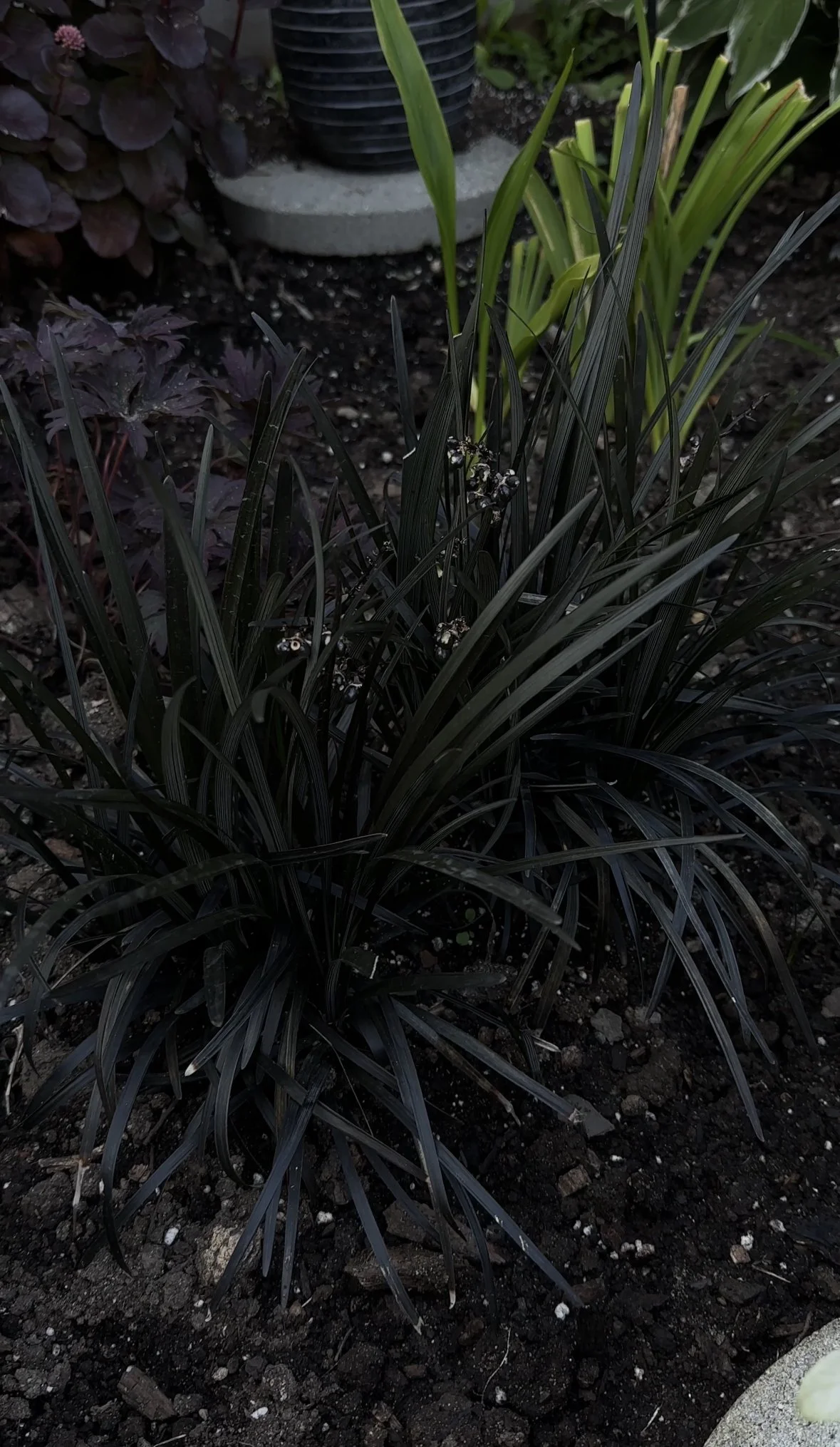
Black Mondo Grass, image courtesy of Chloe Hurst
4. On the other end of the spectrum, are there any more unusual or exotic plants or flowers that feel like a true splurge when you finally add them to a goth garden?
Perennials always tend to be more expensive as their whole purpose is to basically survive until you kill them sort of thing ha! One plant that is VERY expensive but totally worth having in your garden is Black Mondo Grass. They’re hard to find in Ontario, but if you do find them, BUY THEM, because that will probably be the last you will see in a few years. I managed to buy four of them six years ago and they were $65 each. Big ouch.
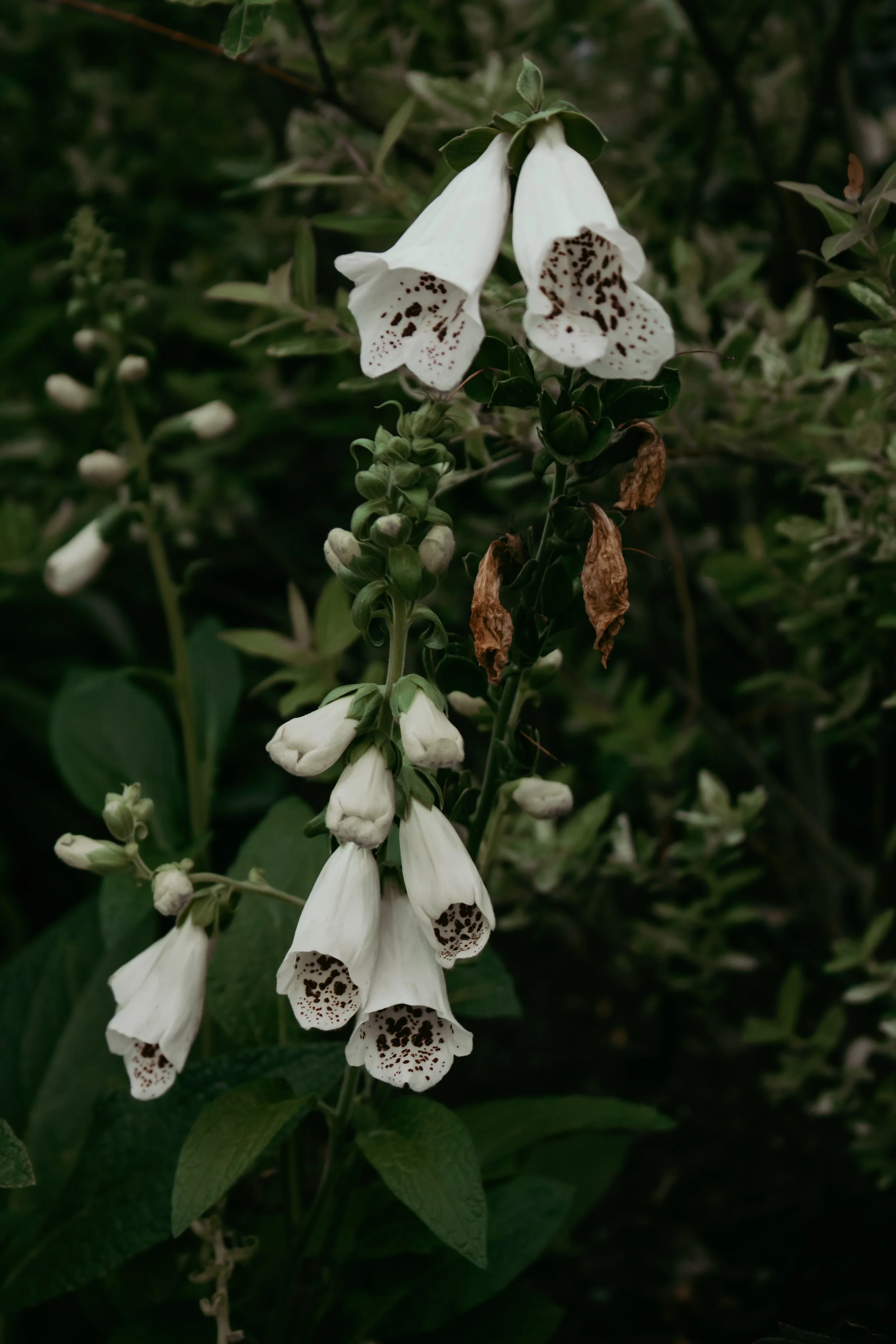
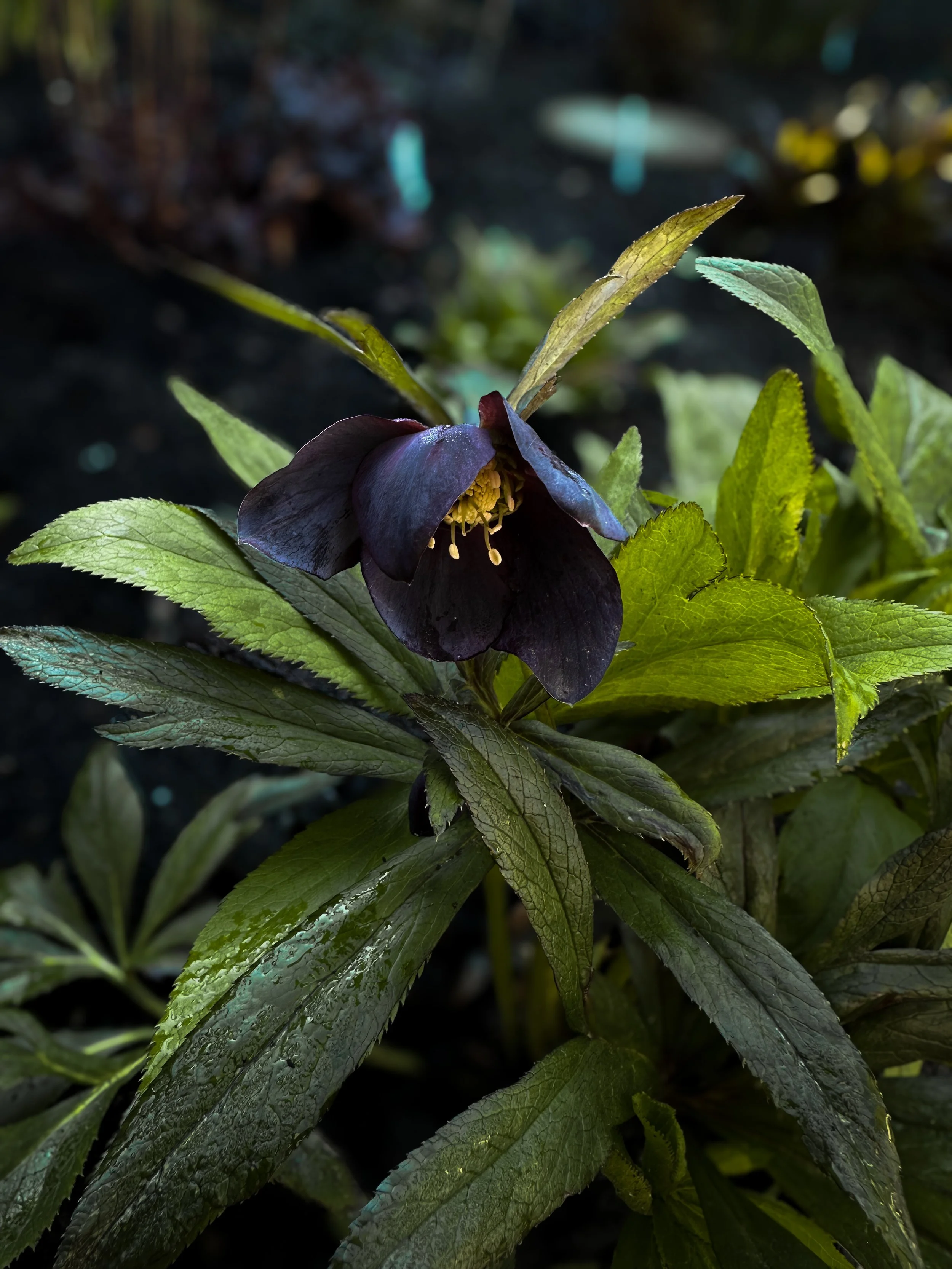
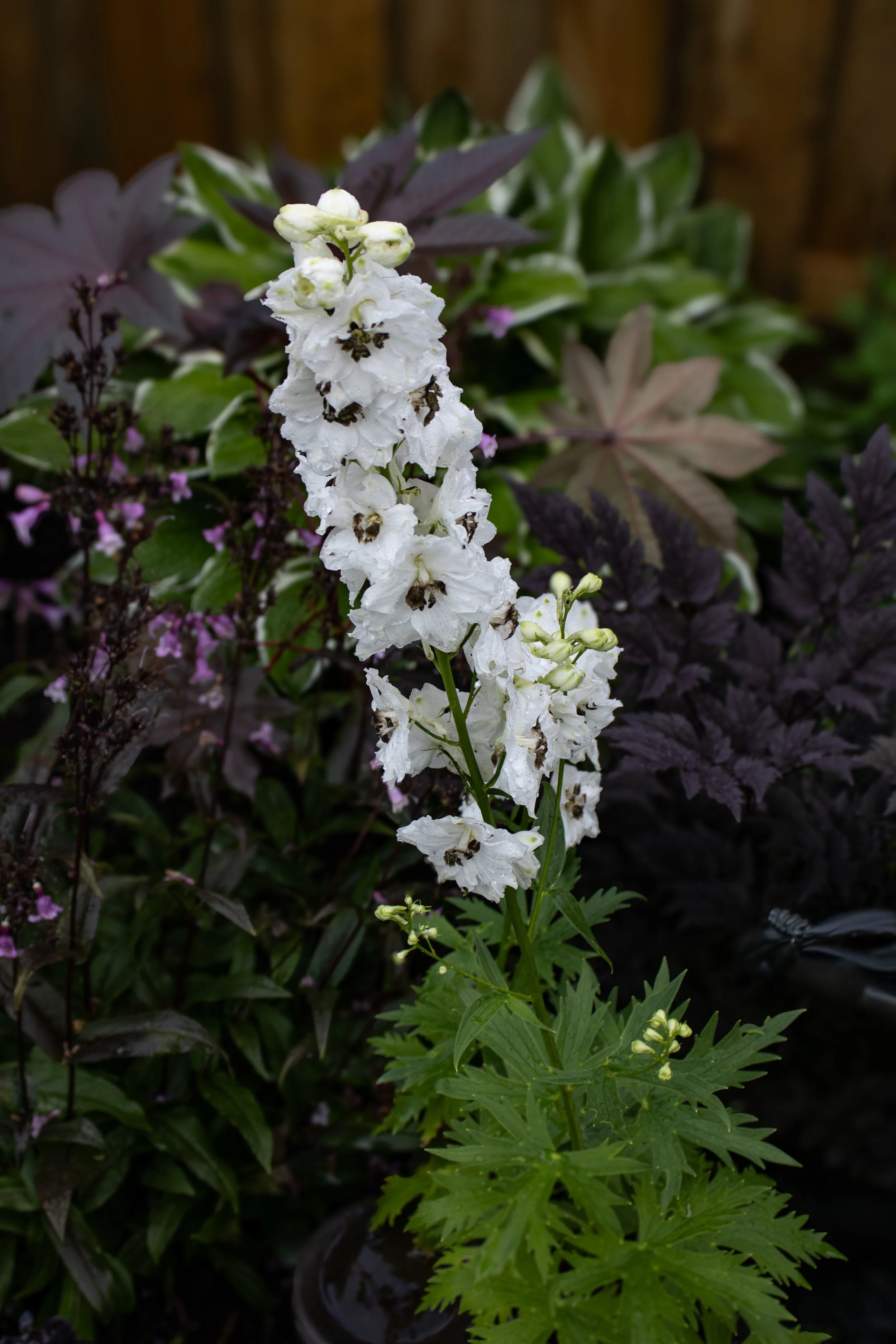
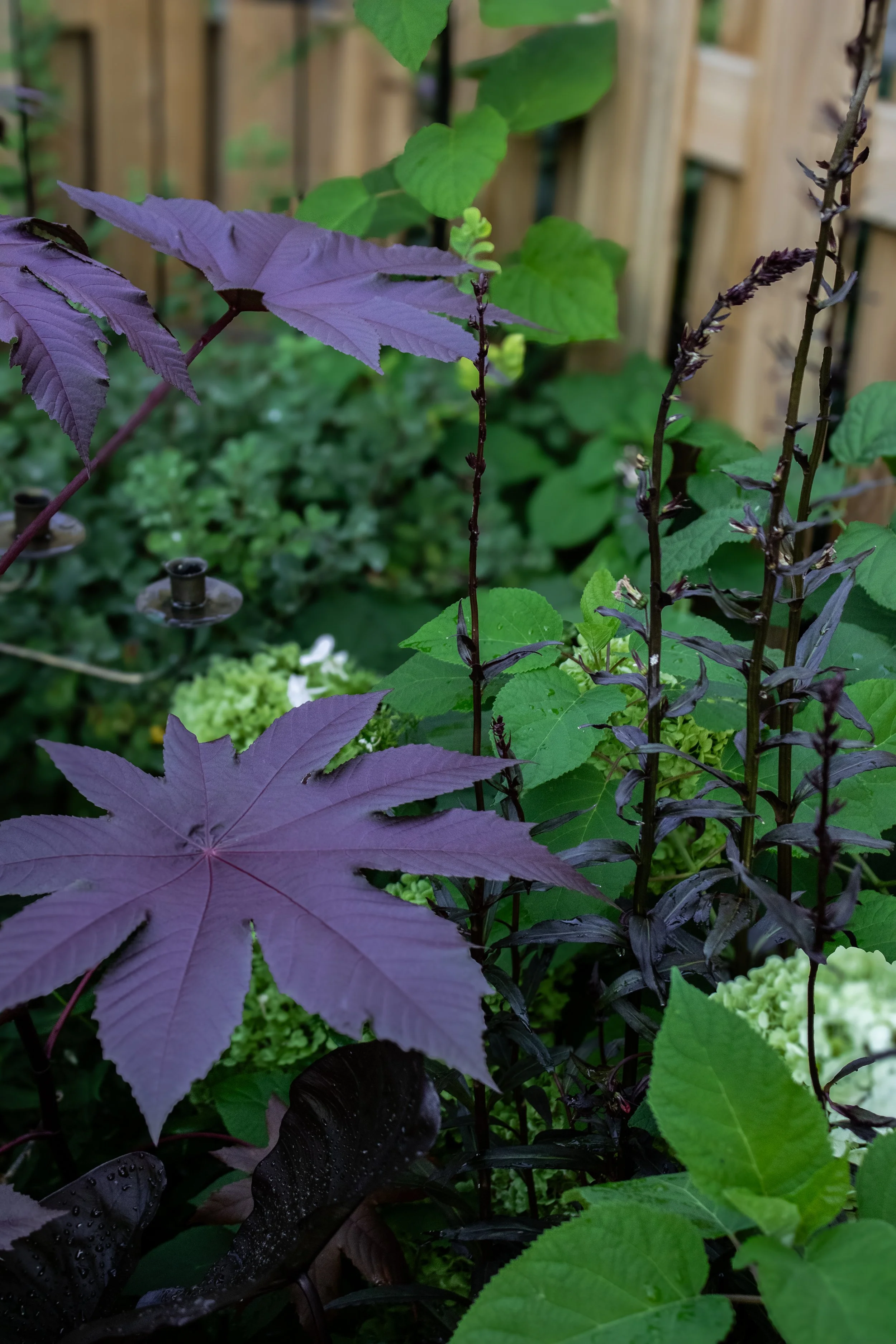
5. Considering the storied history of botanicals and folklore, are there any herbs, plants or flowers that carry particularly rich or haunting stories that you love incorporating into your garden?
I am very fond of poisonous beauties in my garden and I’d say the majority of the plants are pretty toxic.
The most deadly of all though are my New York Night Hellebores, Dalmatian White Foxgloves, Magic Fountains Delphinium and New Zealand Purple Castor Bean.
Because nothing screams gothic like a subtle warning to your neighbours.
6. Even experienced gardeners have plants that remain slightly elusive. Is there a gothic plant you have been coveting but haven't managed to grow successfully yet?
It drives me absolutely mad because everyone I talk to say they are the easiest thing to grow and I simply just cannot succeed. I’ve been trying to grow Black Hollyhocks for years now! I lose sleep over it.
7. Your garden features an incredible variety of species. Looking back on the journey of building it, what are a few lessons that have really stayed with you?
I’ve learned that gardening isn’t a hobby for instant gratification. Everything takes time and it really teaches you to slow down and enjoy the process and seasons that come along with it.
For every season a new flower blooms while another one goes dormant
Plants sometimes need years of growth to reach full maturity
The hunt is long, but so precious
And most importantly, don’t be afraid to fail in order for you to learn.
8. Are there any insider maintenance habits that keep a dark garden looking lush and dramatic through the season?
Gardening sometimes requires daily maintenance. I like to make sure my plants are watered daily, especially when the summer heat becomes unbearable, the plants will need to cool off to live a happy life.
I also try my best to weed and till the soil at least every 1-2 weeks to keep things looking fresh. I fertilize twice a year too. Some people do more throughout the growing season but, I like to fertilize early spring to promote better growth in the root systems, and again in early fall when everything starts to cool down. For fertilizer I like to use Marphyl Soil Enhancer.
9. For readers eager to start planting outside, what subtle climate signs indicate it’s finally time to dig in?
If you live in an area like myself in Eastern Ontario, Mother Nature LOVES to play the game of “fake spring.” For those who aren’t tortured with this, essentially the weather between March to May will bounce back and forth between 16’C and sunny one day to -10’C and snowing the next.
The best time to finally start digging in is after the last frost of the season and the soil becomes loose. Typically for us Ontarians, we are safe to start planting during the last week of May.
10. When the growing season ends, what does that transition look like in your garden? Do you bring certain plants inside over the winter, or does the next year begin with a completely fresh canvas?
Ah, I call this time of year the “mourning phase.” I tend to let most of my annuals die every season, except annuals with a tuber, bulb or corm (ie: dahlias, colocasias, gladiolus). I will dig those up and store in a paper bag for the winter in a cool dark place until next spring.
For everything else, I let it do its thing! Sometimes people will completely cut back their garden, but I like to leave it as is for fertilization and to create a home for bugs to sleep in. I leave my perennials alone too, as I know they will come back again next year. This method makes spring cleanup easier too, as everything tends to be raked up without resistance.
What stays with you is the pace. Nothing in Chloe’s garden arrives all at once. Each plant is coveted and sought out, placed, cultivated, cared for and allowed to take hold in its own time. This labour of love asks for patience and rewards attention.
It grows as you do.
All it really asks is the decision to begin, whether that’s a single plant or something larger you’ve been putting off.
For more, follow along with Chloe at @theg0thgarden and see what takes root next.
Subscribe to receive our free monthly digital issue to your inbox including a first look at dark feminine style and culture, the chance to vote on next month’s stories and a preview of upcoming giveaways.