In the Garden After Dusk with @briannas_planttok
Dark foliage, medicinal botanicals, poison garden lore and the passion behind Brianna’s homestead practice
By: The Lace Ledger Staff
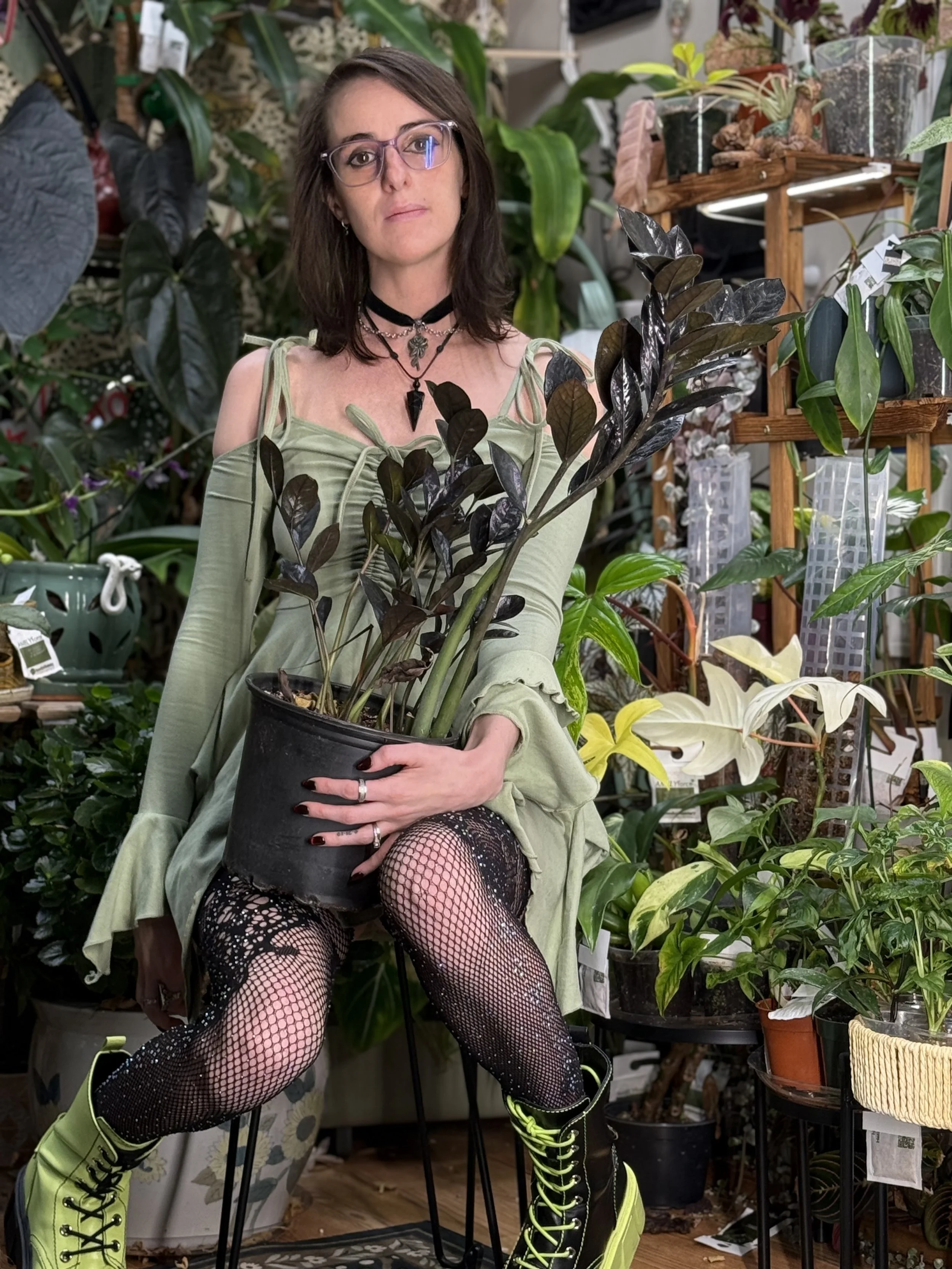
Photo Credit: @briannas_planttok
All day, the garden blooms in broad, sun-filled strokes, standing proud and tall, admired by passers by and onlooking neighbours.
As the sunsets, and the air cools, the noise of the day drops away until only small sounds remain; leaves dancing in the wind, something distant calling from the trees. This is the call of the garden that resounds most authentically with Brianna. Not at daybreak, but in the hours when the garden feels most like itself: a mythical, meditative place for grounding, cultivation and self-reflection.
Here, we step into her world after dusk, where the world slows, the rhythm steadies and the garden reveals what it’s been doing all along.
1. Some of us can technically keep a plant alive, but not everyone is lucky enough to truly develops a green thumb. What first sparked your fascination with plants?
This plant obsession started as a really rewarding hobby for me. There’s something incredibly satisfying about watching new growth appear and seeing a plant thrive because of the care you’ve given it. Combine that with the goal of self sufficiency and growing your own clean food in a world full of toxic preservatives and chemicals.
It also became a way for me to reconnect with myself during a really busy point of life. Through postpartum, motherhood, and all the chaos that can come with it, caring for plants gave me a quiet moment in the day that was just for me. Over time it turned into something much deeper than a hobby, it became a way to ground myself and reconnect with nature and the world outside my four walls.
2. Your content provides a window into a hobby homestead rhythm. What does that lifestyle look like in your daily life, and how has it shaped the way you grow and care for plants?
Most people expect me to say I wake up with the sun and take peaceful morning walks through my garden, but honestly that couldn’t be further from the truth. I’ve never been much of a morning person. Most of my garden chores actually happen at dusk.
By the time the sun starts going down, everything starts to feel more peaceful and calm. I can hear the owls, the heat of the day dissipates, and it becomes a really peaceful moment in my day. In a way it almost feels meditative.
During the daytime I’m usually busy with content creation and the general chaos of everyday life, so the evenings are when I finally get to slow down and reconnect with my plants. It’s also better for the garden. Watering during the heat of the day can scorch plants. So, my evening rhythm has naturally become part of how I grow and care for everything.

Photo Credit: @briannas_planttok
3. For readers beginning their gardens this spring, which edible or medicinal plants do you recommend starting now to harvest during the summer months? What are their uses?
One of my favourite spring herbs is Red Raspberry Leaf. It’s best harvested before the plant flowers in early summer, because once it blooms the leaves can become more bitter. Raspberry Leaf tea has a long history in herbal traditions, especially for women’s health. Many people use it to help with menstrual cramps, cycle support, and general hormone balance.
It’s also well known for supporting uterine strength during the later stages of pregnancy. I always encourage people to research and speak with a healthcare professional before using it medicinally, but it’s an herb I personally have amazing experience with. I attribute my two extremely quick, uncomplicated labours to drinking Raspberry Leaf tea during the final weeks of my pregnancy.
Another wonderful plant, especially if you live somewhere warm, is Aloe vera. Aloe produces the most gel during the summer months, though patience is key because plants usually need to be around two to three years old before you harvest from them. Most people know aloe for soothing burns and skin irritation, but it’s also traditionally used in small amounts for digestive and anti-inflammatory support. As somebody who struggles with inflammation from autoimmune conditions this is one plant that I have been heavily researching and will lean on in the future.
4. Are there edible or medicinal plants people can start in spring or summer that will serve them later in fall or winter as well?
My woody perennials serve me WELL into the late fall months even in a cold climate. Rosemary, thyme, sage, mint, and oregano can be cut throughout autumn and into winter, often surviving in the ground or under covering.
I like to keep these herbs in their own dedicated garden bed because many of them spread quickly and can easily take over if they’re mixed in with other plants. The upside is that once they’re established, you’ll usually end up with more than enough to cook with, dry for ritual use, or preserve for later in the year.
5. Poison gardens have a long history in folklore and botany. What first drew you to the subject, and why do you think people remain fascinated by these plants?
My interest started as a lens for women empowerment in the current climate in America. The "poison garden" serves as a powerful historical and symbolic metaphor for a woman's line of defence, transforming traditional domesticity into a subtle, deadly weapon against oppression. There’s something almost poetic about plants that can both nurture and protect.
On a less dark note, poison plants are also a fascinating reminder of the fine line between danger and medicine. Many modern medicines actually come from compounds in these plants: foxglove was historically used to treat heart conditions, datura as a bronchodilator, and belladonna for cosmetic purposes like pupil dilation for “bright and dreamy eyes” (Do not do this if you want to keep your eyesight). Always remember the difference between medicine and poison is dosage.
6. If someone were curious about poisonous plants or growing their own poison garden for aesthetic purposes, which varieties would you recommend learning about first?
The best place to start is by learning what grows natively in your area. Native plants are adapted to your local climate and soil, support pollinators, and help maintain a balanced ecosystem. I’m a big advocate for working with nature rather than against it. Some exotic or invasive plants can easily take over and harm local species.
If there’s a dramatic or particularly intriguing plant you want to grow that isn’t native, consider keeping it in a planter or contained space, and make sure its seeds don’t spread. This way you can enjoy its beauty without disrupting your garden or the environment. A poison garden is as much about curation and intention as it is about aesthetics. The careful choice of plants, placement, and respect for their potency is what makes it truly captivating.
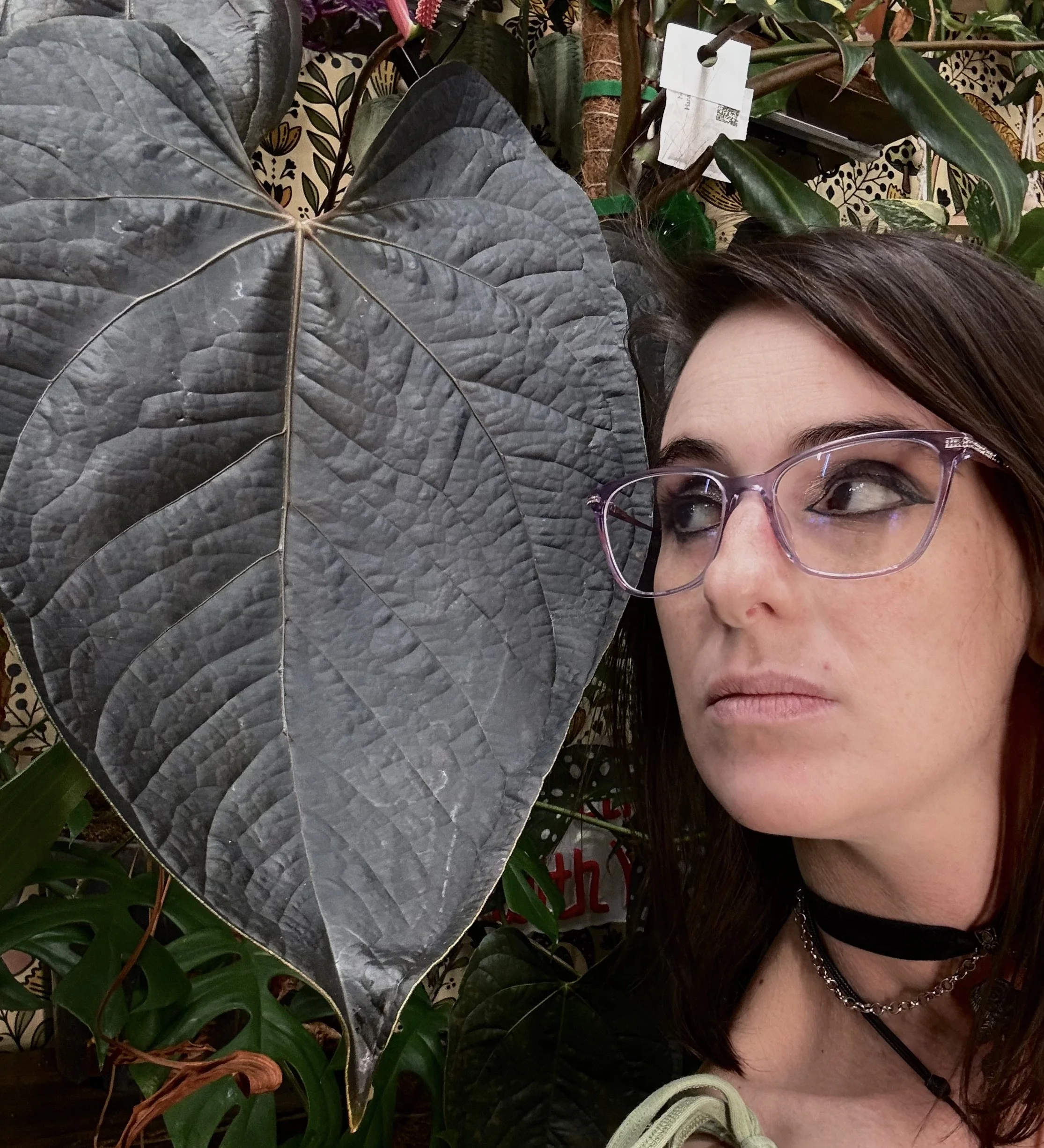
Photo Credit: @briannas_planttok
7. Many of our readers love a gothic aesthetic and are always looking for plants with deep or dramatic colouring. Which indoor plants would you recommend for someone hoping to grow darker foliage at home?
The Raven ZZ plant is a personal favourite. It’s almost impossibly easy to care for, drought-tolerant, and can handle low light, making it perfect for busy or beginner plant parents. Combine that with its glossy, almost black foliage.
For something a little edgier and a bit more challenging to care for, Begonia Ferox has these tiny spikes that remind me of the old gel spike earrings we wore in the early 2000s. Playful, nostalgic, with some dark humor.

Photo Credit: @briannas_planttok
If you want a hint of colour along with the darkness, Gynura Aurantiaca, the purple passion plant, has deep green leaves dusted with iridescent purple hairs. It reminds me of a vintage velvet couch or maybe the inside of a vampire coffin.

Photo Credit: @briannas_planttok
Finally, the Black Velvet Alocasia is another dark, velvety specimen that feels luxurious and gothic all at once.
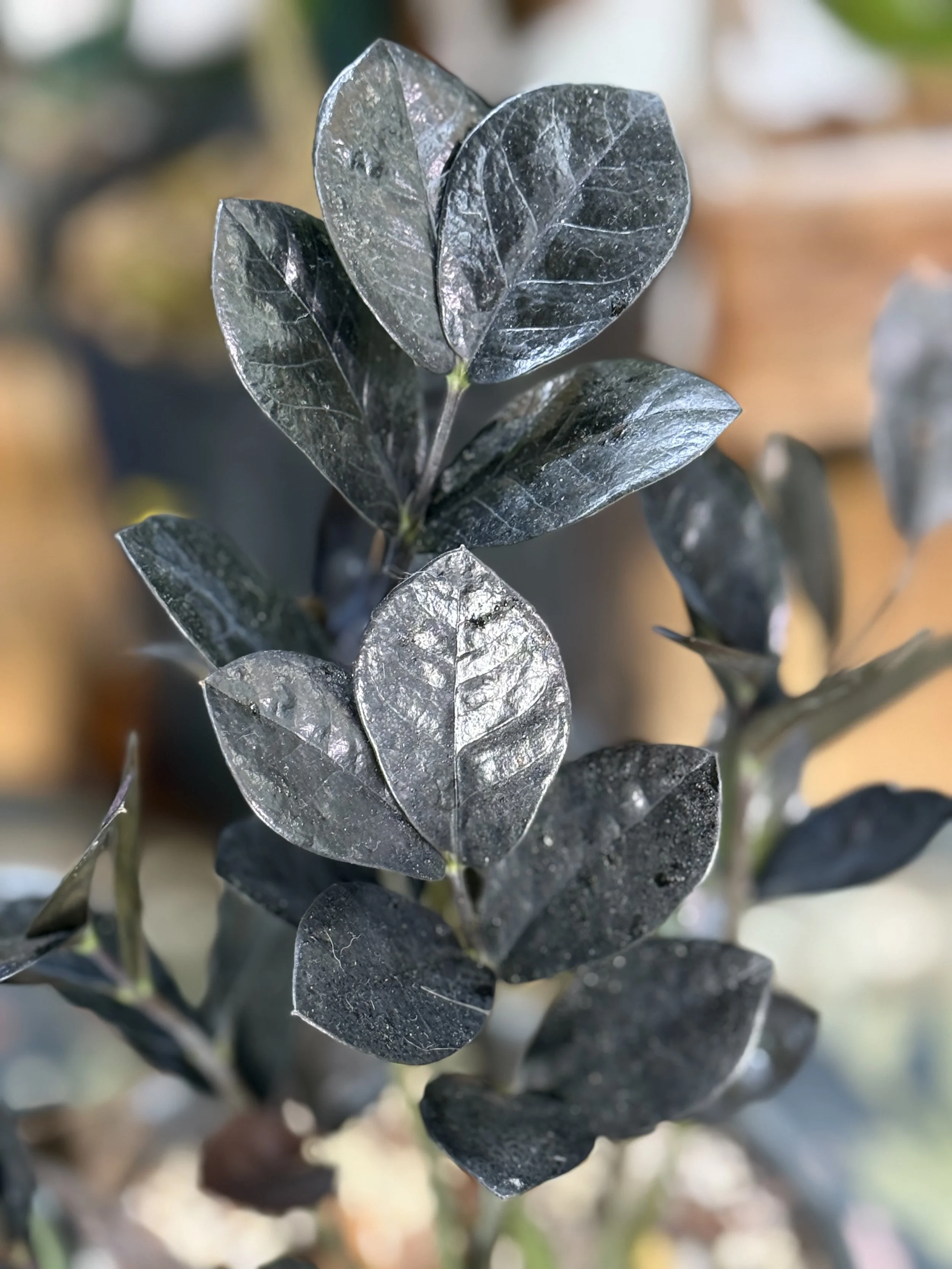
Photo Credit: @briannas_planttok
8. What are some of the most common mistakes you see new plant owners make when caring for indoor plants?
One of the biggest pitfalls is over-caring, especially overwatering. Root rot is the #1 plant killer from either overwatering or choosing a cute decorative pot with no drainage. It comes from a place of love, but too much attention can actually harm the plant more than neglect.
Another common mistake is not considering a plant’s native environment. Some plants have very specific needs (humidity, temperature, or light) and they won’t thrive if those conditions aren’t met. For example, don’t bring home a tropical plant that requires 80–90% humidity unless you’re ready to create a greenhouse-level setup.
Finally, remember that low light doesn’t mean no light. Even plants labeled “low light” still need some indirect sunlight to survive. Understanding these basics makes a huge difference in keeping indoor plants happy and healthy.
9. For someone who wants to start keeping houseplants but feels intimidated by the process, what is the single most important piece of advice you would offer?
Don’t be afraid of failure. Working with plants is unlike most hobbies because you’re caring for living things you will inevitably lose a plant or two (or twenty). The key is to treat every loss as a lesson. Observe what went wrong, adjust your care routine, and try again. Over time, those failures become the foundation for a deeper understanding and a stronger connection with your plants. It’s all part of the journey, and honestly, it’s what makes plant parenting so rewarding when you do get it right.

Photo Credit: @briannas_planttok
10. Plants like Venus flytraps and pitcher plants feel almost mythical when you encounter them for the first time. What should beginners understand before trying to care for carnivorous plants?
Carnivorous plants really live in their own category. They’re a big challenge, but also incredibly rewarding if you’re up for it. The most important thing to know is that they are very sensitive to minerals, which means no tap water, no standard potting soil, and definitely no fertilizer. I personally collect buckets of rainwater and use a moss / perlite mixture in self-watering pots to keep mine happy.
It’s also crucial to consider their native environment. Some pitcher plants, like the highland species, have very specific temperature and altitude considerations. Even I can’t grow them successfully. But if you start with a beginner-friendly lowland species, paying attention to water, substrate, and light, you’ll quickly see why these plants feel almost magical.
What Brianna cultivates here extends beyond what can be harvested.
A garden becomes a place to return to yourself. The work asks for attention. It rewards patience. It offers a kind of clarity that does not arrive any other way.
Botanical knowledge carries its own lineage, where healing and protection often share the same root. Medicinal herbs sit alongside poisonous blooms and carnivorous plants wait with a sensitivity nature that almost seems ironic but also makes perfect sense. Each plant asks to be understood at face value; as individuals.
In Brianna’s world, the garden holds all of it at once. Care and curiosity, growth and decay, use and risk. The work continues long after the sun has set, steady and unseen, shaping something deeper with every passing season.
Step into Brianna’s garden here.
For more conversations like these, subscribe below to receive our free monthly digital issue, delivered to your inbox.