Poetcore Revival: Letters, Journals & the Romance of Writing
For National Poetry Month (and beyond), rediscover the grounding ritual of writing words intended to last
By: The Lace Ledger Staff

A woman sits at the edge of a calm lake, a leather journal resting against her knee while evening gathers around her like warm wool blanket. Across the world (or in another time), a shadowy figure leans over a desk, scribbling furiously by candlelight as though the page itself understands that certain thoughts must be caught before they disappear.
Regardless of time or place, time impulse doesn’t change; putting pen to paper claims an idea and anchors it to a moment in time, so that a memory becomes something you can hold in your hands. A portal to the past.
In a culture built on keyboards and disappearing messages, the act of writing by hand offers a more romantic rhythm.
For National Poetry Month, we invite you to slow down with us and return to the page.
The Fountain Pen: A Storied Instrument
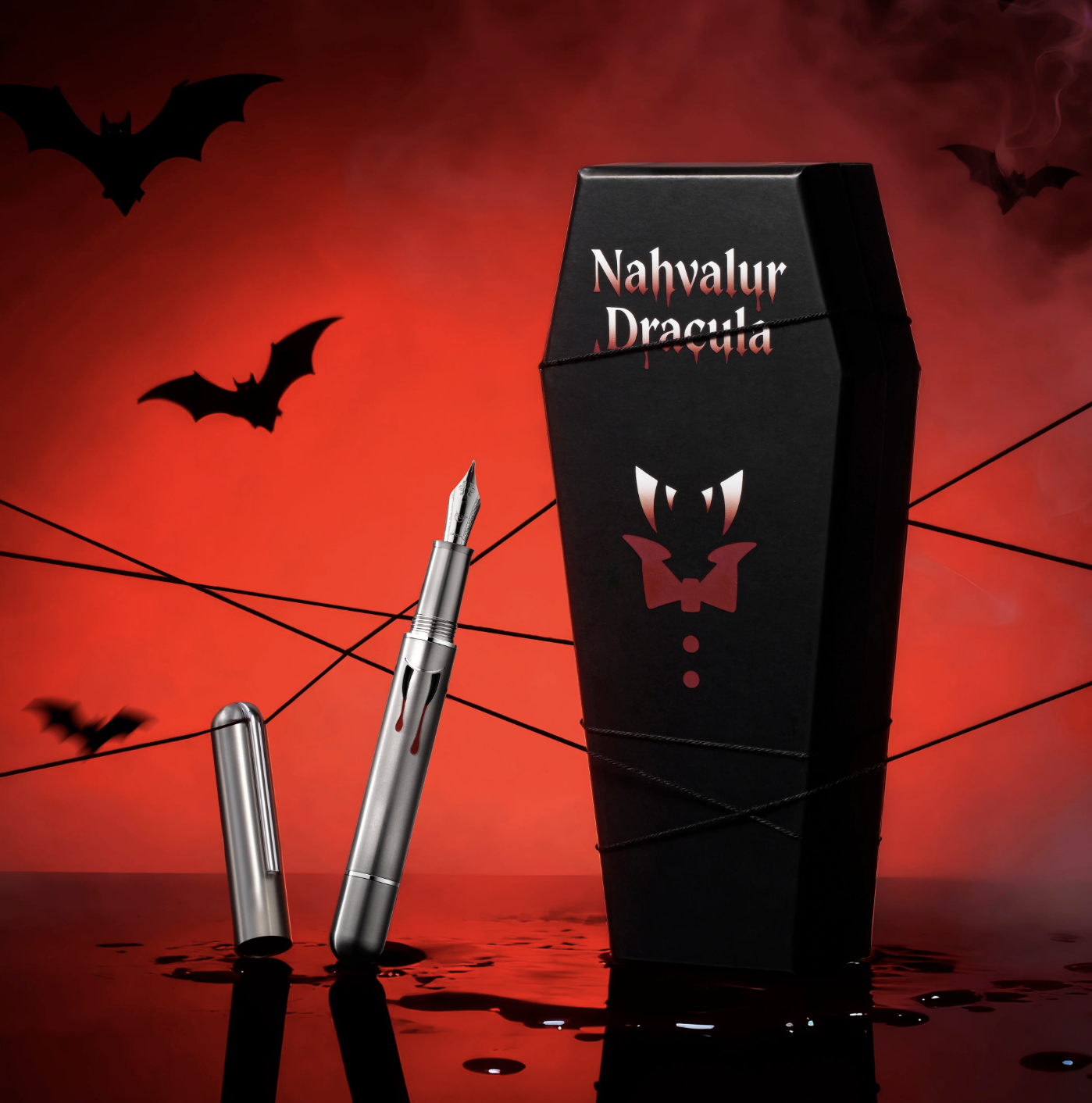
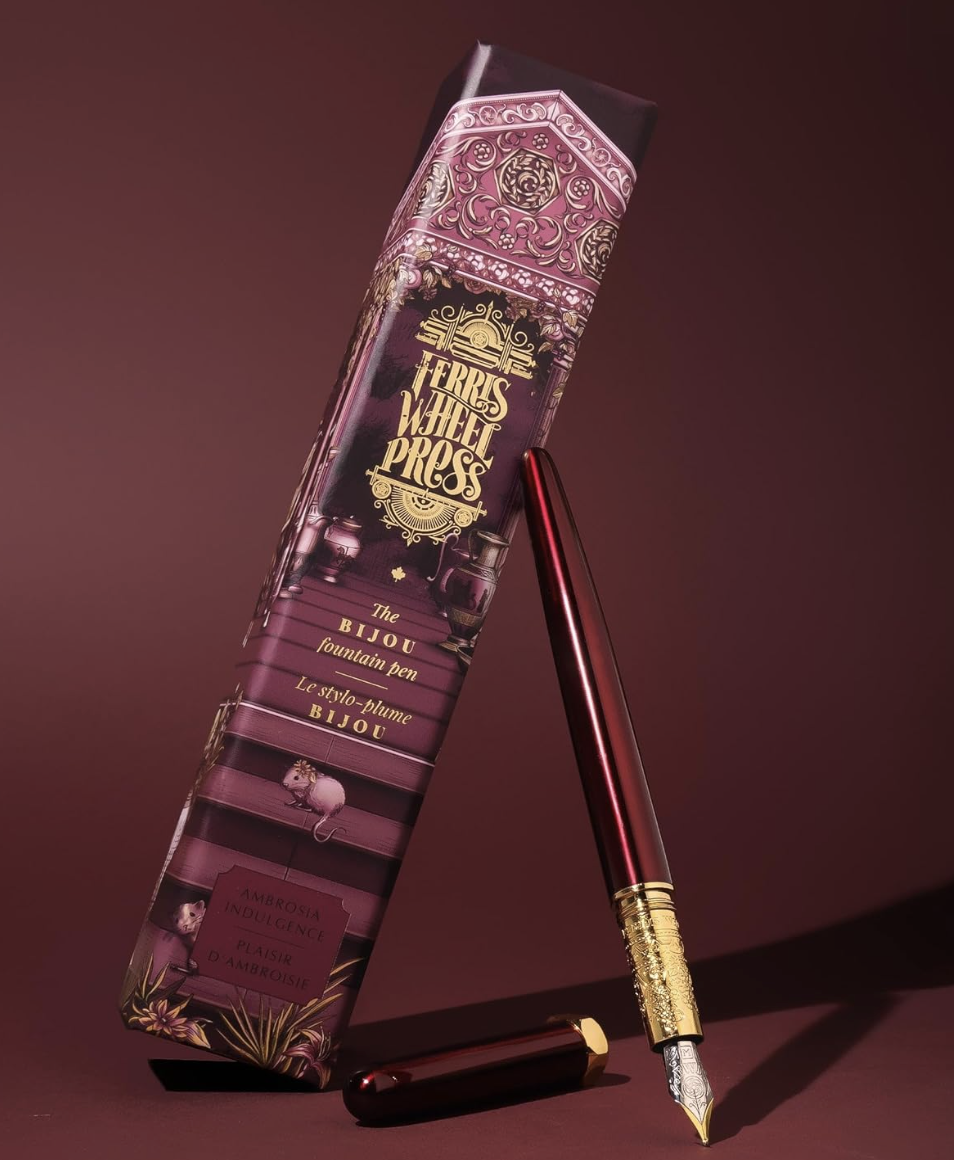
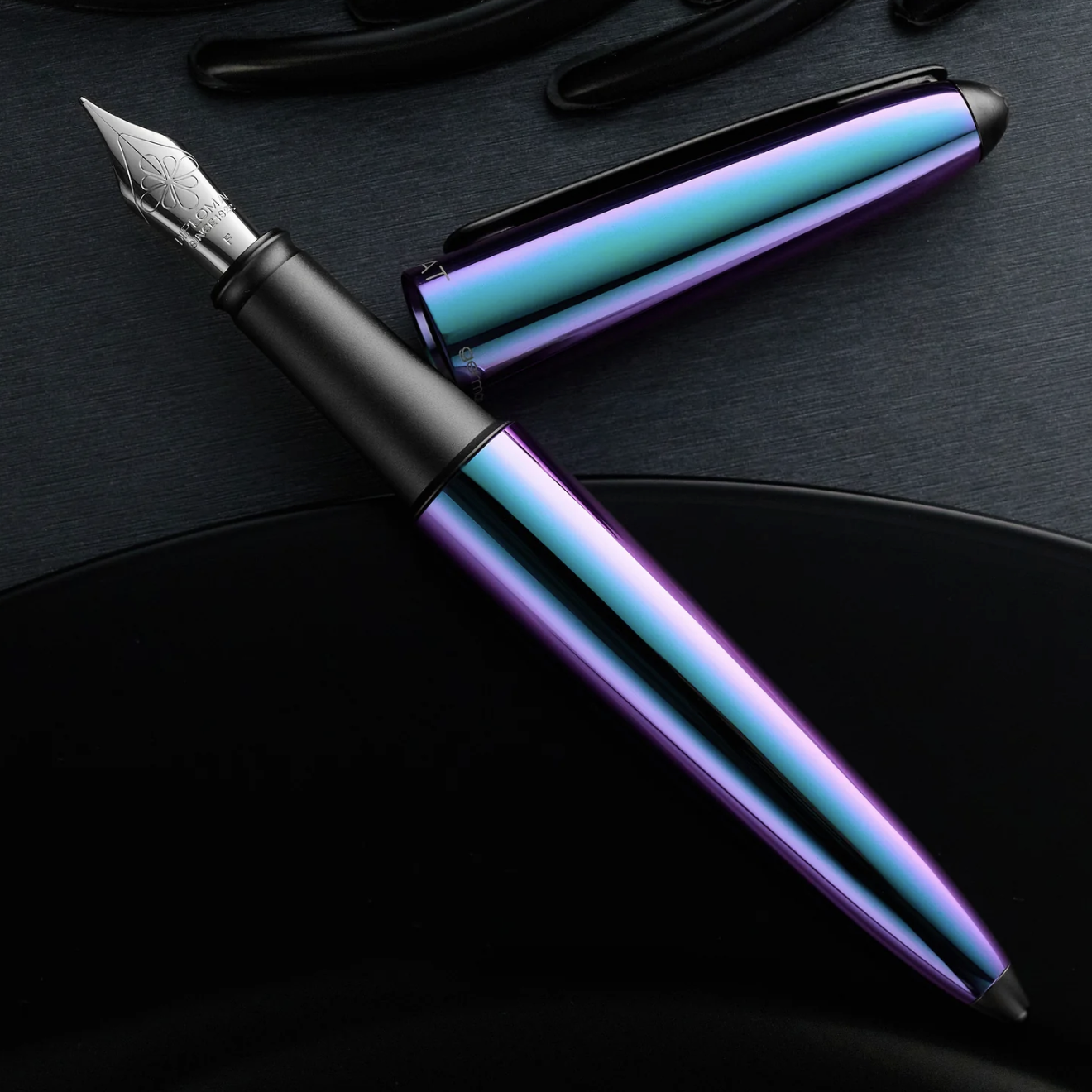
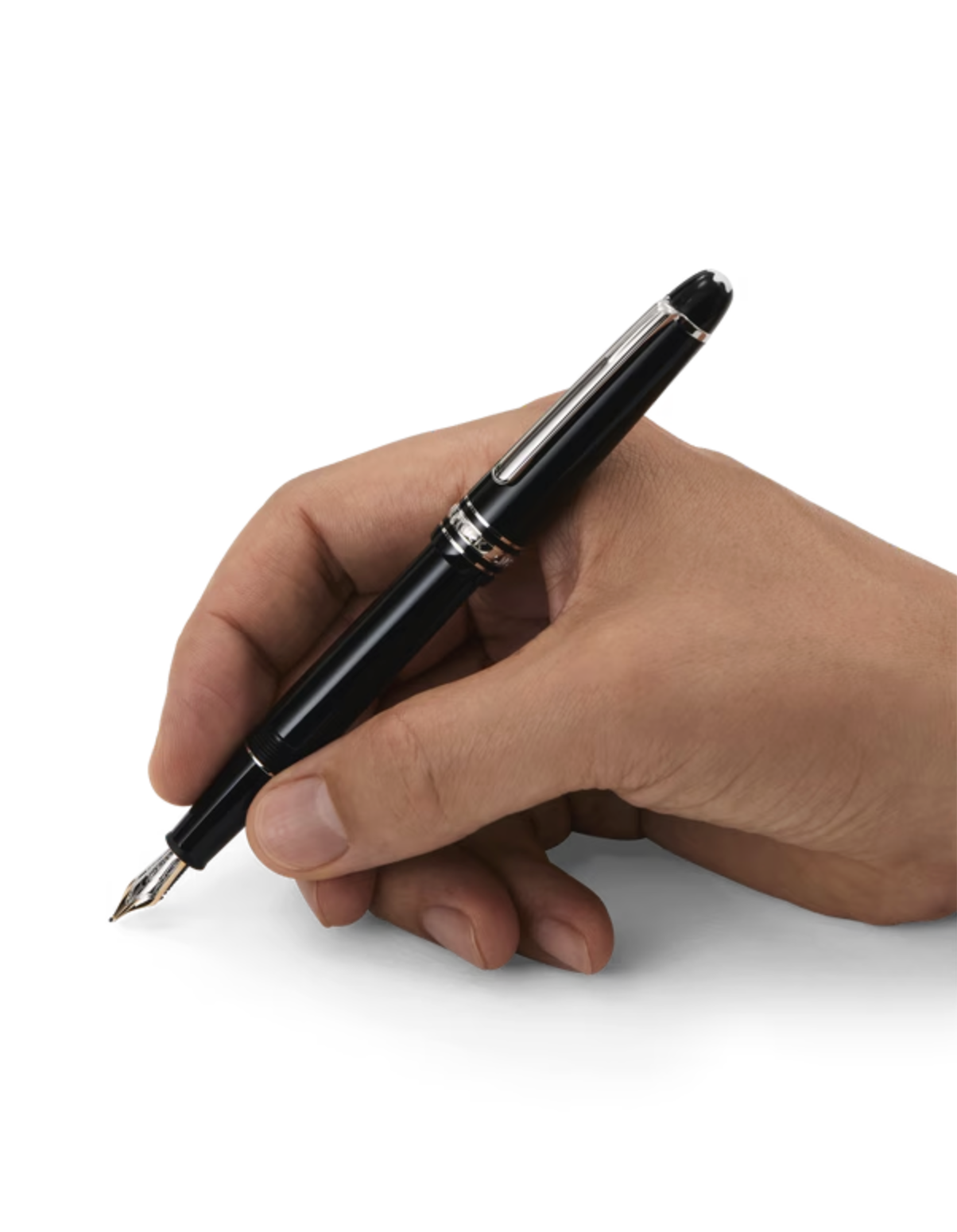
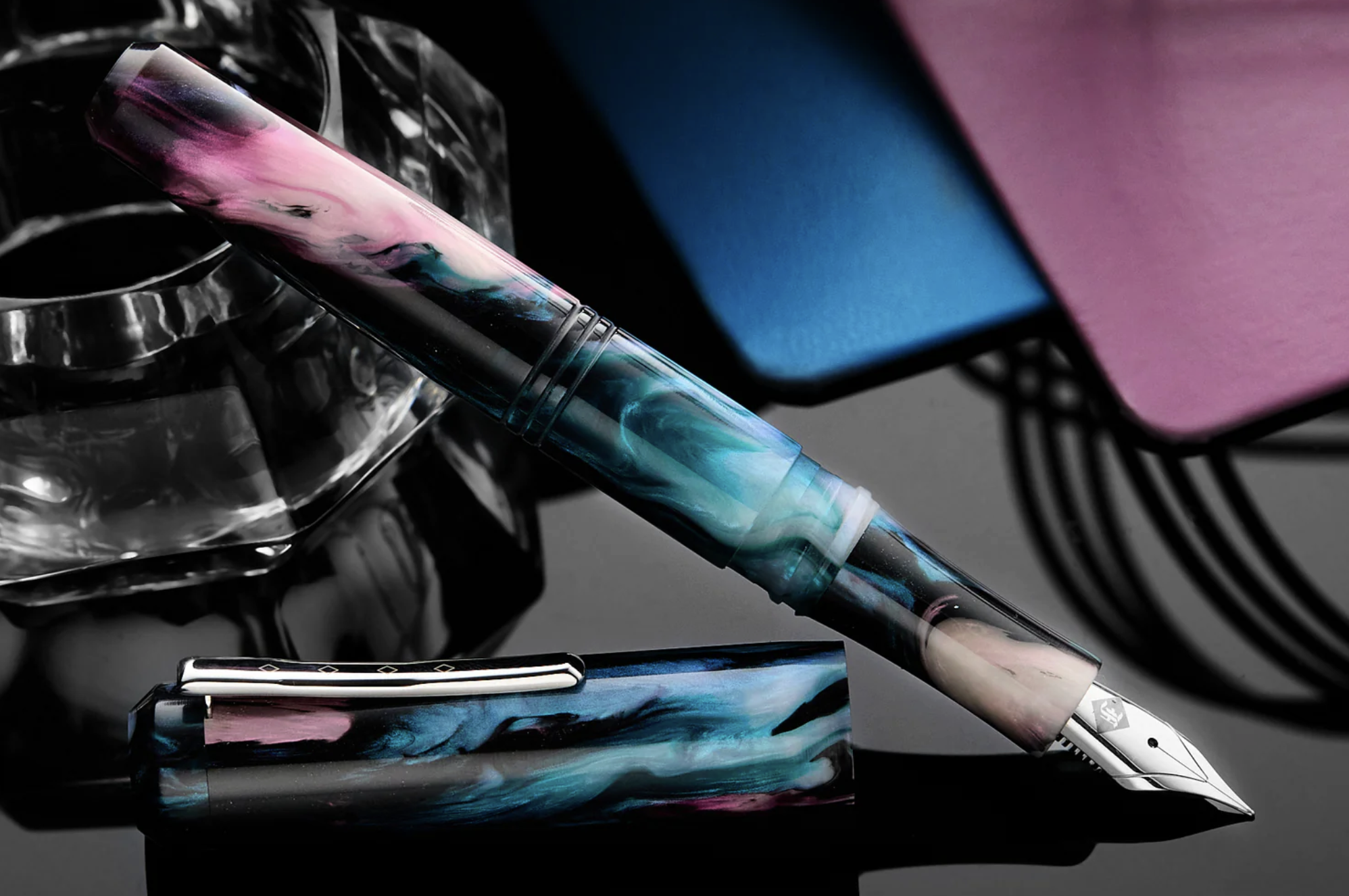
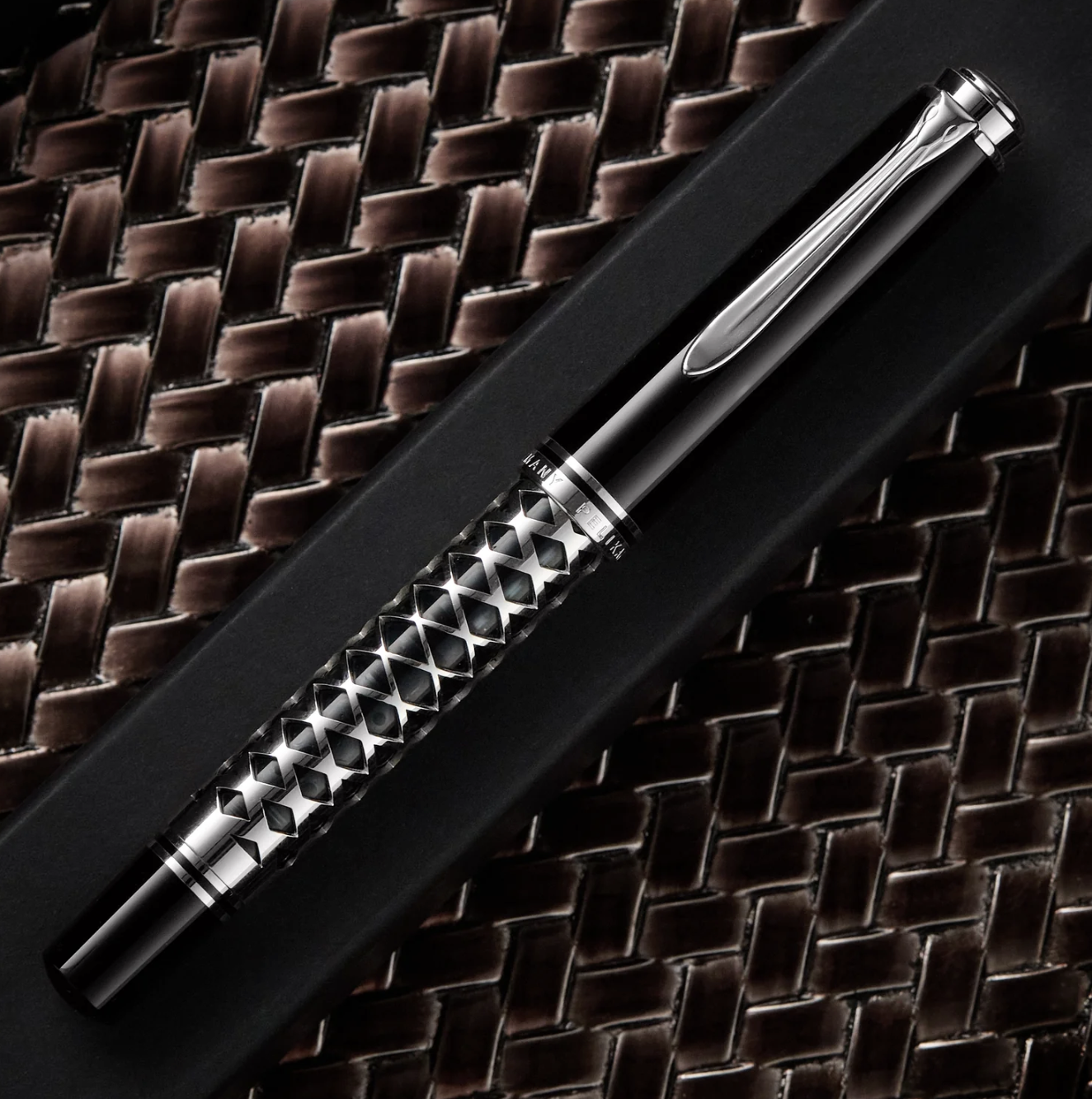
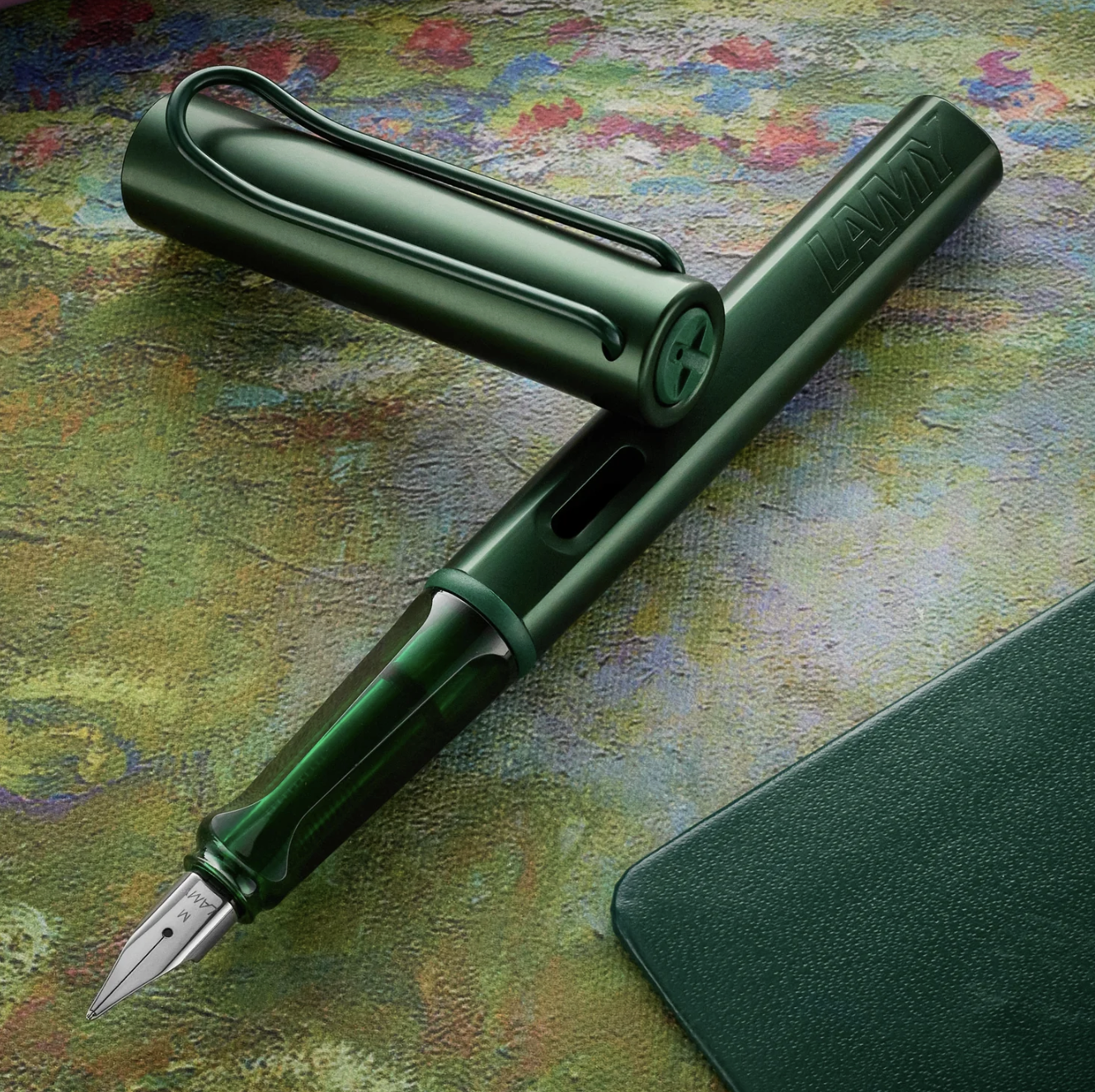
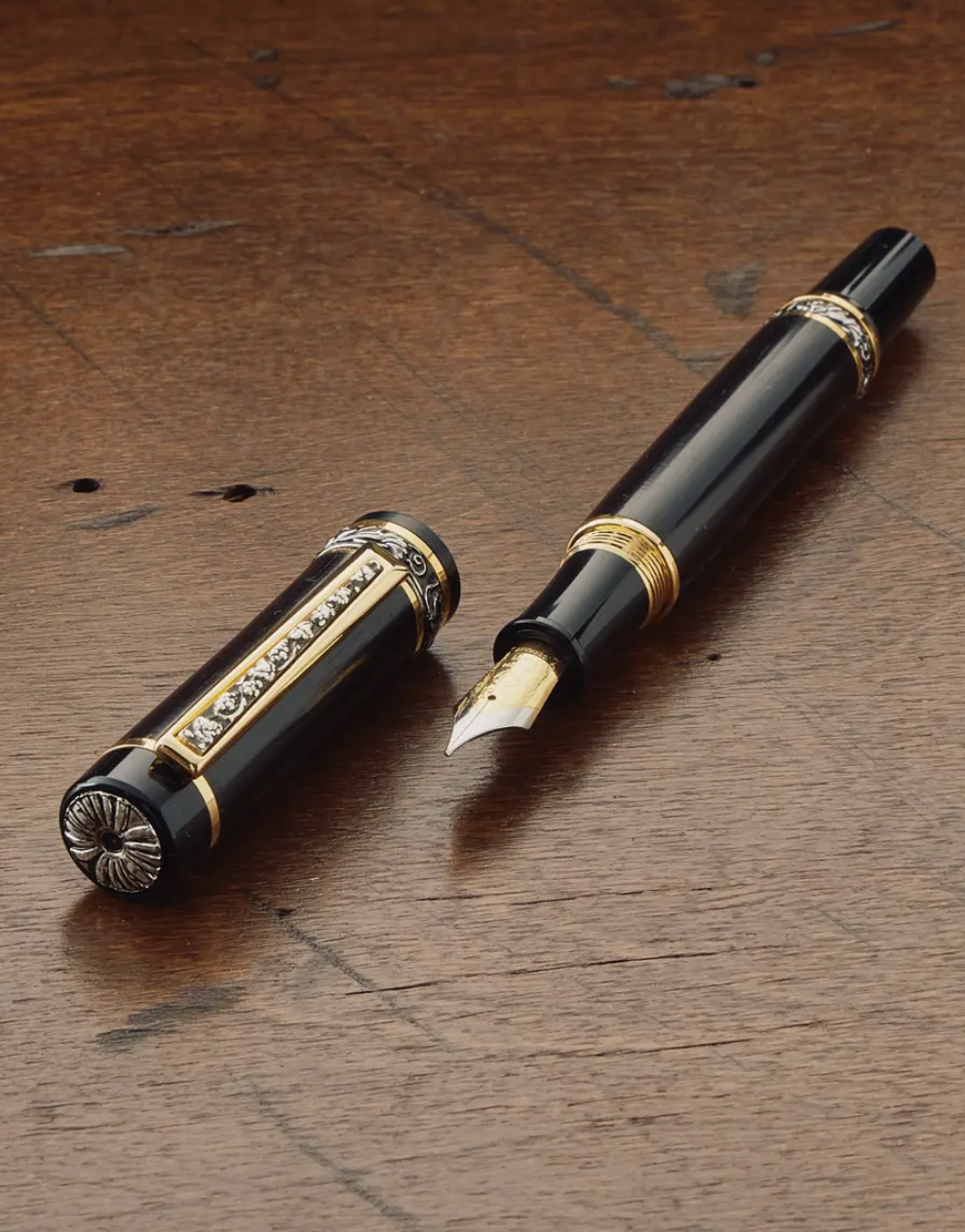
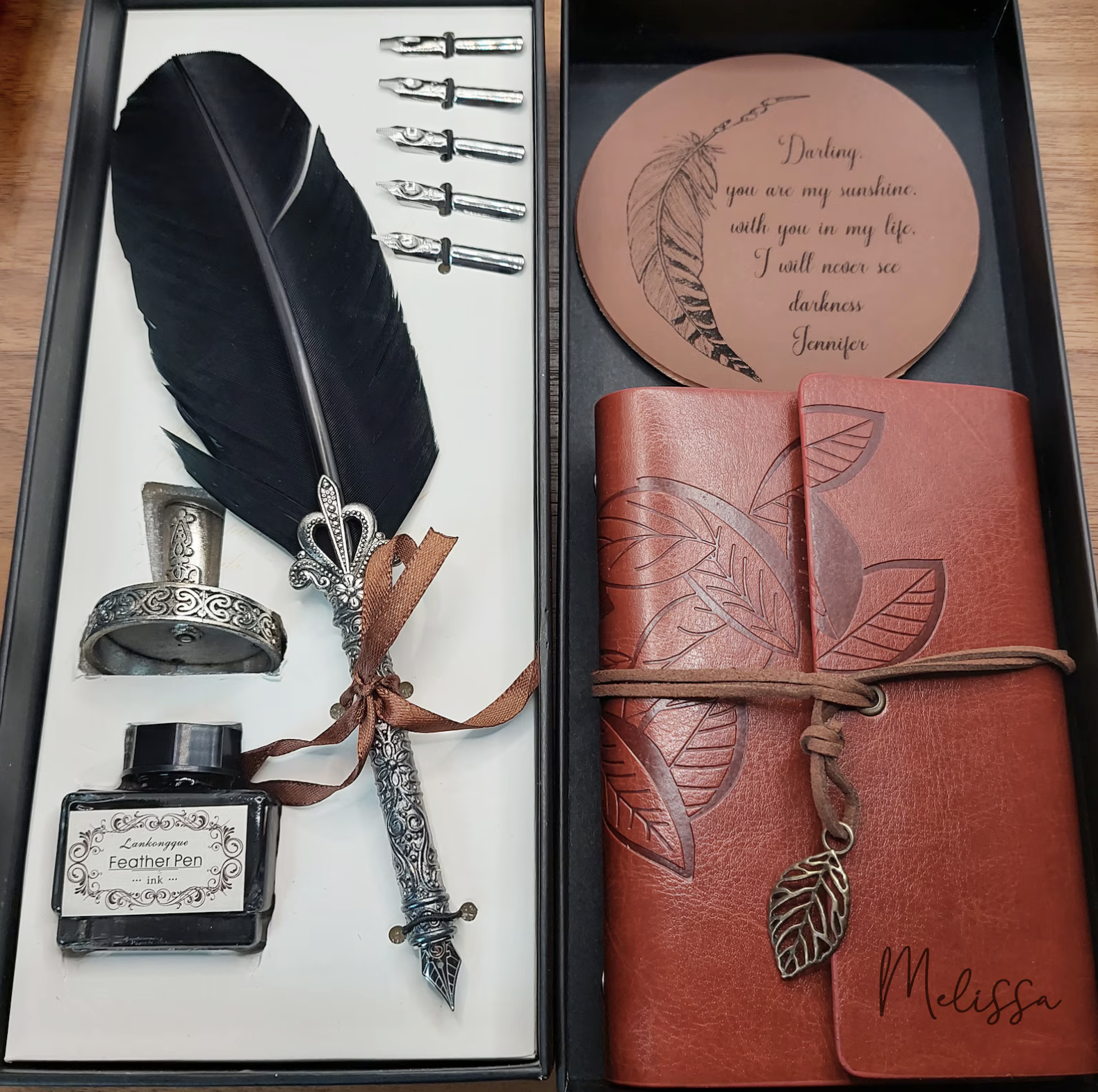
It begins with a simple exchange between hand and page. No interface. No interruption. Just you and the idea as it arrives, whether it’s carried by a beautiful Montblanc or a humble Bic picked up in haste. While the stories have changed over time, the practice has not; writers have returned to it for generations.
There is history embedded in the act itself; letters once carried across distance, pages filled in solitude, hands guided by thought alone, without interruption. Writers have long favoured the fountain pen for this reason because it introduces a tactility that typing refuses to offer, allowing thought to travel through the hand before becoming language.
Utilized by the beloved and iconic authors of our time, continuing this gesture that feels almost like homage.
The Journal: To Connect With Self
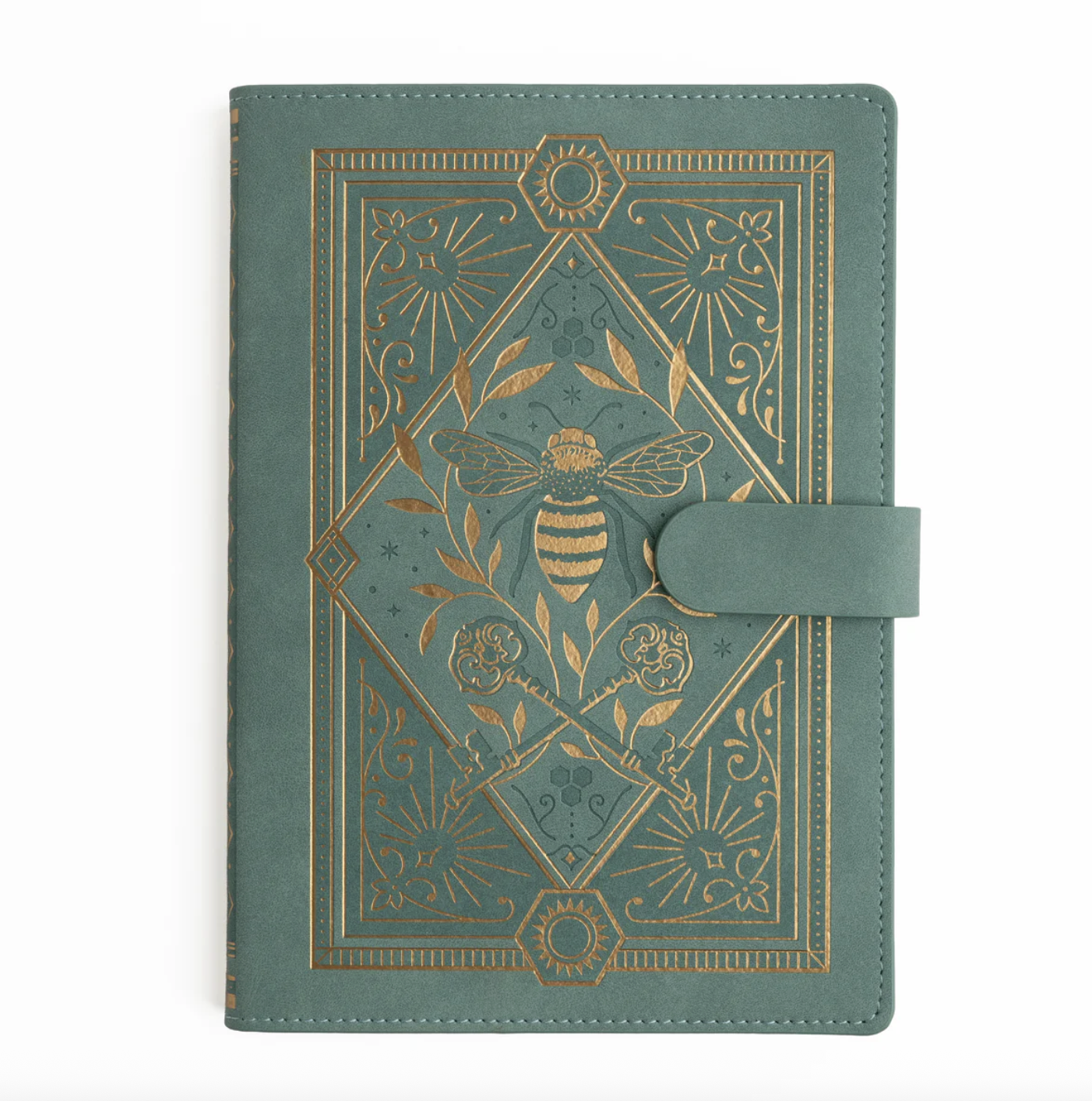
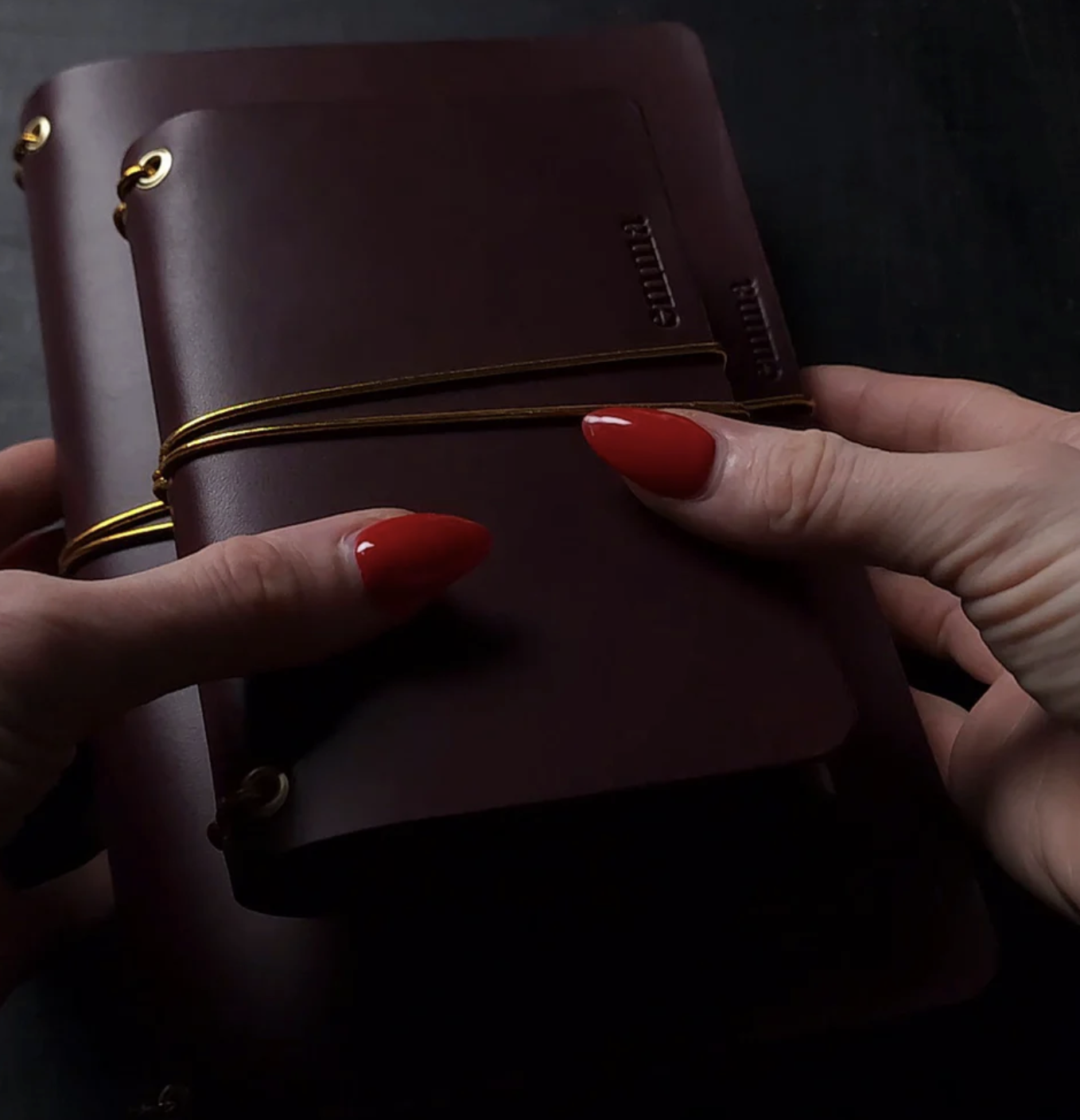
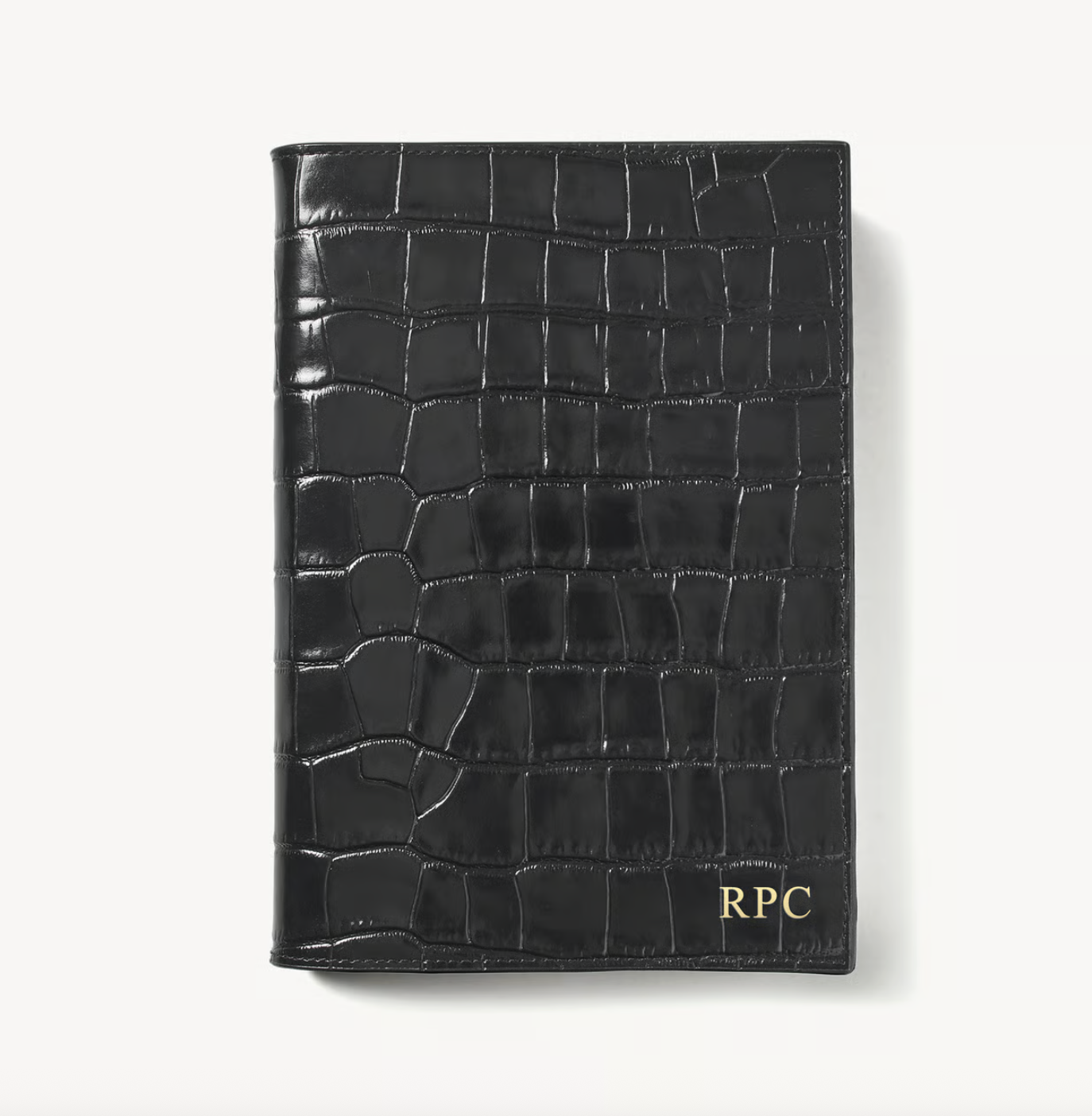
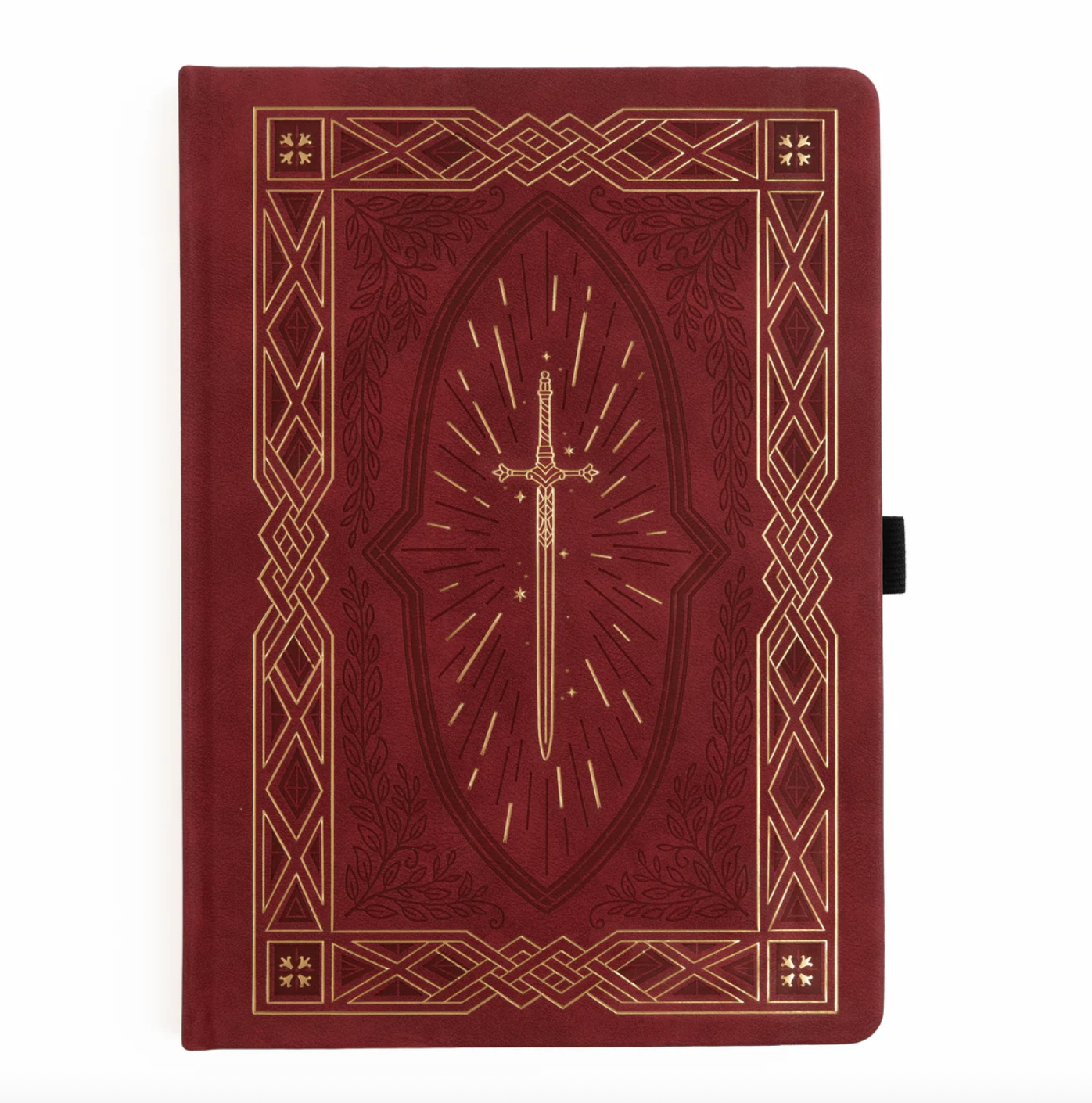
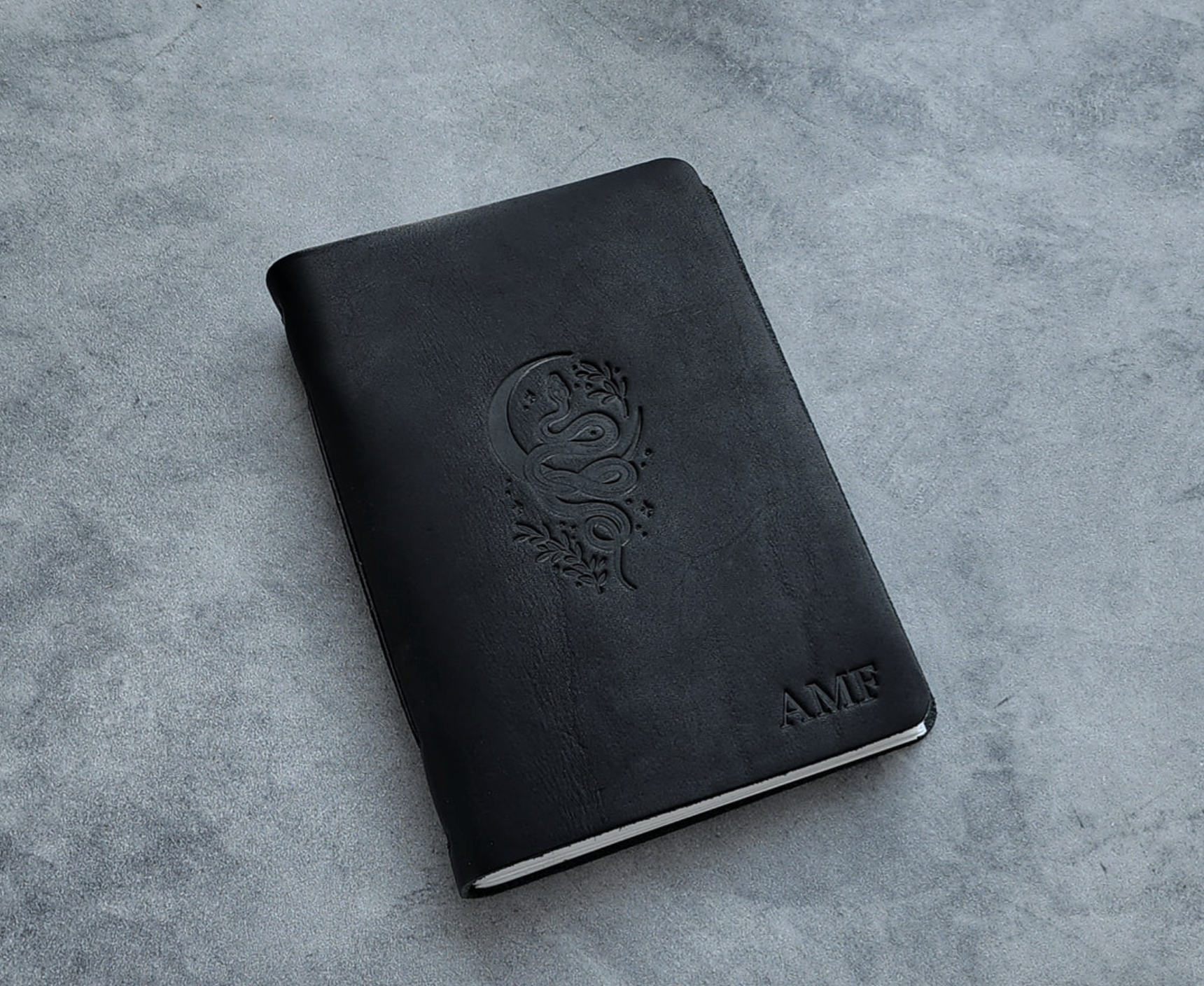
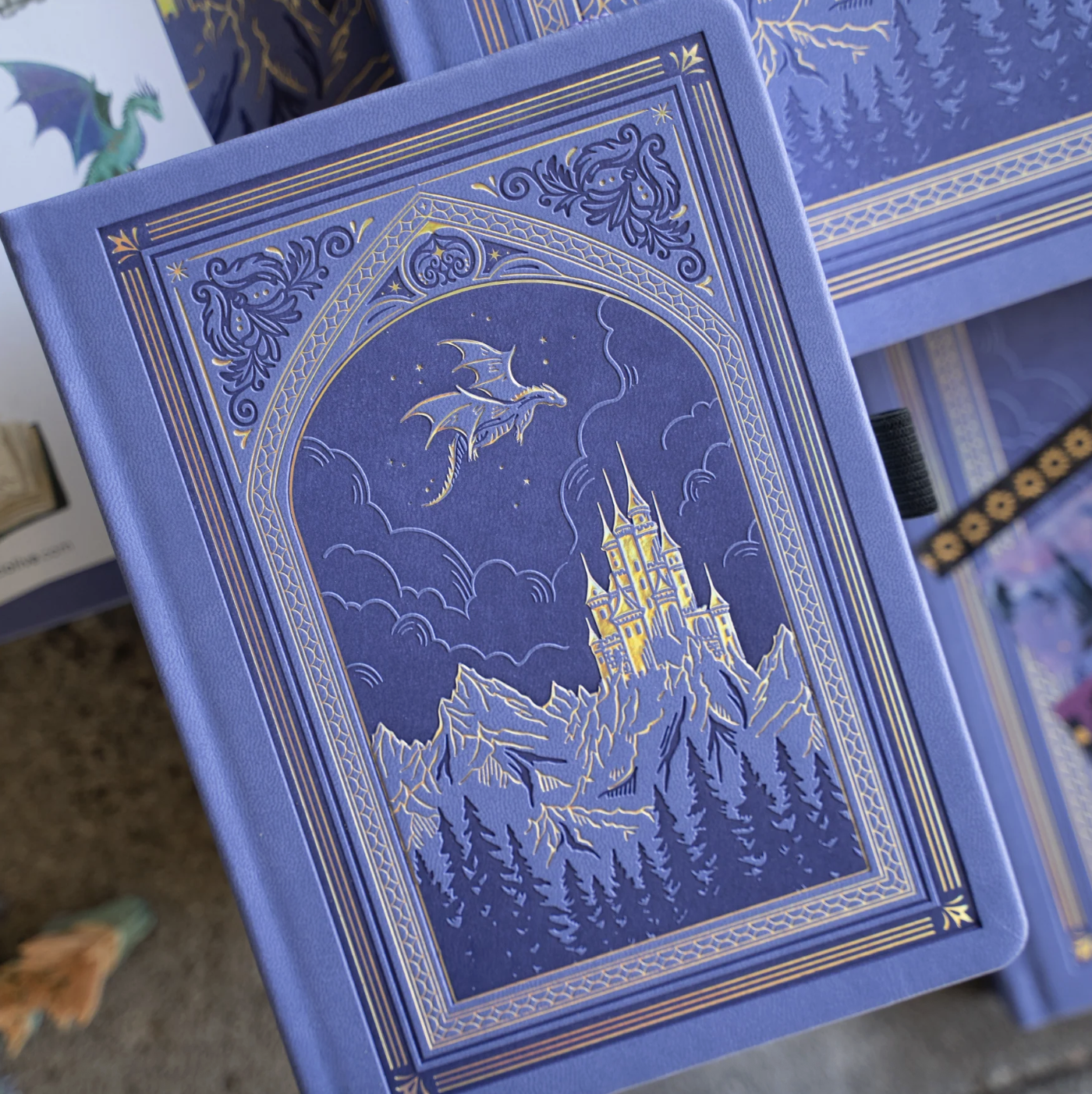
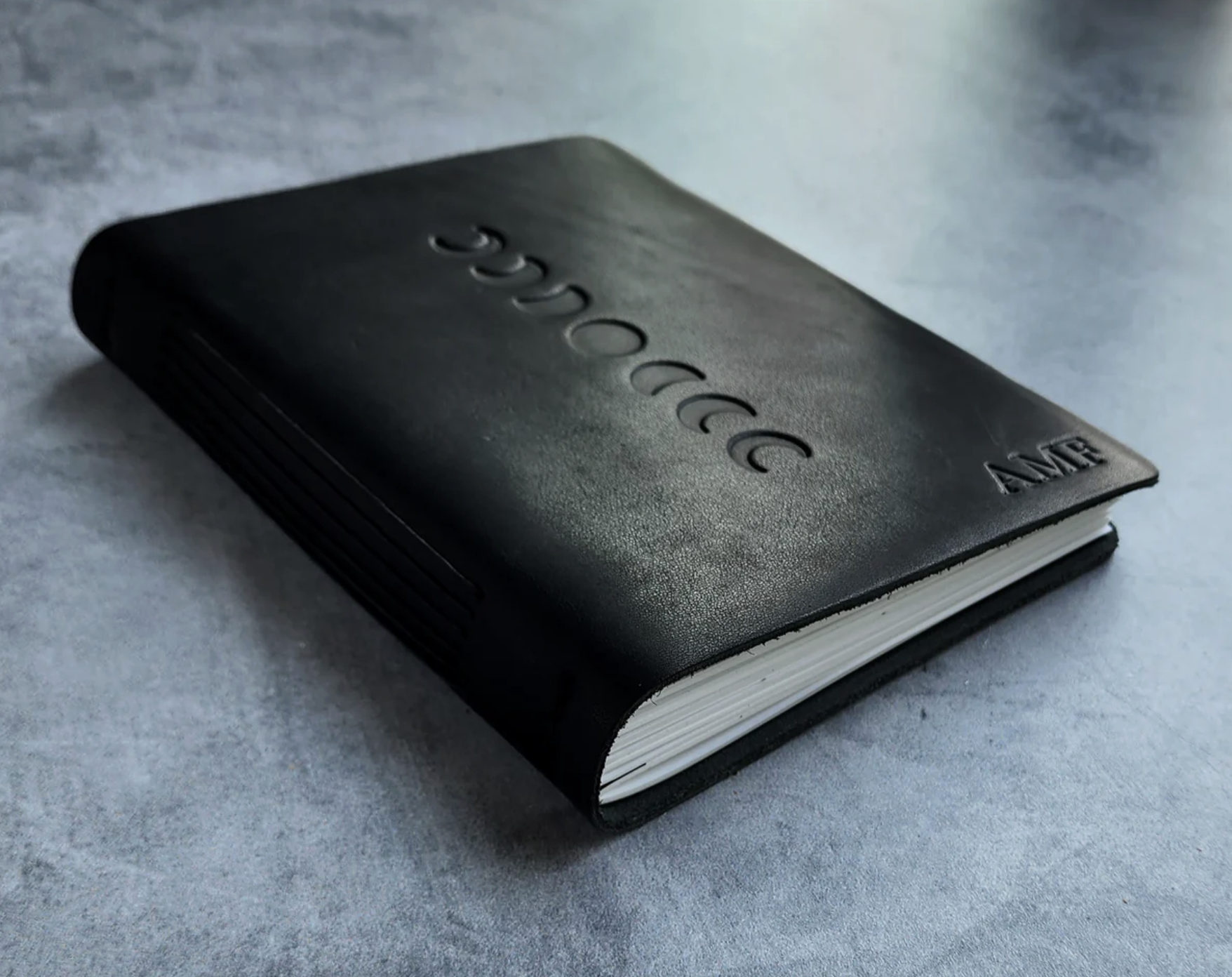
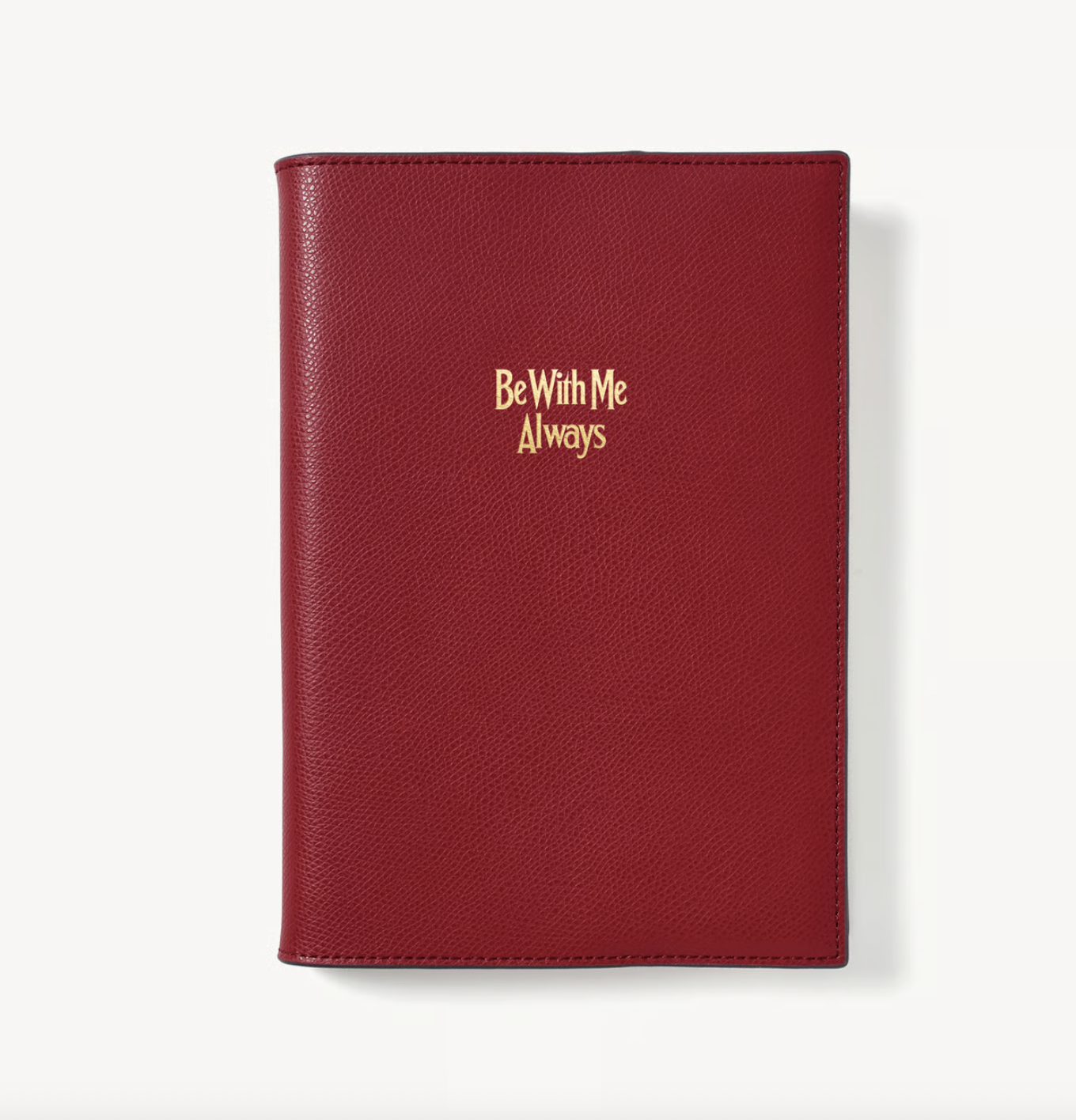
A journal offers a private architecture for thought, where emotions unfold without interruption or influence of audience. The page waits with a patience that modern communication rarely provides, inviting the writer to examine a feeling long enough to understand its shape.
In that stillness, journaling becomes a grounding practice, a way of returning to yourself and listening closely to what might otherwise go unnoticed.
Ink records the small movements of a mind in motion so that doubt, longing, curiosity and discovery accumulate across pages. Over time, the journal becomes a chronicle of consciousness that holds fragments of a life exactly as they were experienced, in real time.
Stationery: To Connect With Others
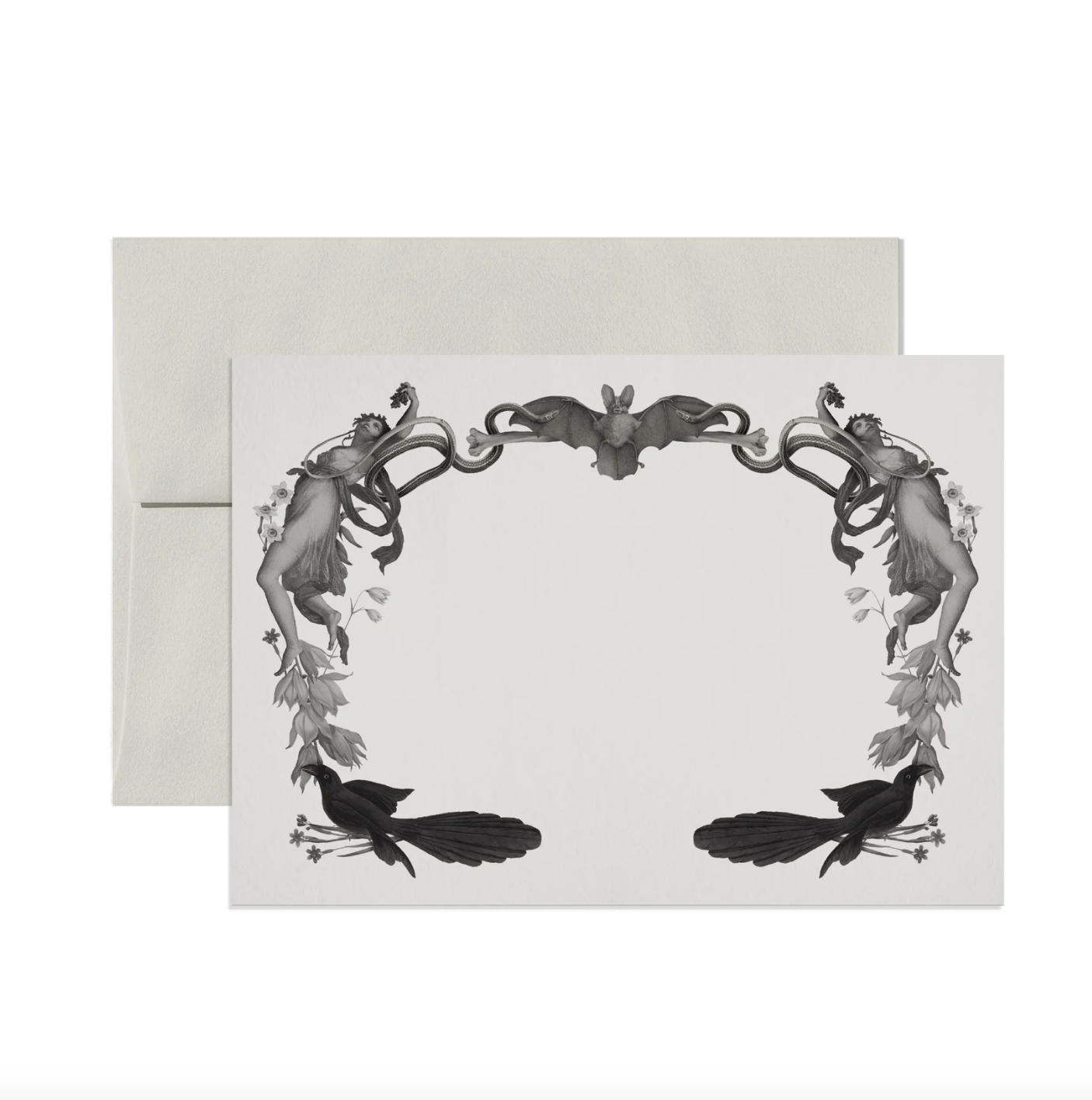
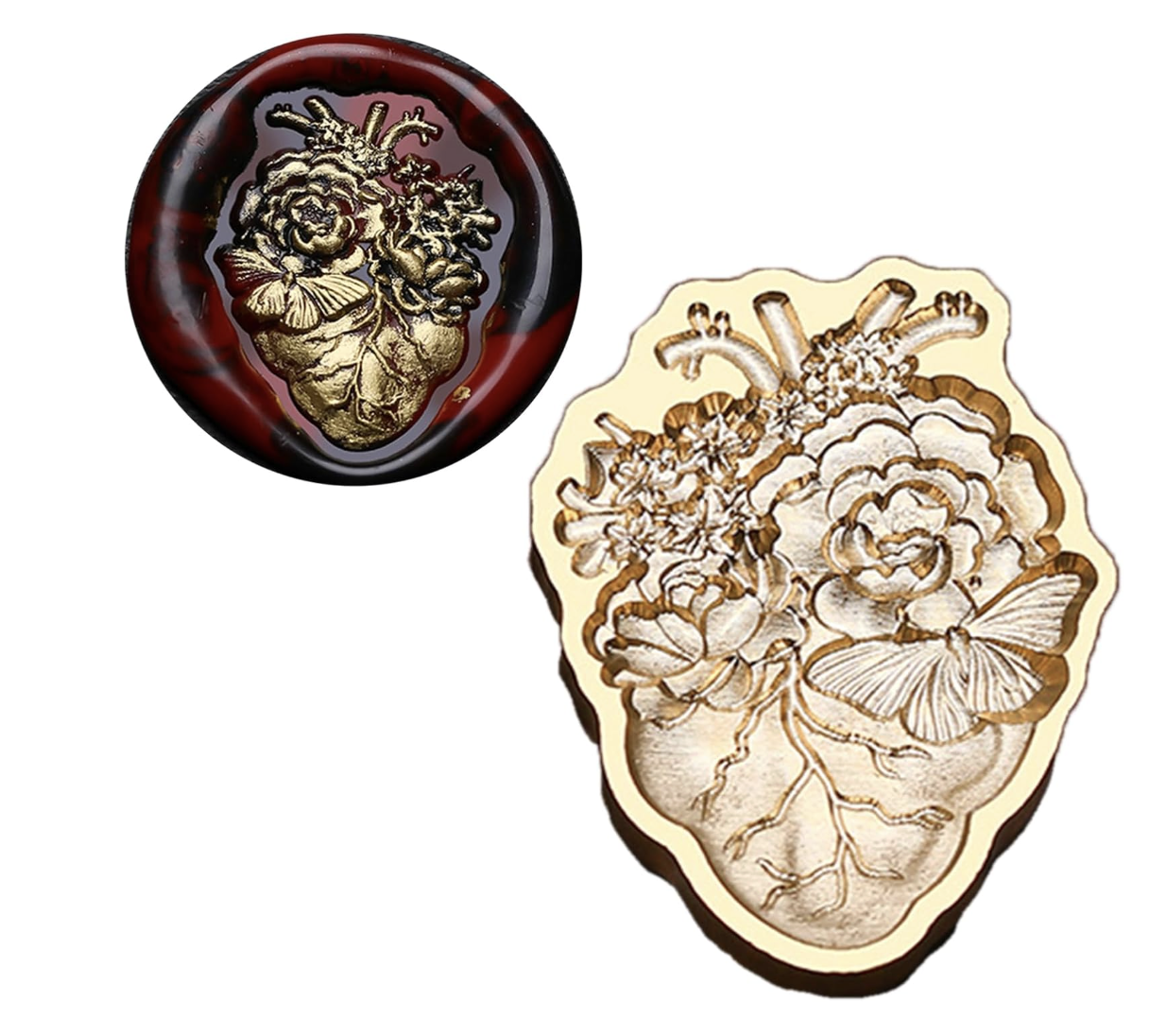
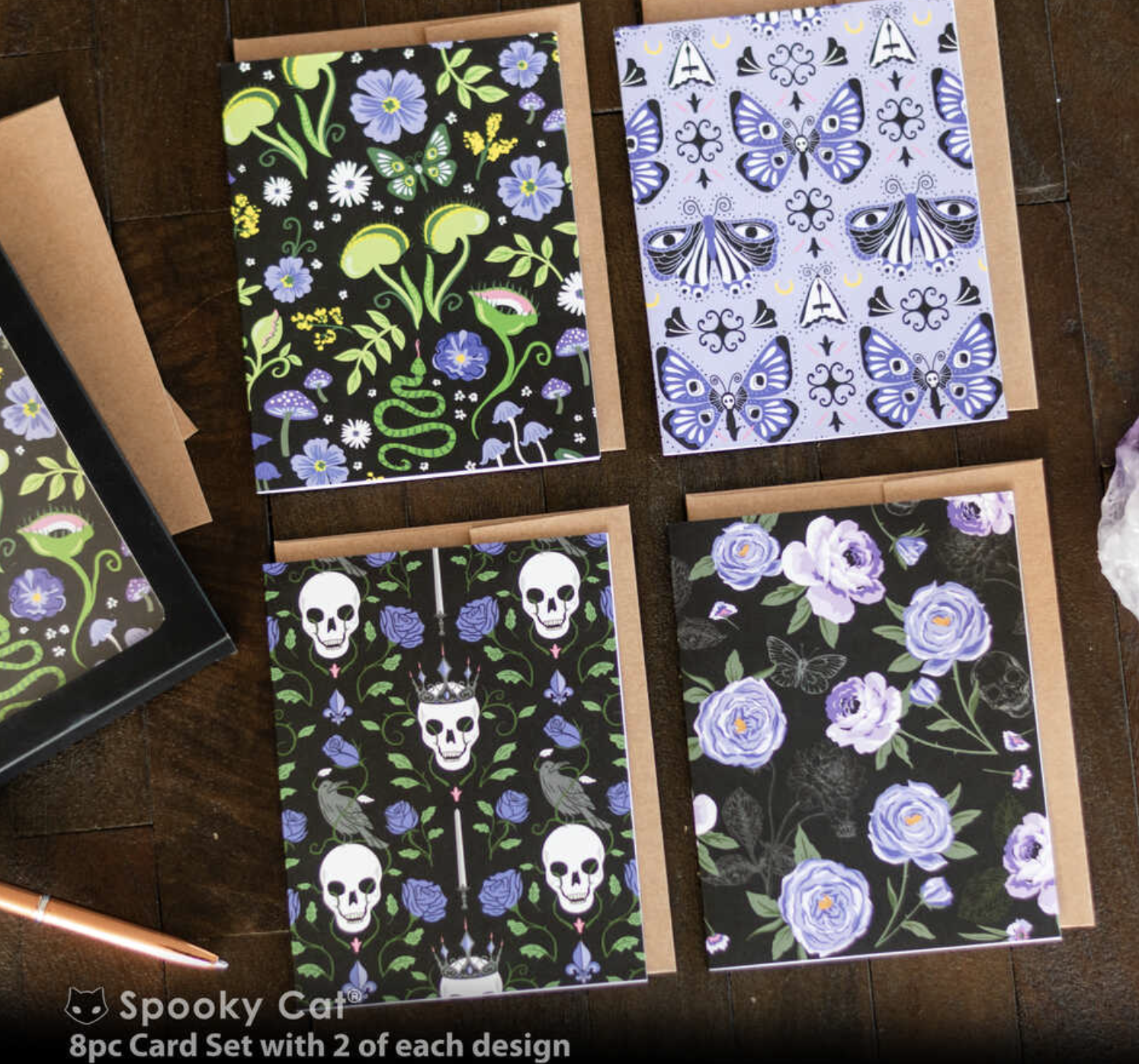
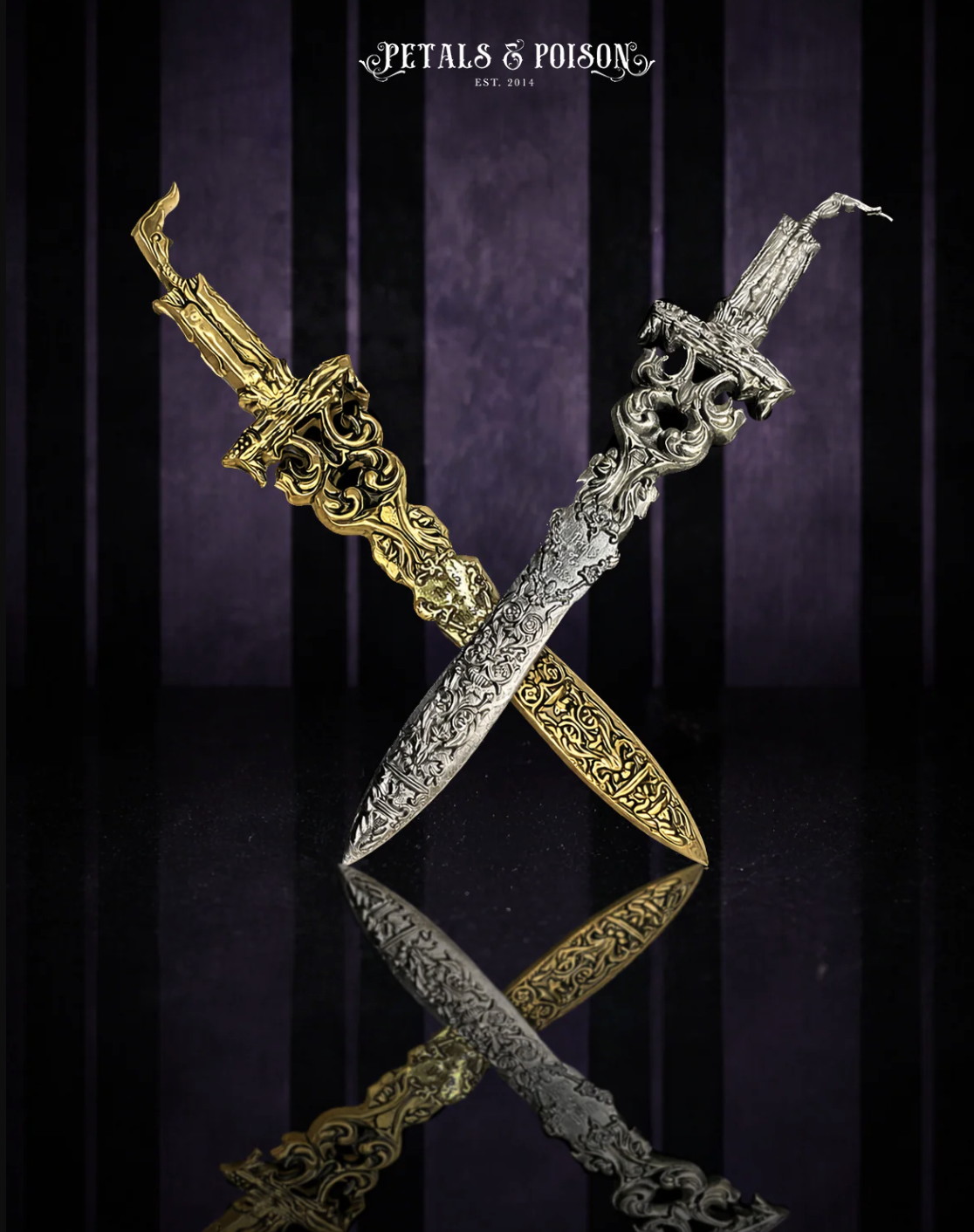
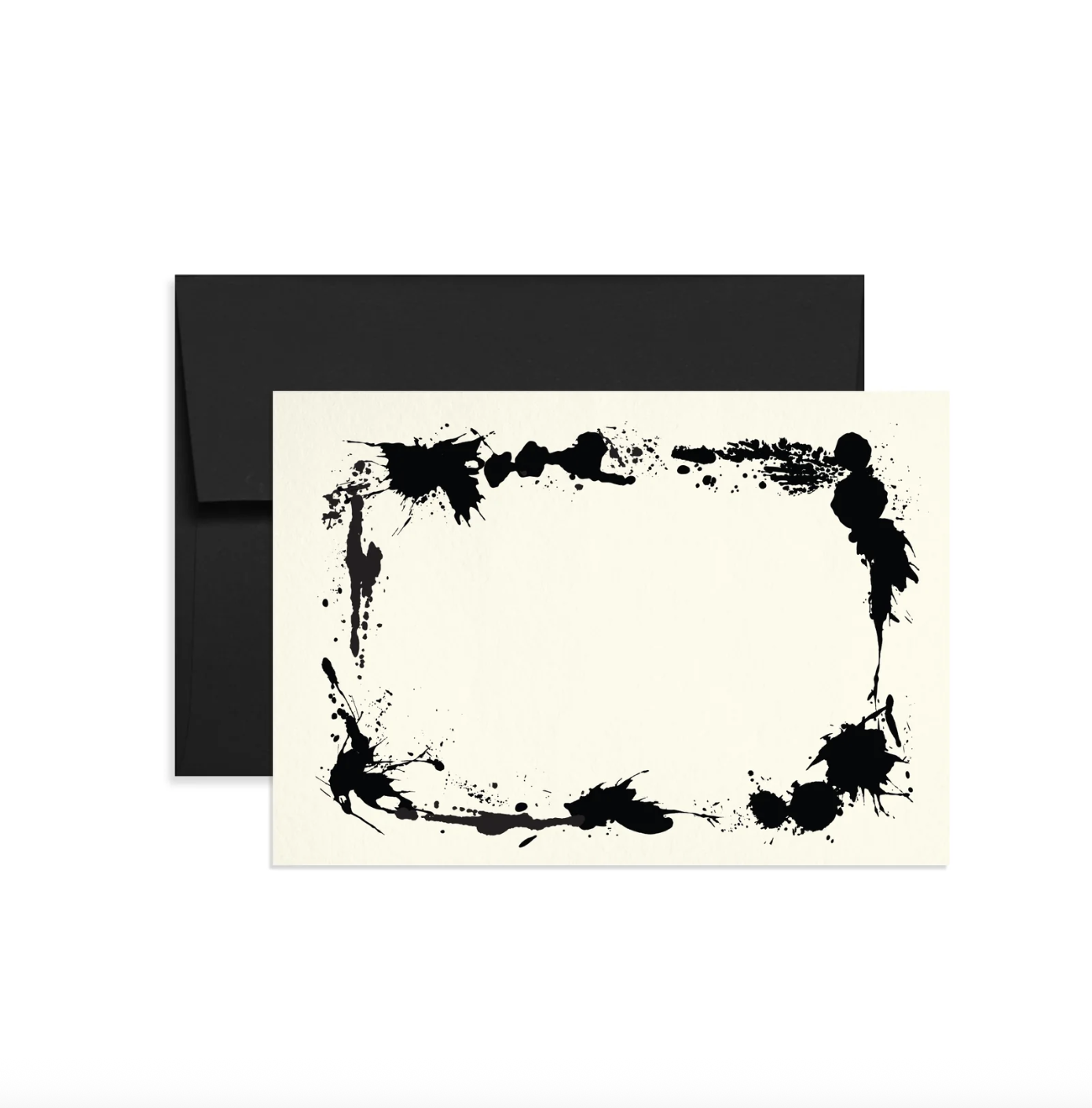
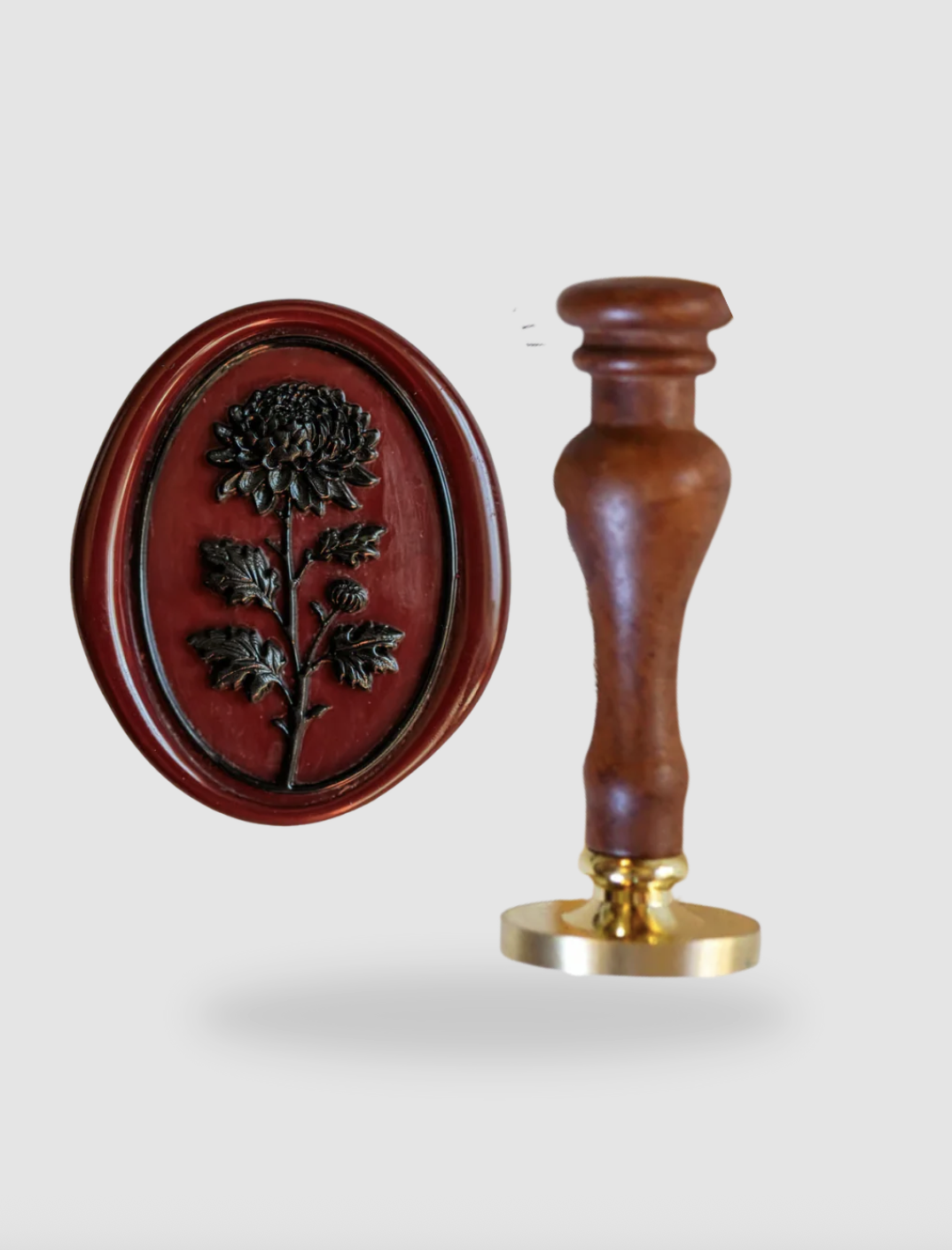

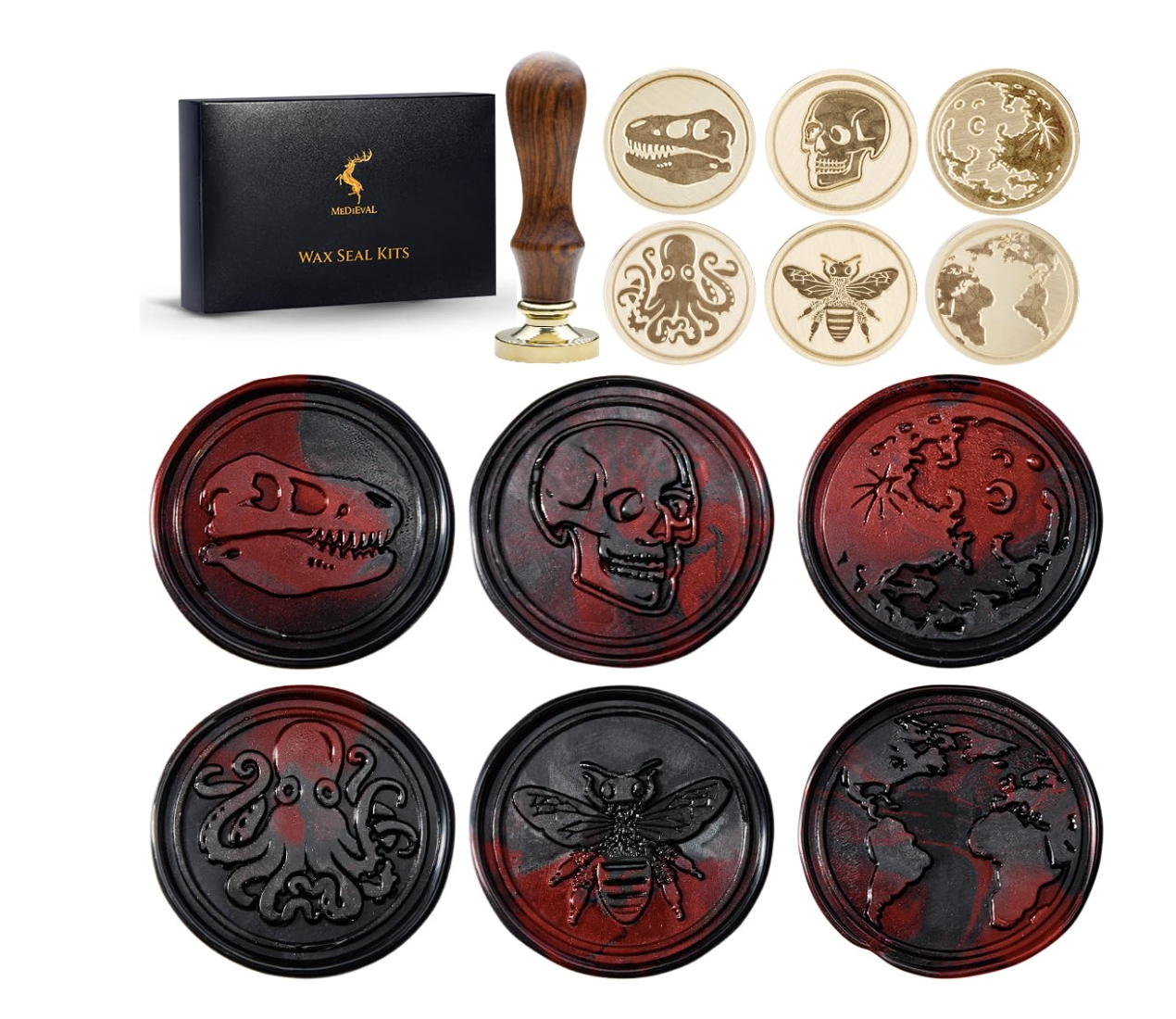
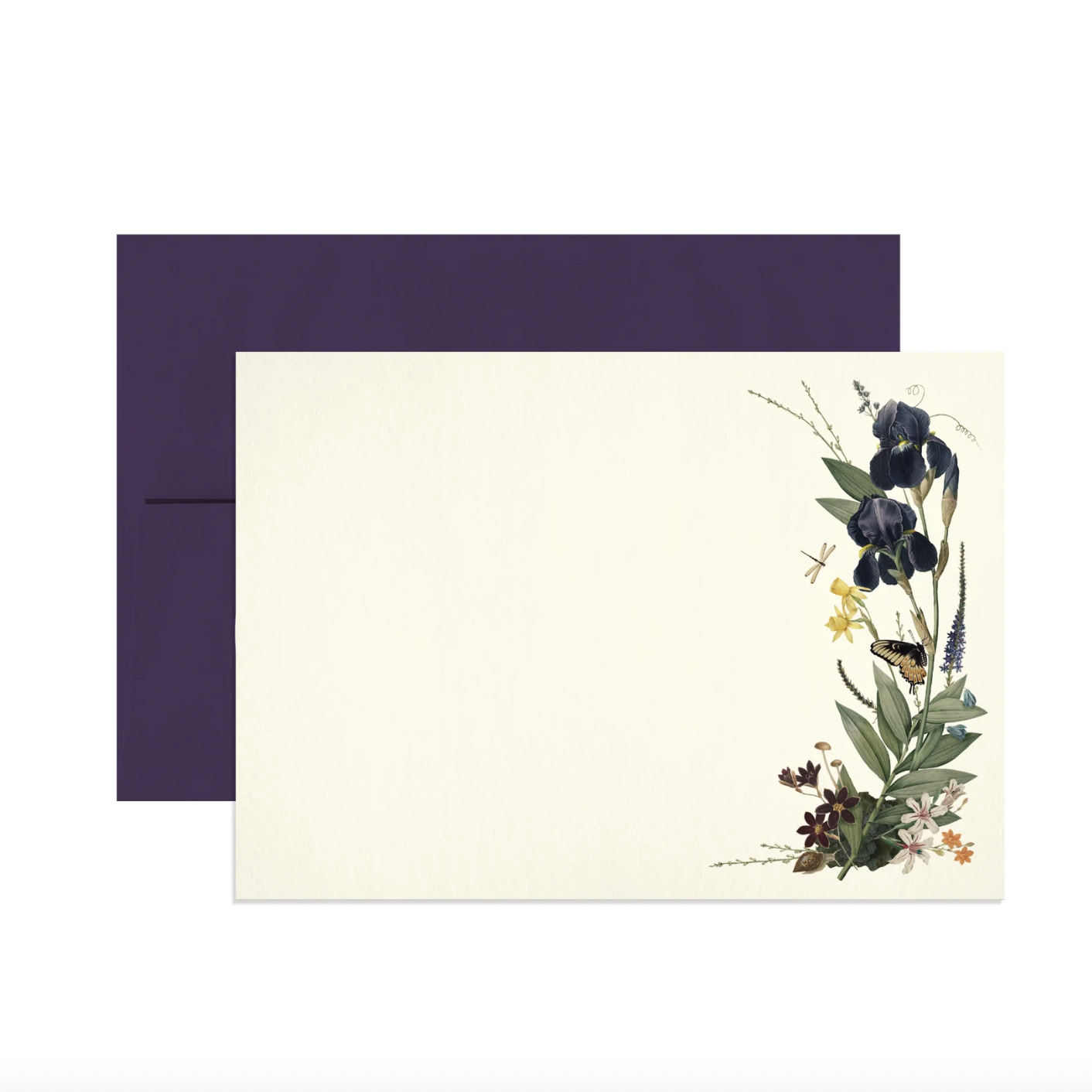
A handwritten letter carries a different weight than anything sent through a screen. It exists as an object that has moved through the world before arriving in someone’s hands, shaped by time, intention and care.
The act itself becomes part of the message. Paper is chosen. Ink is considered. A seal is pressed into place. Each step slows the exchange, turning communication into something special; both a gift and act of service.
What arrives is more than the message alone. The recipient encounters the writer in it, in the pressure of the pen, the shift of ink across the page, the subtle (and sometimes not so subtle LOL) imperfections of human script that no typed font can replace. The handwriting holds onto a certain whimsy, preserving the human trace in a way that feels increasingly rare. In an era of instant communication, a letter written this way becomes an artifact of devotion that can be opened, reread and kept for years to come.
What these practices offer is simple, but not easy.
They ask you to slow down and pay attention. To give your thoughts a place to land before they disappear into the pace of everything else.
A journal holds you to yourself. A pen carries the weight of the moment as it moves across the page. A letter extends that care outward, offering your time and presence to someone else in a form they can return to.
In an age that rewards speed, writing by hand becomes a grounding ritual that anchors thought in the present, while carrying forward a gesture shared with the writers who came before.
For more stories like these, subscribe to receive our free monthly digital issue to your inbox including a first look at dark feminine culture and art as well as the chance to vote on next month’s stories and a preview of upcoming giveaways.