Garments with a Pulse: A Conversation with Beloved Fashion Designer, Evan Clayton
An exploration of early inspiration, gothic influences and his latest collection
By: Amanda Albert
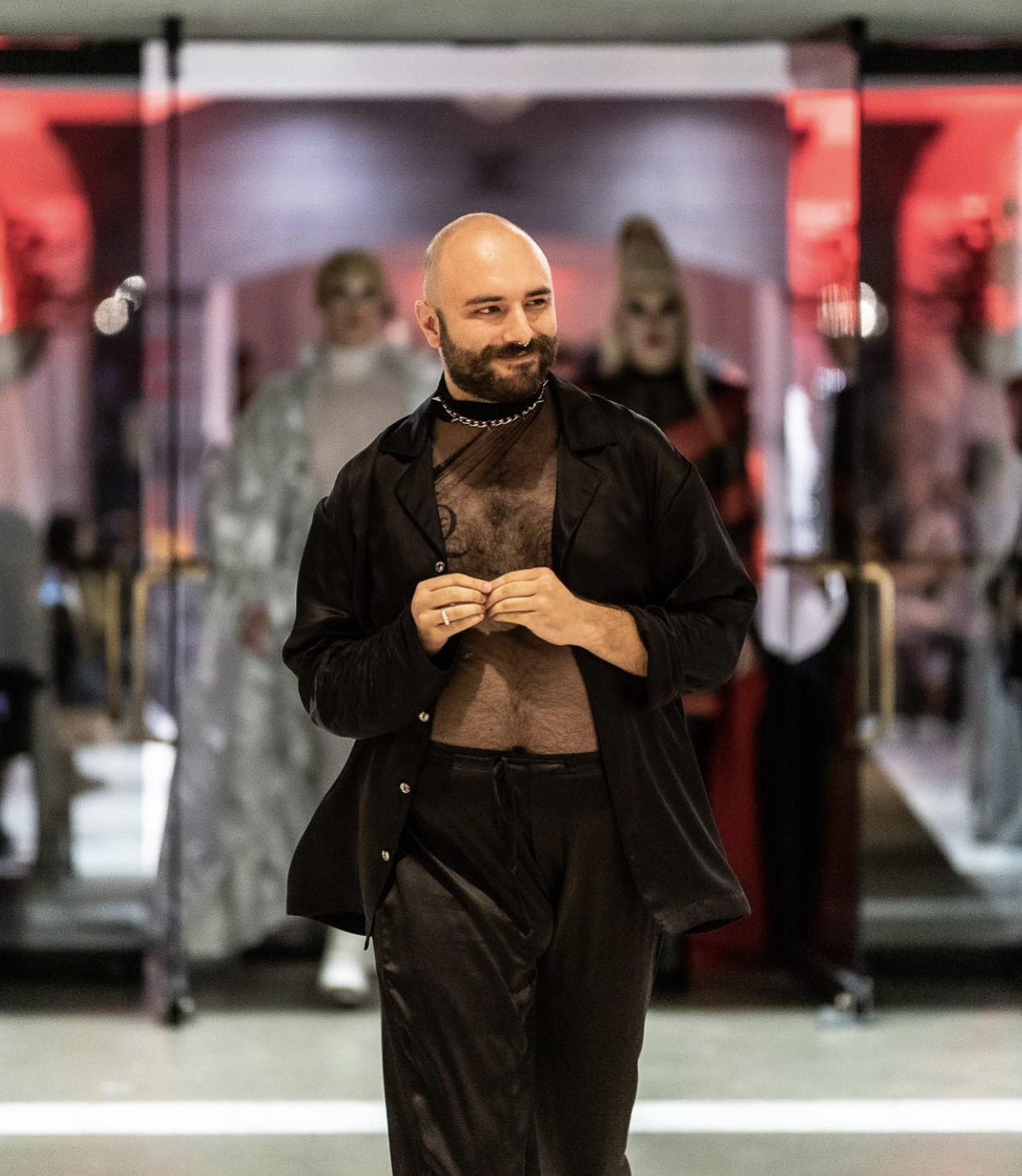
Photo Credit: @evanclayton
Fashion, at its highest level, is wearable sculpture. It is an art form designed to move the body and the mind, in tandem.
Because it resists practicality, it is often misunderstood as excessive, theatrical or, frankly, weird.
What it truly resists is complacency.
Evan’s work belongs to this lineage of fashion as cultural intervention. Each collection is built as an emotional architecture rather than a seasonal offering designed to dress trips to the grocery store.
His garments carry narrative, emotion, defiance and devotion with weight meant to endure. On the runway, the story each collection carries unfolds as performance art.
In an era that largely flattens fashion into trend cycles, Evan insists on depth. He designs not to decorate the body, but to transform how we experience it.
We had the pleasure of sitting down with Evan to discuss his latest collection, what came before and what we can expect next.
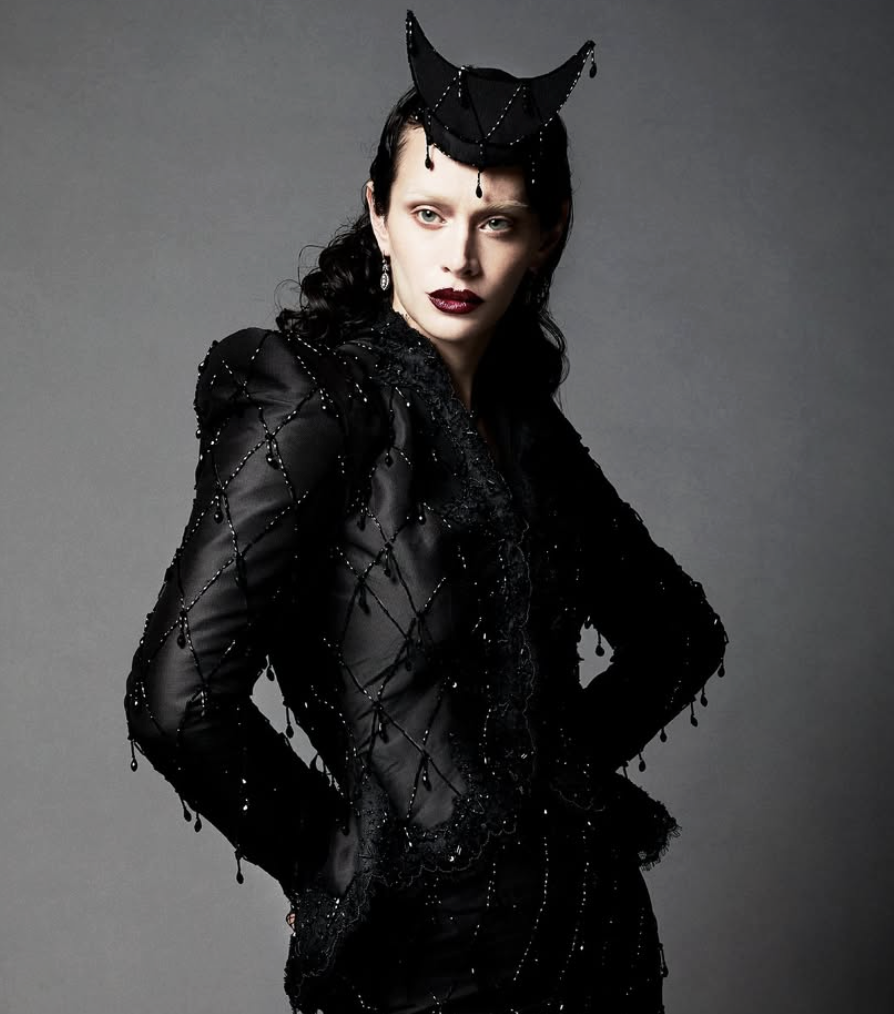
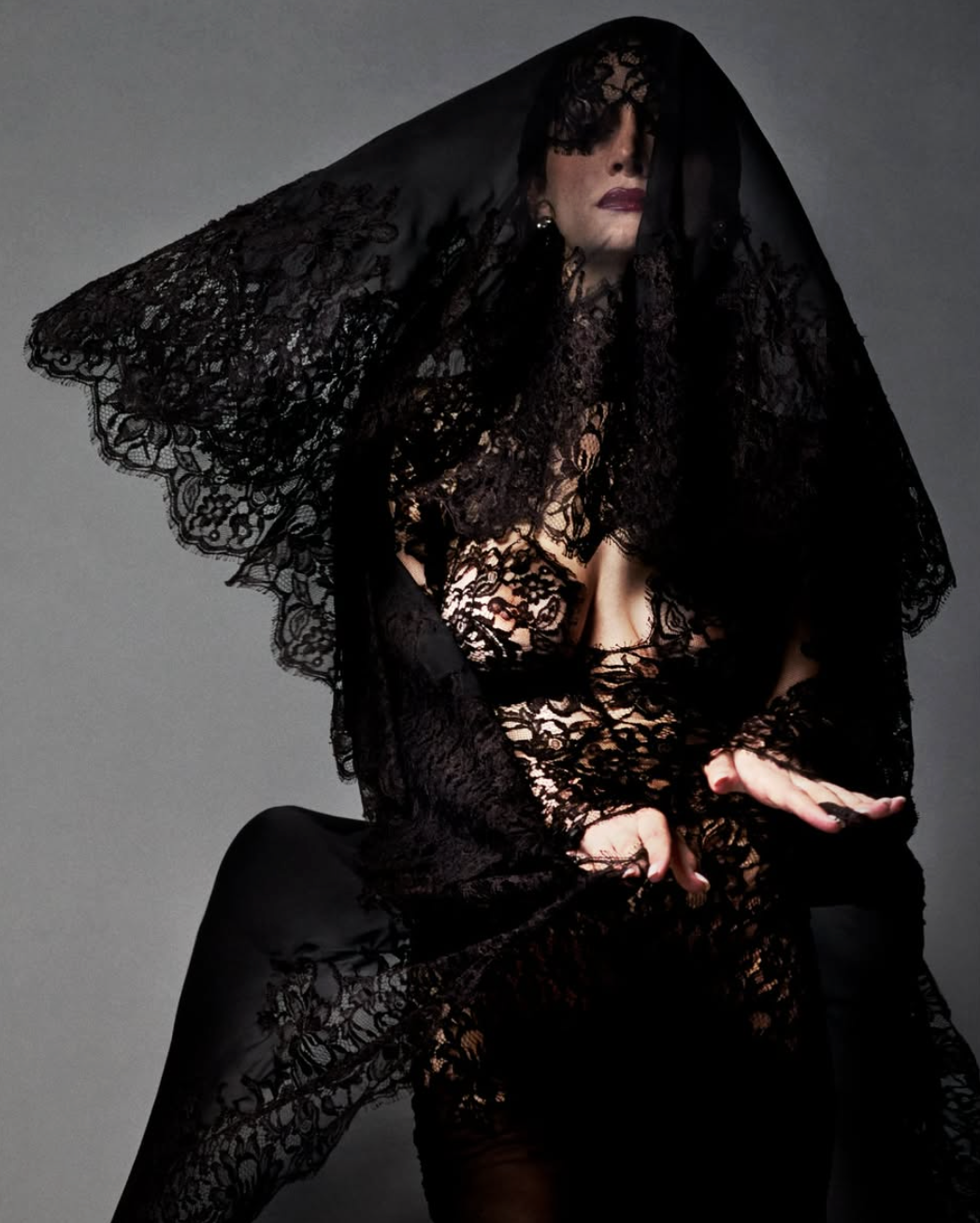
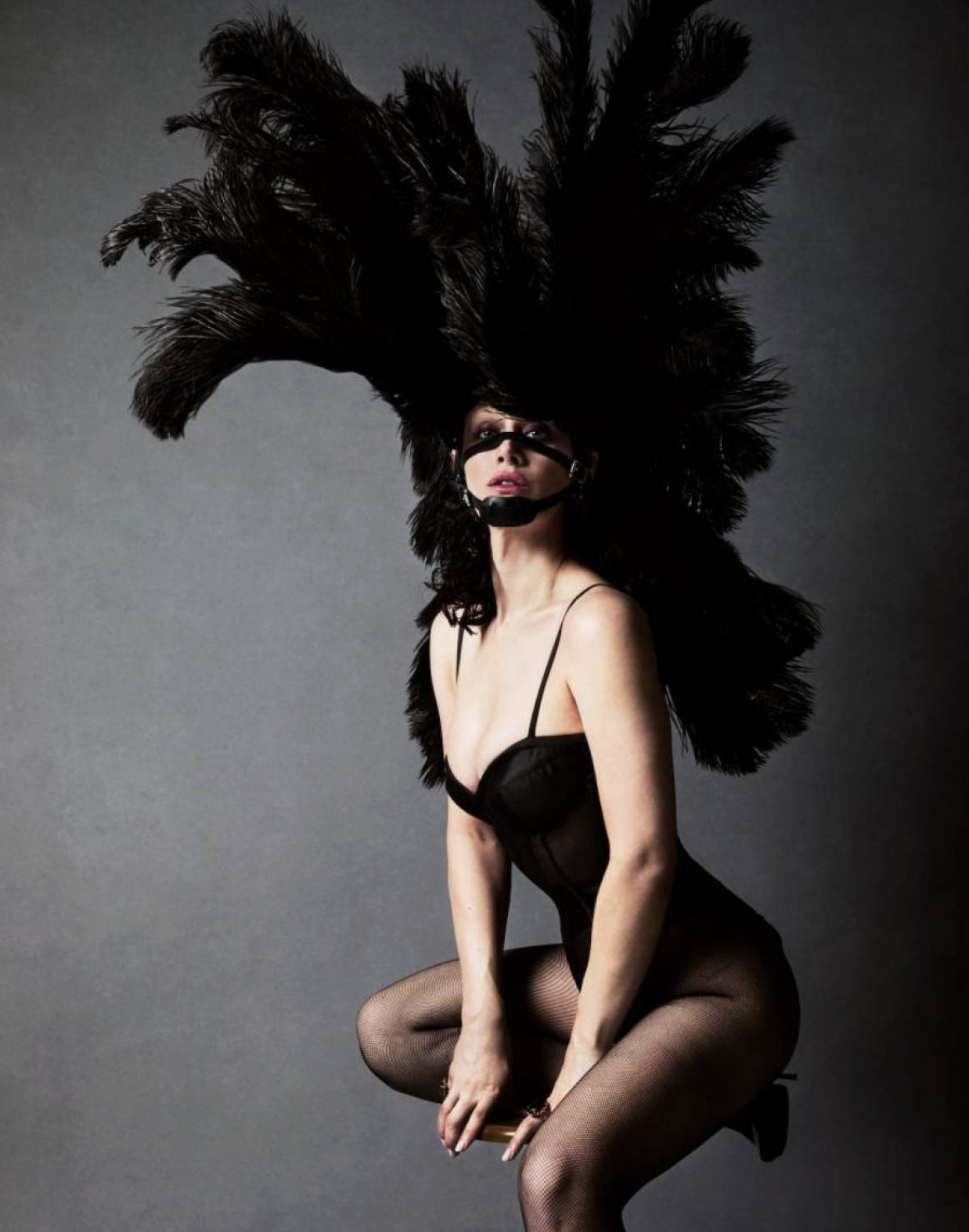
Photo Credit: @felix.yn
1. We are absolutely obsessed with your 2025 collection, PHYLLIS -- it feels deeply narrative. Can you walk us through the story of the collection—who or what is PHYLLIS, and what emotional or conceptual world were you building with this work?
Phyllis is my maternal grandmother, someone who I have loved deeply for my entire life. She was diagnosed with dementia a few years back, and PHYLLIS as a collection is a dedication to the memory that I hold of her.
She is a fabulous woman who wouldn't be caught dead without a statement earring or lipstick on.
PHYLLIS is also a tribute to queer and trans elders. During the pandemic when trans rights and protections were first starting to be attacked my FYP was flooded with older trans women who were telling their stories of survival. The life expectancy of a trans person in the States is 30 years, less for trans people of colour. With this collection I wanted to imagine a world where seeing trans people in their 80's was the norm and not the exception, and washed with the colours of love that I hold for my Grandmother.
2. What influences shaped PHYLLIS? Whether designers you admire, cultural moments, film, literature, politics, or personal experience—what references were consciously woven into the collection? Or, subconsciously, realized after-the-fact?
The 80's and the 40's were my biggest points of reference for this collection.
I looked at a lot of Thierry Mugler, Claude Montana, and ladies wear archival magazines.
The world of PHYLLIS felt to me like Gotham City in the 90's Batman the Animated Series, a mishmash of era's in a highly dramatized way/I wanted this woman to feel invincible, so I also looked at methods of defence and offence in the animal kingdom. Camouflage, poison, claws, all shaped to a feminine fluidity through the clothes.
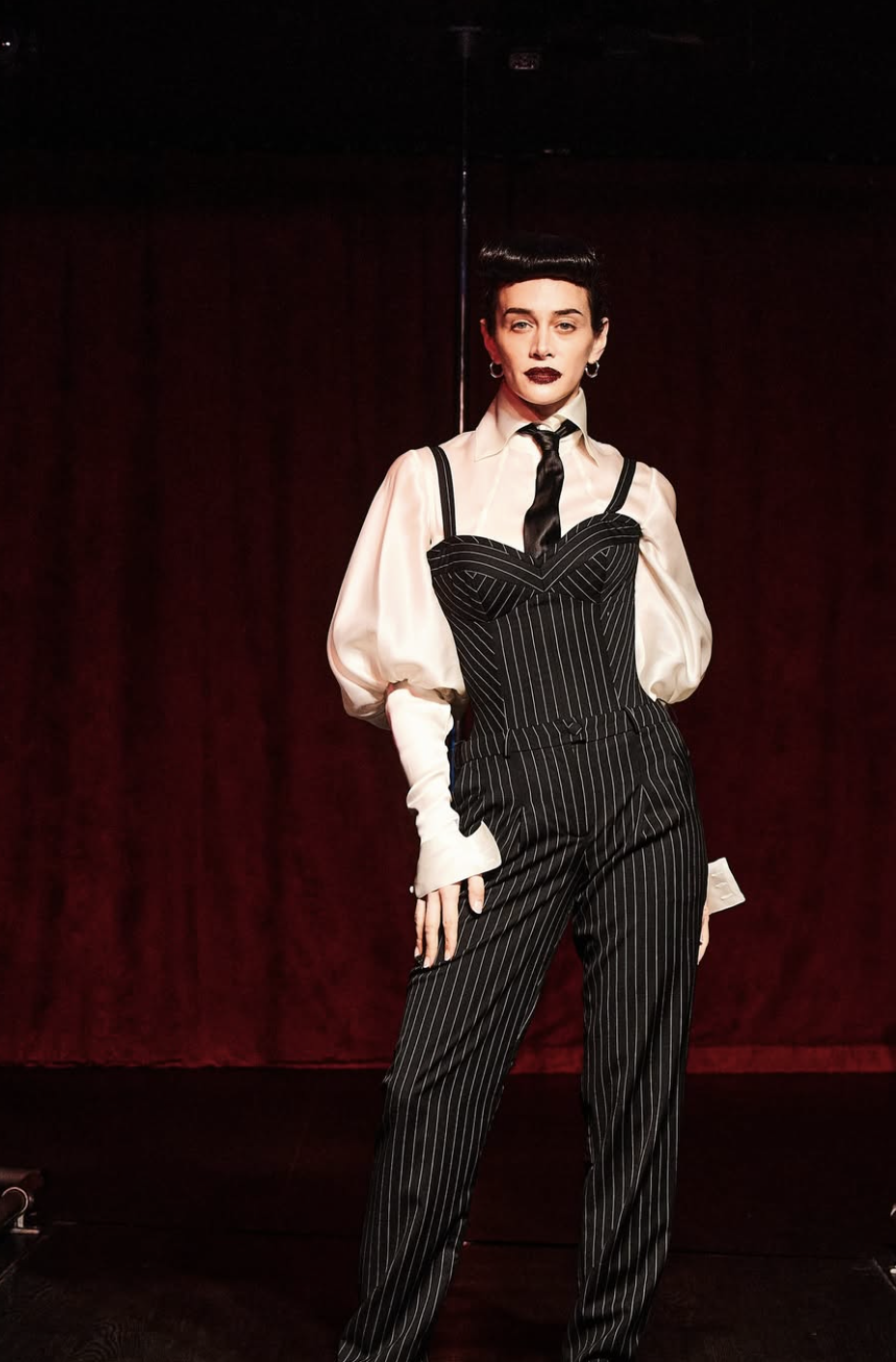
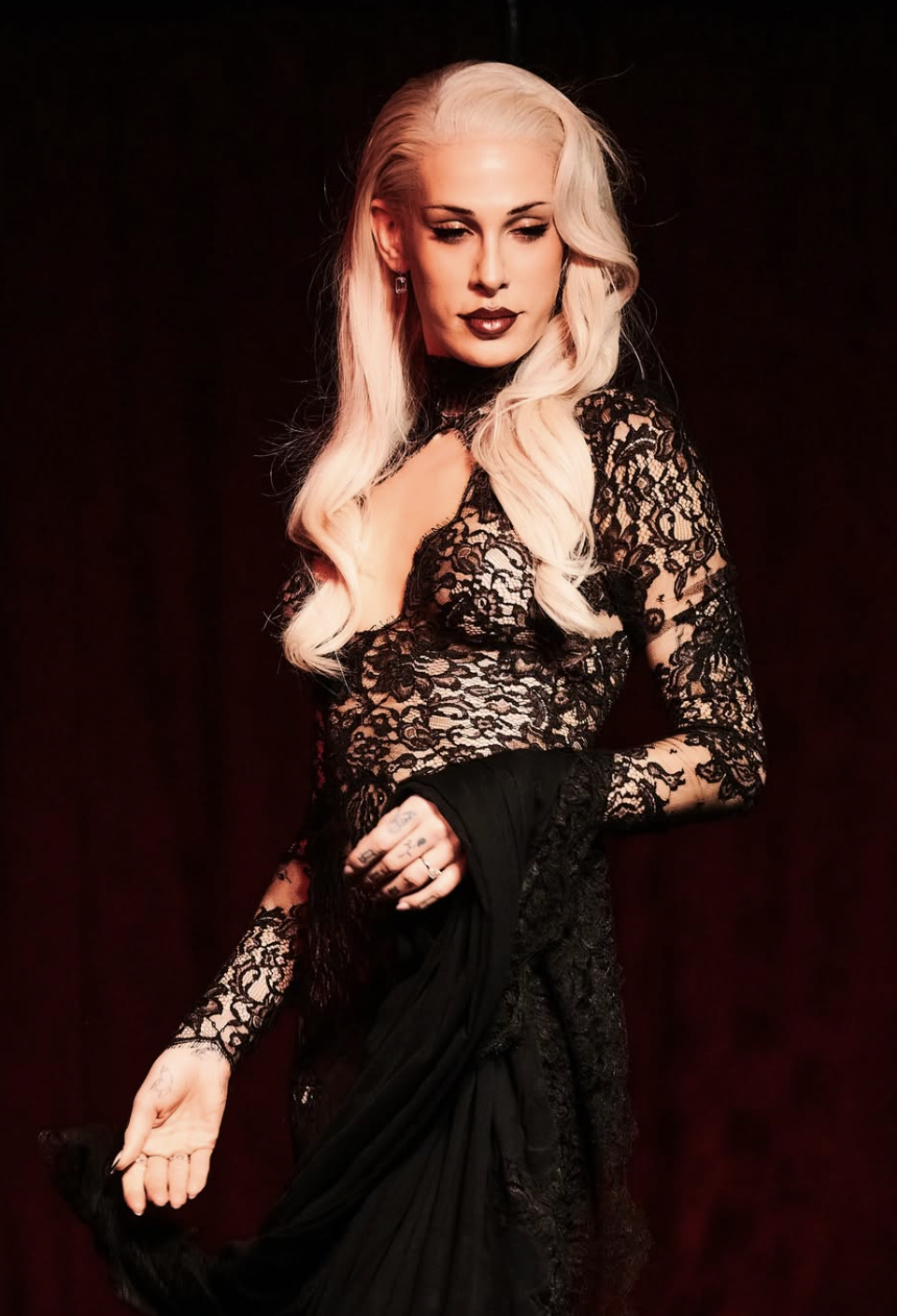
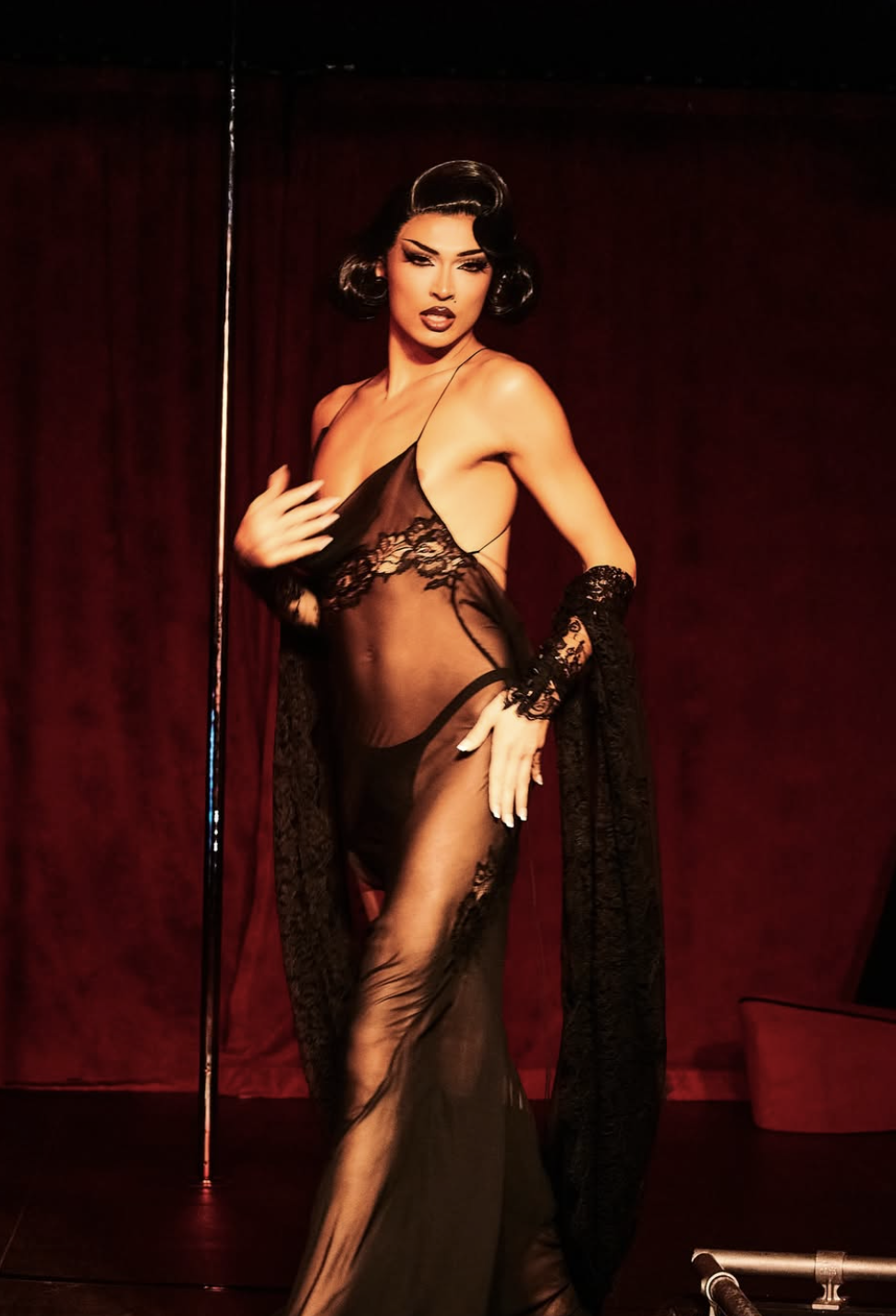
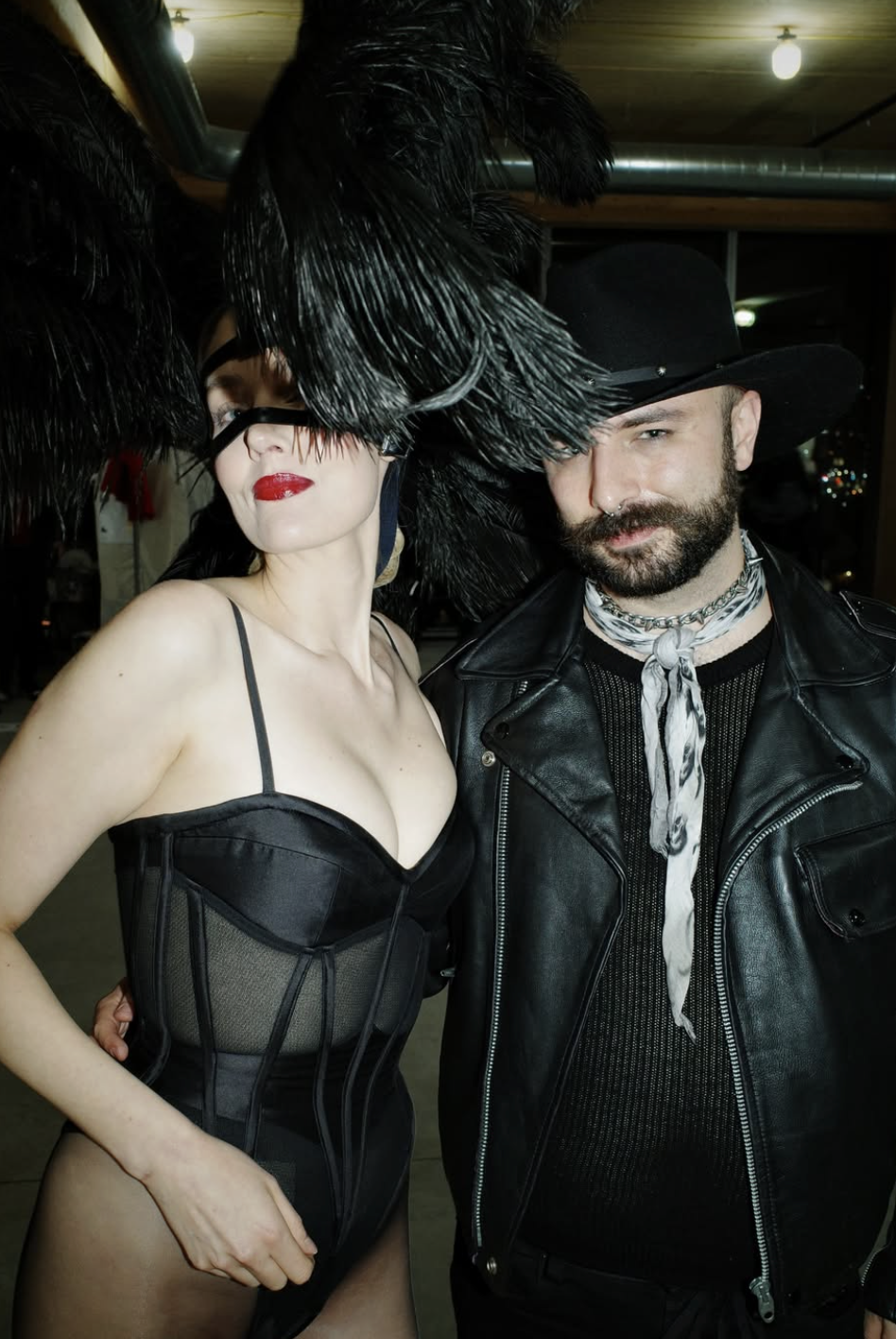
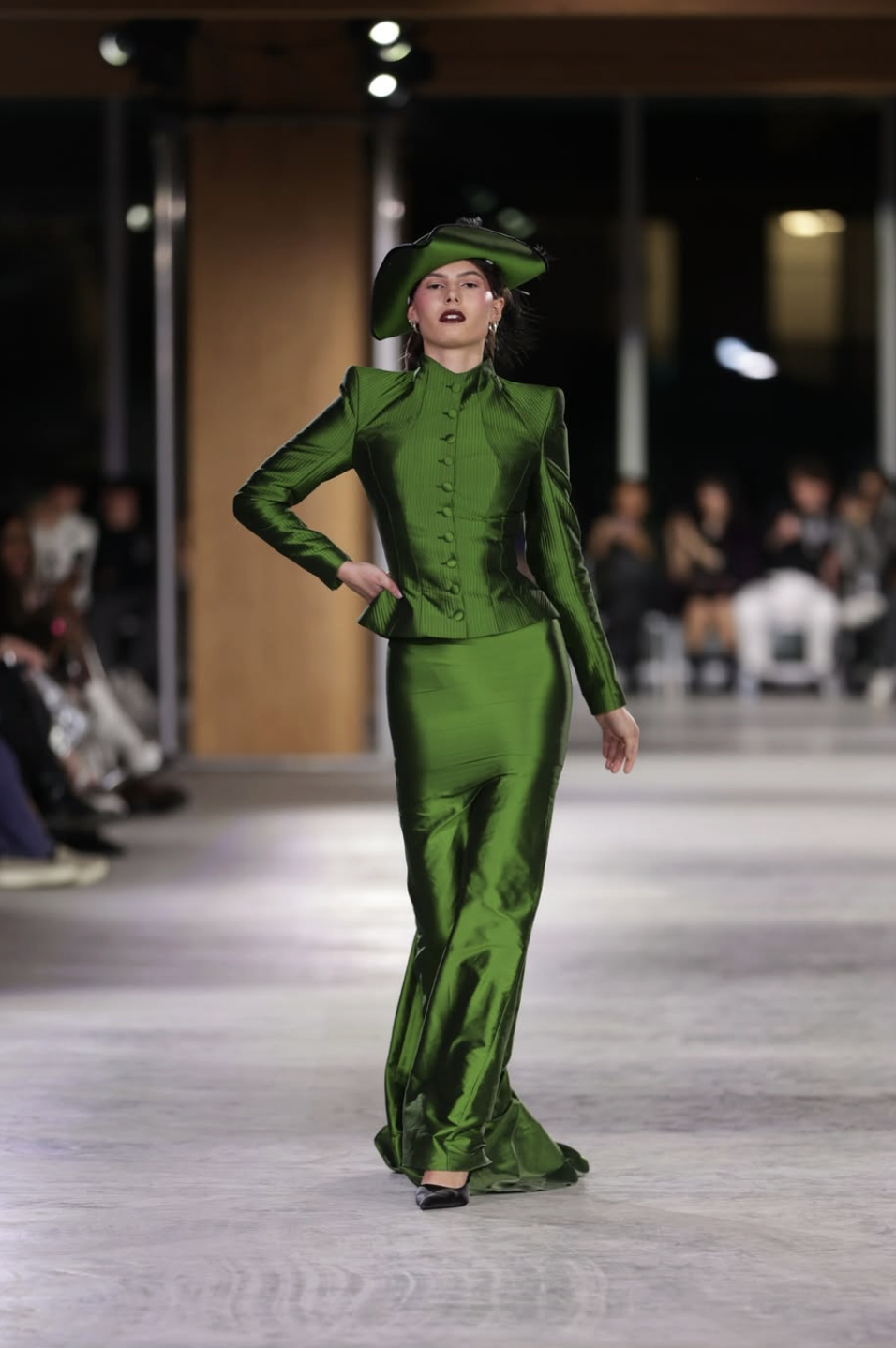
Photo Credits: @wurld2000k, @evanclayton, @fashionarttoronto
3. The runway presentation felt as intentional as the garments themselves. How did you approach the show as performance art, and what details—from casting to movement to staging—were essential to communicating the collection’s message?
I was lucky enough to show PHYLLIS twice, once in Vancouver and once in Toronto. Being native to Vancouver meant that I was able to more fully flesh out the vision for PHYLLIS. The show took place at the iconic Penthouse Gentleman's Club, a strip club with deep roots in Vancouver's history. Home to the mob, the Rat Pack, burlesque, strip shows and drag shows, it was the perfect place to show the collection! I worked with Leigh Disckson and Lizbell Modelling Agency for the casting of the show, featuring plenty of trans and drag talent. I instructed the models to channel Mugler fashion shows and 1940's salon style presentations.
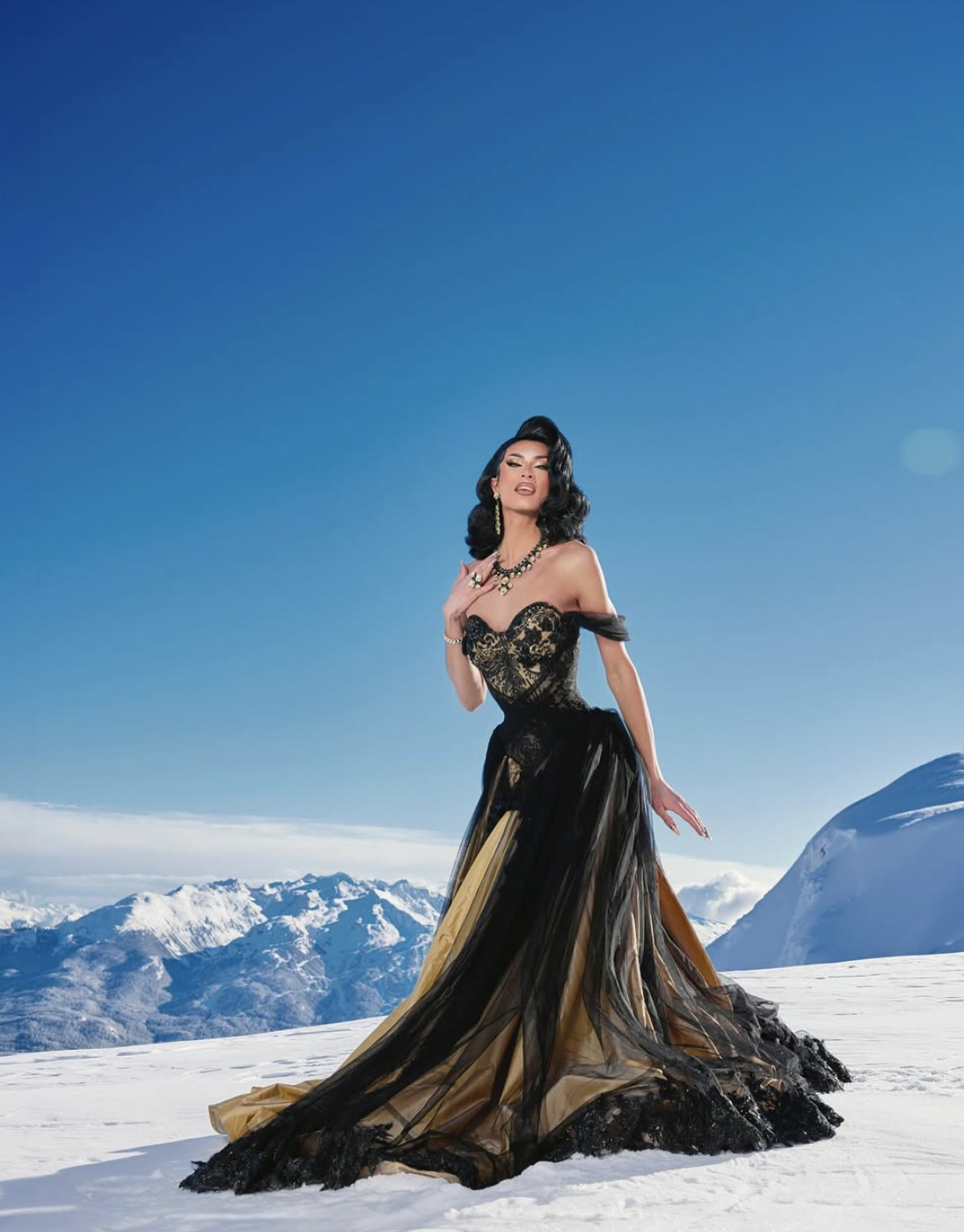
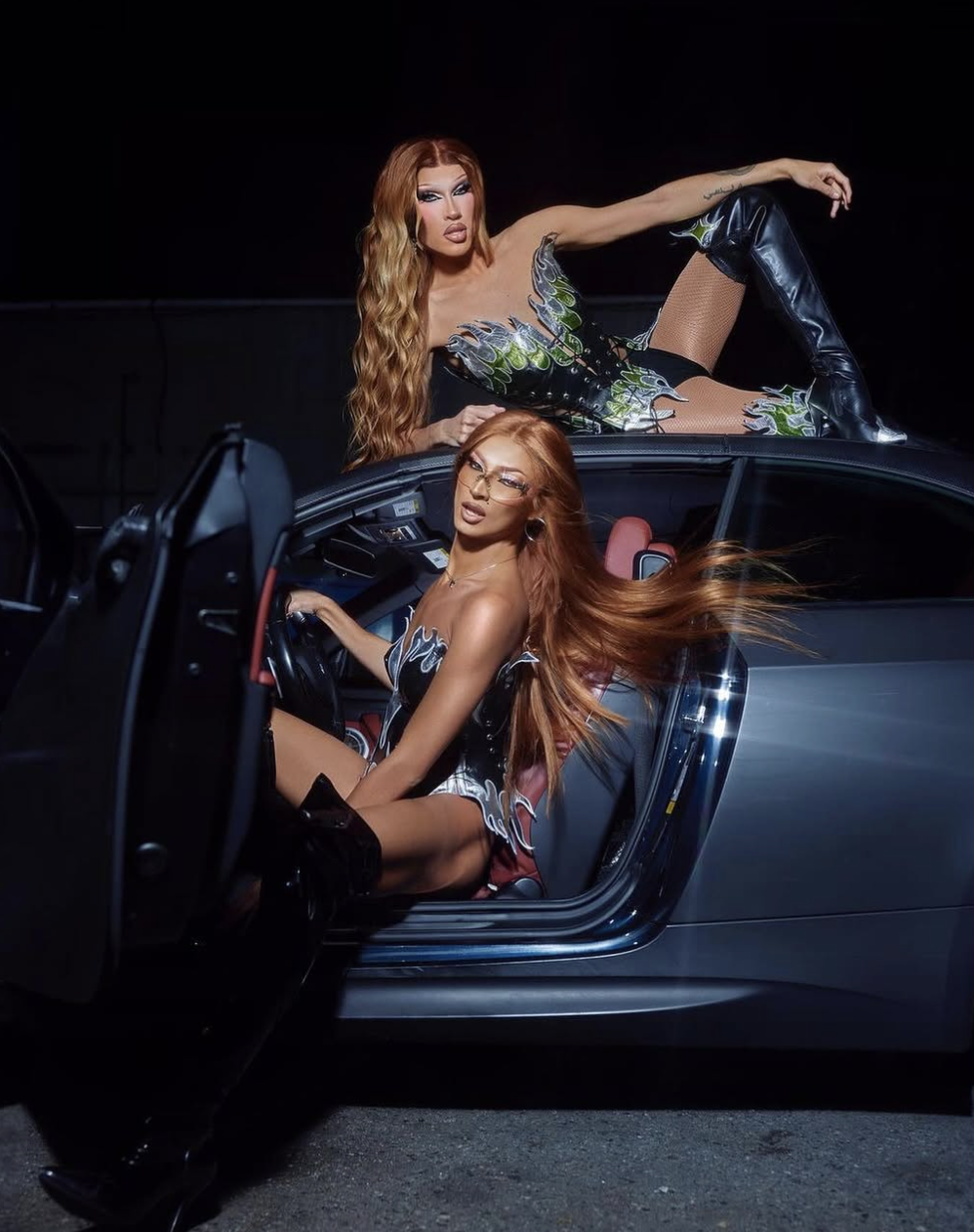
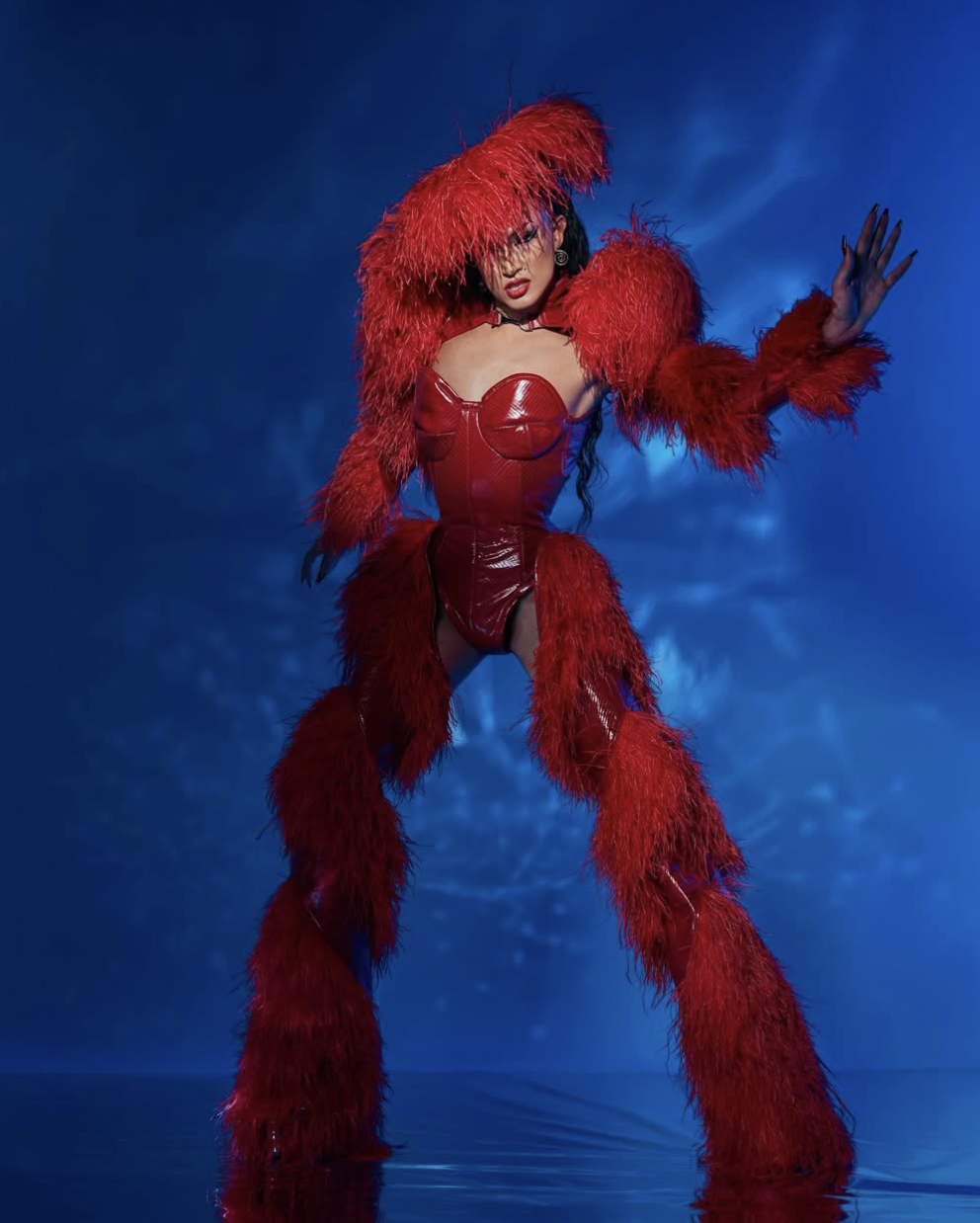
Photo Credits: @evanclayton, @fcysneiros, @thedragseries
4. Your work appearing on Canada’s Drag Race introduced your designs to a broader audience. What was it like seeing your pieces brought to life through such an beloved and iconic series, and how does that space—where fashion, identity and performance collide—resonate with your own design philosophy?
Canada's Drag Race is always a wild experience for me, the drag community is something that deeply resonates with me in my work, but it's also very much my social circle! I had been friends and studio neighbours with Ilona for years before she was cast on the first season, Kendall Gender has been one of my closest friends for over a decade, I've worked with her and the rest of the Bratpack for years before their time on the show. More often than not I'm working with people I think of as friends when it comes time for them to prepare a package for the show! That's been very helpful in preparing looks for them, I have a more intimate knowledge of their styles and personalities and can weave that knowledge into everything that I make for CDR!
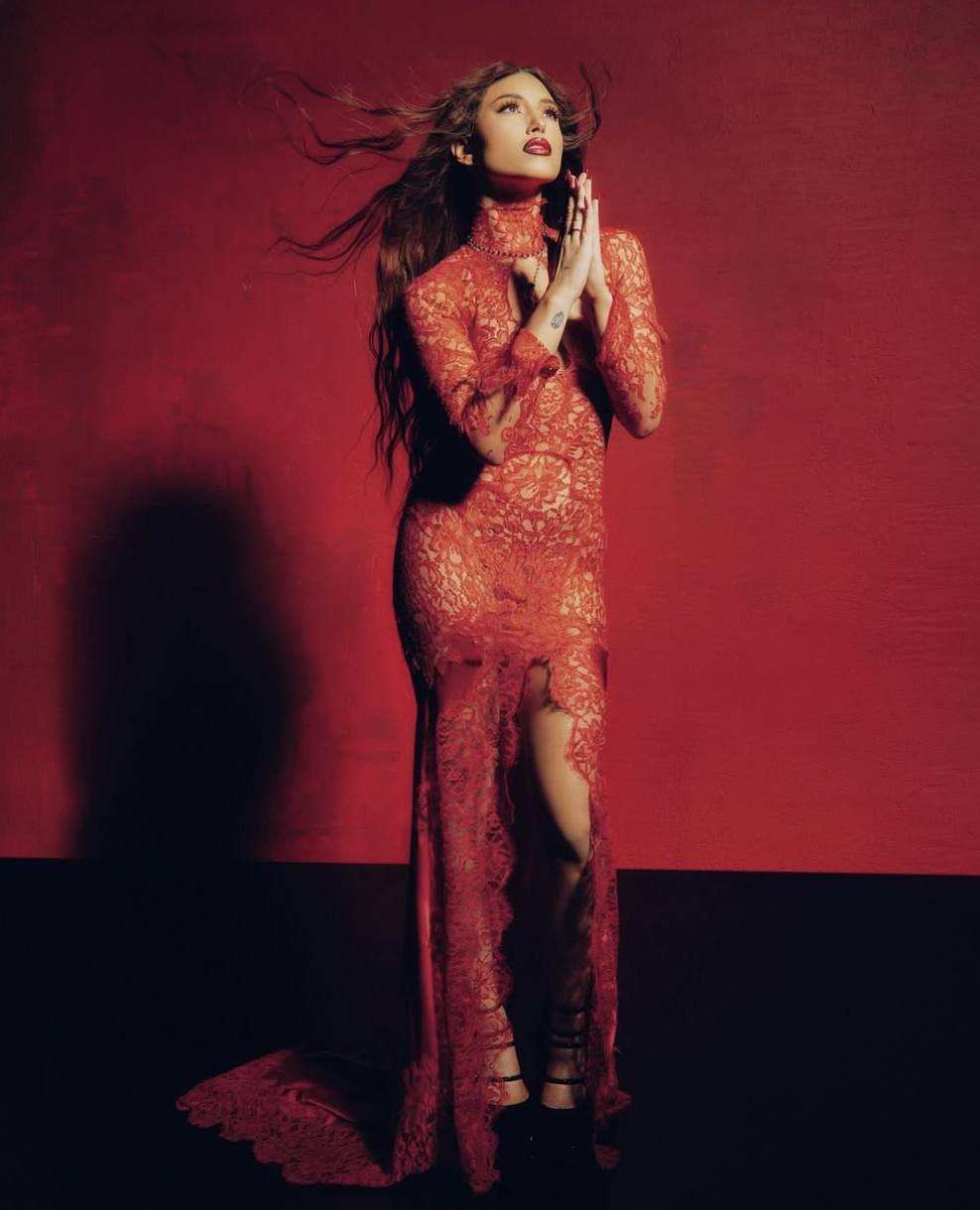
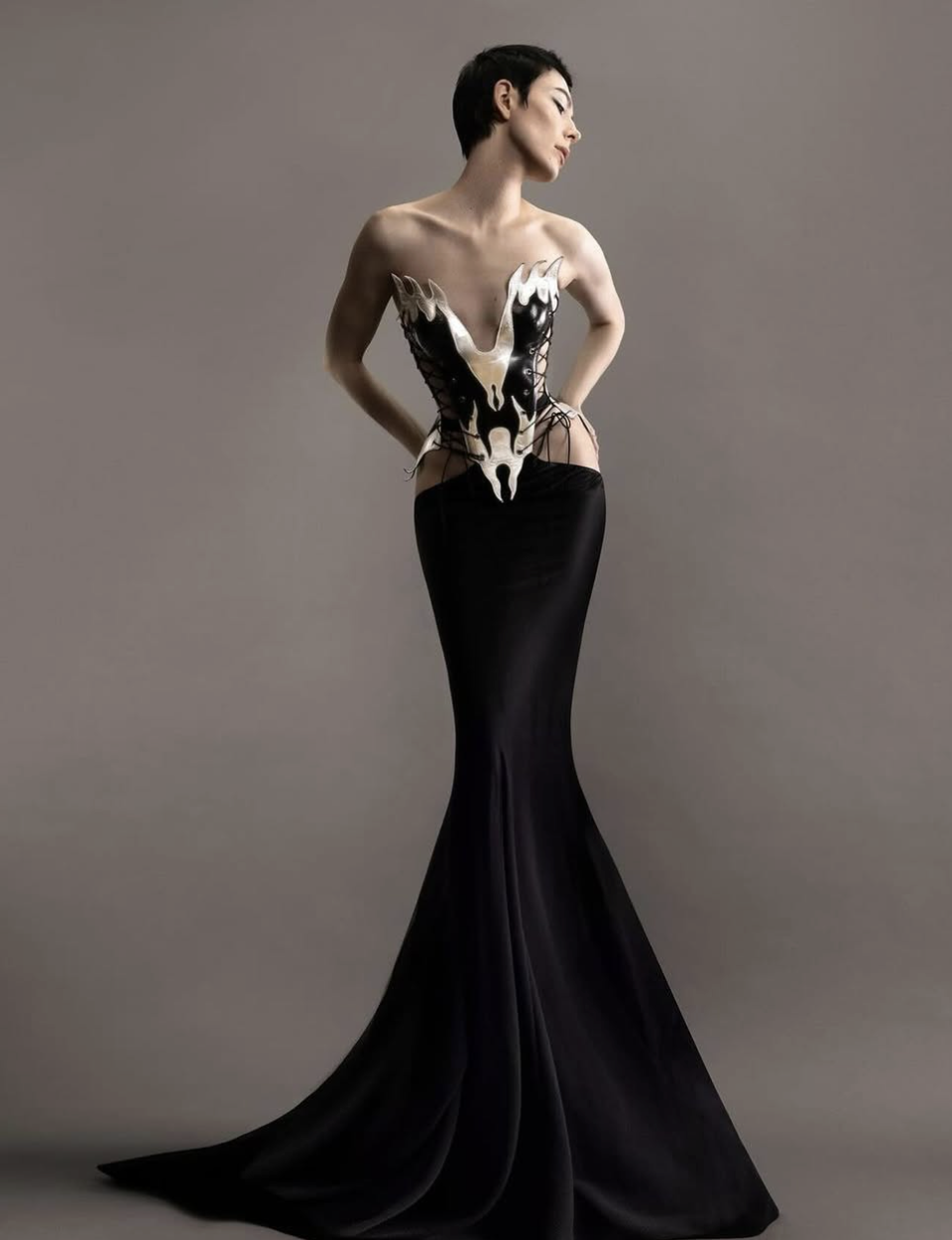
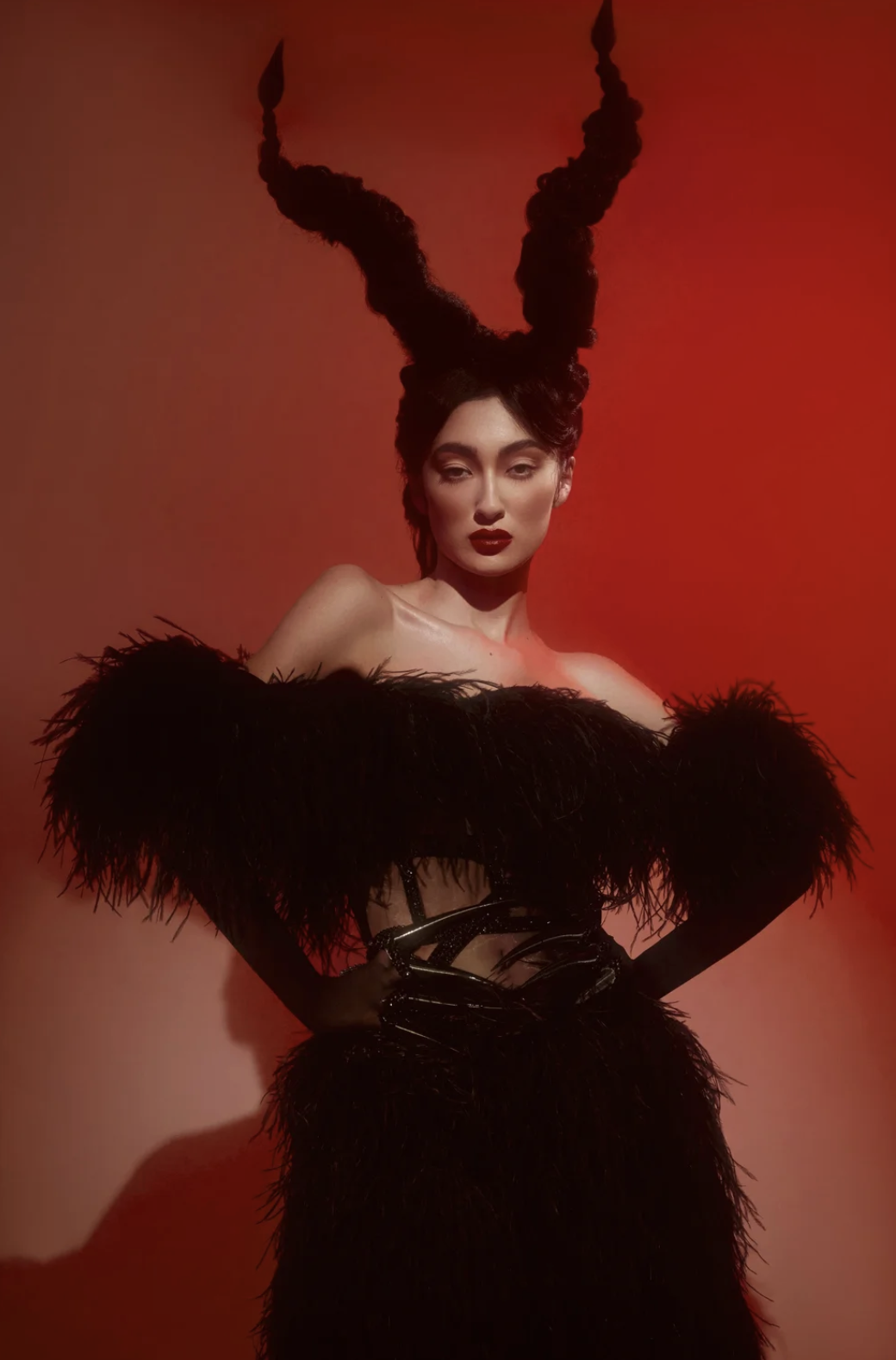
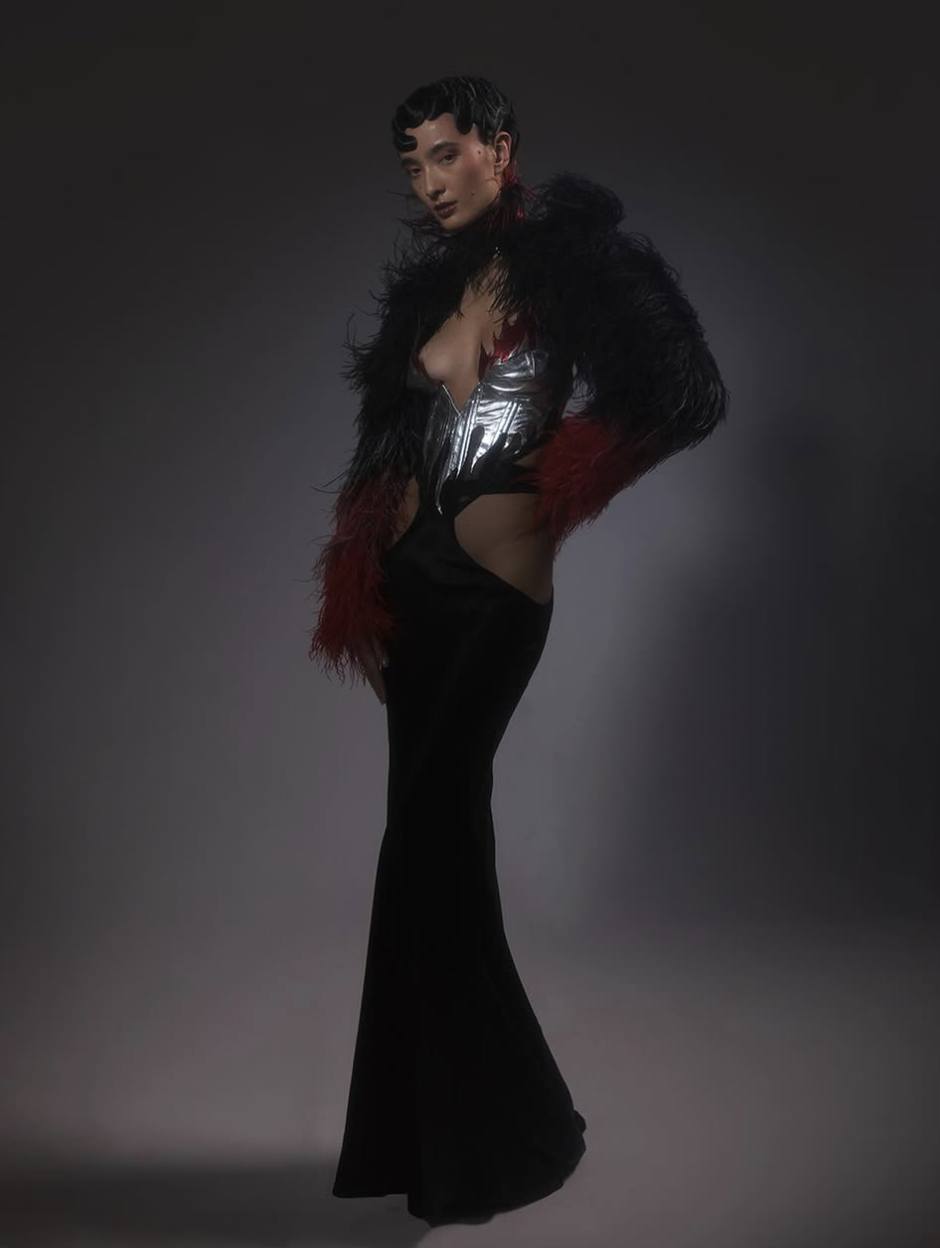
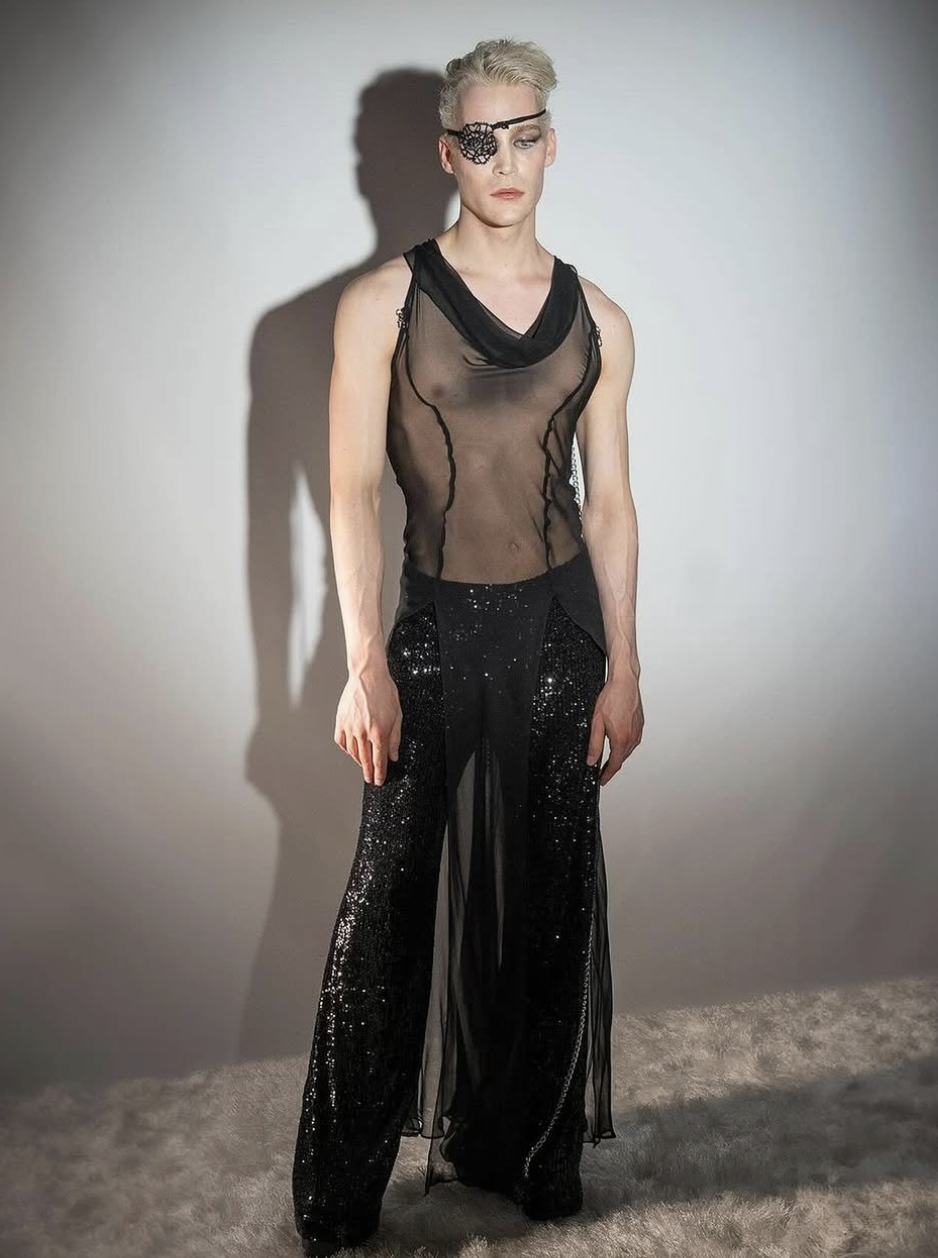
Photo Credit: @evanclayton, @garrettnaccarato, @katewhytephoto, @fcysneiros, @thedragseries, @carl.ostberg
5. Your 2024 collection INFERNO carried a very different energy while still feeling unmistakably “you.” What was the core idea behind that collection, and how did it mark a turning point or continuation in your creative evolution?
INFERNO was a very fun and cathartic collection for me to make. I had been starting to plan that show just before the pandemic began, and as the world traversed the ever changing rules and regulations of gathering in larger numbers, the collection changed as well.
At first it was an underground club show, then it evolved into a planned multi-part digital release. As I was working on that digital release public events were beginning to be able to happen again, and the joy at the thought of an in person event had me turn it into the incredible show that it ended up being! That collection came from a place of fear, and turning that fear into power. I channeled my favourite heroes and heroines from Final Fantasy, a series I am incredibly attached to, to create a collection that explored the joys and perils of heaven and hell.
6. Looking back at INFERNO, what elements—silhouettes, textures, or symbols—do you feel most proud of, and what did that collection teach you that you carried forward into later work like PHYLLIS?
I feel like INFERNO solidified a lot of my design language while also served as a goodbye of sorts to a style that I had become known for. I've been wanting to shift my visual identity to a more fashion focused place, which is what I feel that I accomplished with PHYLLIS, but I also wanted to celebrate the more costume based fashion I had become known for.
I really sank into the flame iconography that I have been exploring for years with INFERNO, and I'm excited to continue to explore that in new ways. There are a few other looks in PHYLLIS that I ended up cutting from the show that featured these flames, something to explore in the future!
7. Black palettes, feathers, spikes, horns, lace—these gothic elements recur throughout multiple collections. Where does this visual language come from for you, and how do you see your relationship with gothic symbolism evolving rather than repeating?
I wouldn't say that my work is strictly gothic, however I definitely am very inspired by the morbid romance evident in great gothic architecture and literature. So many of my collections come from a poets heart dipped in black ink, I'm more inspired by tragedy than comedy.
I feel that my best work comes from an internal place of struggle, and overcoming that struggle. I suppose that it where a lot of the more gothic elements of my work come from, but also I just love leather, lace, and black haha!
8. Growing up, what brands, designers, or pop culture moments shaped your sense of style? And for fun—what’s the most cringeworthy trend you fully committed to in high school that the designer in you wants to forget?
I have always had a deep respect and admiration for Alexander McQueen. He is the reason why I wanted to become a designer in the first place, and I have studied many of his collections in my life! As well, seeing Lady Gaga marry theatricality with pop sensibility shaped my work profoundly. I've always felt too fashion for costume and too costume for fashion; much like the way she was perceived as too theatrical for pop and too pop for theatre.
In high school I had a very emo meets prep style that I still like today tbh! The only thing I regret was all of the black box hair dye I went through!
9. How did you get your start—from education and early training to the moment you realized this could be a viable, serious career? Were there any pivotal moments that changed your trajectory?
I trained at Blanche McDonald and graduated in 2011, I teach there now! I started my line in 2013 and never looked back! To this day I still have multiple day jobs designing for other companies and teaching, I just don't have a big enough consumer base to go full time. I felt a shift in my work after Drag Race started happening more regularly, and also after INFERNO. That collection got a lot of major celebrity pulls which boosted my profile quite a bit!
10. What’s on the horizon for you creatively? And for readers ready to engage with your work now, where can they experience or purchase your designs?
As of now I'm trying to relax and recharge for the next thing! I have lots of drag related work coming up, and after that's done hopefully I'll have time to start a new collection!
What lingers most in Evan’s reflections is his understanding of storytelling as a creative catalyst.
Rather than resisting difficult memories or subject matter, he shapes it into form, allowing vulnerability to become structure. This philosophy echoes through his reverence for legacy, his commitment to queer and trans histories and his refusal to separate beauty from struggle.
His work reminds us that fashion can hold space for grief without collapsing under it. It can honour memory without becoming nostalgic. It can move forward without abandoning its roots.
We’re watching an artist who understands that fashion design is so much more than what we wear, it can also represent what we carry <3.
Check out Evan’s latest work on IG here and his website here.
For more gothic fashion, beauty and culture content as well as artist profiles, explore thelaceledger.com and subscribe to receive our free monthly digital issue.