Sip Your Way Through Summer with Paige Comrie
From patio pours to travel-inspired bottles, @winewithpaige shares how to find the right bottle, pair it well and enjoy every last drop
By: The Lace Ledger Staff
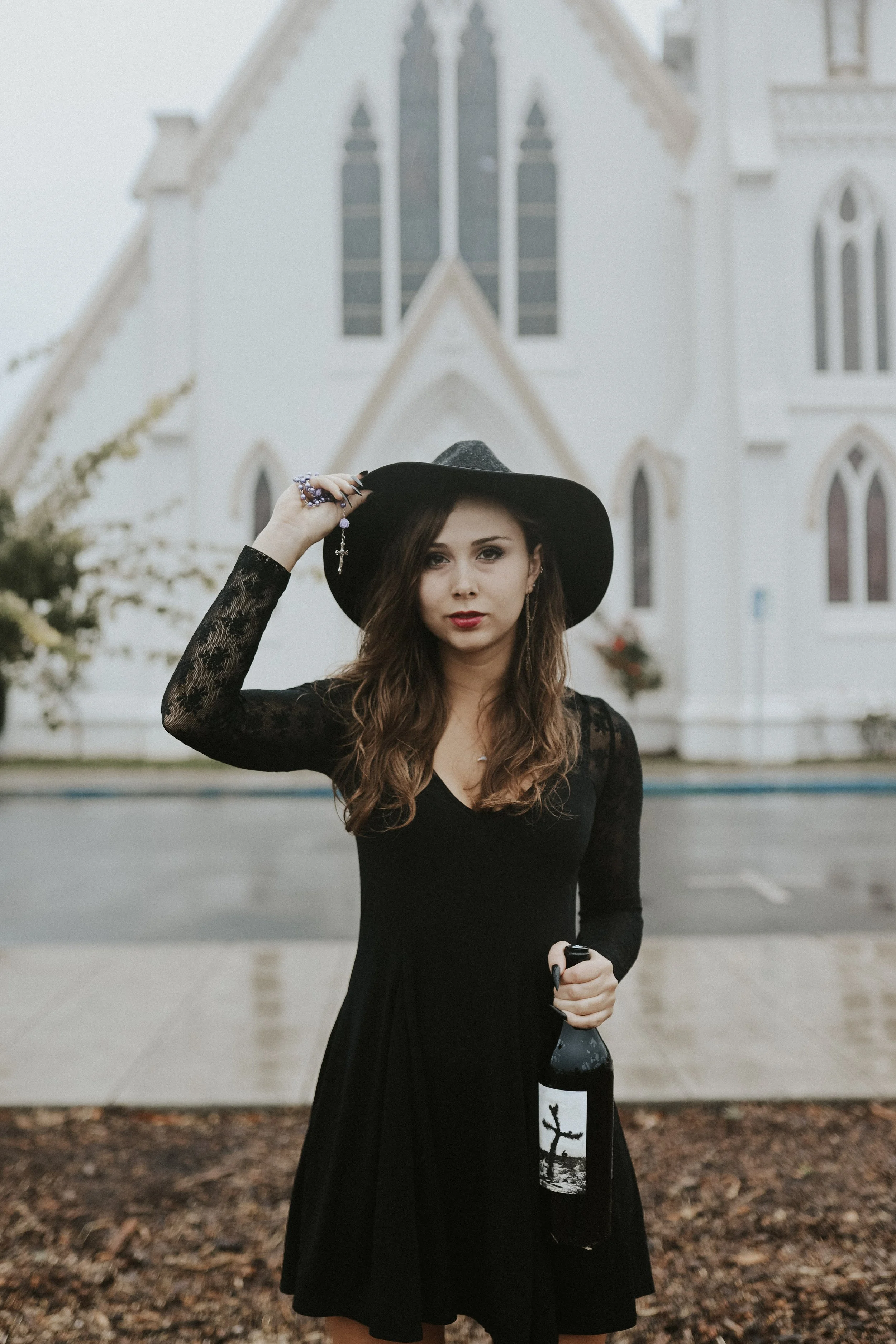
Image courtesy of Paige Comrie
The world of wine can feel like an exclusive club, guarded by an impenetrable velvet rope and scary bouncer. Paige Comrie is that friend who’s always on the list and waves you through like you’ve belonged all along. She welcomes you in, pours the glass and makes it all feel within reach.
Her approach doesn’t rely on jargon or ceremony. It’s grounded in curiosity, built through experience and shaped by a genuine interest in the glass and the story it carries with it. A Sauvignon Blanc can take you to New Zealand. A chilled red can shift the tone of a summer table. The right pairing can turn a simple meal into something especially memorable.
Paige introduces wine as a passport, to different worlds and regions alike, sharing how to choose a bottle without second-guessing, how to pair it in a way that makes sense, and even what to do when a spill threatens to leave a mark.
1. The complex world of wine has a romantic, old-world mystique and a storied history across the globe. What first sparked your fascination with wine?
It actually started in the most unexpected place — a college business program where I felt completely out of my depth. I was the daughter of a teacher and a pilot, surrounded by peers who seemed to have grown up speaking the language of business and finance fluently. In an attempt to find common ground, I picked up a copy of Wine for Dummies. What I thought would be a quick crash course turned into something I couldn't put down. I realized pretty quickly that wine wasn't just a beverage... it was a passport to different places, cultures, and stories. Every bottle had something to say, and I wanted to hear all of it. That curiosity never really stopped.
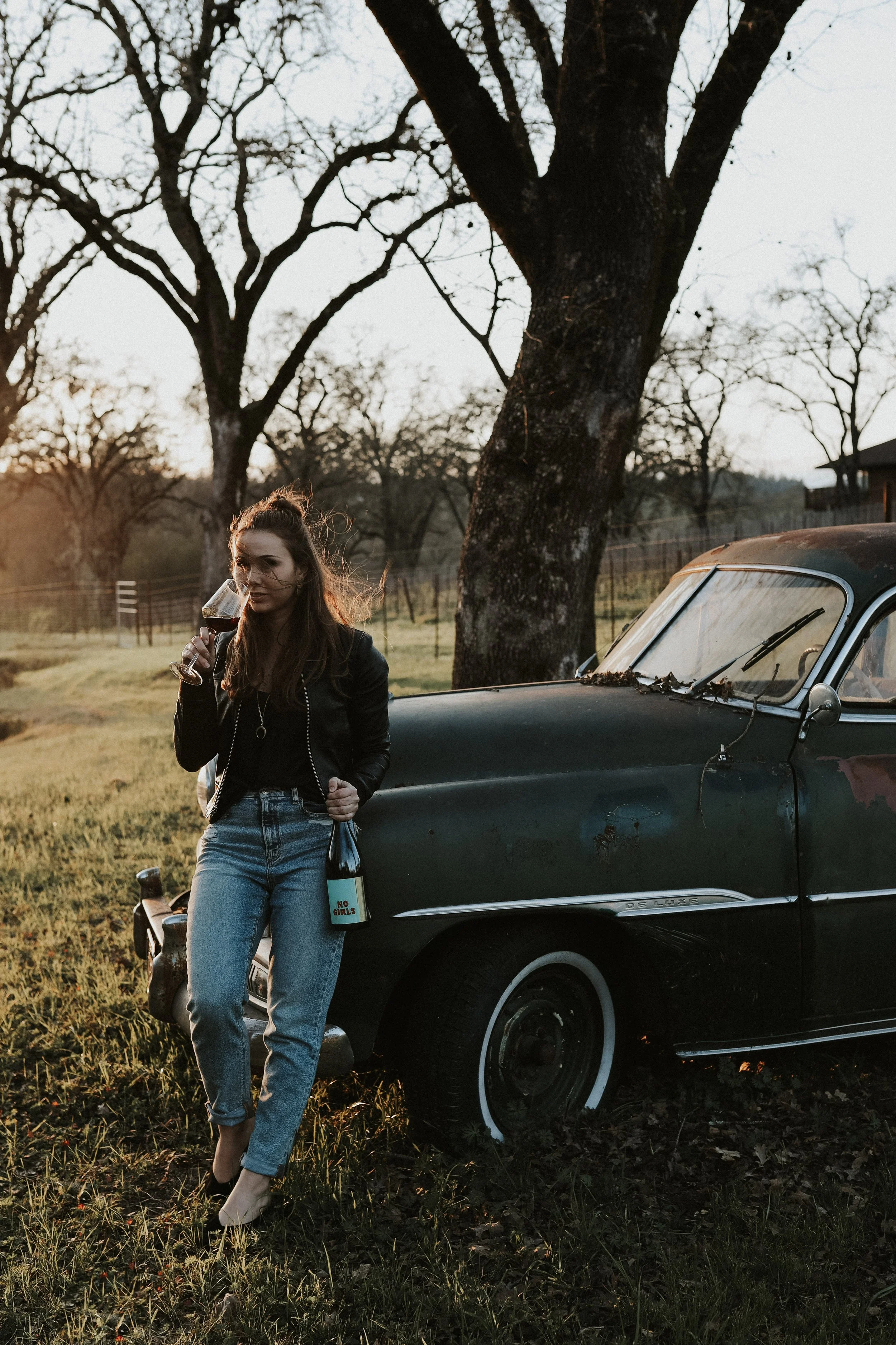
Image courtesy of Paige Comrie
2. You now hold WSET certification and share wine knowledge with a large audience. What did the journey toward becoming a wine expert look like for you?
It was very much a self-driven, follow-the-obsession kind of journey. After that initial spark in college, I just kept going, reading everything I could get my hands on, tasting intentionally, asking a lot of questions. Eventually, I enrolled in WSET courses to give my knowledge more structure, and earning my Level 3 felt like a real milestone. But honestly, the certification is only part of it. The rest has been built through experience: visiting vineyards, talking to winemakers, and sharing what I learn with my audience. Teaching wine has made me a better student of it, because you have to really understand something to explain it in a way that's accessible and exciting to someone else.
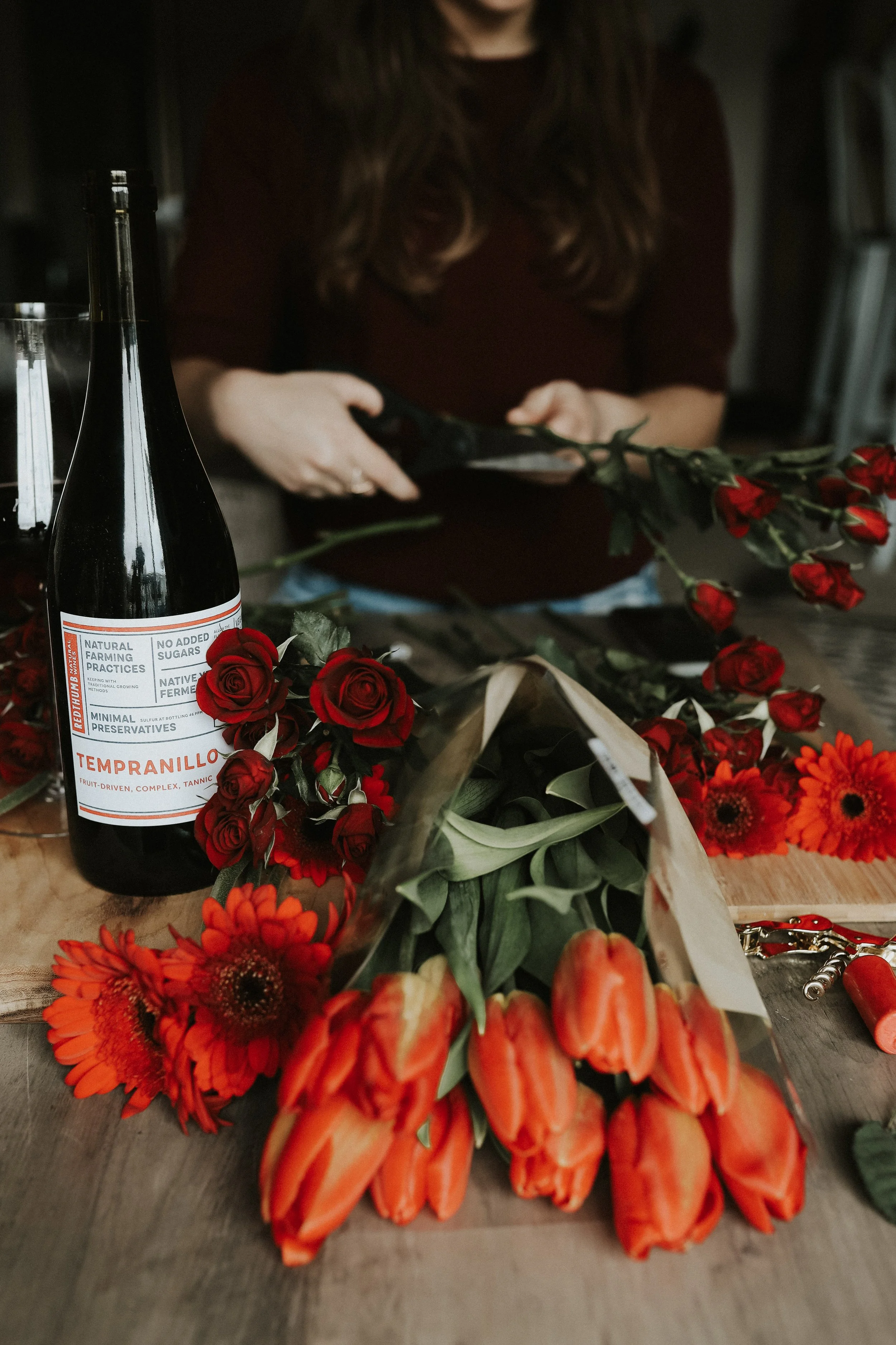
Image courtesy of Paige Comrie
3. As patio season returns, many readers are looking for easy bottles to enjoy outdoors. What three wines would you recommend for a summer patio, picnic and poolside afternoon?
These three are on constant rotation for me this time of year:
Jules Taylor Sauvignon Blanc — This one is a staple. It's bright, zippy, and incredibly food-friendly. The grassy, citrus-forward notes make it basically made for outdoor drinking. New Zealand Sauvignon Blanc in summer is just right.
Terraces Falanghina — If you haven't explored Italian whites yet, this is your sign. Falanghina is a beautiful ancient grape from Campania with floral aromatics and this lovely mineral finish. It feels a little more interesting than your go-to Pinot Grigio and always sparks great conversation.
A chilled red, like Brown Family Red Blend — Yes, you can chill your reds in summer, and I'm a big advocate for it. A light to medium-bodied red served slightly cool is incredibly refreshing and pairs so well with grilled food. Brown Family's Red Blend is approachable, food-friendly, and just the kind of bottle that makes everyone happy around a table outside.
4. For readers who love to plan travel around food and wine, which vineyards or wine regions do you think are especially worth visiting this year?
I'm obviously a little biased living in Napa, but the valley genuinely never gets old, especially if you seek out the smaller, appointment-only estates rather than the well-trodden tasting room circuit. You get a completely different experience when a winemaker is pouring for a handful of people versus a crowd.
And here's something a lot of people don't realize: wine is produced in all 50 states, which means a remarkable winery might be much closer to you than you think. Whether you're in the Hudson Valley, the Texas Hill Country, or the Willamette Valley, there's likely something worth exploring in your own backyard.
If you're feeling adventurous and want to go further afield, I am genuinely so excited about Argentina right now. Buenos Aires is an incredible city. Incredible fashion, incredible food, incredible energy. And the Mendoza wine region is just stunningly beautiful. High-altitude vineyards, world-class Malbec, and a wine culture that feels both deeply passionate and refreshingly unpretentious. It's absolutely on my list and I think it should be on yours too.
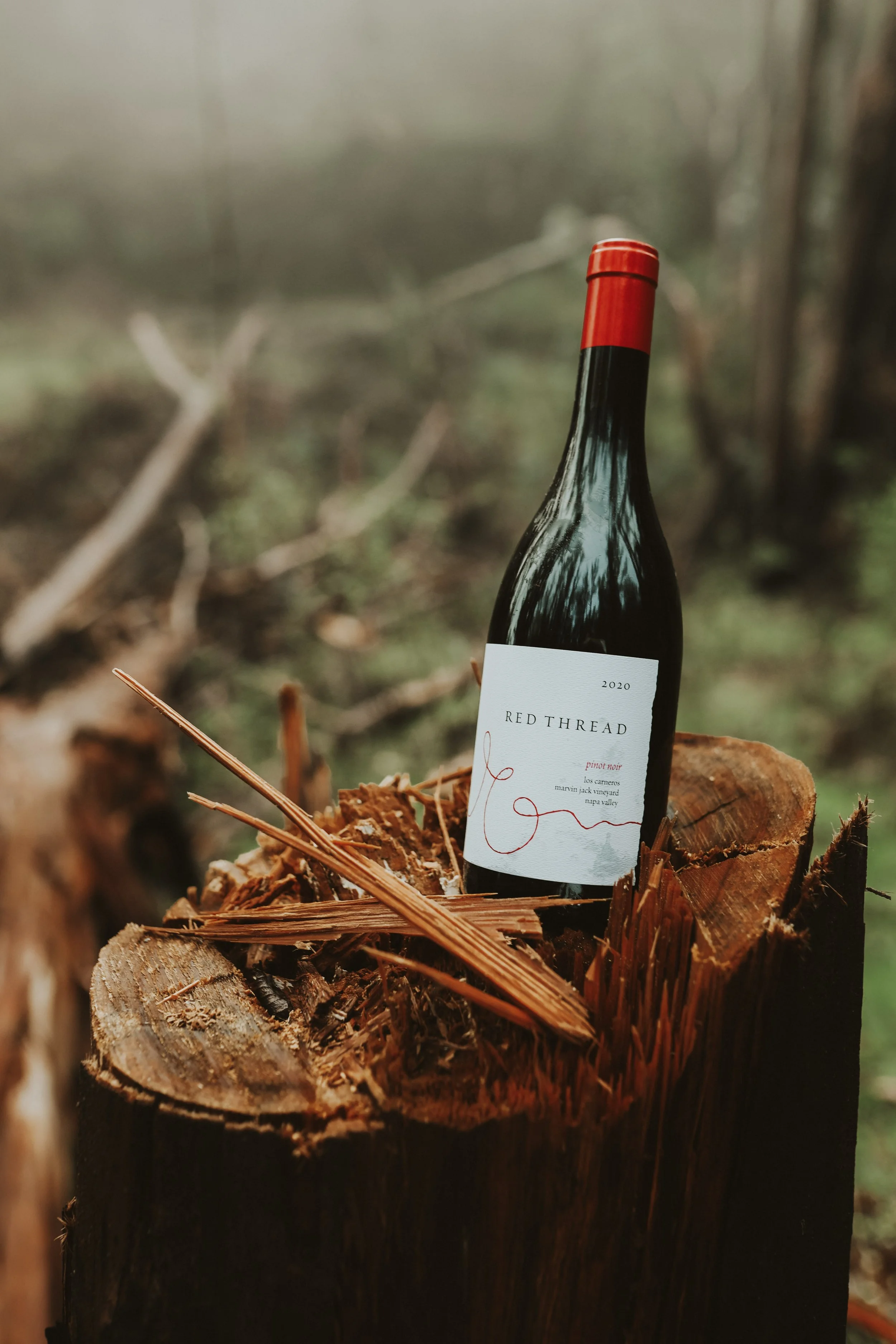
Image courtesy of Paige Comrie
5. Some people aspire to enjoy red wine but feel overwhelmed by heavier grapes. What would you recommend for someone who wants to explore reds without starting with the boldest bottles?
Start light and work your way up. There's no rule that says you have to love Cabernet Sauvignon. I always point people toward Pinot Noir first. It's lower in tannins, higher in acidity, and tends to have this gorgeous red fruit character that's really inviting. If you want to go even lighter, Gamay (the grape behind Beaujolais) is playful, easy-drinking, and very food-friendly.
From there, Grenache is a lovely bridge into something a little fuller without the weight of, say, a Napa Cab. The other trick I love is chilling your red slightly. It softens everything and makes lighter reds even more refreshing and approachable.
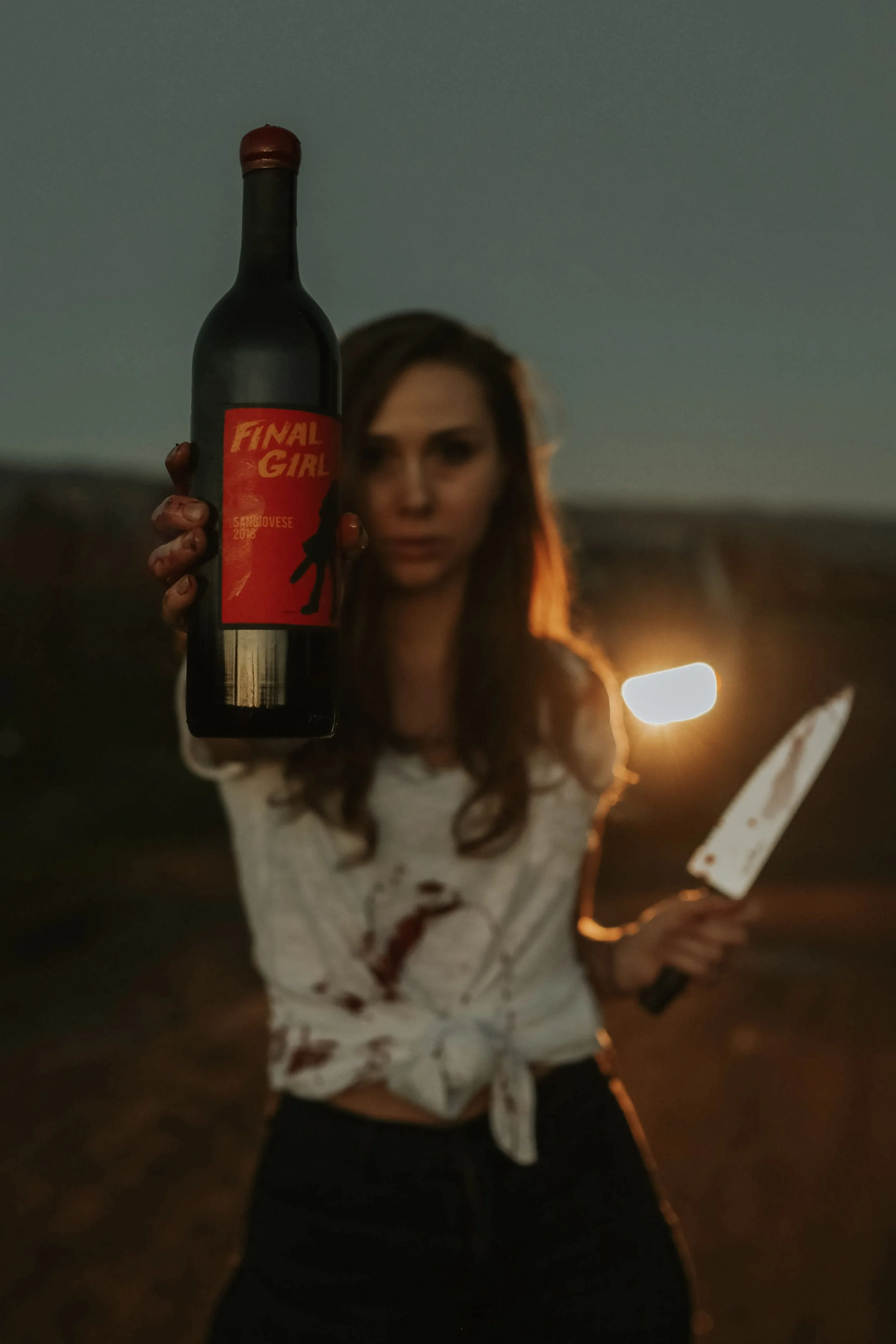
Image courtesy of Paige Comrie
6. Wine stains happen to the best of us. Do you have a reliable trick for removing a red wine spill before it becomes permanent?
Wine Away, every single time. I genuinely stash a bottle in every bag I own. It's that essential. Spray it on the stain while it's still fresh, blot (don't rub), and it lifts out beautifully. The key is acting fast. Red wine stains are very forgiving in the first few minutes and very unforgiving once they've set. If you don't have Wine Away on hand, cold water and a little dish soap can buy you time, but Wine Away is the real answer. Consider this your sign to order a bottle before summer officially starts.

Image courtesy of Paige Comrie
7. Our readers celebrate World Goth Day with enthusiasm each year. What are a few thematically-inspired dessert and wine pairings you would suggest for a gothic celebration?
I love this question so much. Okay... leaning into the drama:
Dark chocolate tart with a Tawny Port — Port and dark chocolate is one of those pairings that just makes sense on every level. A good Tawny brings notes of dried fig, caramel, and toasted walnut alongside that rich, warming depth — it turns a simple chocolate dessert into something that feels genuinely indulgent and a little decadent. Very gothic manor energy.
Black sesame panna cotta with Nero d'Avola — Nero d'Avola translates to "black grape of Avola" and it delivers on that dark, brooding energy. It's a Sicilian red with gorgeous dark fruit, a hint of spice, and real depth. Pair it with black sesame anything and you've got a pairing that's visually stunning and genuinely delicious.
Blackberry galette with a Malbec — More approachable, but still beautifully on theme. A good Malbec has that inky depth, dark berry fruit, and velvety texture that makes it a natural companion for anything berry-forward. Simple, rustic, and honestly kind of bewitching.
8. In your opinion, when is it worth splurging on a bottle of wine, and when can a well-chosen affordable bottle deliver just as much pleasure?
Splurge when the wine itself is the experience: a special dinner, a milestone celebration, or any moment where you really want to sit with the glass and pay attention. Age-worthy wines, single-vineyard expressions, small-production bottles from exceptional vintages. Those are worth the investment because what's in the bottle genuinely can't be replicated at a lower price point.
But here's the thing... so much of what makes wine pleasurable has nothing to do with price. It's who you're with, what you're eating, where you are. A $25 bottle of Sauvignon Blanc on a sunny patio with good food and good company will outperform a $150 bottle drunk alone at a kitchen counter every single time. Learn a few well-chosen affordable bottles you love, keep them stocked, and save the splurge for when the moment is truly worth it.
9. Are there any underrated or unconventional food and wine pairings you think deserve more acclaim during the summer months?
A few I'll go to bat for enthusiastically:
Grilled corn with Grüner Veltliner - The white pepper and citrus notes in a good Grüner are magic with sweet, charred corn. It's such a natural pairing and almost nobody talks about it.
Watermelon and feta salad with a dry Rosé from Provence - Okay, Rosé gets recommended a lot in summer, but specifically with this combination? The salinity of the feta, the sweetness of the watermelon, and the crisp, strawberry-tinged dryness of a Provençal Rosé is genuinely something special.
Spicy food with an off-dry Riesling - This works year-round but especially in summer when lighter, fresher dishes are on the table. The slight residual sugar tames the heat and the acidity keeps everything bright and clean. Thai food, Korean BBQ, spiced grilled chicken... all incredible with a good Riesling.
10. Celebrations large and small call for sparkling wine. What are the most important things to consider when choosing a bottle for a special occasion?
First, think about sweetness level. Sparkling wines range from bone dry (Brut Nature) to quite sweet (Demi-Sec), and it makes a huge difference. For most toasting situations, a Brut is the safe and crowd-pleasing choice.
Second, consider what you're pairing it with, if anything. Champagne and Cava are very food-friendly. Prosecco tends to be fruitier and a little softer, which makes it lovely for aperitivo-style moments or lighter bites.
Third, don't assume price equals occasion-appropriateness. There are outstanding Cavas and Crémants (French sparkling wines made outside of Champagne) that deliver real elegance at a fraction of the price. If you're buying for a large gathering, that's where I'd look. Save the Grower Champagne for an intimate table where people will really savour it.
And finally — the most important thing — make sure it's cold. Nothing deflates a celebration faster than lukewarm bubbles.
Wine doesn’t need to be decoded before it’s enjoyed. It opens as you go.
Start pouring, pay attention to what you like and let that guide you. One bottle leads to another. One pairing changes how you see the next.
Take the pressure off. The glass is already in your hand.
What are you reaching for this summer?
Tell us in the comments and subscribe to receive our free monthly digital issue to your inbox, including a first look at dark feminine style, the chance to vote on next month’s stories, and a preview of upcoming giveaways.