Religious fervour and oppressive summer heat shape some of the most compelling stories ever put to screen
By: The Lace Ledger Staff

There is a particular kind of story that could only emerge from the American South. The air feels impossibly heavy while the landscape seems suspended between beauty and neglect. Family histories stretch across generations, gathering secrets, scandals and old grievances along the way. Even the grandest homes appear to be in conversation with their own decline.
Southern Gothic thrives in that uneasy space; it’s a genre preoccupied with the complicated relationship between people and place. The characters who inhabit these stories are often haunted long before anything supernatural enters the frame. Sometimes the ghost is a family legacy. Sometimes it is a community unwilling to change. Sometimes it is history itself.
From literary dramas and doomed romances to psychological thrillers, crime sagas and folk horror, Southern Gothic has produced some of the most atmospheric works in film and television. These selections explore the genre in all its forms, revealing why audiences remain drawn to stories where beauty and ruin are so often found living side by side.
Interview with the Vampire (2022–Present)

The city's fading beauty hangs over every episode of this acclaimed adaptation, transforming New Orleans into a character as unforgettable as Louis or Lestat.
Die, My Love (2025)

Jennifer Lawrence delivers one of the most talked-about performances of her career in this feverish portrait of domestic collapse, set inside a decaying inherited home that seems determined to keep its ghosts close.
Sinners (2025)

Rooted in the cultural history of the Mississippi Delta, this acclaimed horror film understands that the most powerful ghosts are often the ones a community carries together.
X (2022)

The rural Texas landscape feels almost forgotten in this modern horror classic, where isolation turns a weathered farmhouse into the perfect setting for obsession to take root.
Pearl (2022)
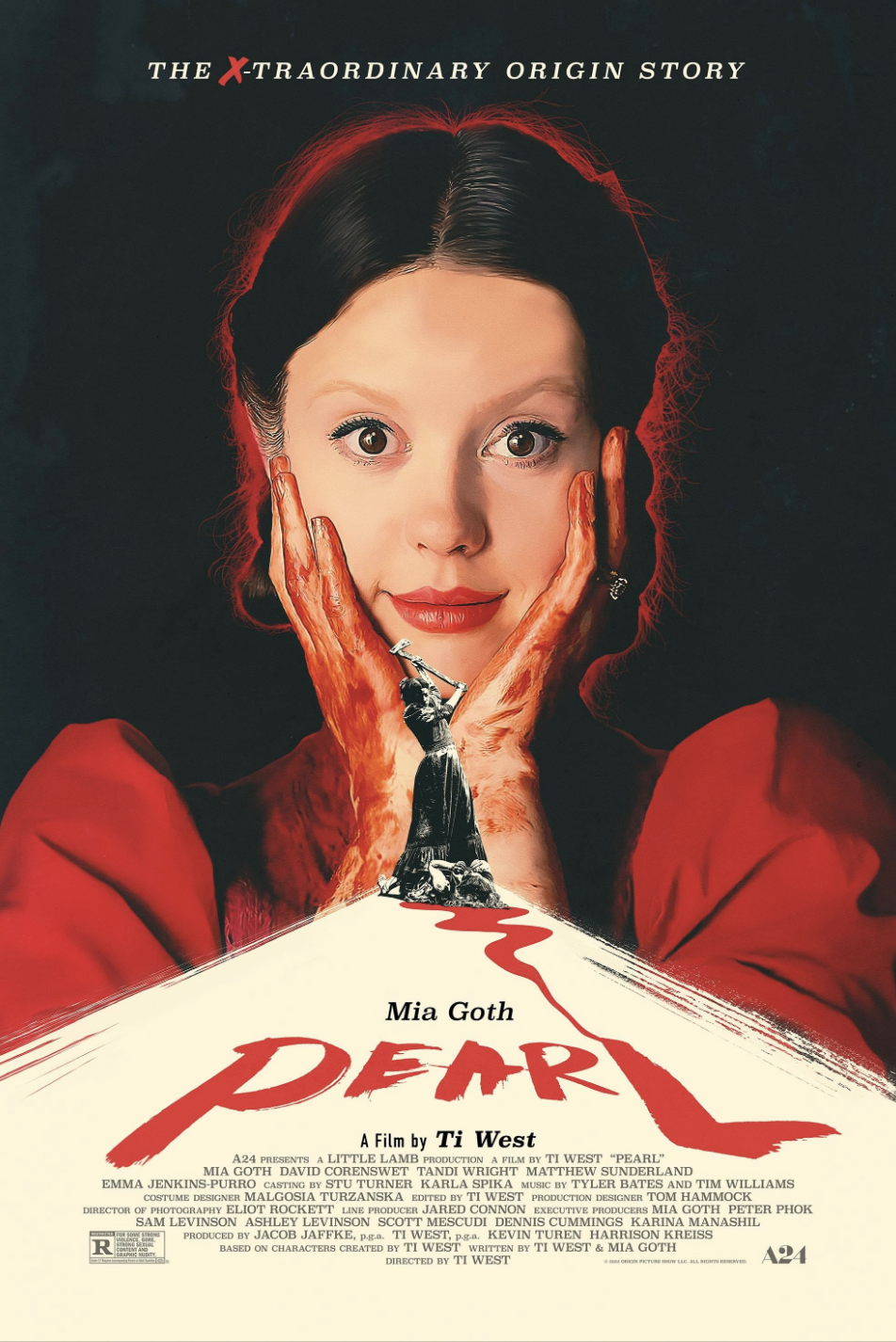
Led by a widely celebrated performance from Mia Goth, this Texas-set horror film explores what happens when the life a woman wants exists entirely beyond her reach.
Bones and All (2022)
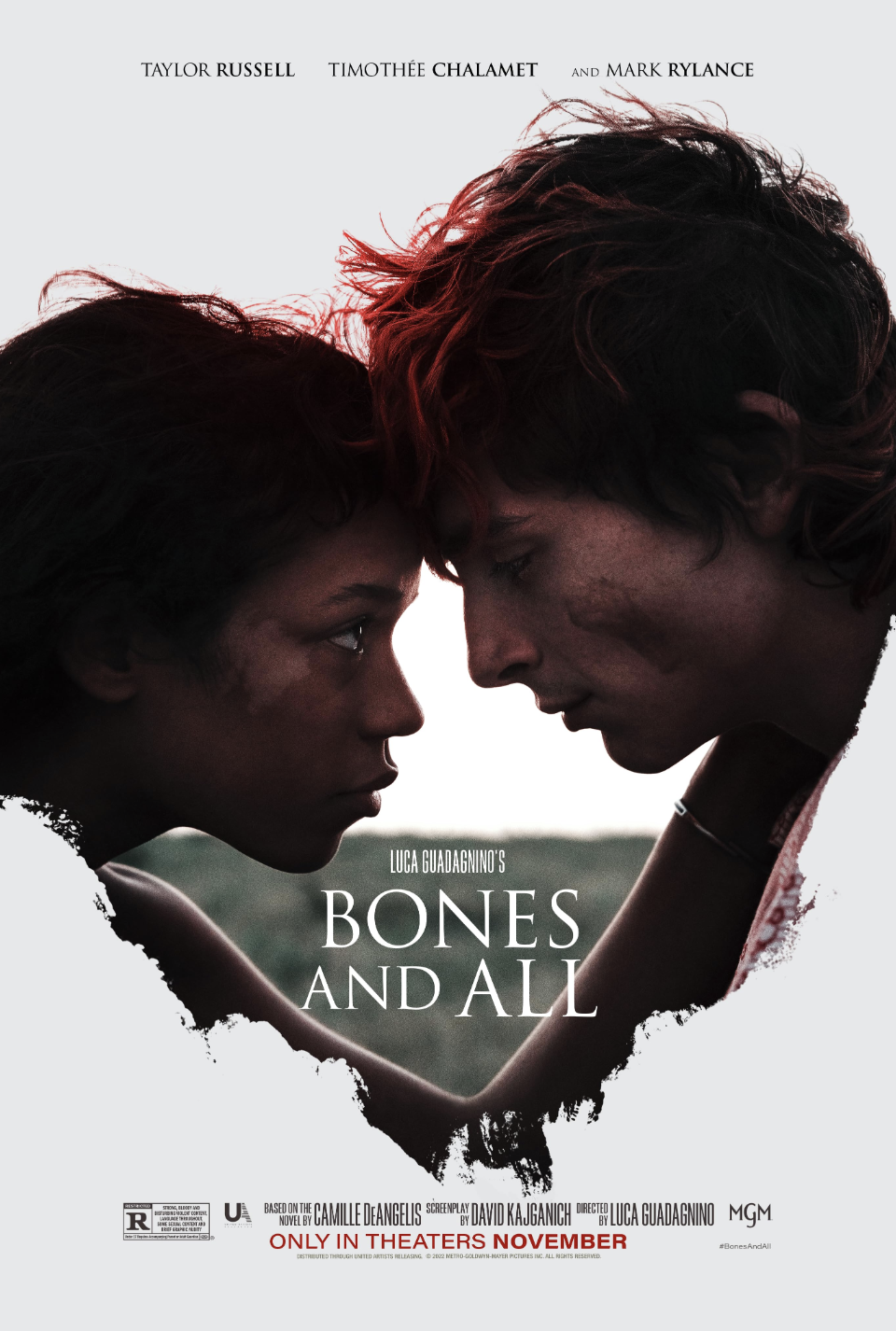
Every roadside stop feels touched by melancholy in this acclaimed horror romance, where hunger functions as both a curse and legacy.
Where the Crawdads Sing (2022)
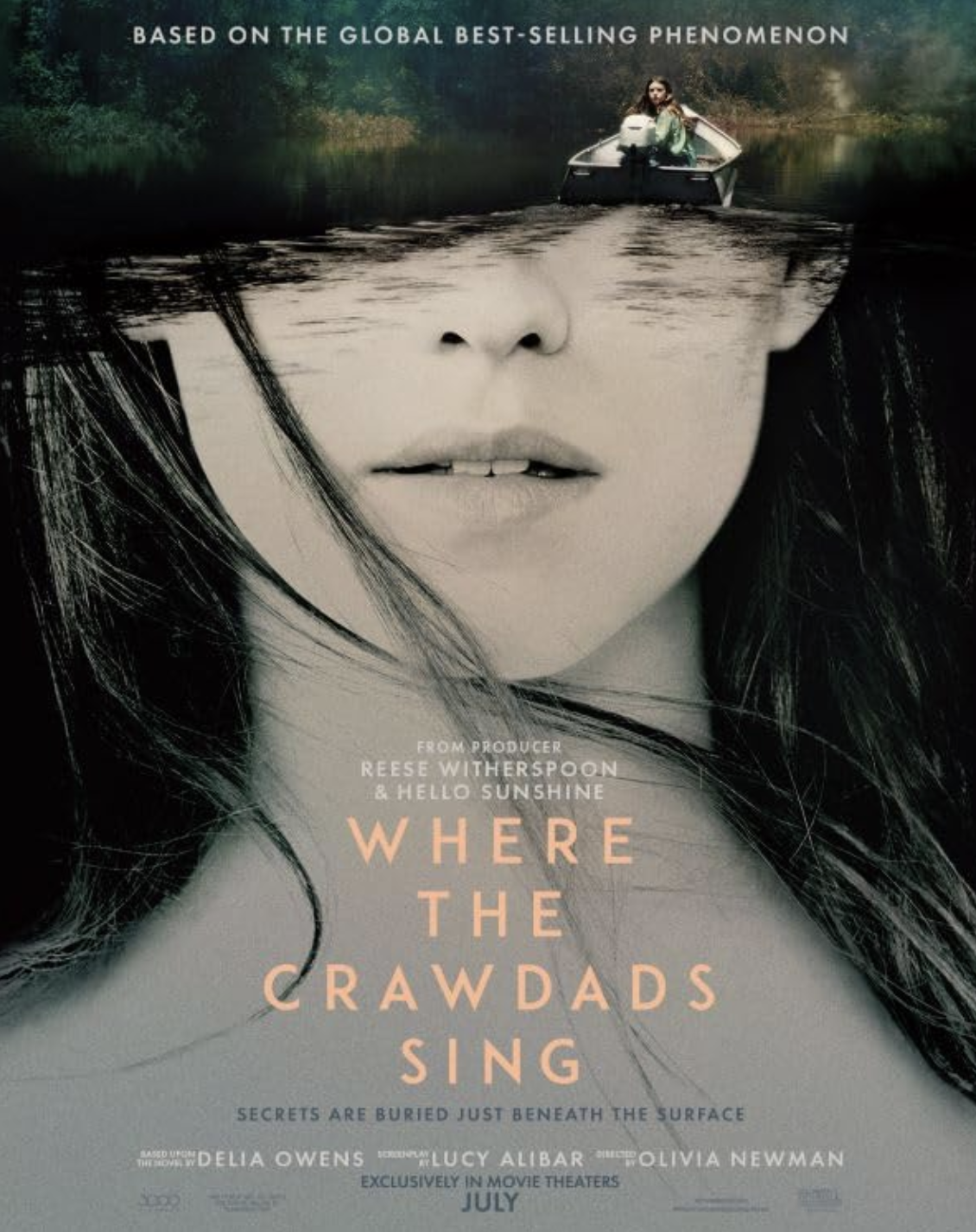
The Carolina marshlands lend a mythic quality to this mystery, where loneliness and resilience become inseparable from the landscape itself.
The Devil All the Time (2020)
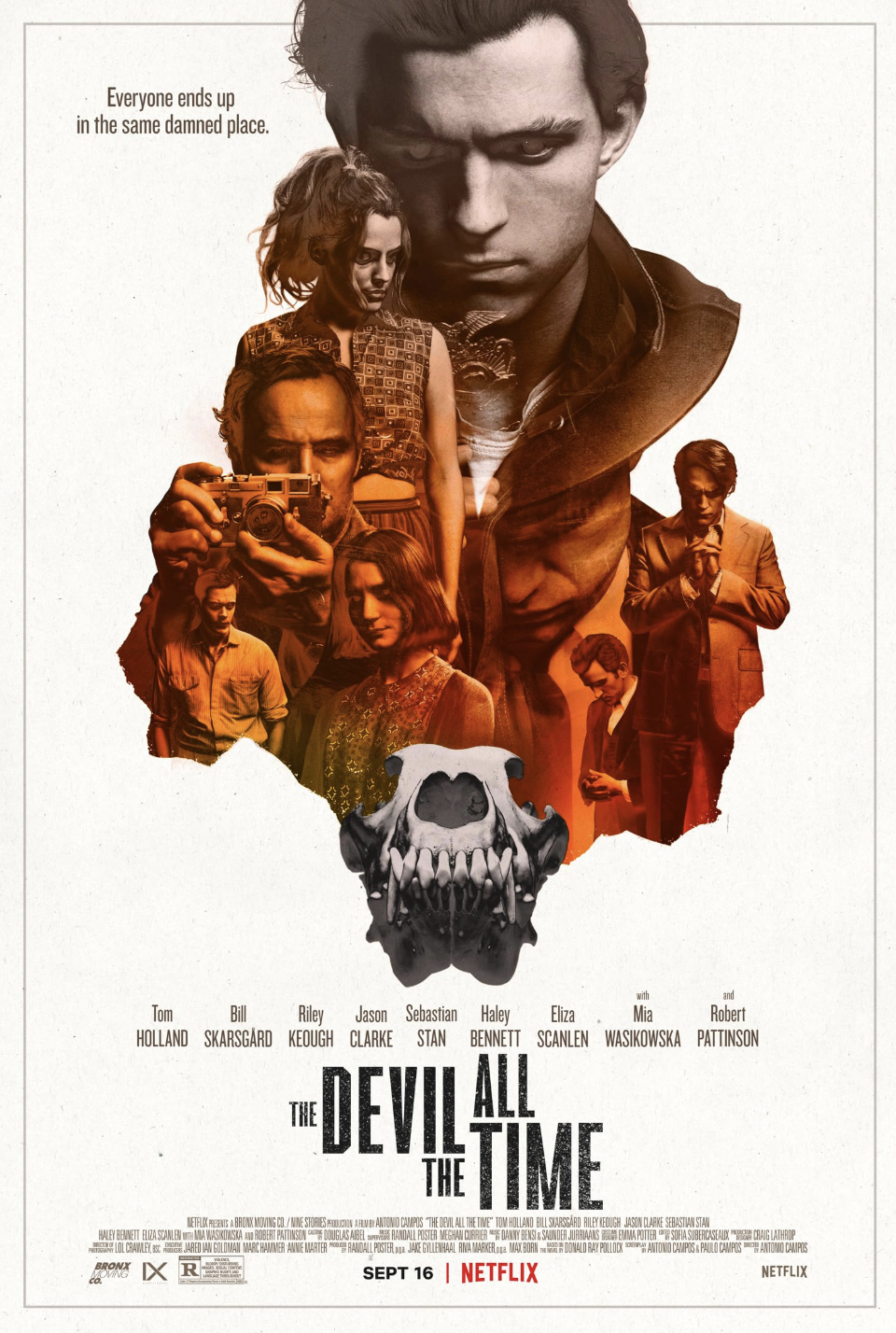
Led by a remarkable ensemble cast including Tom Holland and Robert Pattinson, this rural drama treats generational trauma as something passed down with the family name.
Spell (2020)
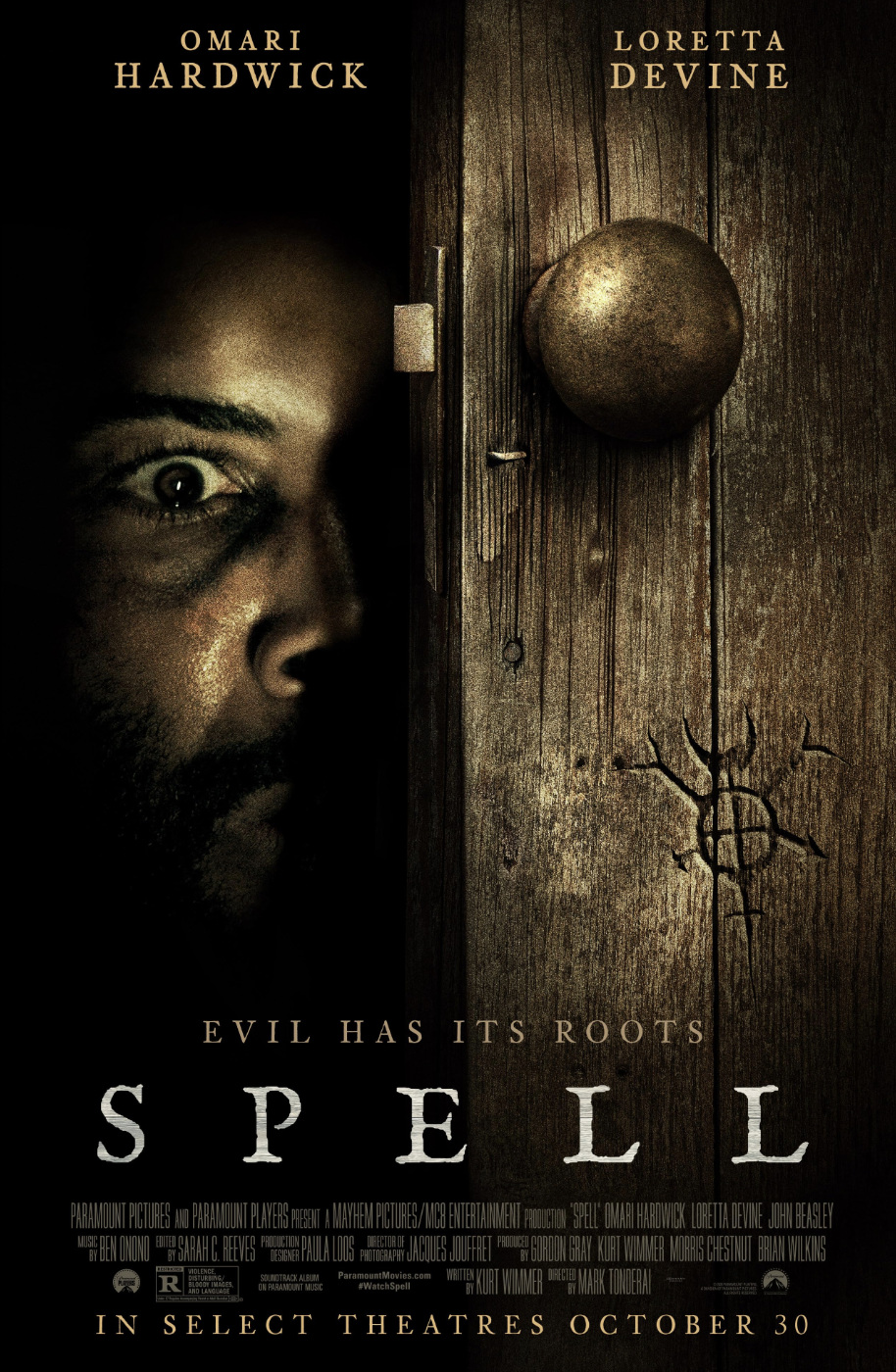
The backroads of Appalachia have long nurtured stories that exist beyond the reach of modern life, and this supernatural thriller draws much of its power from that tradition.
Them That Follow (2019)
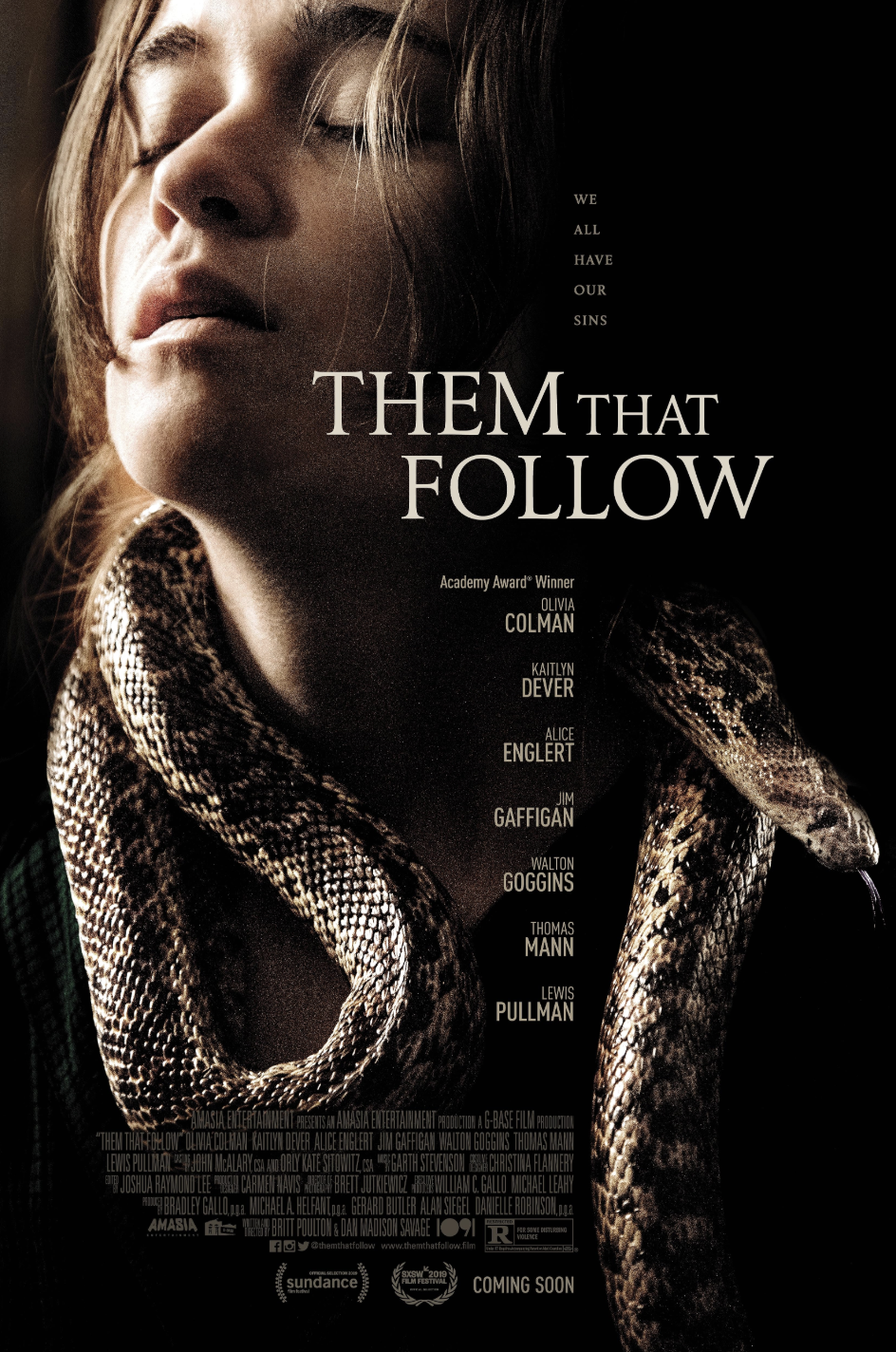
The remote mountains of Appalachia provide a fitting backdrop for this drama, where faith is measured not by belief alone but by the risks a community is willing to take in its name.
Sharp Objects (2018)

The white-columned mansion at the heart of Wind Gap stands as a monument to old money and old wounds, both of which continue to shape the women living inside it.
Outsiders (2016–2017)

Set within an isolated Appalachian clan, this drama explores what happens when generations of tradition collide with the modern world.
Three Billboards Outside Ebbing, Missouri (2017)

The Ozark setting lends an added layer of texture to this Oscar-winning film, where personal tragedy reverberates through every corner of a tightly connected community.
Marrowbone (2017)

The old Marrowbone house stands at the centre of every tragedy, its crumbling walls serving as a reminder that some histories cannot be locked away.
The Beguiled (2017)
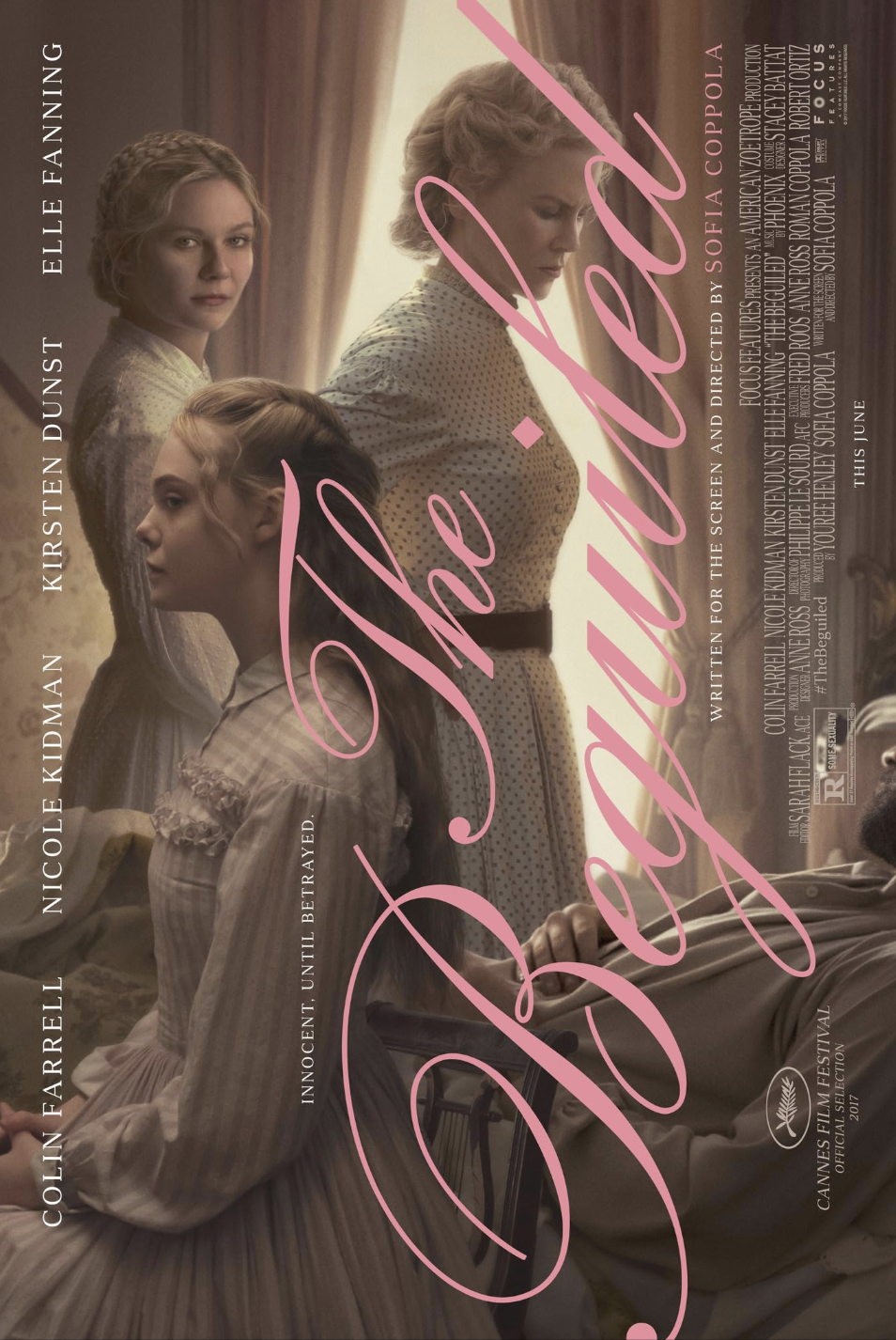
Led by Nicole Kidman, Kirsten Dunst and Elle Fanning, this gothic drama transforms a girls' school into a battleground.
The Eyes of My Mother (2016)

Grief and solitude take root in a secluded rural home in this atmospheric horror film, where the line between companionship and captivity gradually disappears.
The Witch (2015)

Religious conviction hangs over every frame of Robert Eggers' acclaimed folk horror film, where isolation turns a family's fears into something far more dangerous.
True Blood (2008–2014)
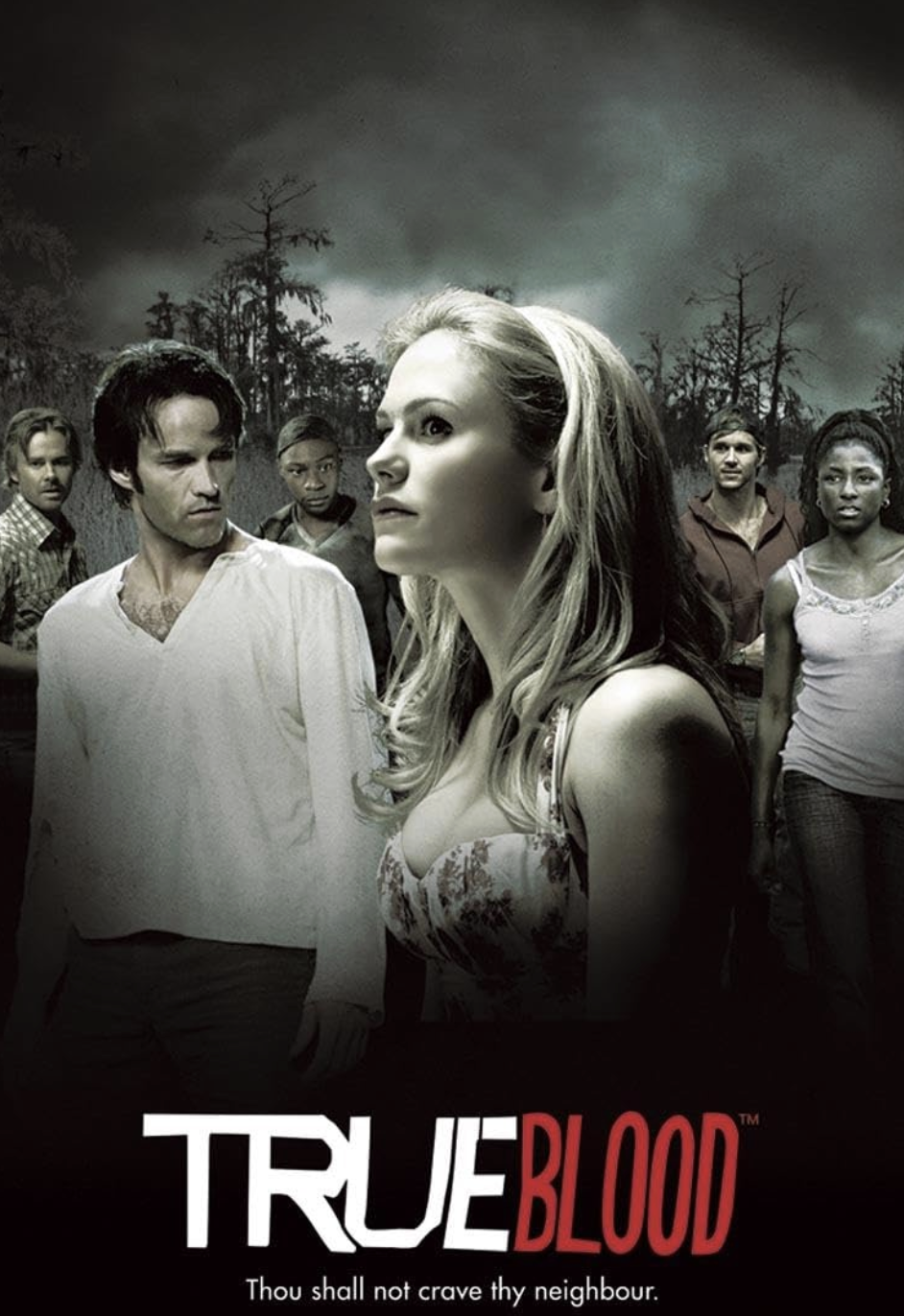
Vampires may dominate the headlines, but the soul of the series lies in its Louisiana setting, where small-town tensions and generations of buried secrets simmer beneath the summer heat.
True Detective: Season One (2014)

Starring Matthew McConaughey and Woody Harrelson, this acclaimed mystery treats the Louisiana countryside as a repository for generations of secrets.
Jessabelle (2014)

Returning home proves far more unsettling than leaving in this Louisiana-set horror film, where family history waits patiently beneath the surface.
We Are What We Are (2013)

The Parker family clings to a way of life shaped by secrecy and obligation, revealing how easily inheritance can become imprisonment.
Mud (2012)
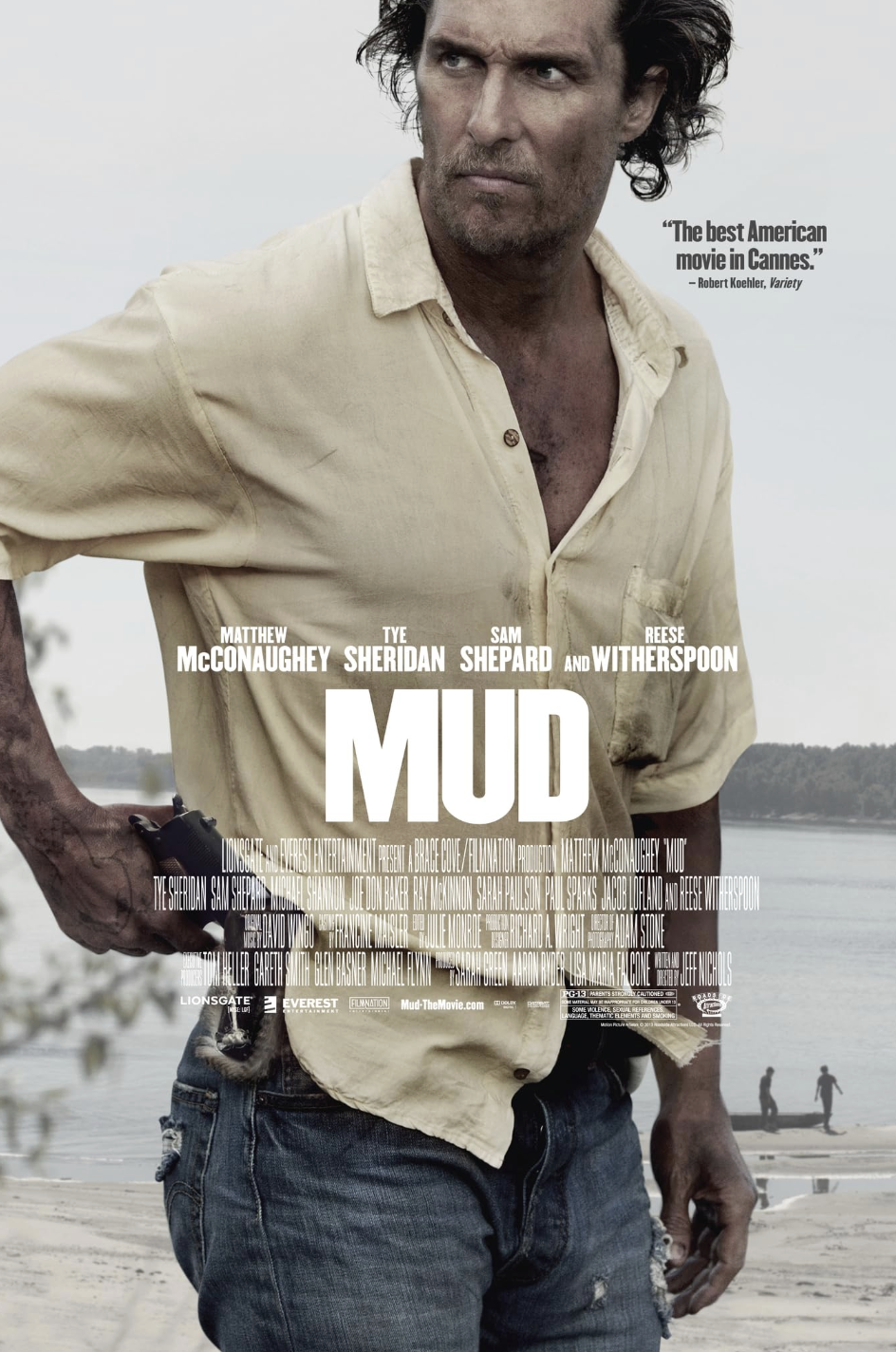
Starring Matthew McConaughey, the riverbanks of rural Arkansas provide fertile ground for a tale shaped by reputation, romance and the stories people tell about themselves.
Martha Marcy May Marlene (2011)
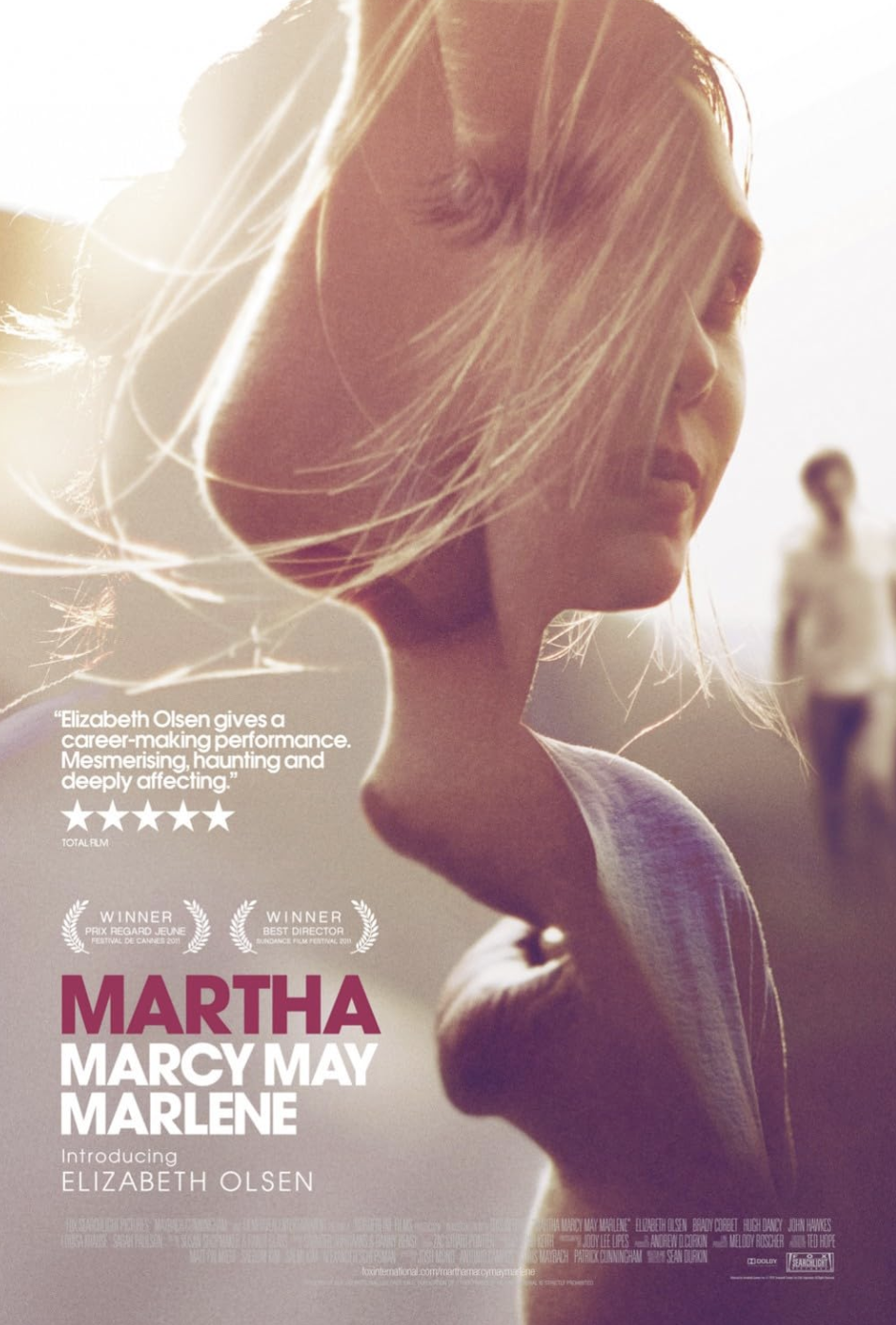
The film's greatest source of unease comes from its understanding that some forms of power survive through memory alone.
No Country for Old Men (2007)
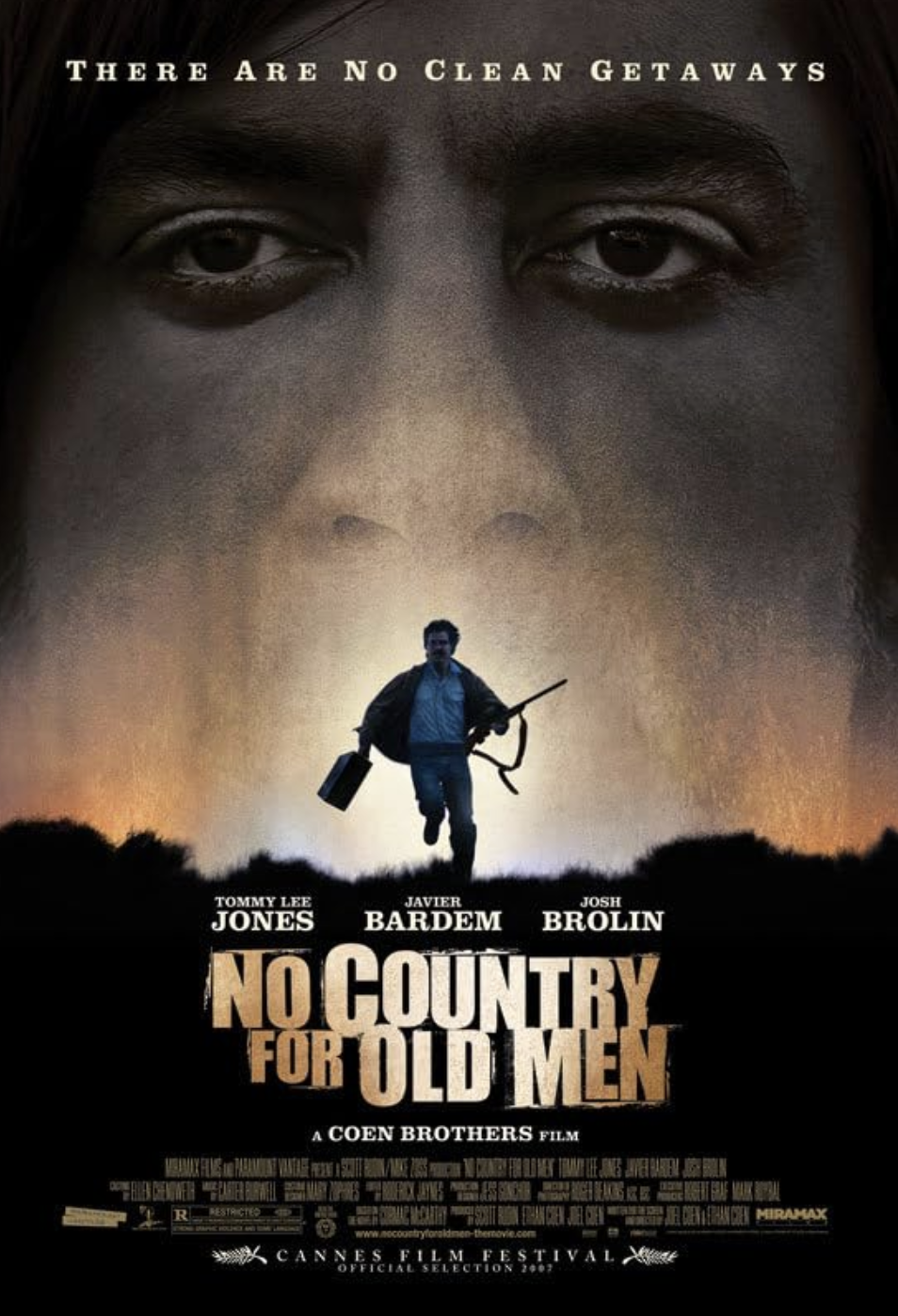
Violence arrives with startling inevitability in this Coen Brothers masterpiece, where an aging sheriff struggles to make sense of a world he no longer recognizes.
The Skeleton Key (2005)

Spanish moss, weathered architecture and generations of accumulated history give this Louisiana thriller an atmosphere that lingers long after the credits roll.
A Love Song for Bobby Long (2004)

Starring John Travolta and Scarlett Johansson, this New Orleans-set drama finds unexpected beauty in lives shaped by things unrealized.
The Notebook (2004)
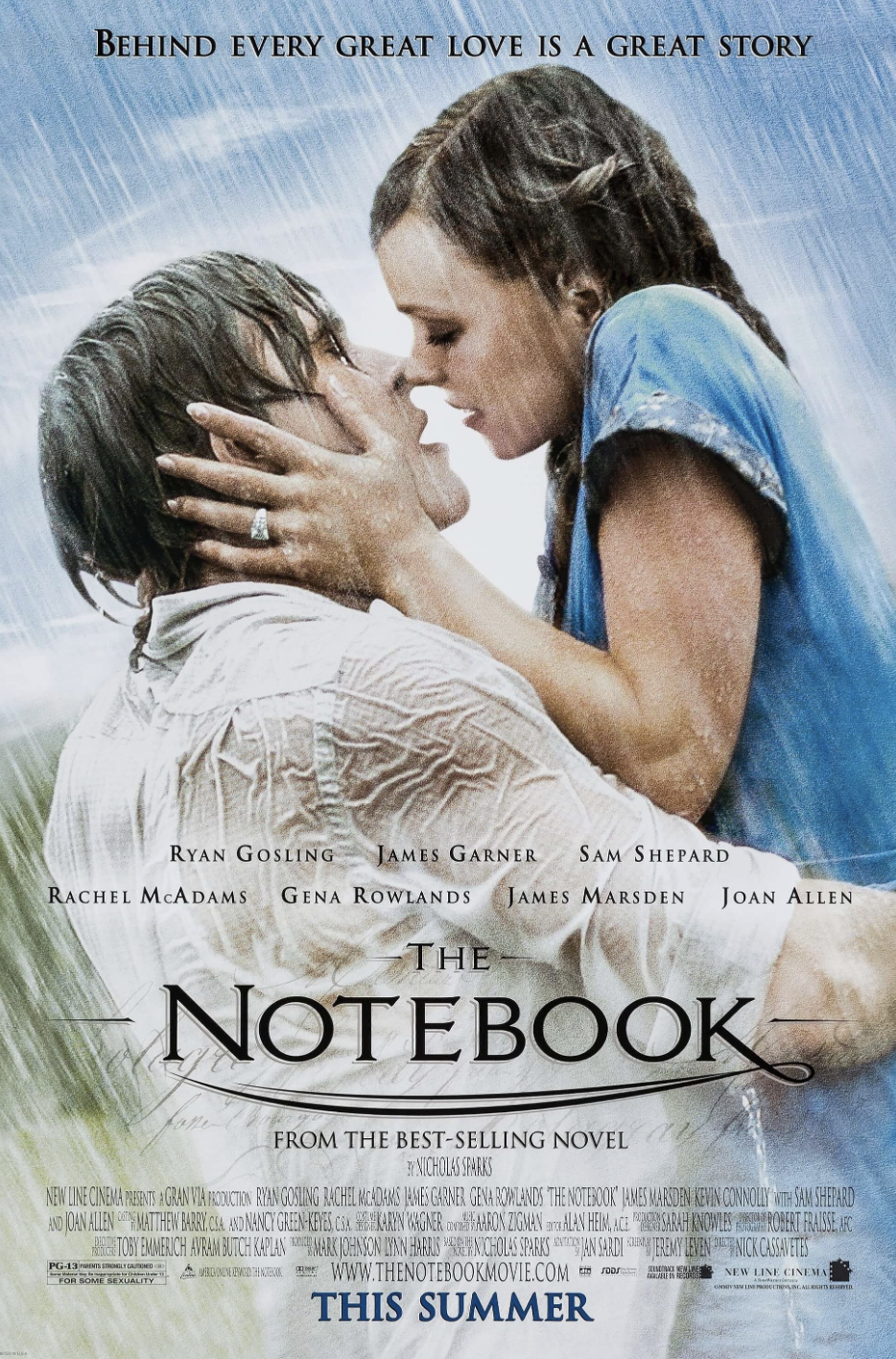
The restored plantation home stands as a monument to devotion in this romantic drama, linking the story's central relationship to a broader tradition of Southern storytelling.
Cold Mountain (2003)

Few films capture the emotional aftermath of the Civil War more vividly, revealing a South struggling to reconcile itself with what has been left behind.
Eve’s Bayou (1997)
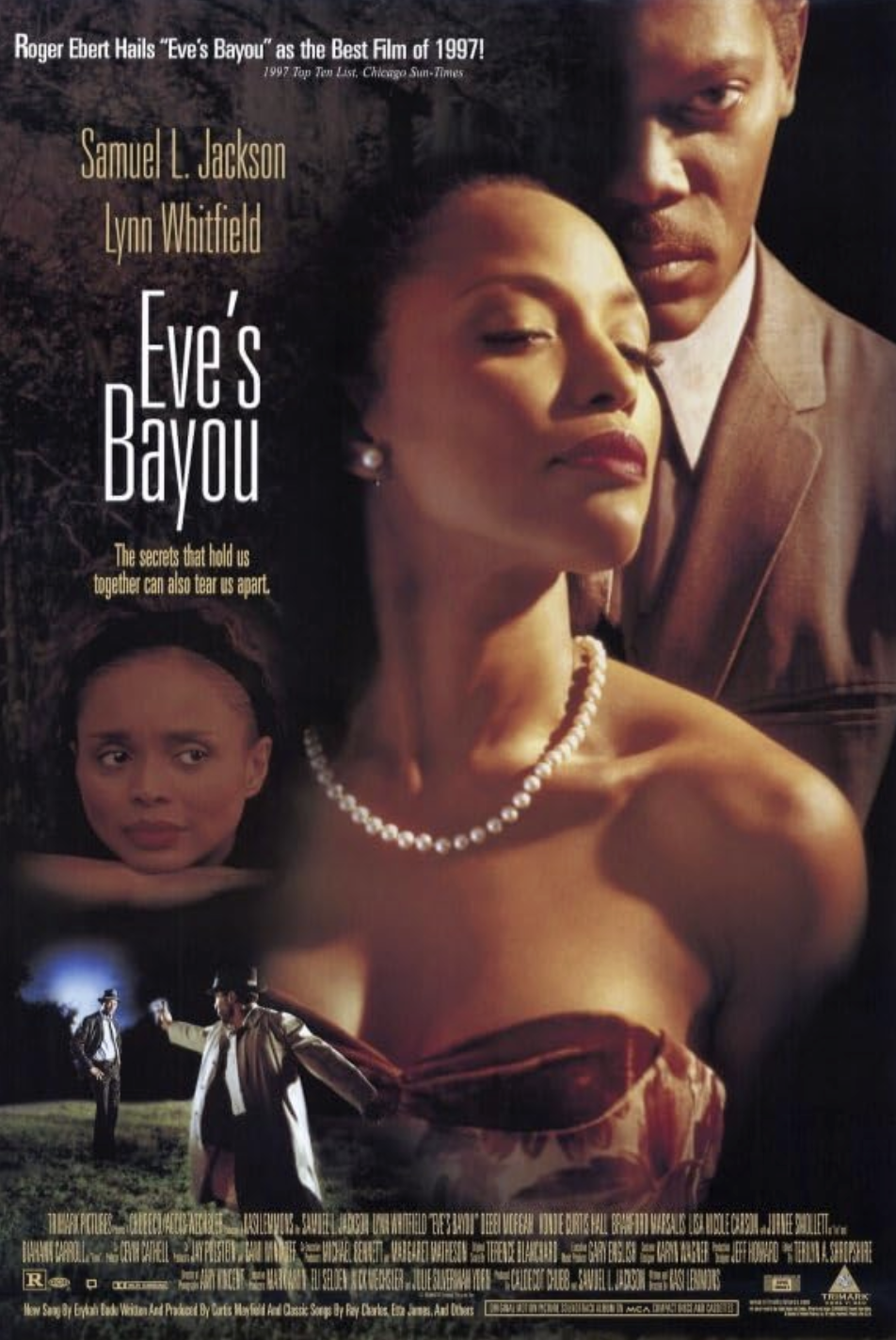
The bayou itself feels alive in this cult favourite, lending an almost dreamlike quality to a story preoccupied with inheritance and intuition.
Interview with the Vampire (1994)

The grandeur of New Orleans lends a haunting beauty to this beloved vampire tale, where memory accumulates across centuries instead of generations.
Flesh and Bone (1993)
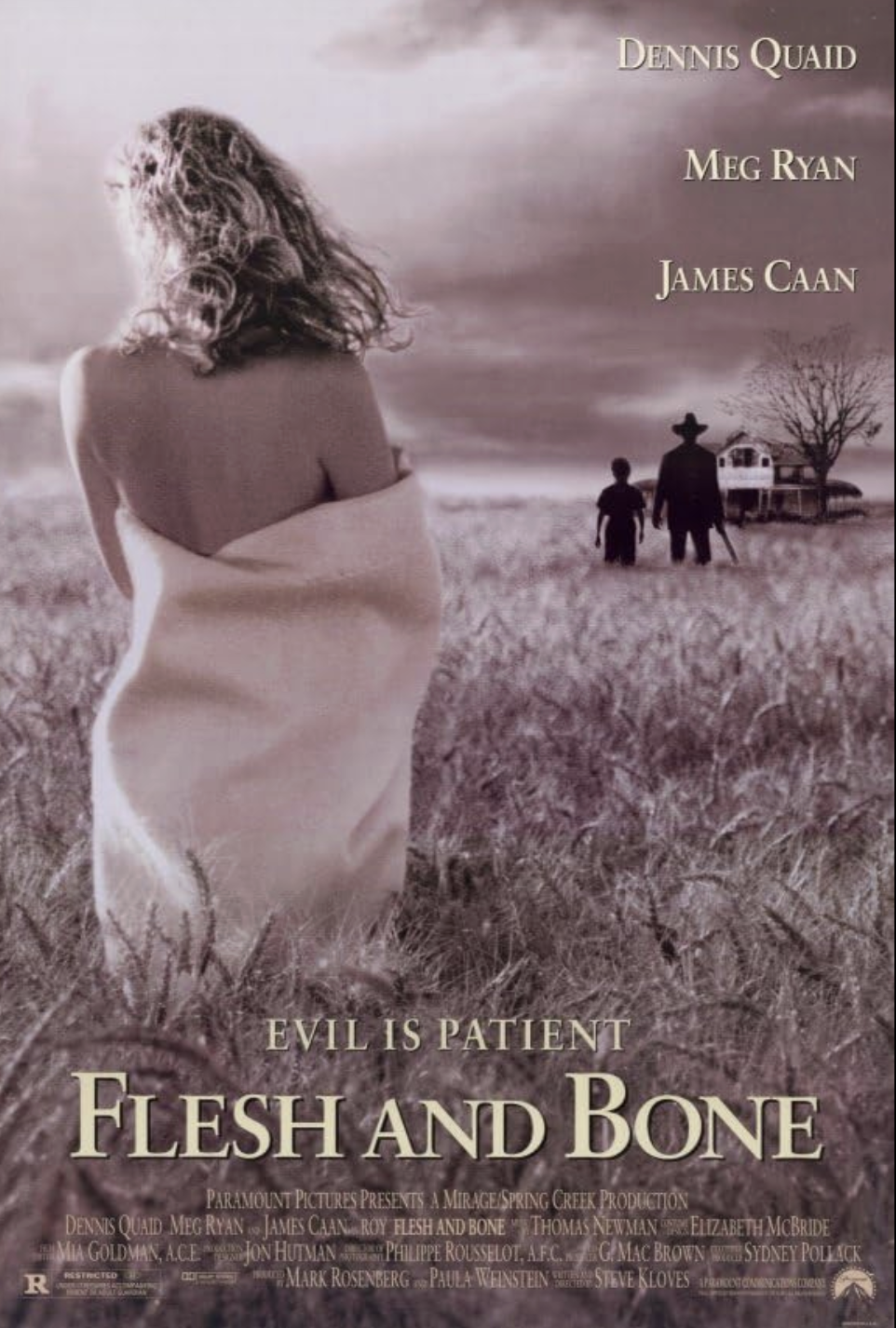
The wide-open spaces of West Texas offer little escape from the past in this neo-noir drama, where family history exerts a powerful influence over the present.
Coal Miner’s Daughter (1980)

The mountains of eastern Kentucky stand as a reminder that family stories are often inseparable from the places where they begin.
Carrie (1976)

The story's enduring power comes from its understanding that cruelty often flourishes in communities convinced they are acting for the greater good.
The Texas Chain Saw Massacre (1974)

The rural homestead at the heart of the film feels abandoned by time itself, transforming a family home into one of horror's most infamous settings.
Badlands (1973)

Starring Martin Sheen and Sissy Spacek, this American classic treats the landscape as both witness and accomplice.
Fire Down Below (1957)

Set along the Mississippi River, this atmospheric tale understands that rivers carry more than cargo, accumulating stories, grudges and hard-earned wisdom along the way.
Swamp Water (1941)

Long before Southern Gothic became a recognized genre, this atmospheric drama understood the storytelling power of a landscape that feels both beautiful and unknowable.
Gone with the Wind (1939)
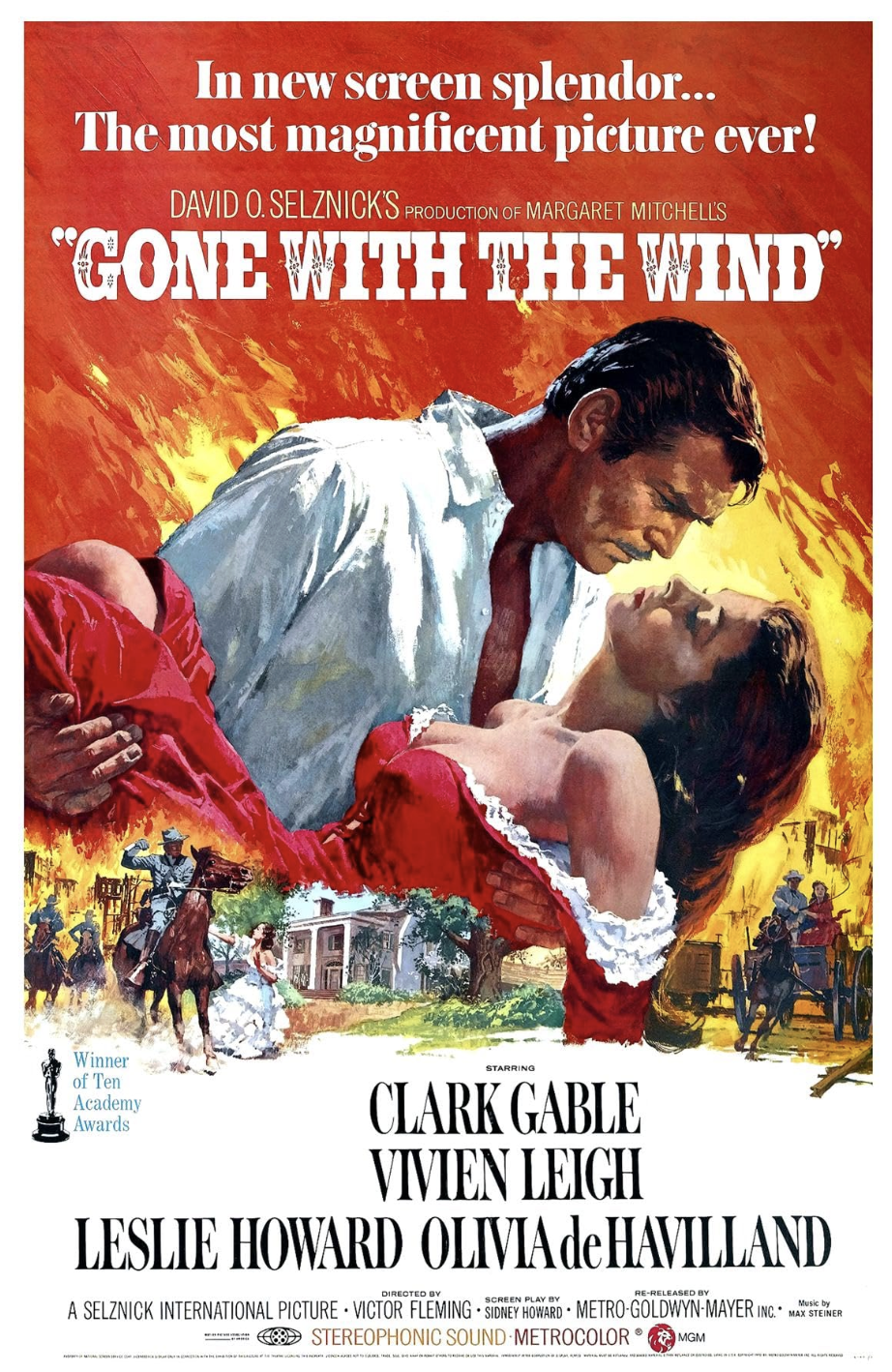
The film's enduring cultural significance lies in its portrait of a society confronting its own transformation, even when many characters refuse to acknowledge it.
Part of what makes Southern Gothic so enduring is that its stories rarely concern themselves with monsters alone.
They are interested in inheritance. In family histories. In places that remember more than the people who inhabit them. Across bayous, mountains, river towns and forgotten highways, these films return to the same question: what do we carry forward, whether we mean to or not?
The answers are rarely comforting. Old houses sink slowly into the landscape. Communities cling to stories that should have been left behind. The past settles into the walls, the soil and the family tree, refusing to disappear simply because time has passed.
Yet beauty persists alongside the ruin. It emerges in the architecture, the folklore, the landscapes and the people attempting to build lives among the remnants of what came before.
Which will you watch this summer? Tell us in the comments and subscribe to receive our free monthly digital issue to your inbox including a first look at dark feminine culture, the chance to vote on next month’s stories and a preview of upcoming giveaways.