The Bride, Reclaimed: Monstrous Femininity & the Gothic Feminist Revival
A dark feminine meditation on legacy, anger and creation—reframing The Bride of Frankenstein not as monster, but as muse
By: The Lace Ledger Staff
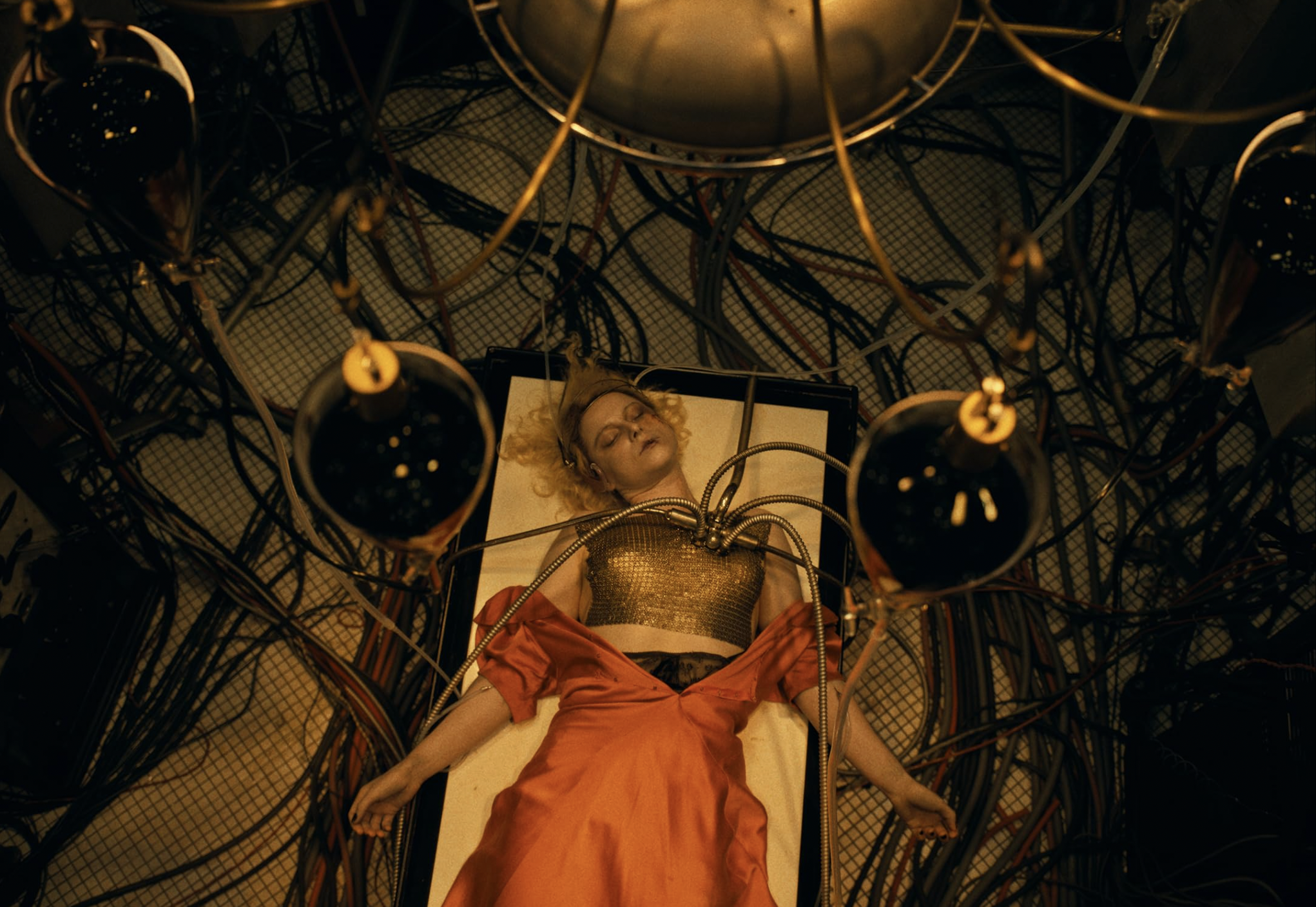
Photo Credit: IMDb
When a woman refuses to fall in line, history calls her monstrous. When she creates something from her own rage, it calls her dangerous.
The Bride of Frankenstein has been stuck in that purgatory since her inception.
Born from stitched flesh and male ambition in the classic telling of The Bride of Frankenstein, she was never granted a meaningful existence. She appears, she recoils, she rejects and she is destroyed. Her autonomy is treated as an error in the experiment.
With the latest reimagining of The Bride, the cultural appetite has shifted. She is no longer a cautionary tale, but evolving from monster to dark feminine muse.
The Monster
The original Bride of Frankenstein was constructed by men, for men, in service of a man’s loneliness.
She is animated without consent and presented without context. She is expected to adore the creature who mirrors her condition.
Instead, she screams. That scream is one of cinema’s most misunderstood gestures. It is not fear of ugliness, but recognition.
To be created for someone else’s narrative is a horror all its own. To wake into a body assembled from expectation is a profound violation.
In rejecting the monster, she rejects the script and, ultimately, this is why she was destroyed.
Historically, women who refuse assigned devotion are framed as villains. The witch. The hysteric. The shrew. The cold wife. The difficult muse. Monstrous femininity is often nothing more than autonomy under a harsh lighting.
Let Her Scream
Women are not allowed to be angry. Not really. We can be concerned. We can be wounded. We can be patient. But anger — sustained, intelligent, unapologetic anger — makes people uneasy.
The gothic canon has never cared about making people comfortable. It walks straight into the dark rooms and turns the light on. It sits with grief. It stares at obsession. It lets rage run its course without rushing to tidy it up. That is why, especially now, the retelling of The Bride matters.
She wakes up inside a body built for someone else’s need and refuses to play along. Her scream is not hysteria. It is clarity. It is the sound of a woman recognizing the role she’s been handed and being understandably furious.
That scream belongs to every woman who has put aside her true feelings to stay safe, desired, respected or otherwise.
We are done going quietly.
Scars
The Bride is stitched from what was discarded, visible in her construction. Nothing about her pretends to be seamless.
She stands for the women who feel broken, sidelined, underestimated. The one with no choice but to rebuild in plain sight. The ones carrying history in and on their bodies. The scar is not something to feel obligated to conceal. It is proof you survived.
Femininity does not require softness. It does not require compliance. We are allowed to be complicated, furious, feral, unruly, sharp-edged and luminous at the same time. Look out.
Wear the Warning
From perfume to lingerie, these pieces carry the rebellious spirit of The Bride in her latest adaptation, wear proudly as a reminder that survival has always had a temper.
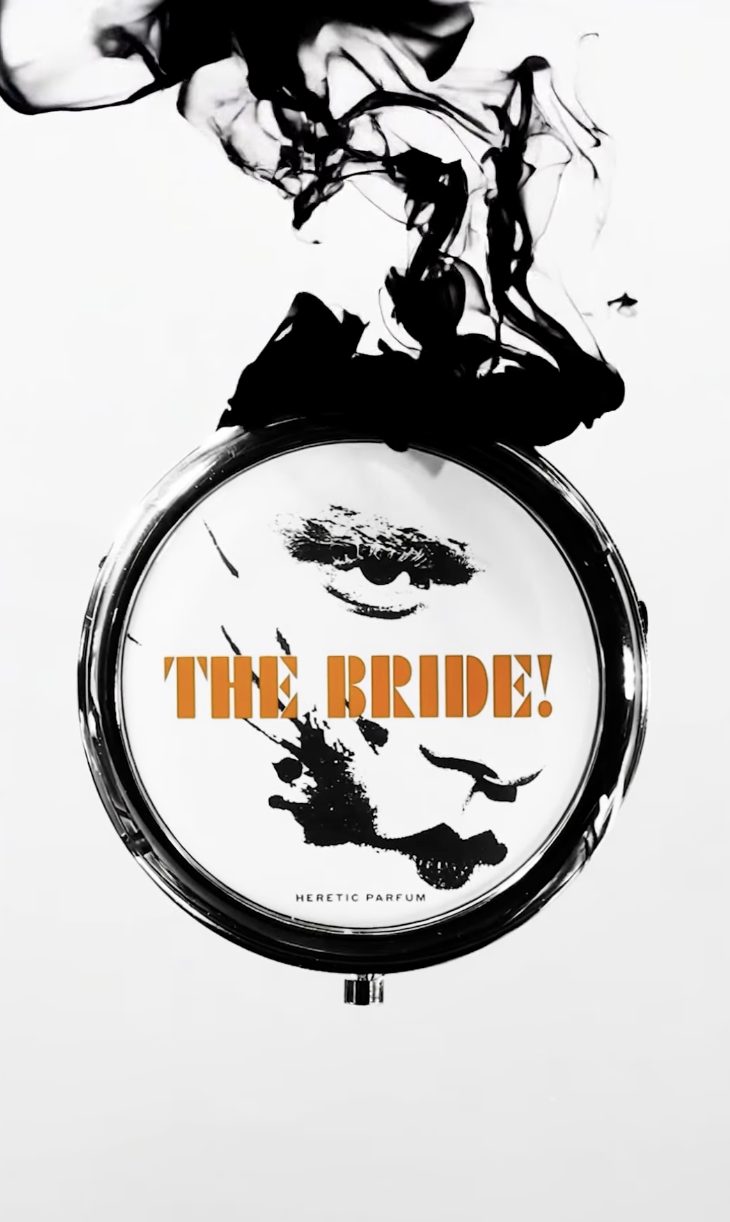
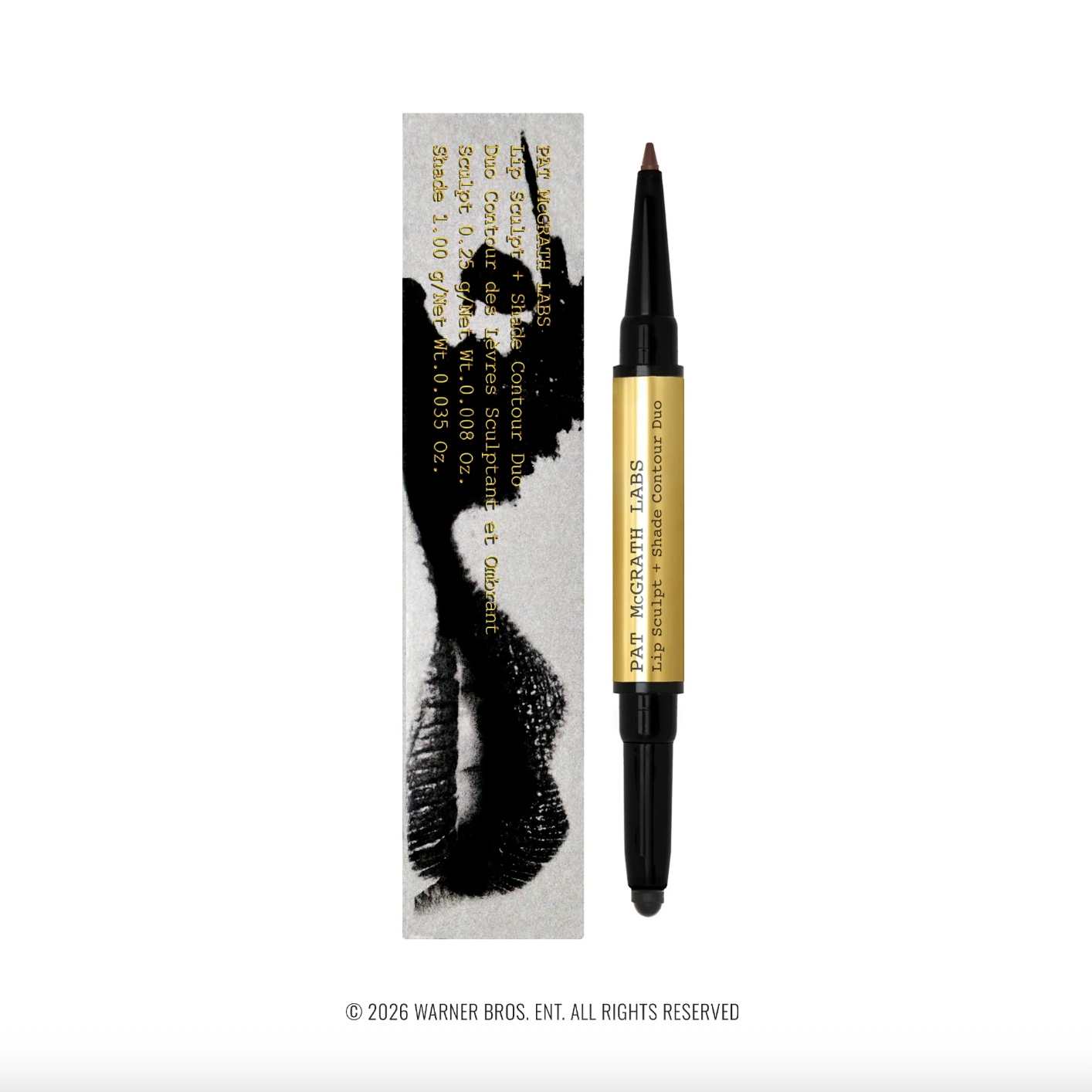
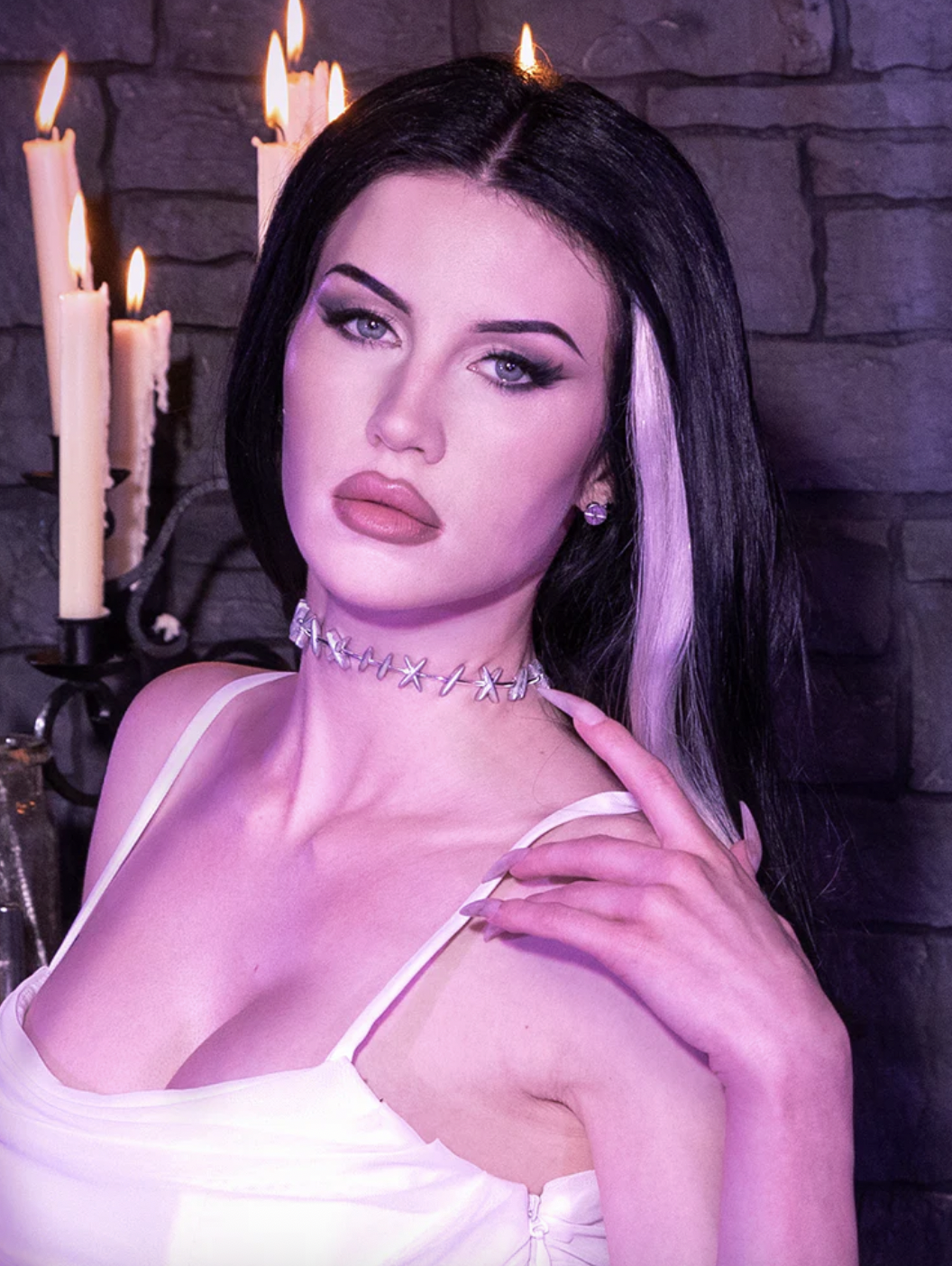

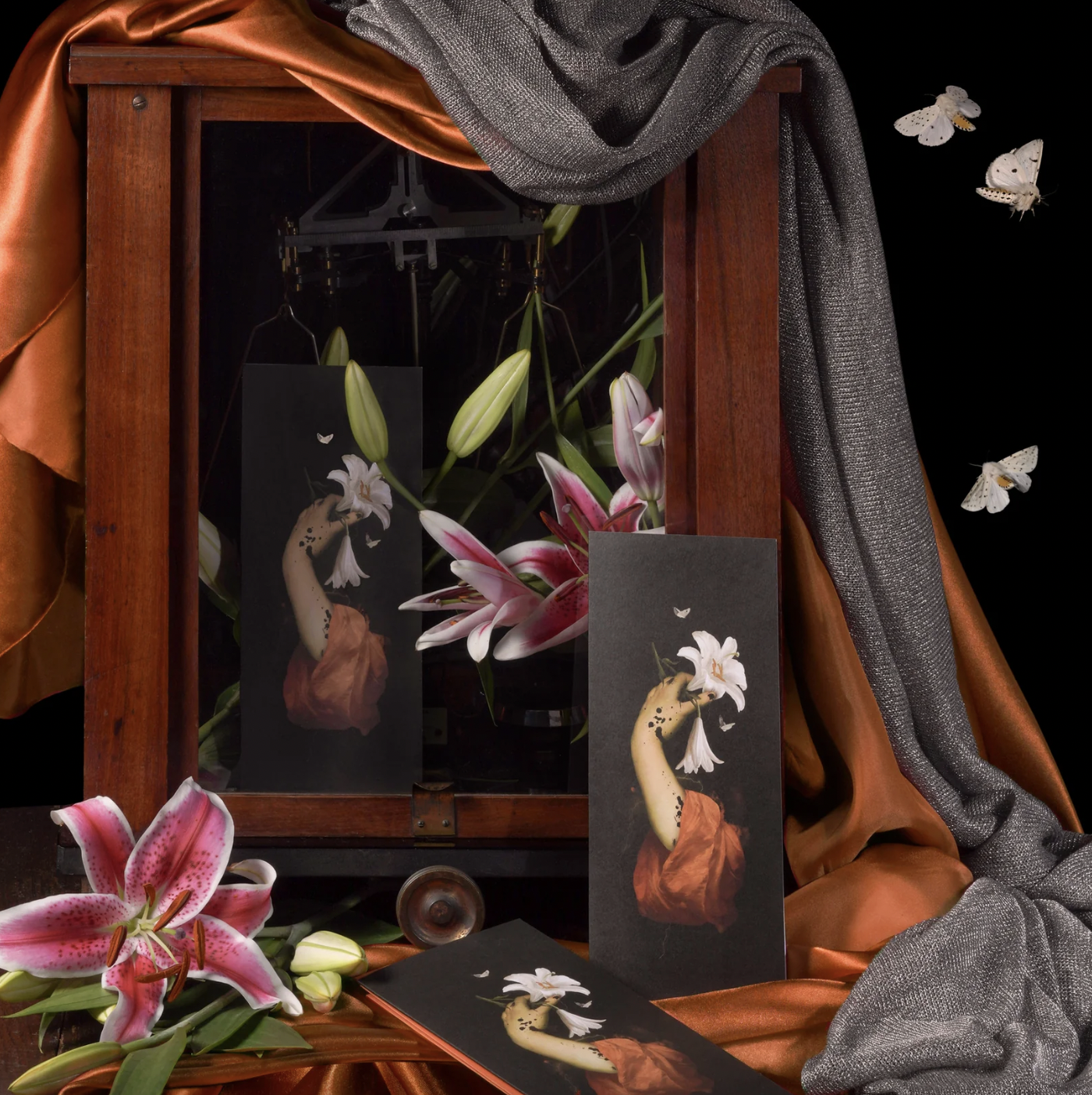
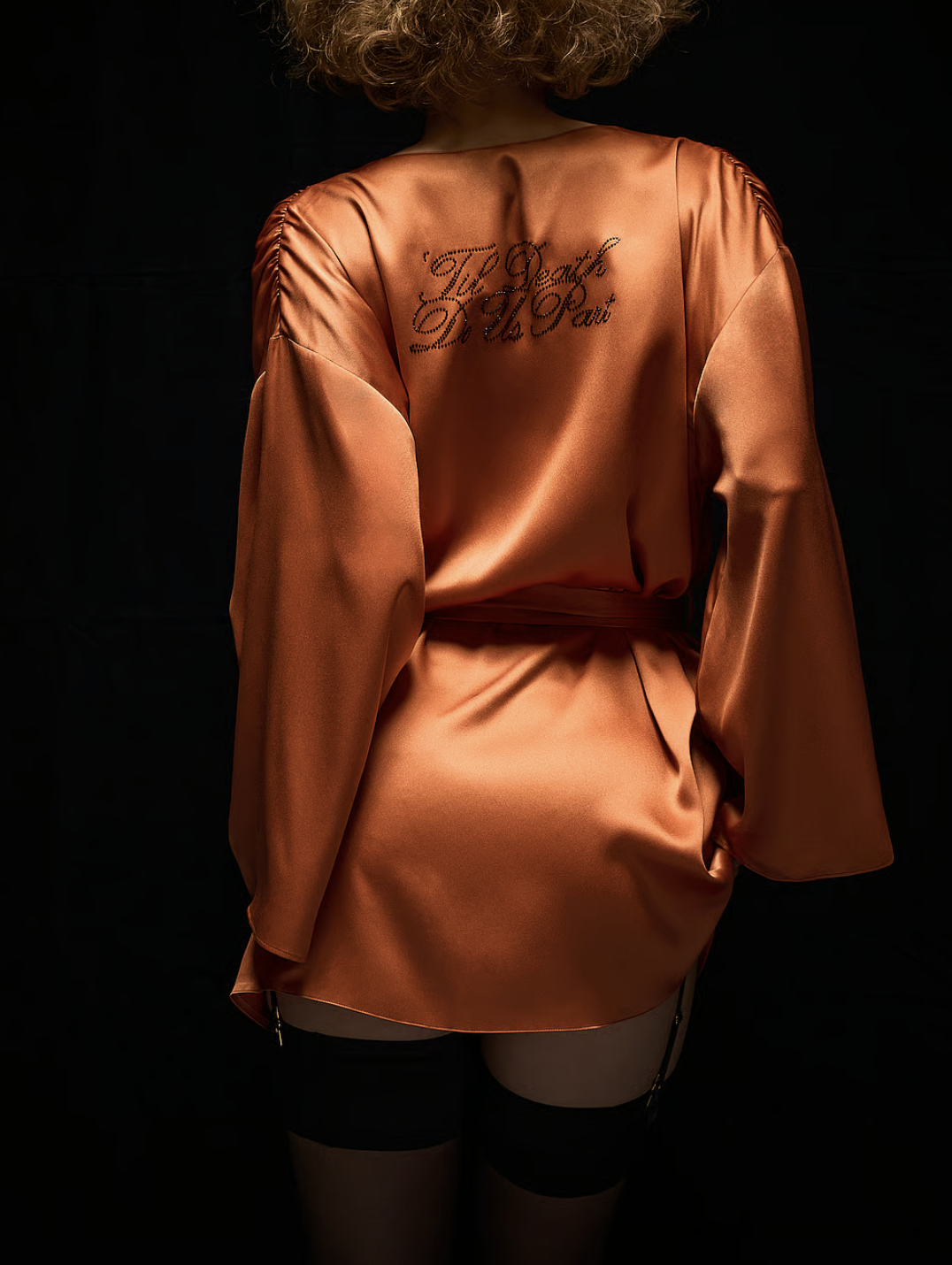
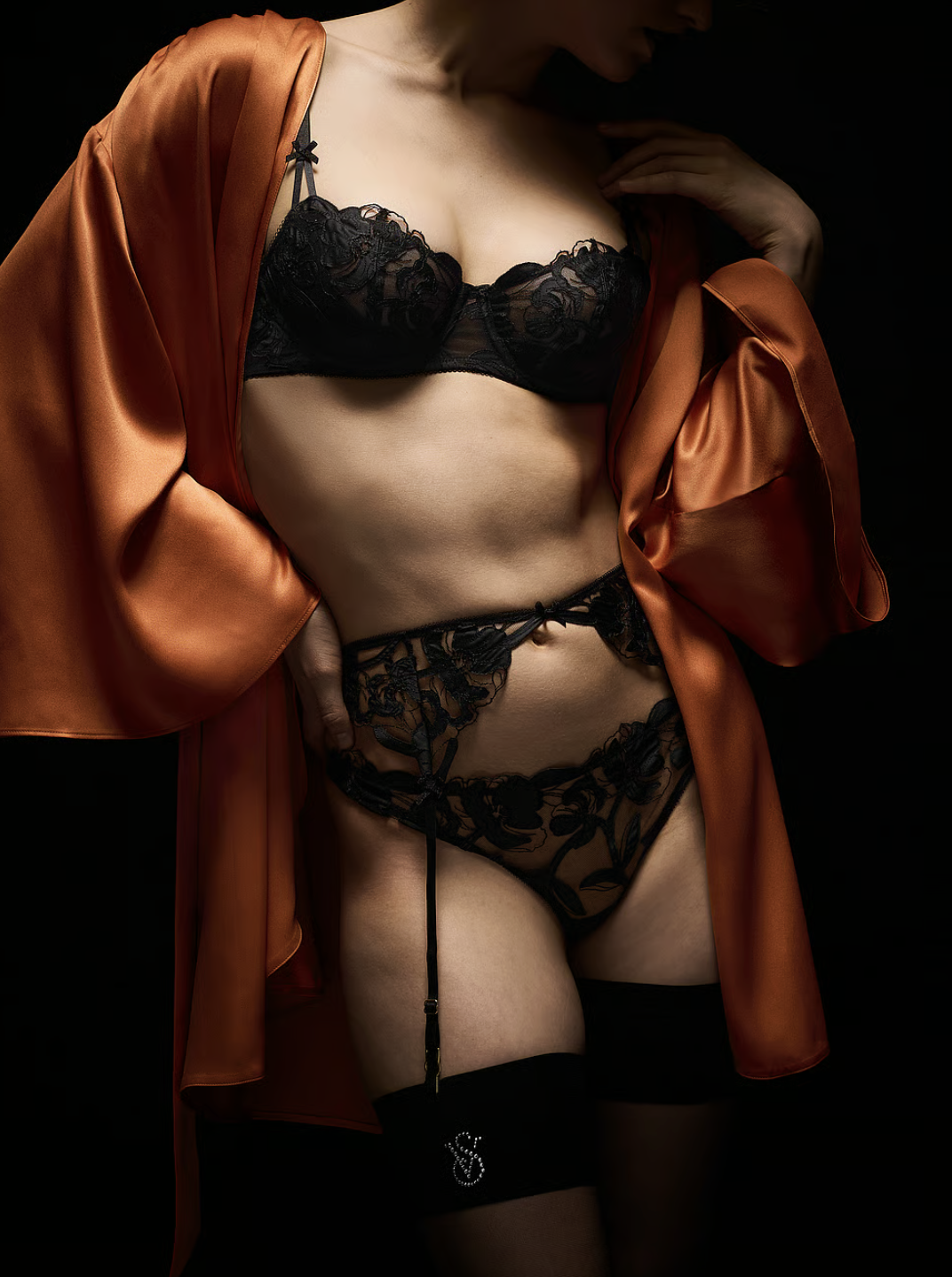
You do not have to fit anyone else’s definition of feminine. You do not have to dilute your anger to remain desirable. You are allowed to be mad and magnetic, scarred and stunning, complicated and fully in command.
The Bride reminds us that fury does not cancel beauty. And, if that makes anyone uncomfortable, good.
Subscribe to receive our free monthly digital issue to your inbox including more editorials like these, the chance to vote on next month’s stories and a preview of upcoming giveaways.