As the characters step into adulthood, the show’s iconic makeup evolves alongside the uncomfortable realities of growing up after the glitter loses its gleam
By: The Lace Ledger Staff
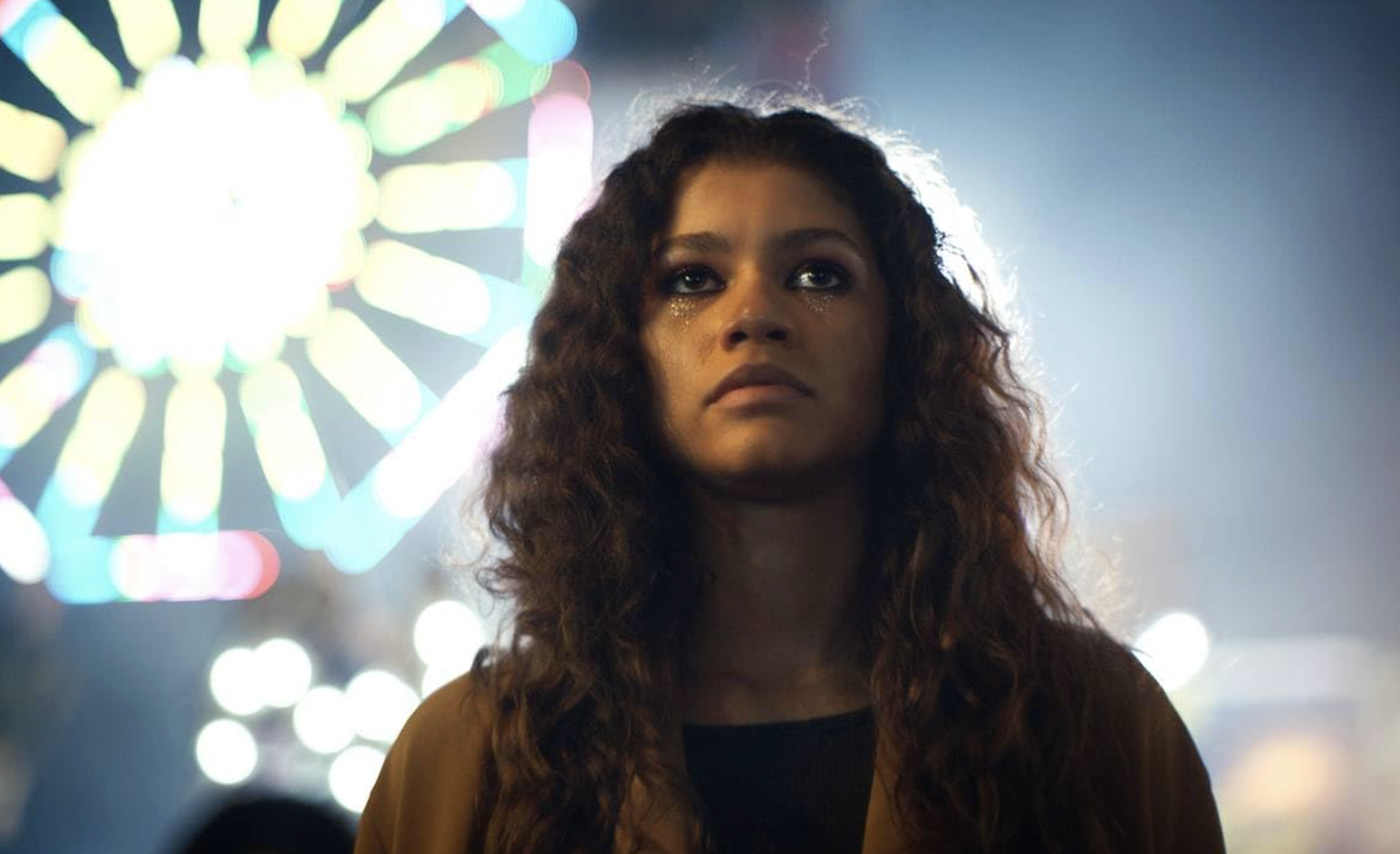
When Euphoria first arrived, it detonated the rules of television makeup. Eyes glittered under convenience-store lighting. Rhinestones traced the edges of eyeliner. Teenage bedrooms became laboratories for gloss and gossip, colour and catastrophe.
The beauty language of the early seasons thrived on experimentation with characters treating makeup as emotional shorthand. A handful of crystals beneath the eye could communicate heartbreak with depth beyond dialogue.
For many viewers, the appeal was immediate. The show captured the sensation of youth, at full volume. Makeup functioned like an extension of the diary, amplifying what was already written across each character’s face.
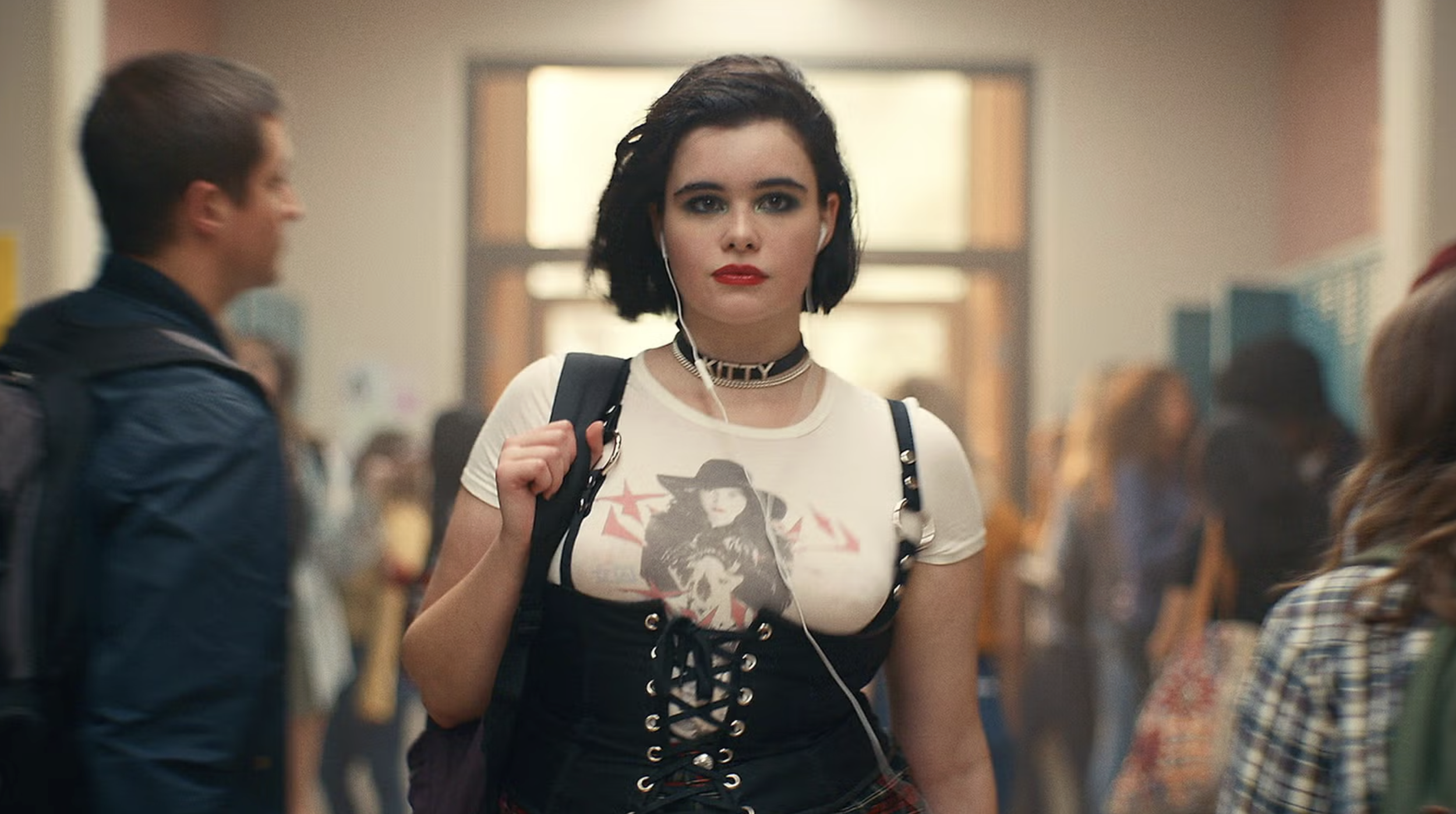
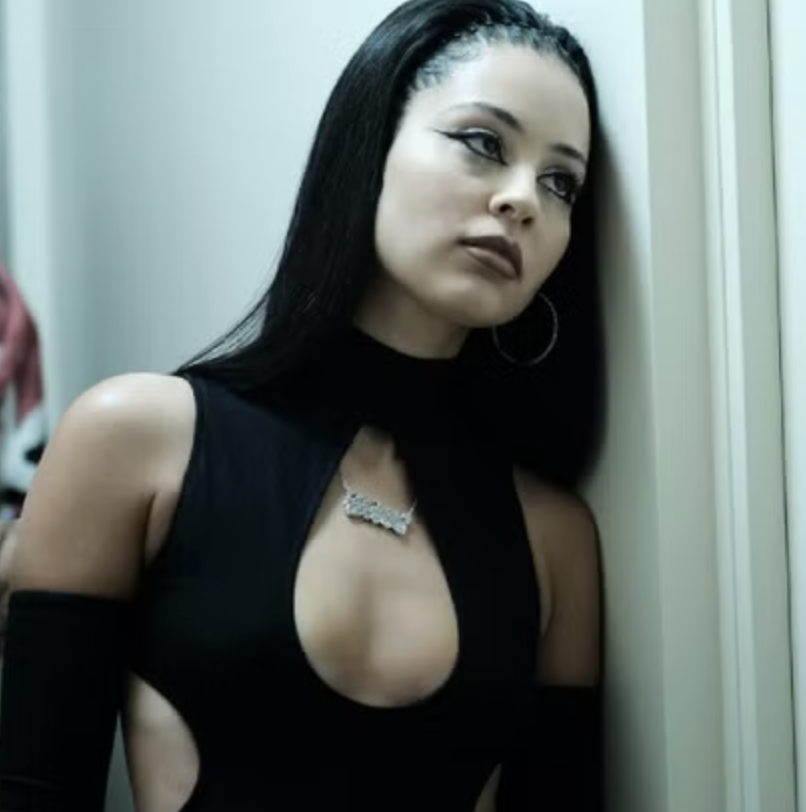
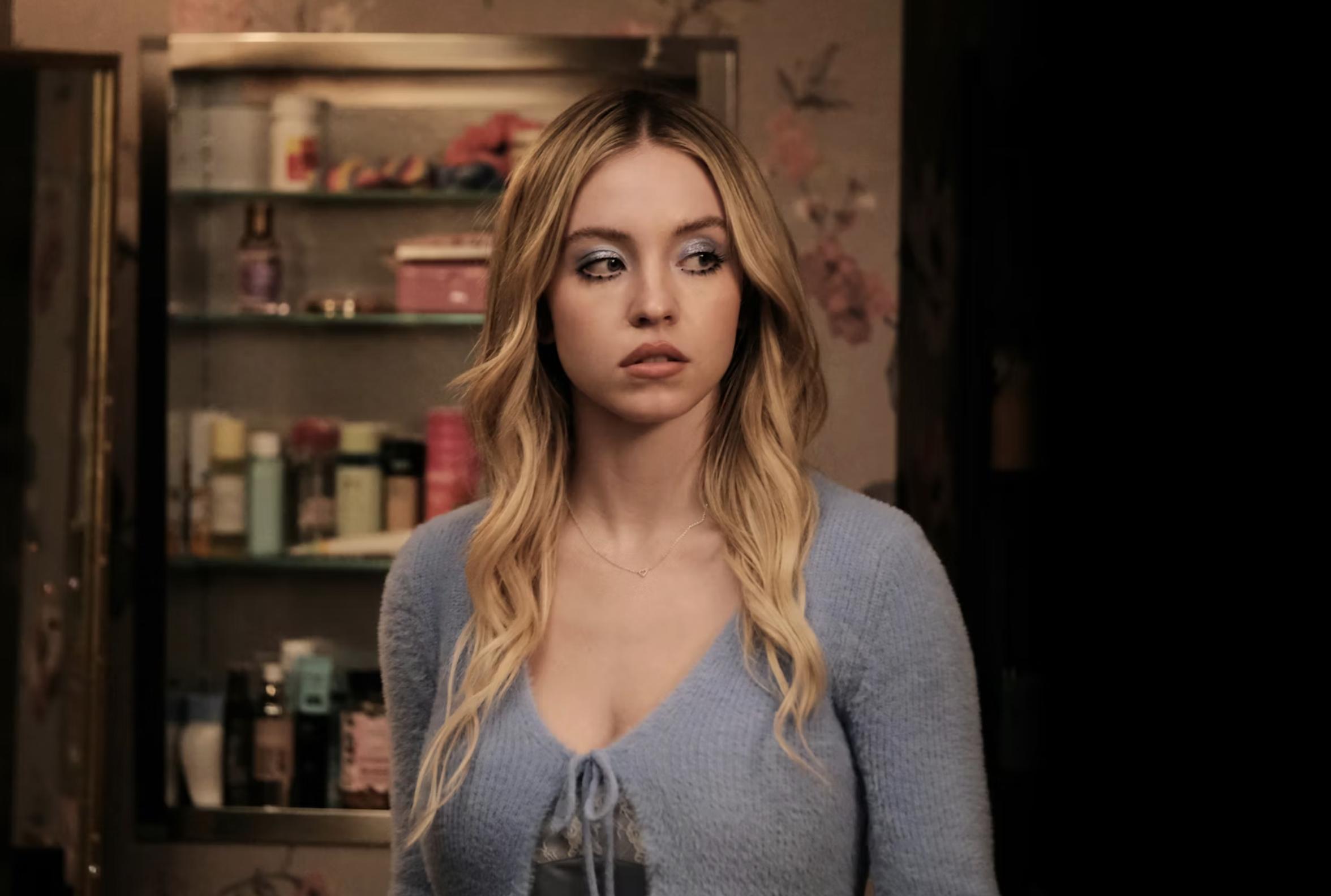
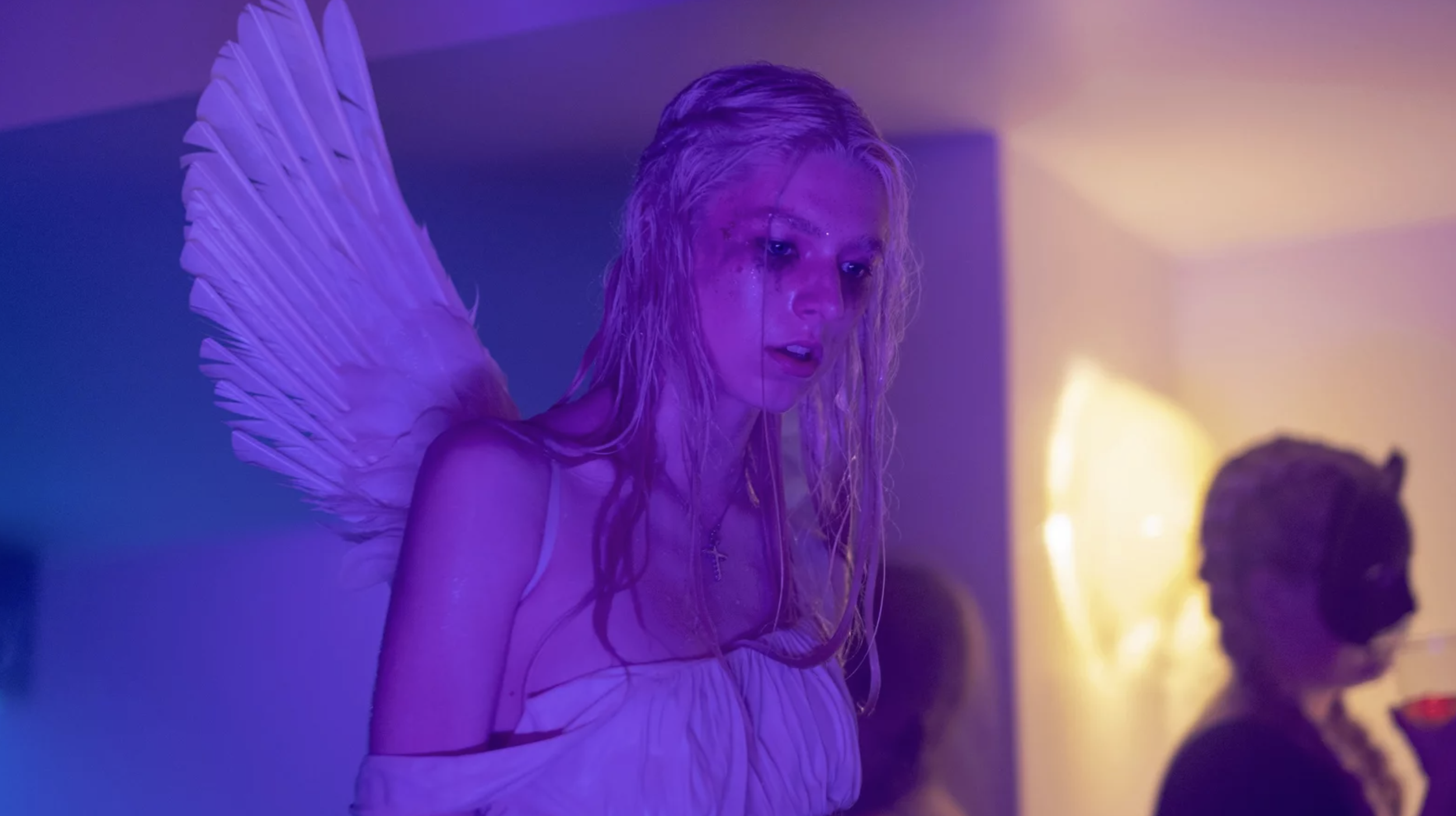
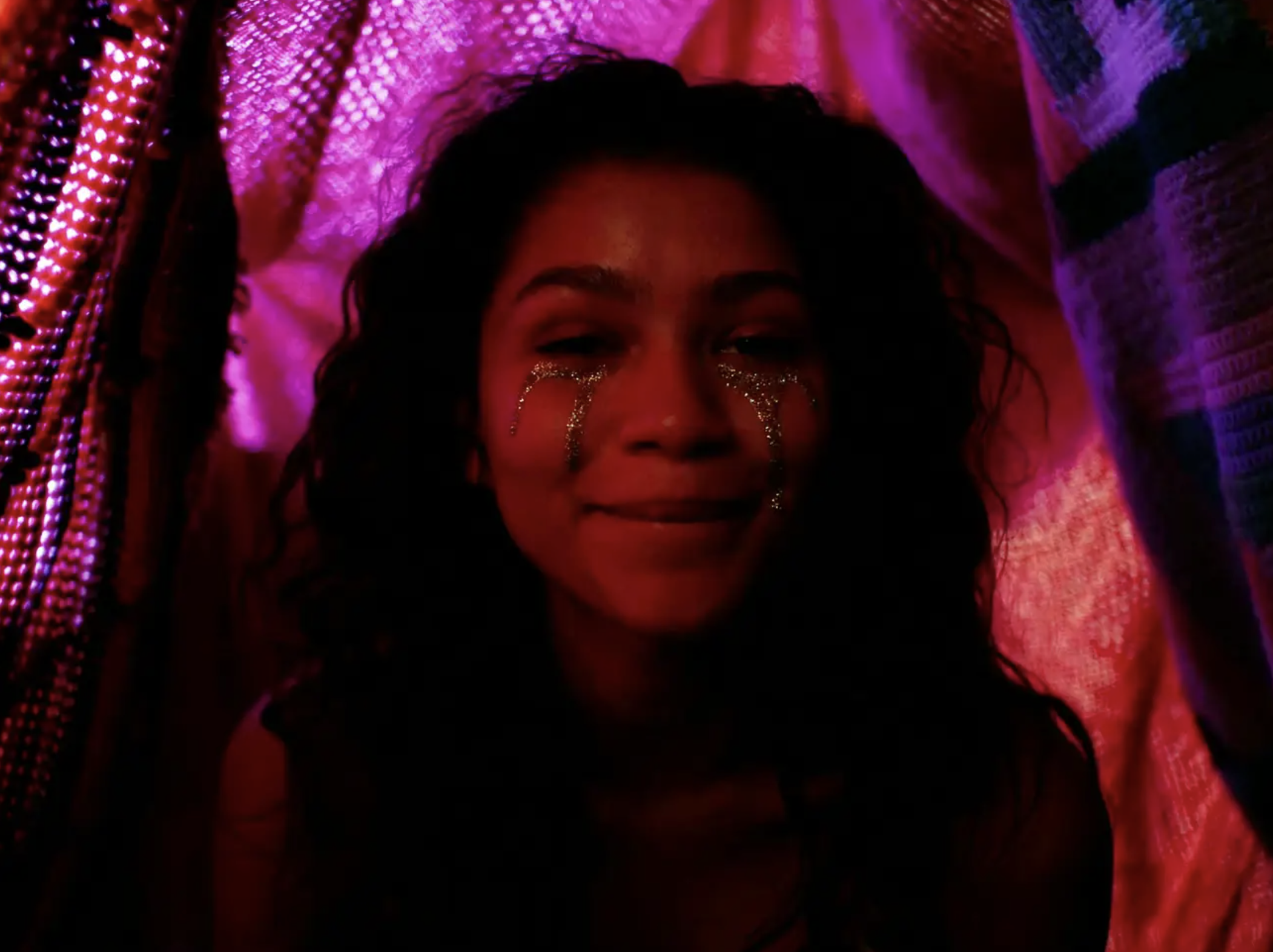
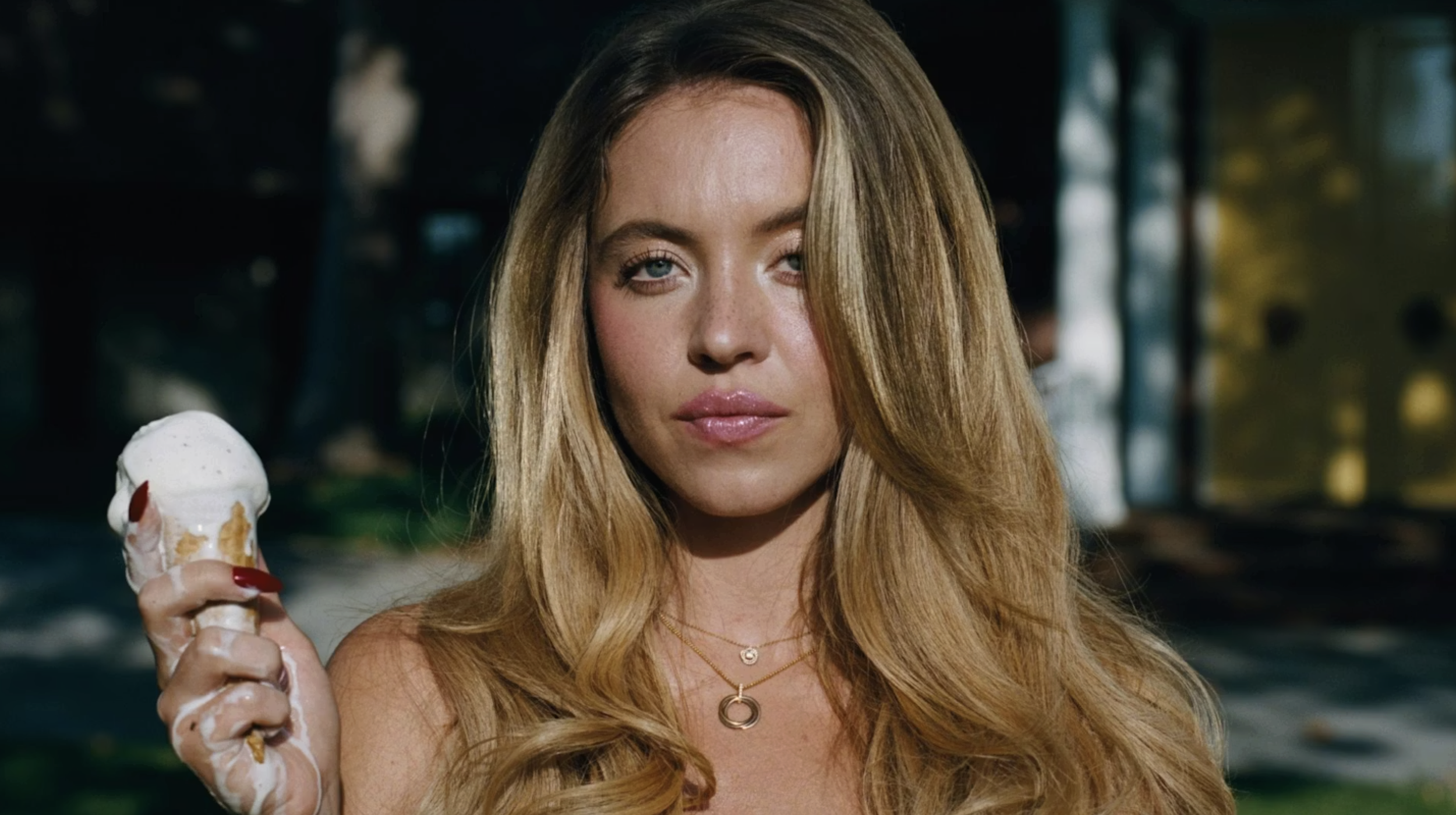
Season three has been evolving that language. The characters are older now; the audience is too. What once read as youthful chaos begins to register as the early formation of personal style.
The afterparty era has arrived, and, honestly, at times, it’s hard to watch.
From Chaos Control (Well, Sort Of)
Season three signals a shift toward a slower burn when it comes to beauty. Early episodes suggest makeup that still commands attention, now executed with the precision that comes from lived experience. One deliberate graphic line replaces an entire constellation of glitter. The effect reads as progression.
Where earlier seasons layered colour and sparkle, the emerging aesthetic holds a steadier hand … at first.
For Maddy, the evolution feels inevitable. Confidence has always been part of her visual language. But now a simple, razor-sharp wing conveys confidence on a level that her heavy, intricate eye designs could.
For Jules , makeup has always operated as a form of emotional translation. Within a more mature framework, that instinct has been refined, each choice landing with greater clarity.
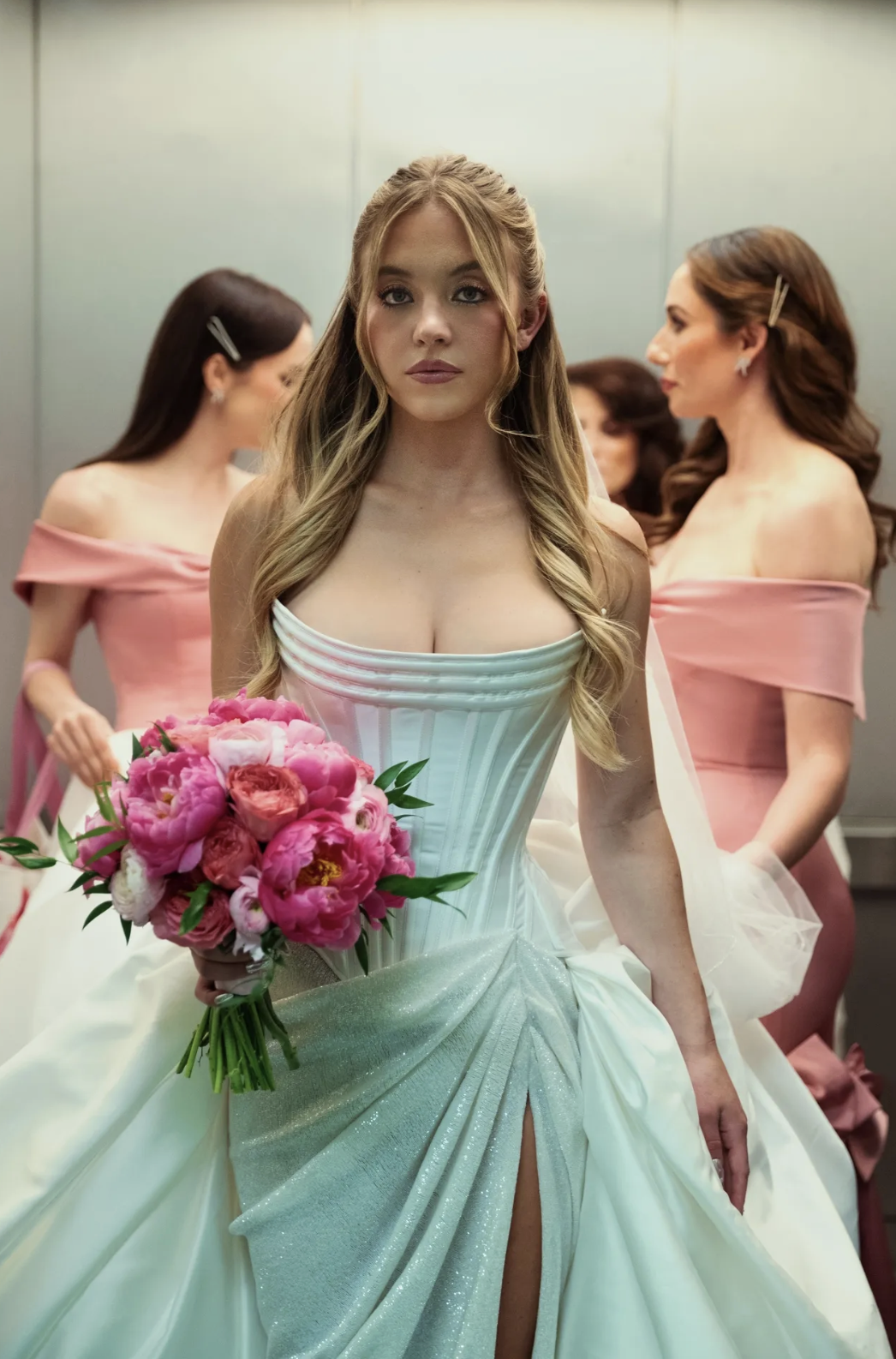
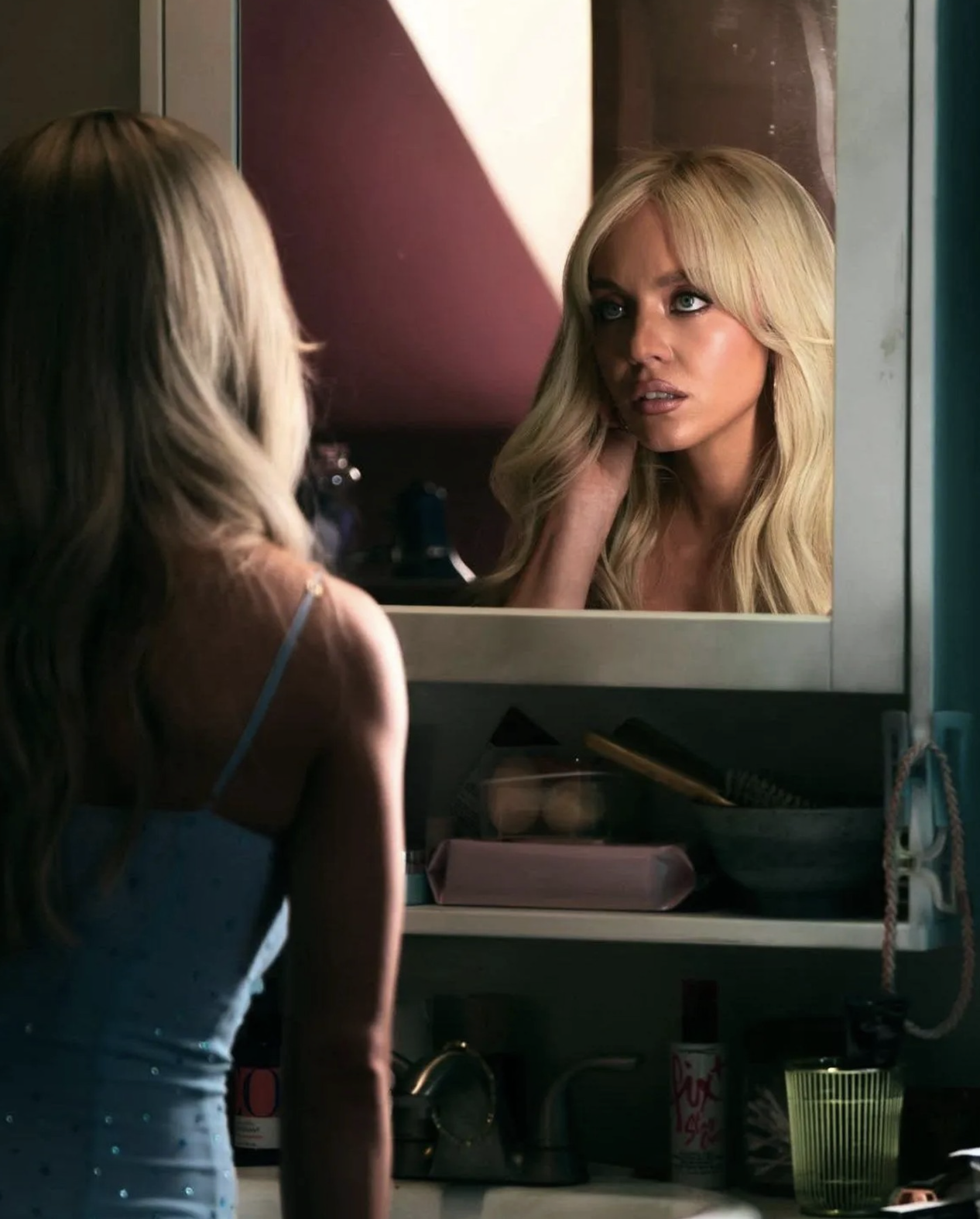
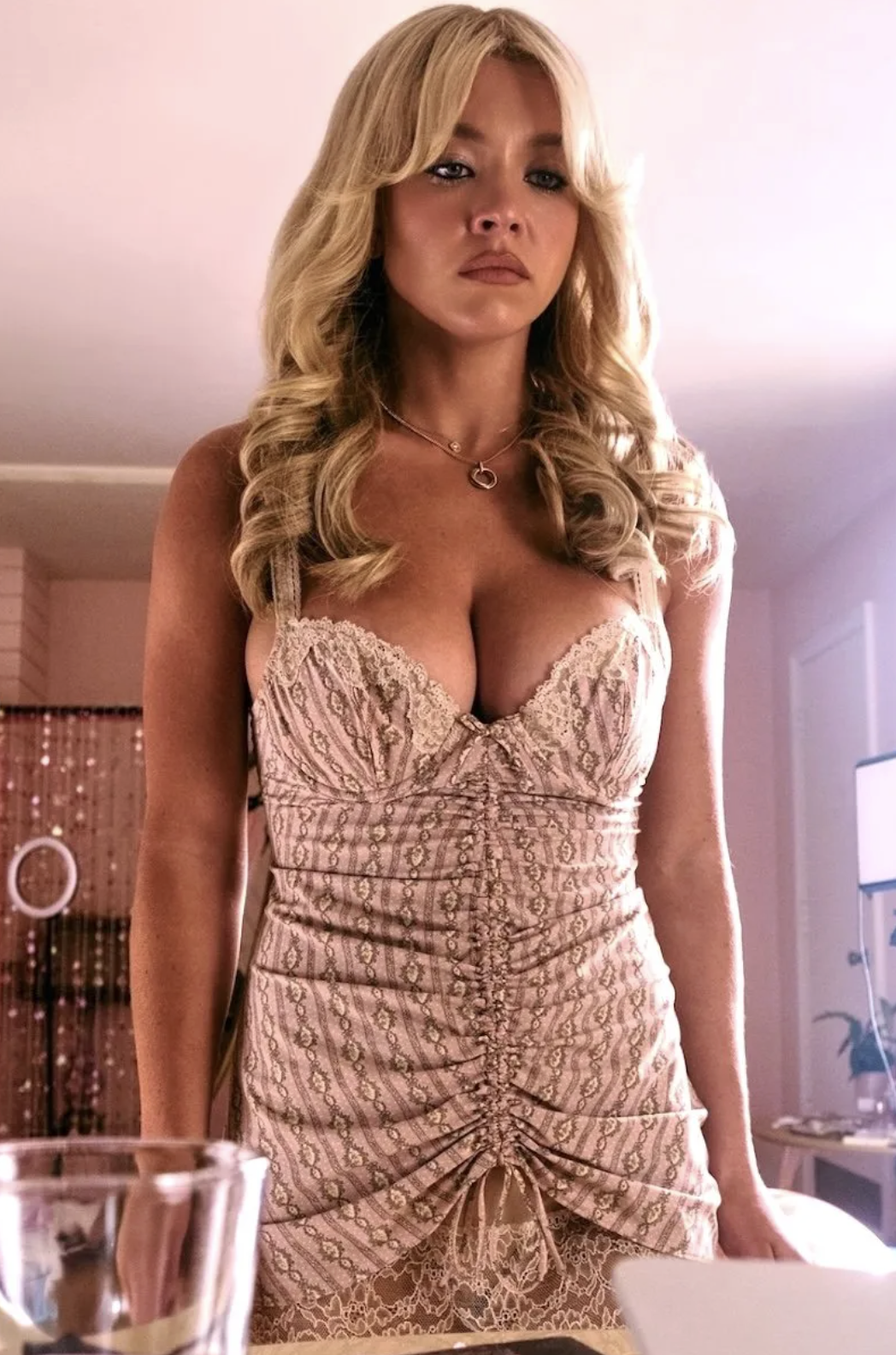
For Cassie, the shift feels less settled, more seeking. Her beauty reads increasingly performative, each carefully perfected detail carrying the exhausting energy of someone trying desperately to become the version of herself she believes will finally be adored.
Makeup signals experience (or lack thereof), applied.
The Natural Progression of Style
The shift mirrors something familiar on our side of the screen.
Adolescence favours experimentation. Colours clash. Trends overlap. The goal is discovery at a feverish pace.
With time, personal style begins to distill. You learn which palettes and silhouettes work for you. What feels instinctive. Excess gives way to precision.
If the first era of Euphoria beauty celebrated creative freedom, the next explores something equally compelling: survival in the real world.
Runway Echoes On-Screen
This evolution does not exist in on-screen isolation.
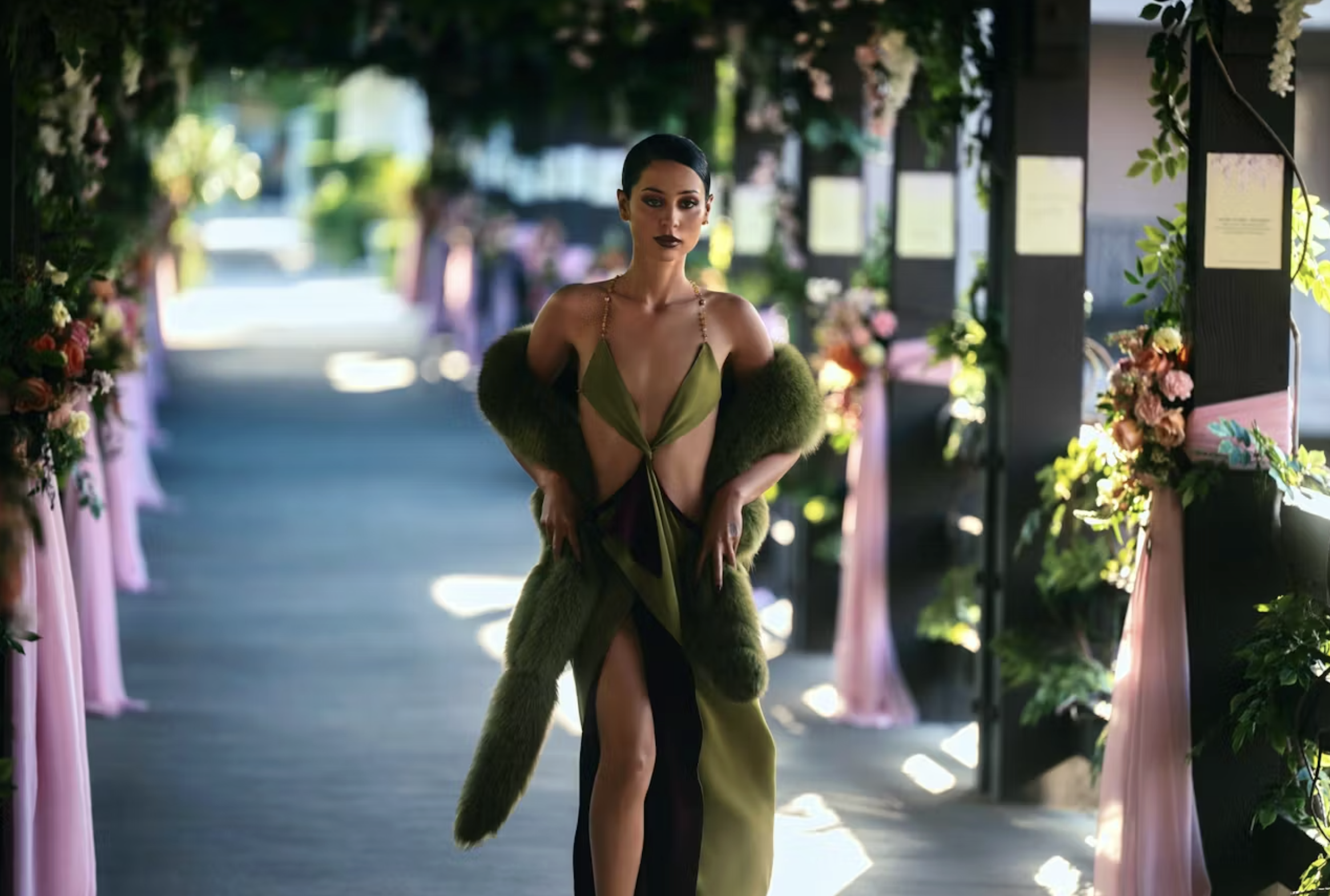
Across SS26 runways, couture designers have begun revisiting maximalist makeup through a more architectural lens. The emphasis lies on singular impact rather than layered decoration.
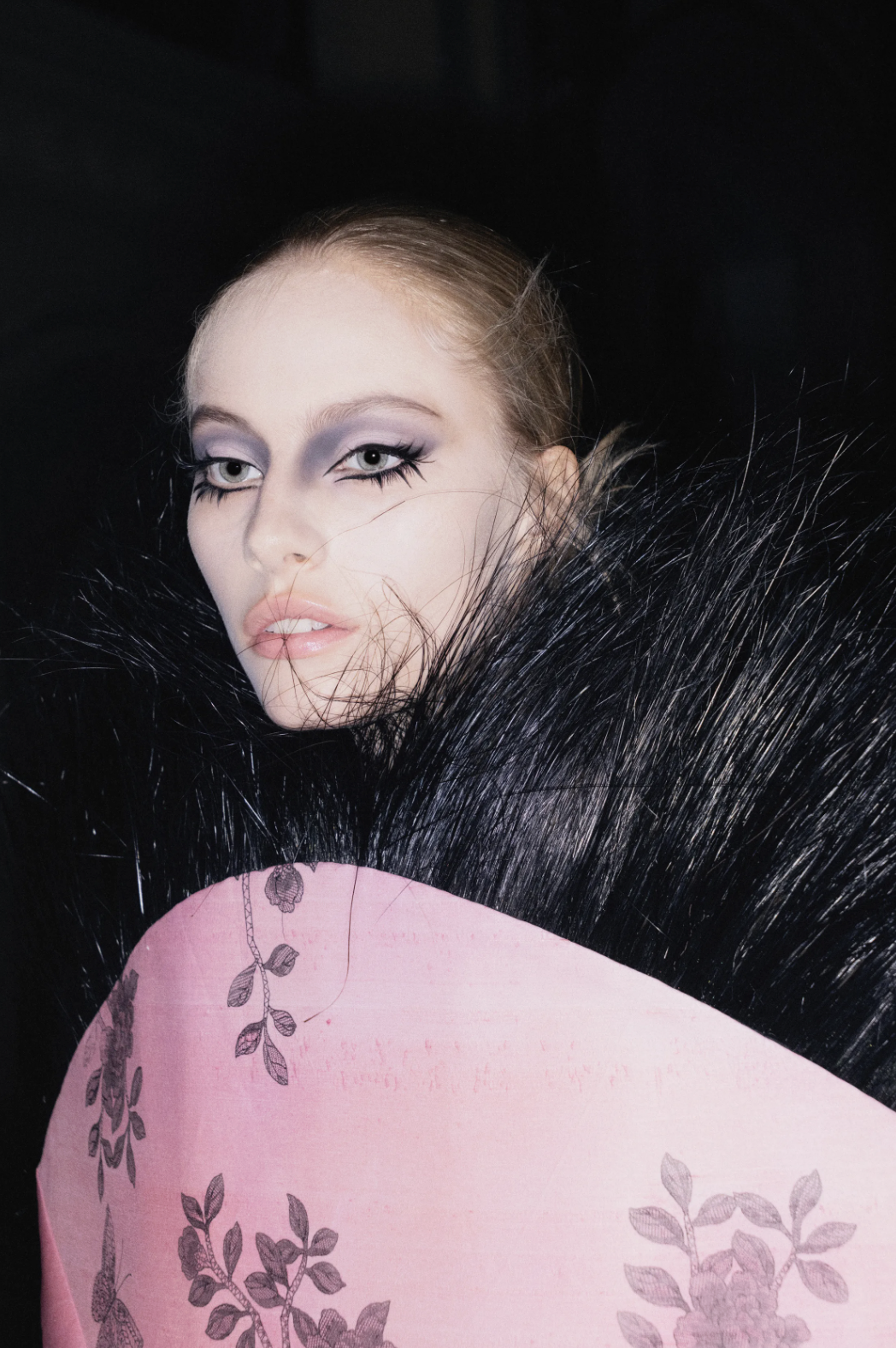
Photo Credit: British Vogue
At Harris Reed, models appeared with sharply defined graphic liner that sharply frames the eye. The effect felt controlled and intentionally bold, echoing the evolution of Maddy’s look—man eater energy with less chaos and more calculation.
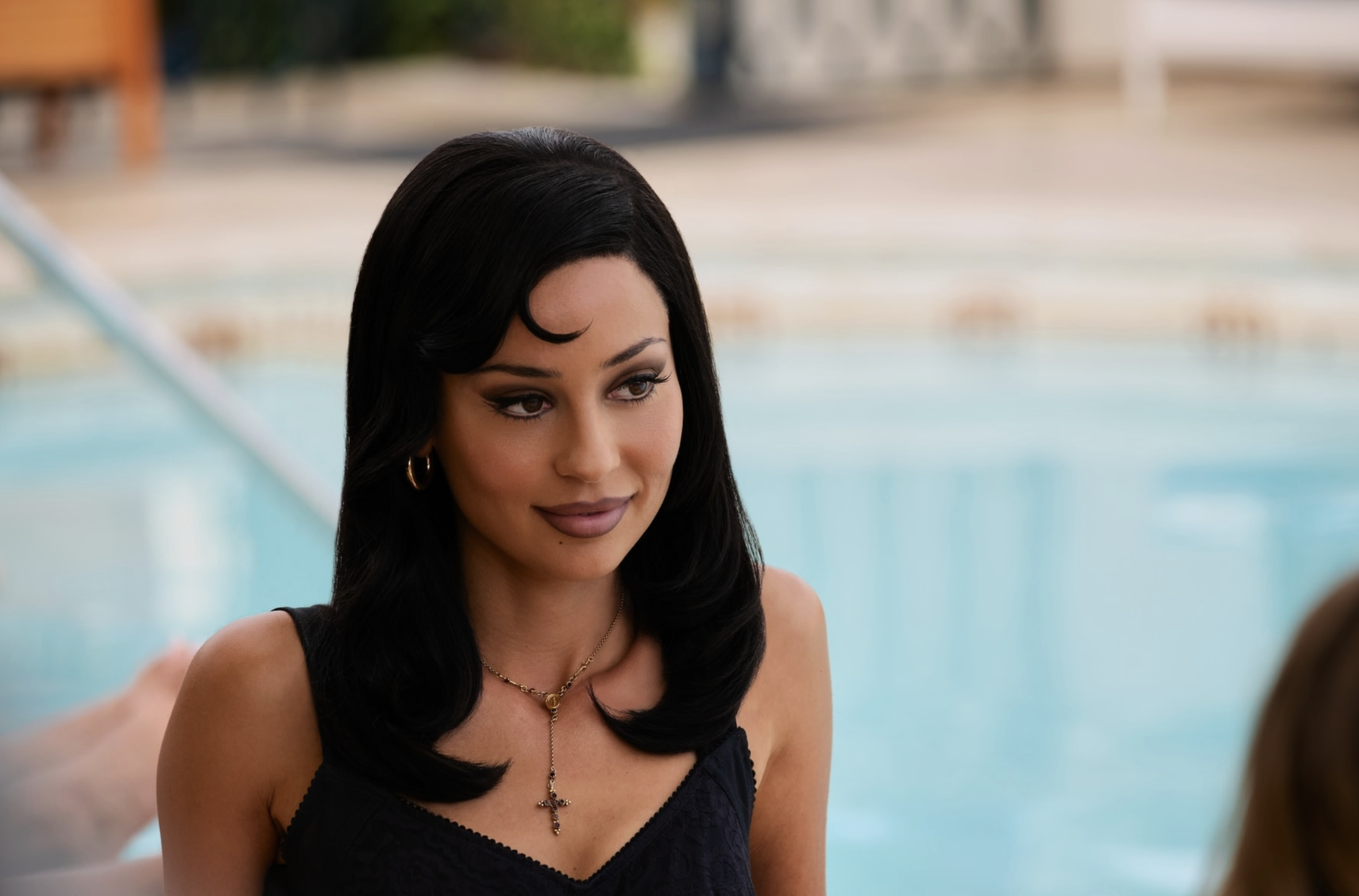
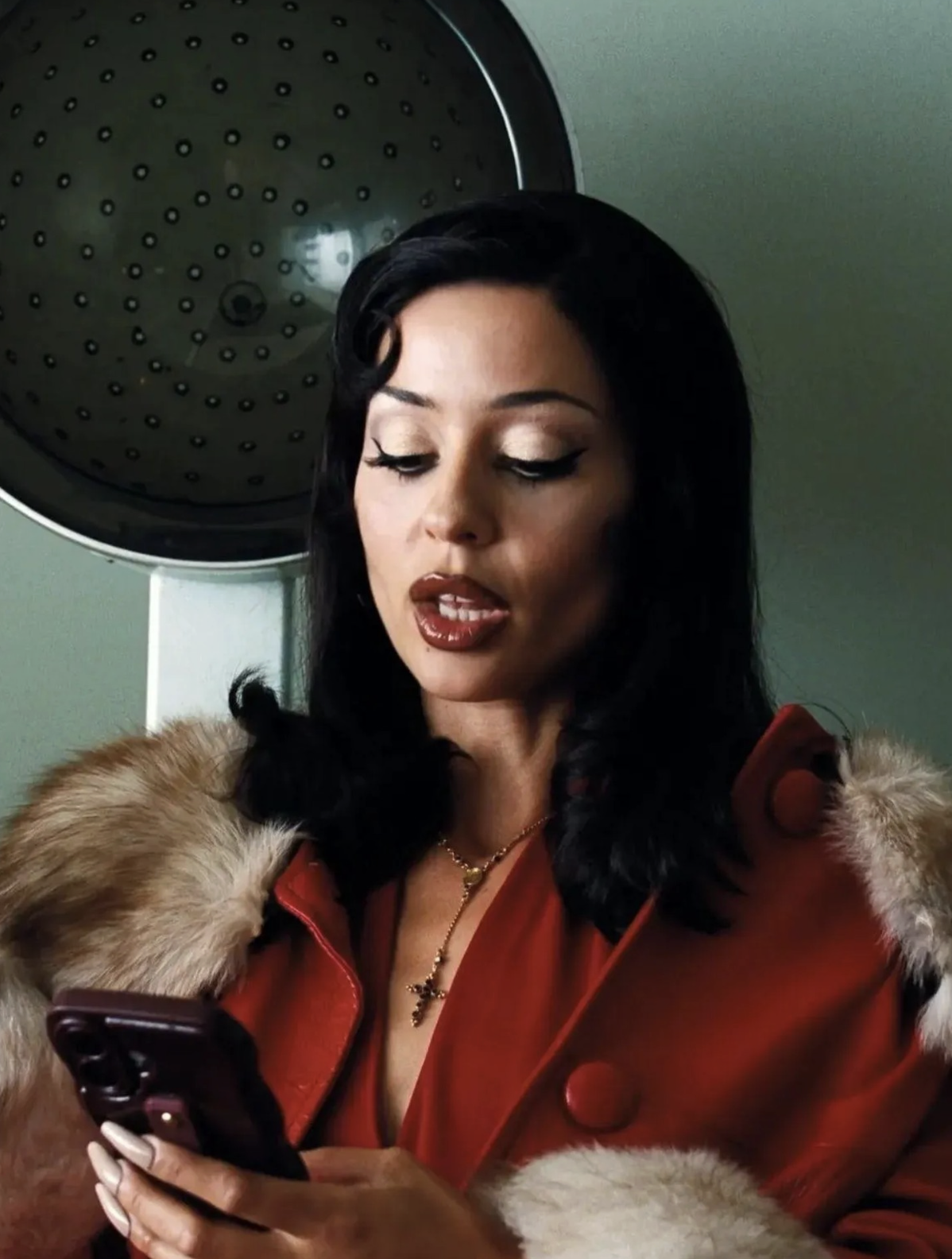
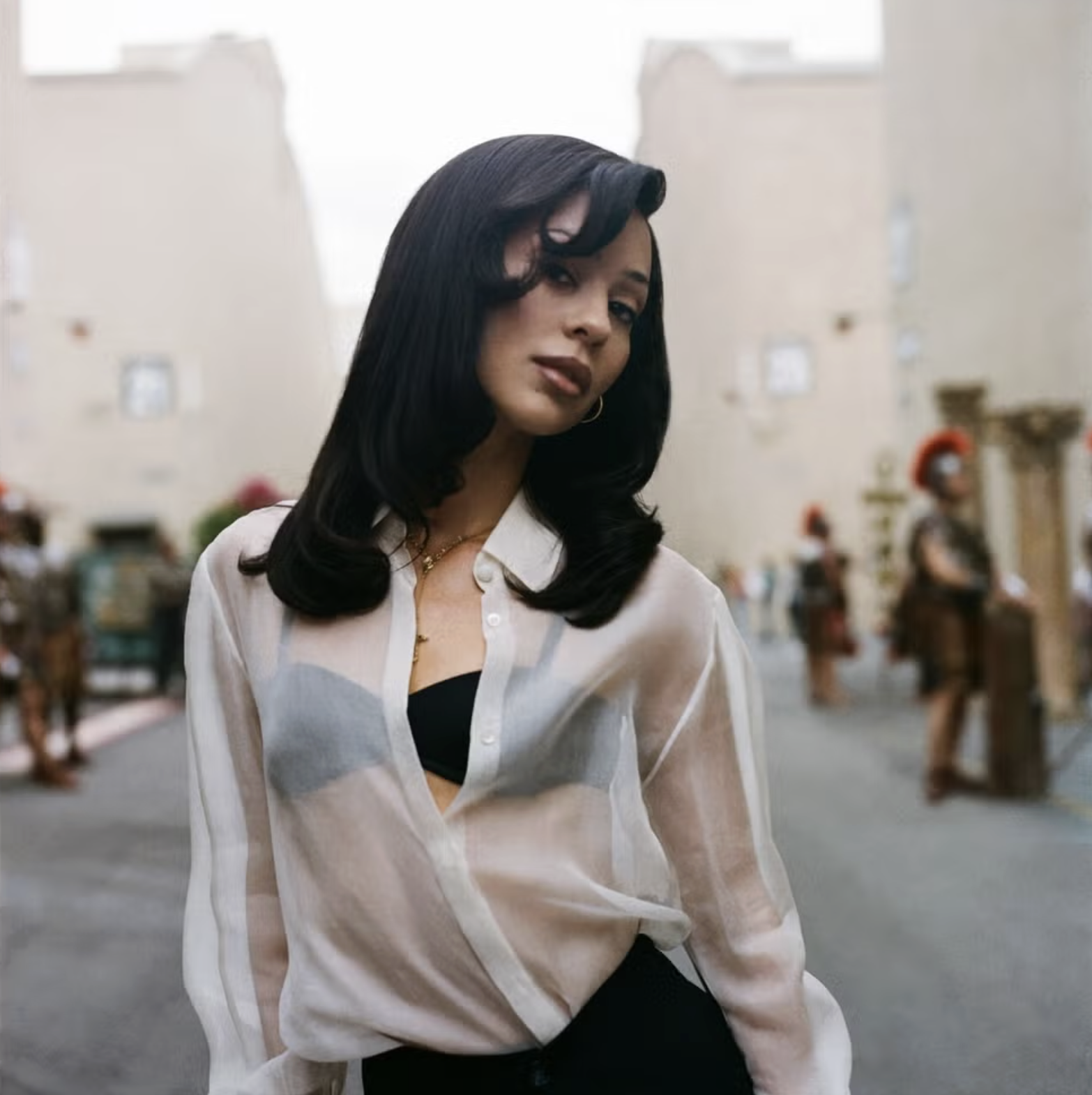
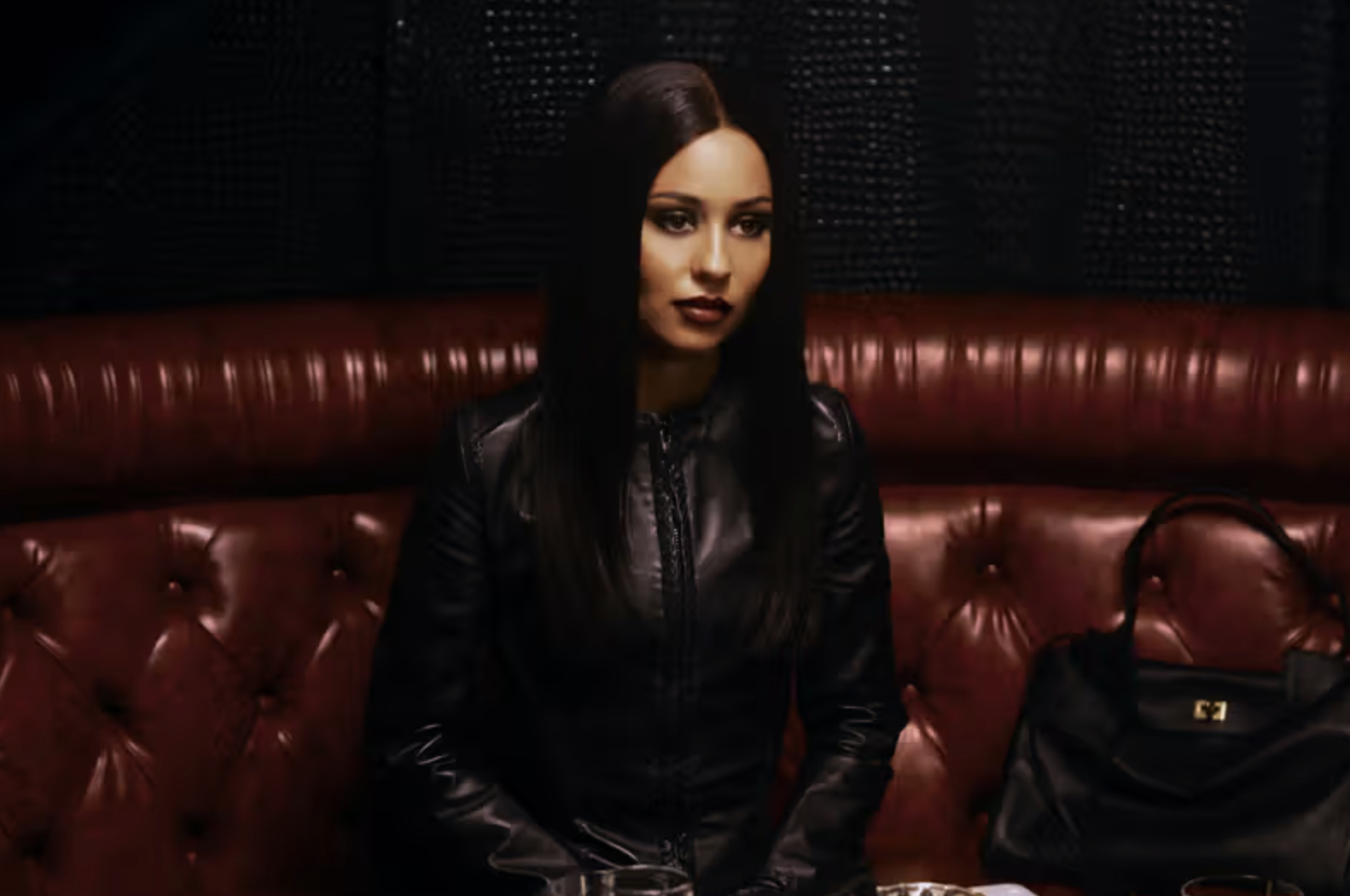
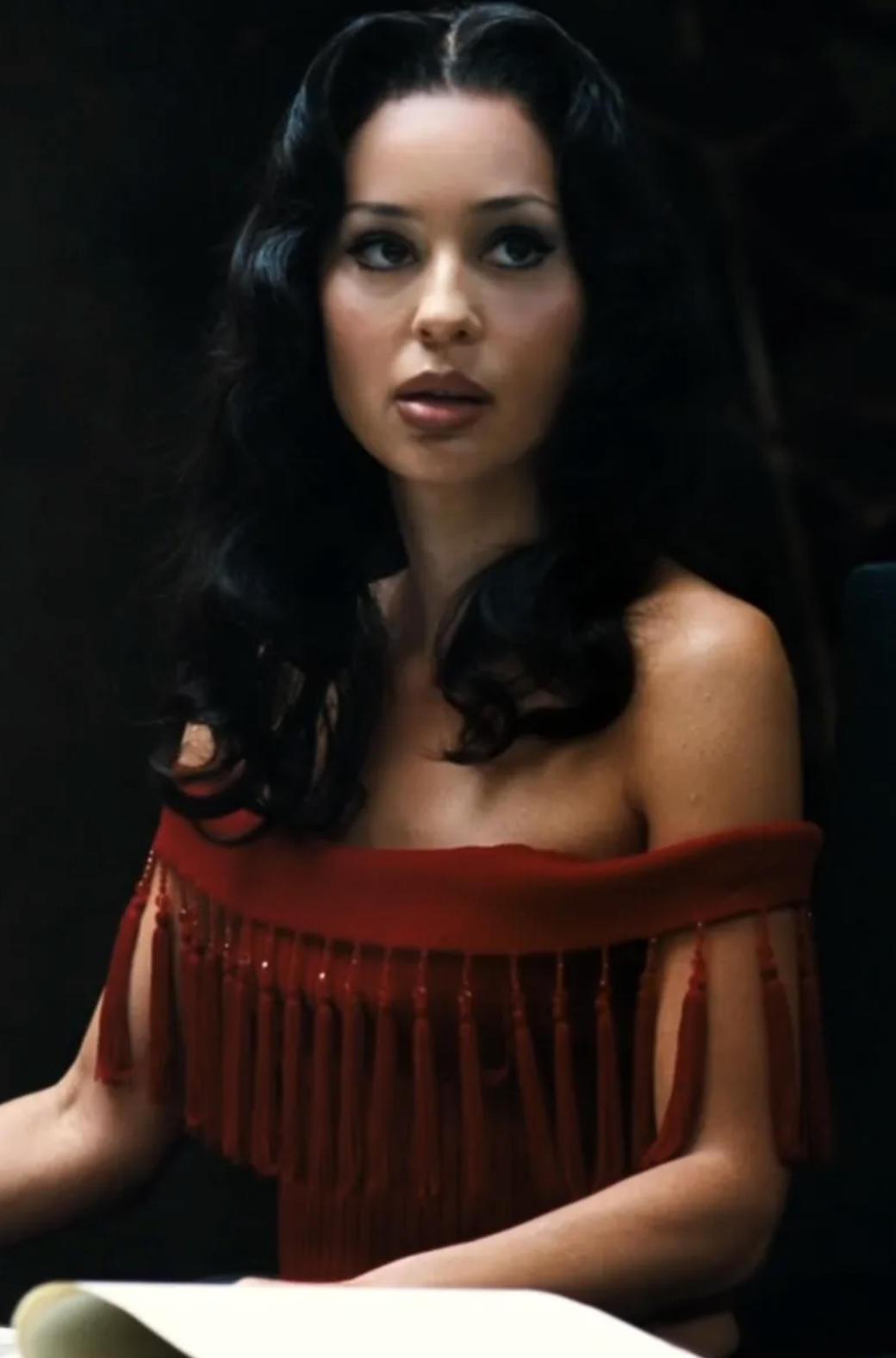
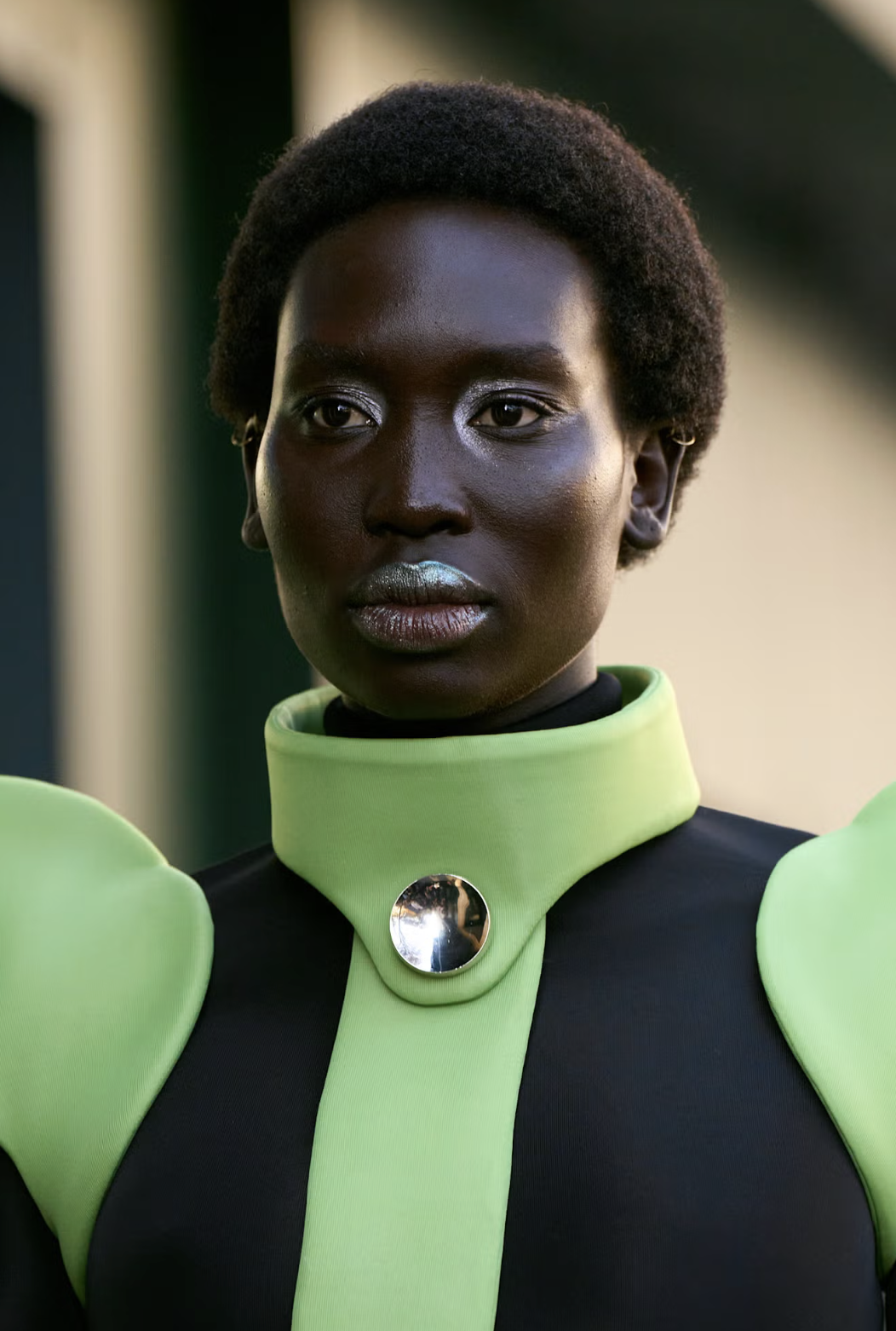
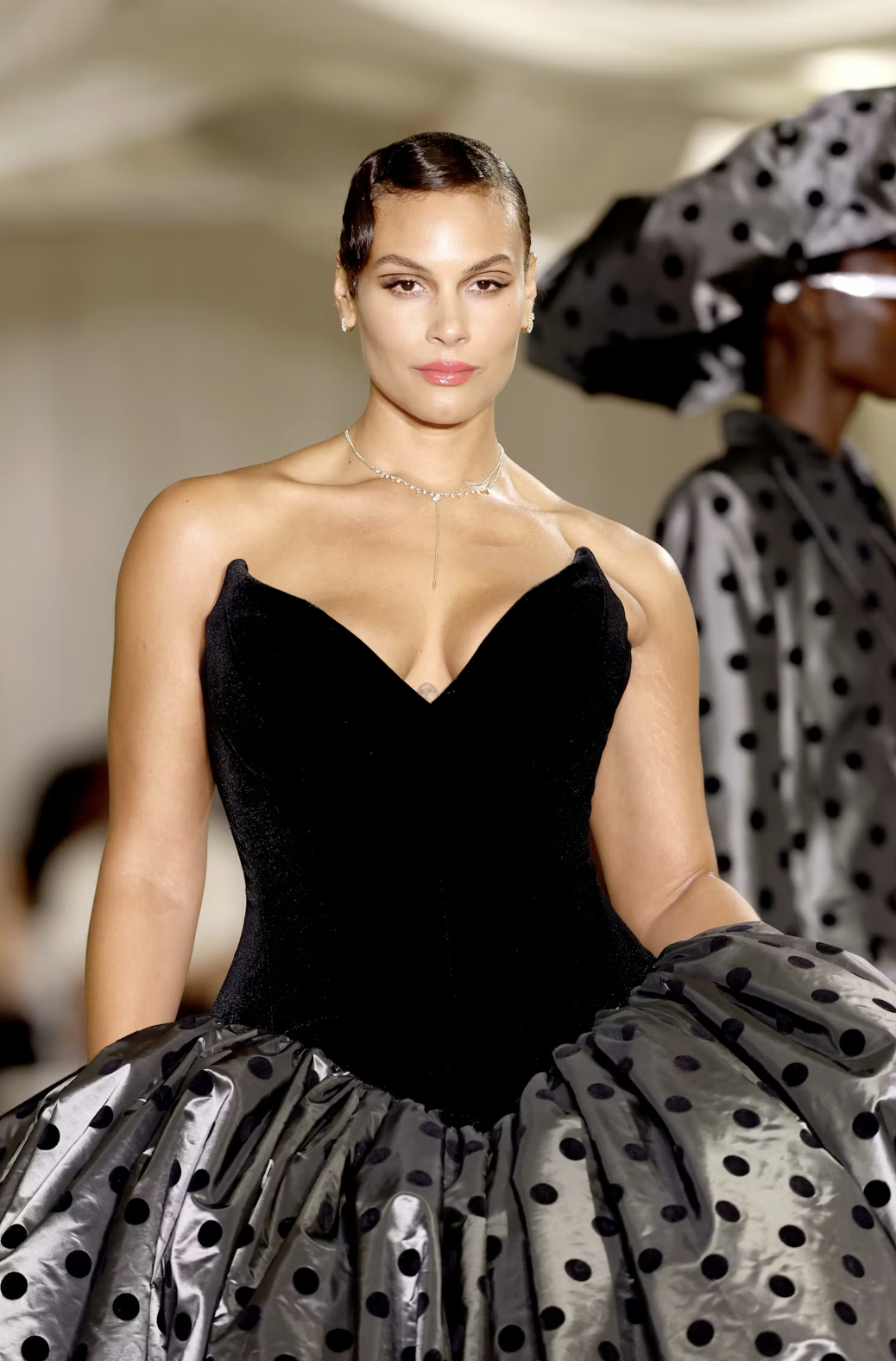
At Christian Siriano, graphic liner returned with a lighter touch. Set against fresh, luminous skin, the effect felt more open, where structure remains but the overall impression softens—closer to where Jules lands now. At Pierre Cardin, frosted lids carried that softness further, catching light without defining shape.
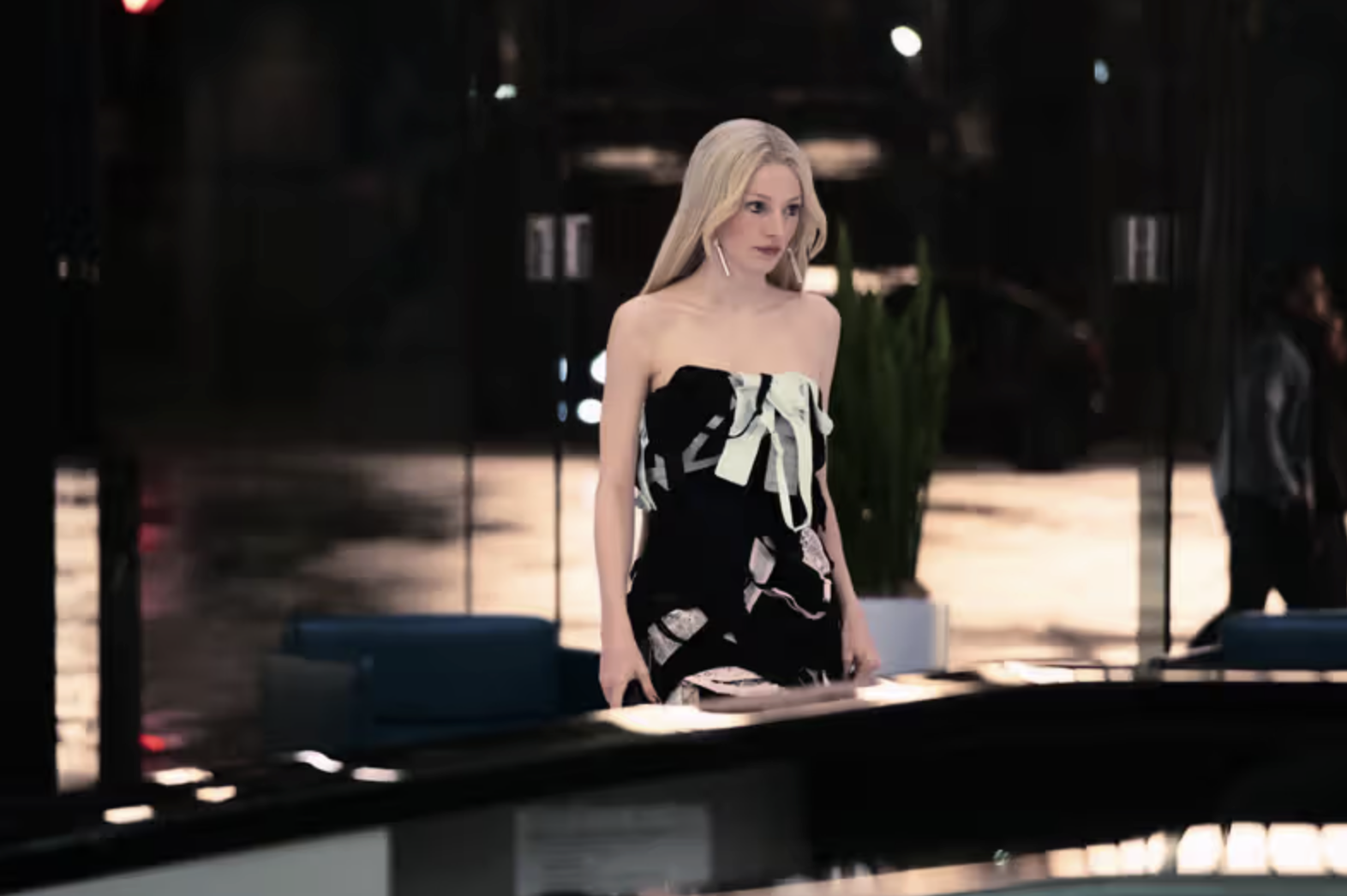
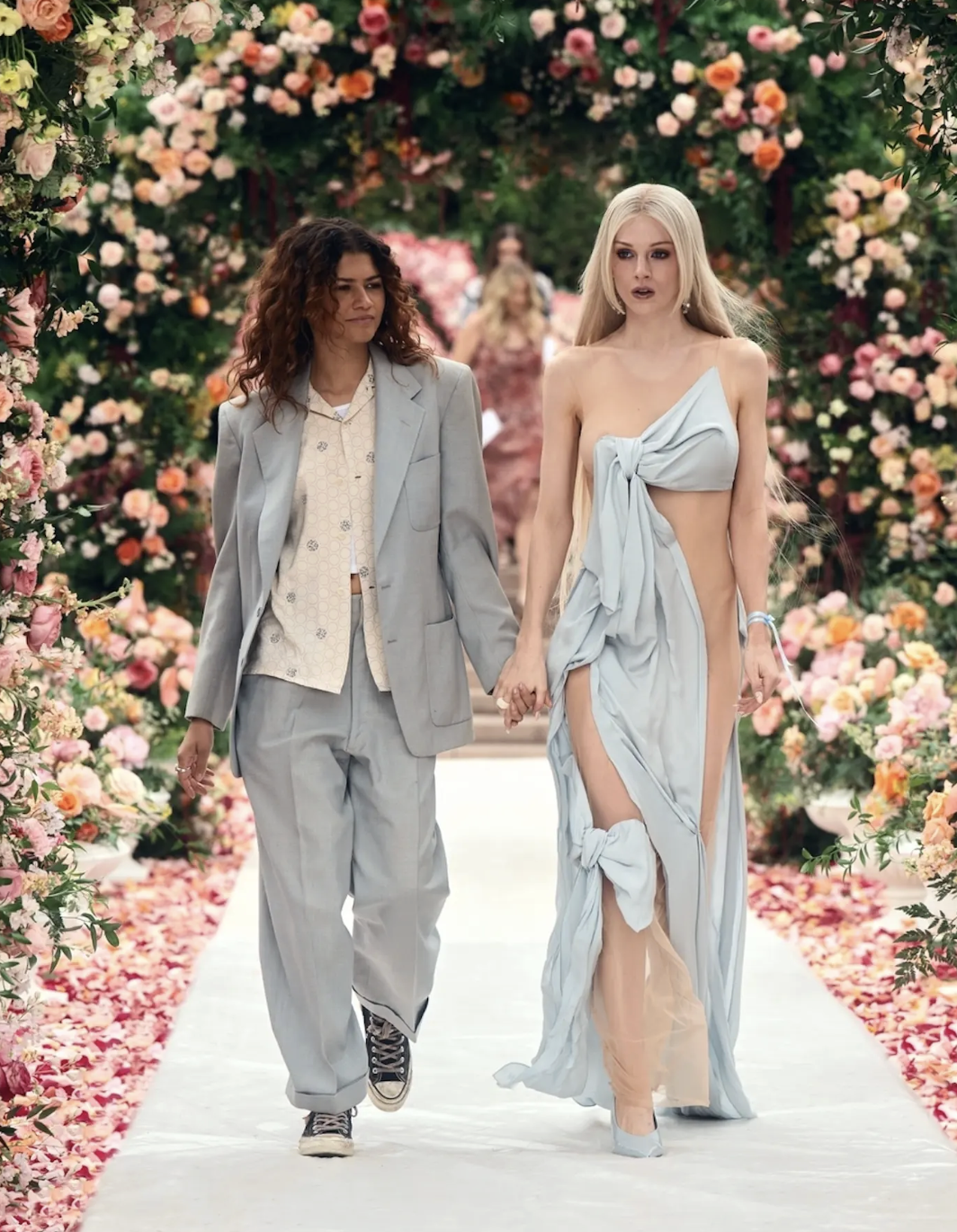
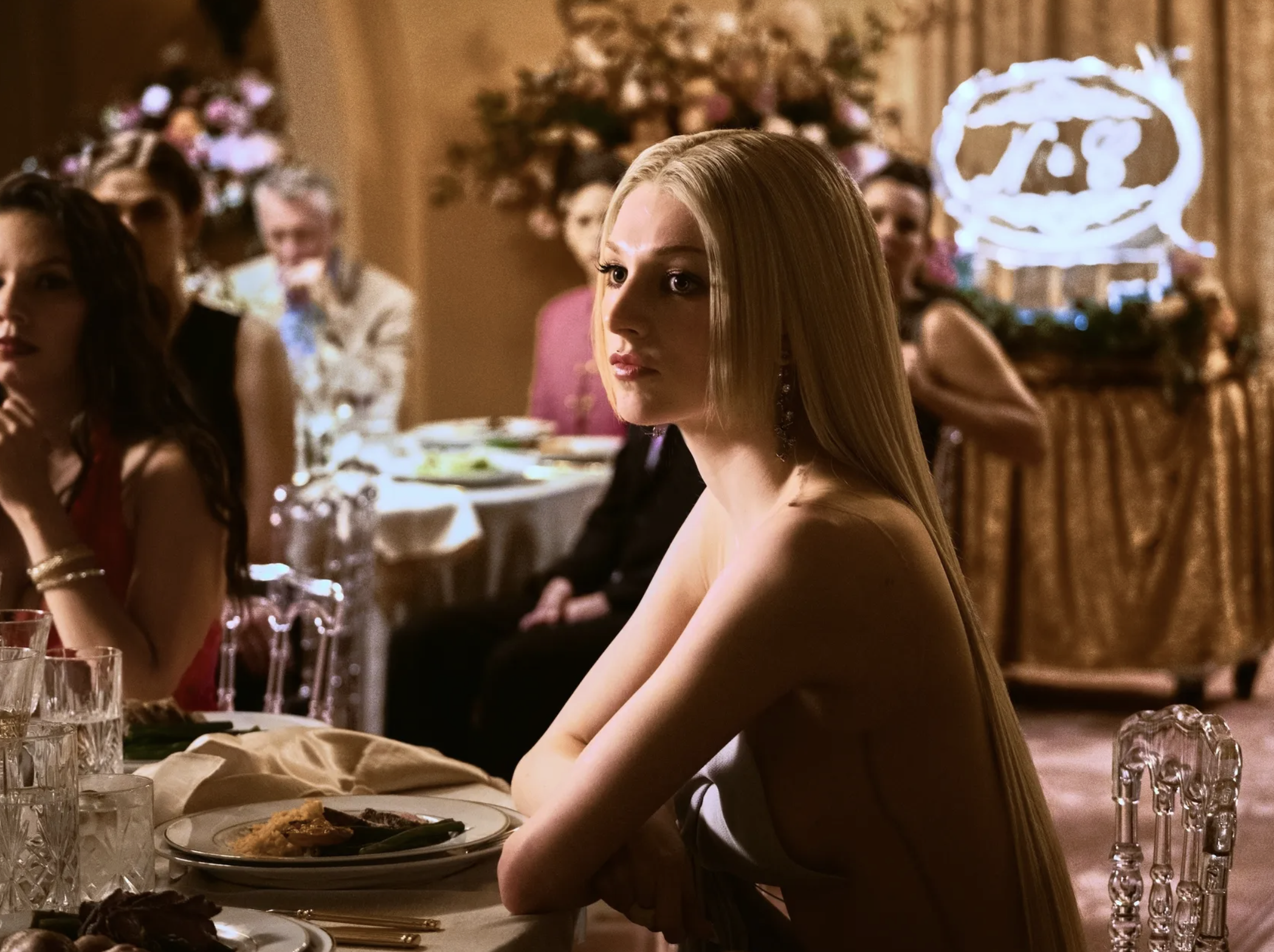
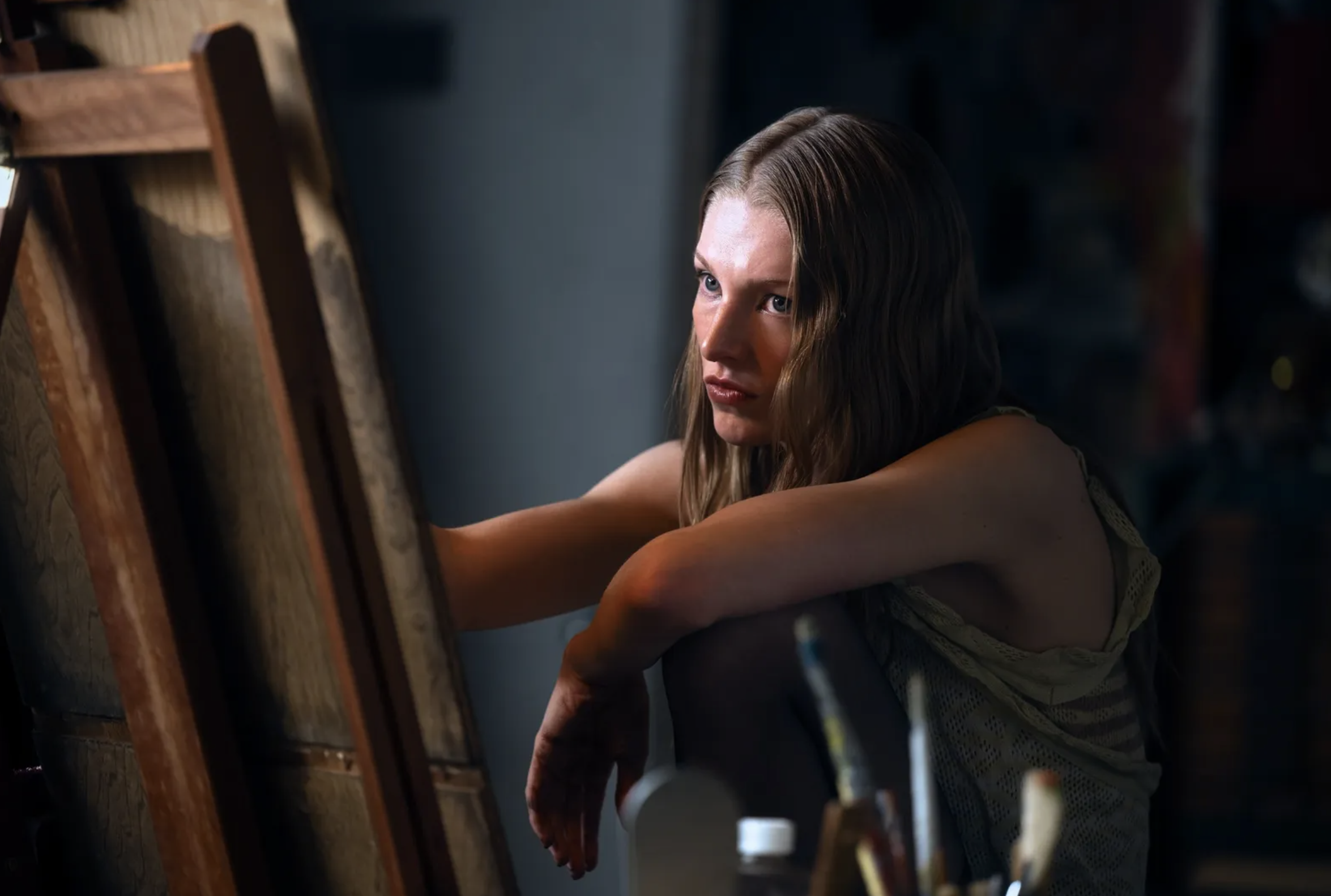
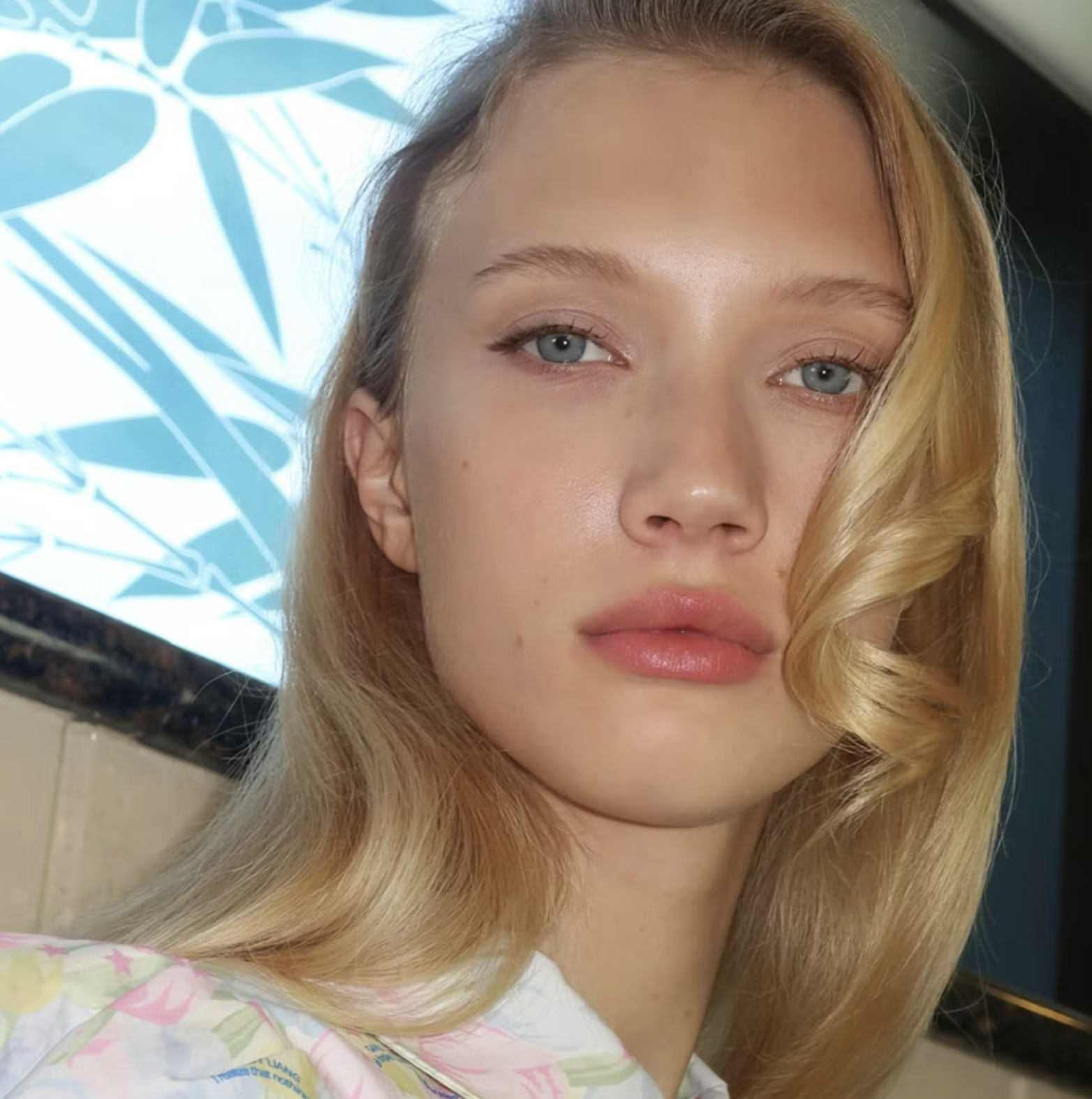
Photo Credit: the zoereport.com
At Sandy Liang, baby brown eyeliner wings bring to life a girl-next-door-all-grown-up vibe. The addition of polished, almost too-perfect hair sharpens the effect, suggesting a version of Cassie that has carefully constructed an image exclusively for the male gaze.
So, Why Does This Season Feel So Off?
Because transition usually does.
This season feels markedly different because the characters are no longer moving through the beautiful chaos of adolescence without suffering serious consequences. Now, the party is over and he characters are sowing the fruits of their labour.
It’s the ugliness of the afterparty. Not the glamorous part people proudly post online, but the emotional hangover that follows it. The strange silence after too much noise, grasping to steal another moment of fun. The realization that some versions of yourself cannot follow you into adulthood, even when you are still trying desperately to drag them there.
Maddy hustles between jobs chasing a future we all picture for her but she cannot fully reach yet. Cassie confuses obsession for security, constructing fantasies around doomed limerence and fame. Jules drifts further into intimacy built around transaction, all soft lighting and gilded cage energy. Rue continues searching for herself while slowly recognizing how much damage accumulates while you are lost.
This is what makes the season difficult to watch at times. Real life, even played by a beautiful cast, often carries the same sadness as an afterparty. Everyone is trying to hold onto something already disappearing while feeling wildly unprepared for whatever comes next.
And, In Turn, Why Does the Beauty Feel Off Too?
Because awkwardness is part of evolution.
The beauty language of season three no longer operates with the explosive experimentation of the earlier years because the characters themselves are beginning to solidify. Style starts narrowing under pressure. Certain instincts sharpen while others begin falling away.
Maddy and Jules emerge as the clearest examples of that progression. Their makeup still carries impact, but the choices feel more refined now.
Cassie, meanwhile, offers the opposite lesson. Her beauty feels overworked in a way that reads as desperate. The polished hair, the careful makeup, the exhausting pursuit of perfection; all of it reflects someone trying to construct a version of womanhood she hopes will finally win her love and validation.
That tension is what makes this era of Euphoria so compelling from a beauty perspective. Not because everyone suddenly looks polished, but because the makeup now reflects the uncomfortable process of becoming.
Maybe that is what Euphoria has been building toward all along. Not the spectacle of fleeting youth, but the uncomfortable process of becoming someone after it.
Which season three look did you find the most compelling?
Tell us in the comments and subscribe to receive our free monthly digital issue to your inbox, including a first look at dark feminine style, the chance to vote on next month’s stories, and a preview of upcoming giveaways.