Another Chapter: Soul Perchers on the Care Behind Every Creation
Inside the philosophy of ethical taxidermy and the artistry of preserving animals through character and costume
By: The Lace Ledger Staff
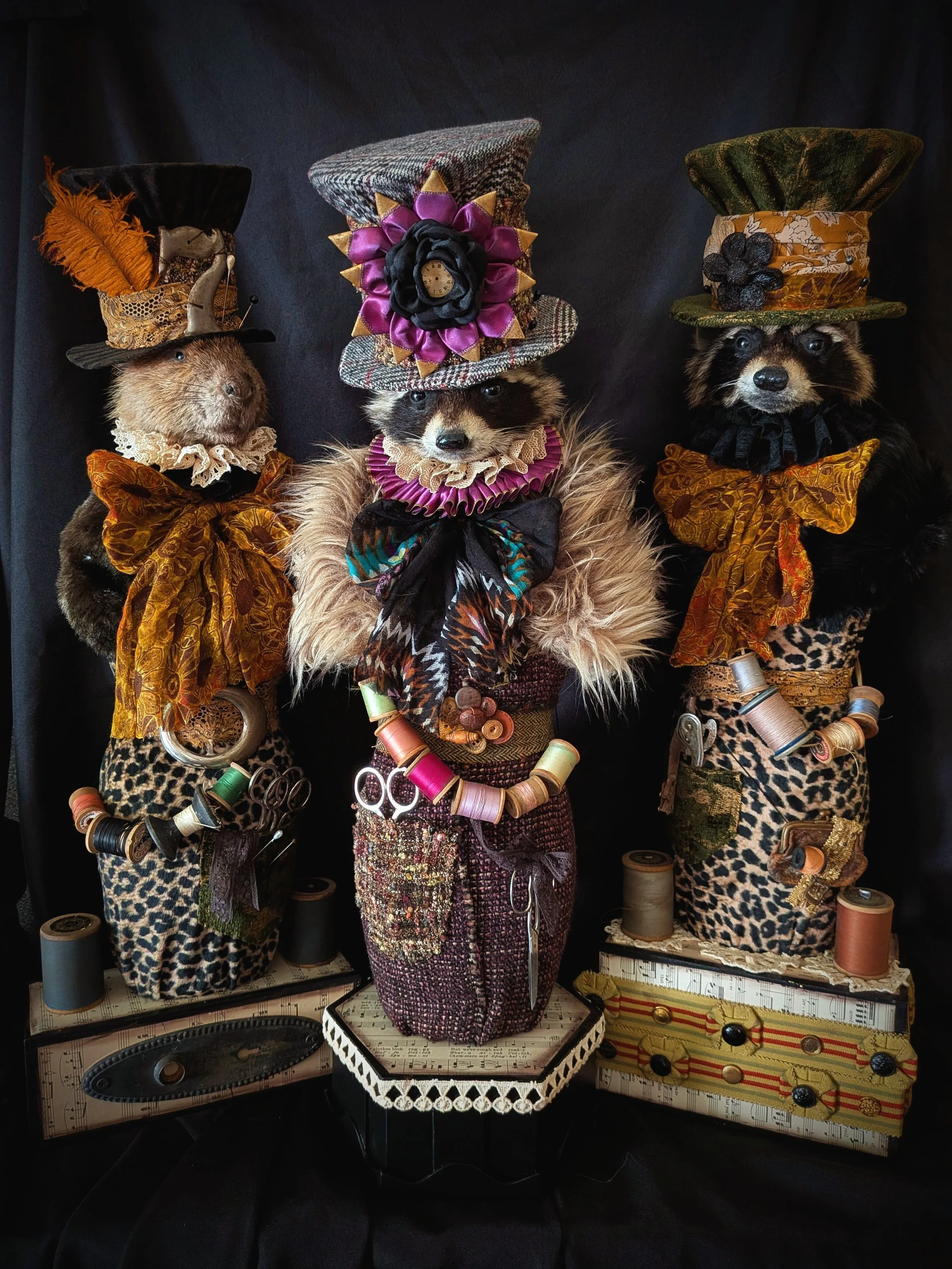
Photo Credit: Soul Perchers
Some artists work with canvas. Others work with marble, clay or paint. The Soul Perchers team works with legacy. Every stitch is sewn by hand. Every garment is designed with the care of a historical costumer. Most importantly, every animal is treated with profound dignity, preserving a life that deserves to be remembered.
There is a palpable tenderness at the heart of this shop. Before the velvet, antique lace and jewelled crowns, there is an unwavering belief that every animal, every soul, deserves compassion. That philosophy guides each decision the team makes, from sourcing only ethical specimens to allowing each creature to inspire its character.
Inspired by Victorian dress, the visual language of Guillermo del Toro and Tim Burton, art history, fashion and fairy tales, their anthropomorphic taxidermy transforms each specimen into a character with a story of its own. Each finished piece grants an animal's story another chapter.
We sat down with the team to find out more.
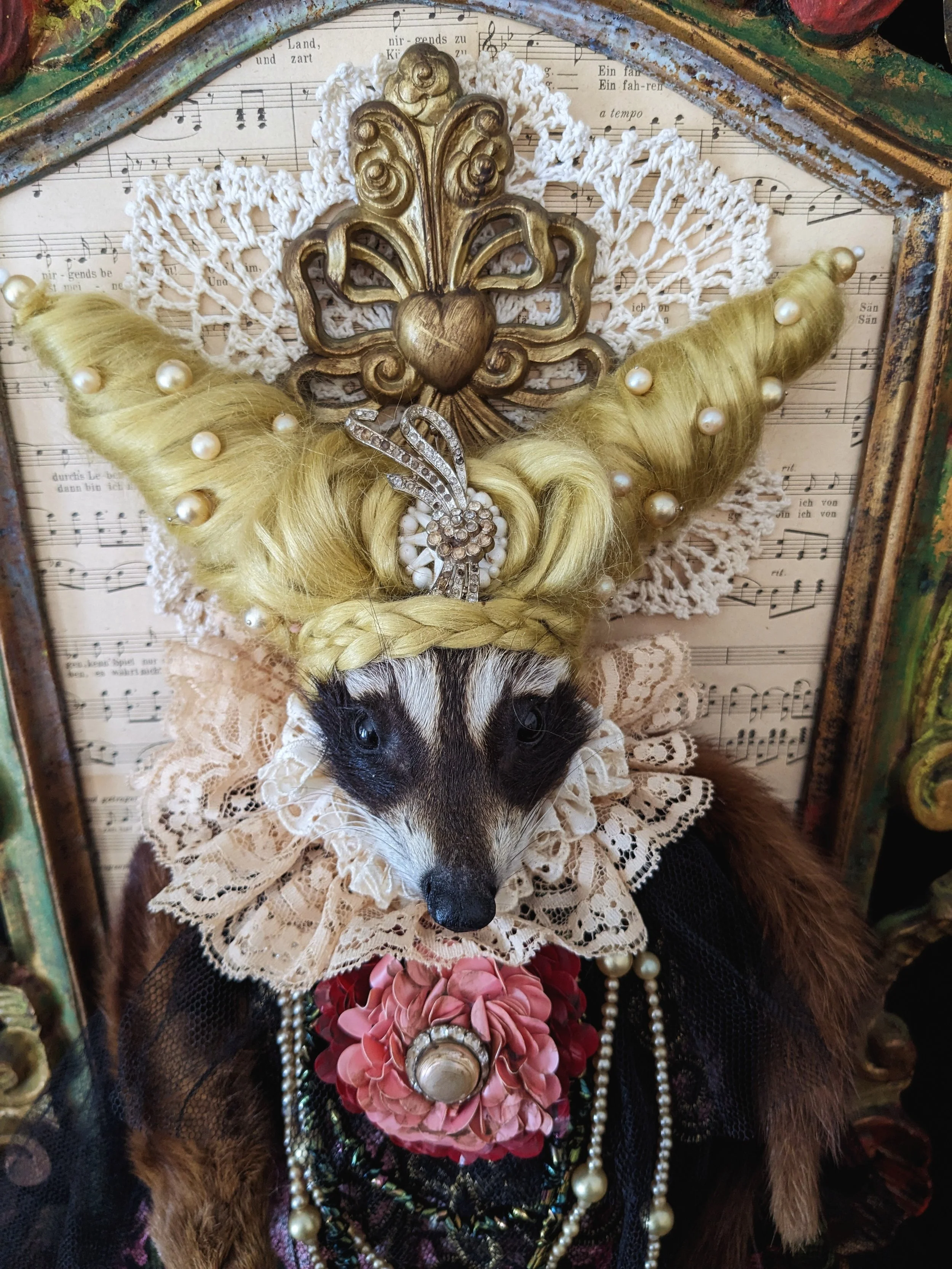
Photo Credit: Soul Perchers
1. Your creations feel as though they've stepped out of a the portrait gallery of a centuries-old manor. There's an unmistakable appreciation for art history, fashion and visual storytelling woven throughout your work. We'd love to know more about your artistic background. Did you study art formally, or has your education come through years spent exploring museums, historical fashion and art history on your own?
Creating art has always been a passion of mine since I was a young girl. While my siblings were outside riding bikes, I was sitting in the yard making necklaces and crowns out of weeds and flowers. I can’t remember a time in my life when I wasn’t creating some form of art.
I took a few art history classes in school which instilled my love for the great artists throughout time. Looking at the beautiful clothing that people wore in those paintings and tapestries sparked my love for historic clothing.
I was also drawn to period movies and tv shows and fell head over heels in love with the costuming and adornments found in the Victorian era depicted in those movies and shows. The velvet fabrics, intricate laces and beautiful beaded trims of that time just speak to me deep in my heart. Most of my work tends to reflect that period.
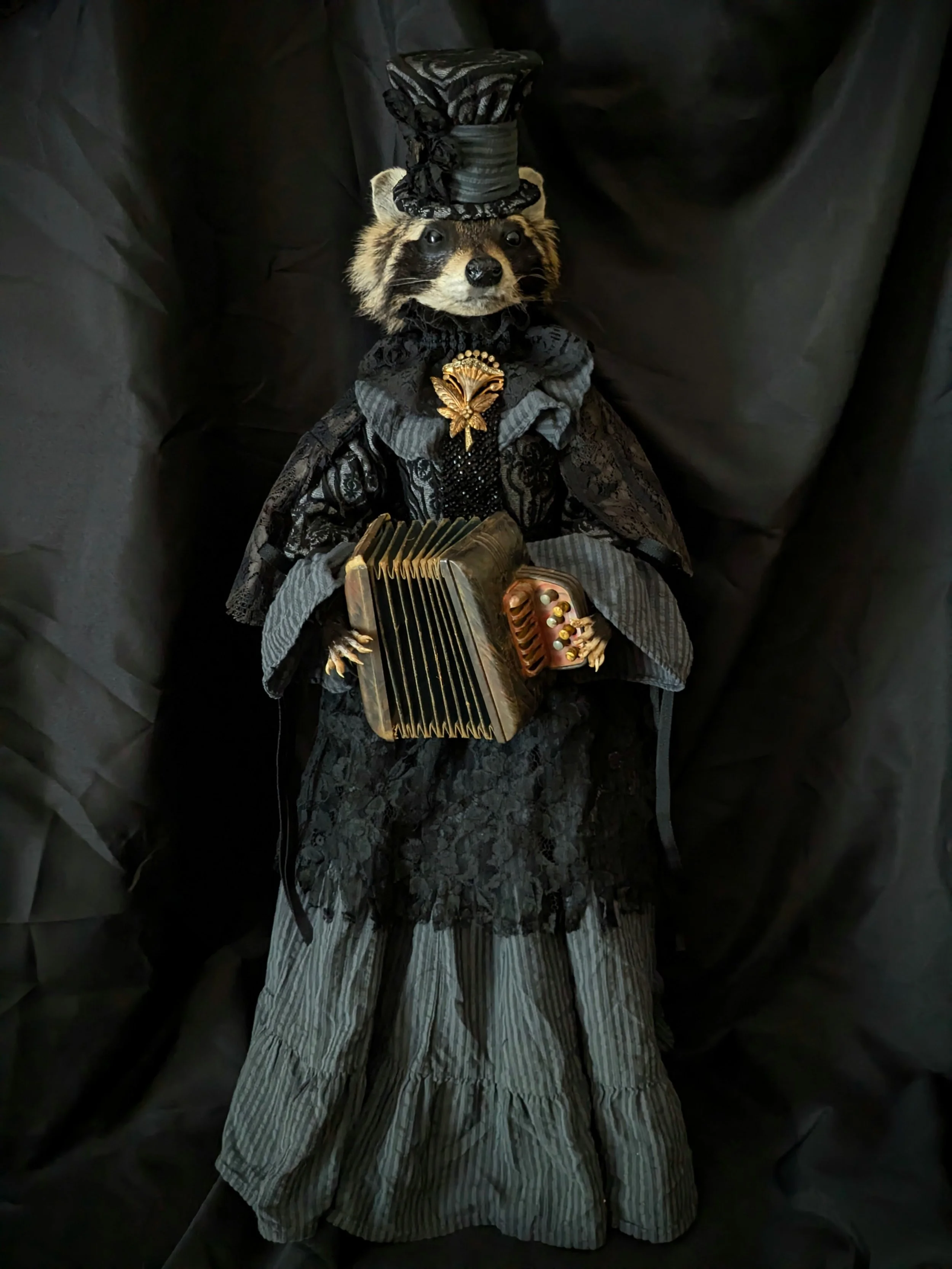
Photo Credit: Soul Perchers
2. There's an extraordinary sense of personality in every piece you create. Some appear regal, others mischievous, melancholic or mysterious. How do you develop each character, and when do you know their story is complete?
I think it all starts with the facial expression of the animal after the taxidermy process. That tends to be the inspiration, do they look aloof, sad, is there a twinkle in the eye or are they deep in thought.
Once I determine their mood comes the arduous process of looking through fabrics and developing a color scheme. I then make a headpiece or hat for them to wear and that leads me to designing the attire that looks best with it. That is when the character starts to get revealed to me and I get my sense of direction of what the final look will be.
I have a love of detailing and that is the hardest part of the creation process for me—knowing when to stop adding more trim, lace or jewelry. There is such a fine line between too much and not enough!
Sometimes, I look at them when they are finished and if they don’t look happy with their look I take everything apart and start again until I know that they are who they were meant to be.
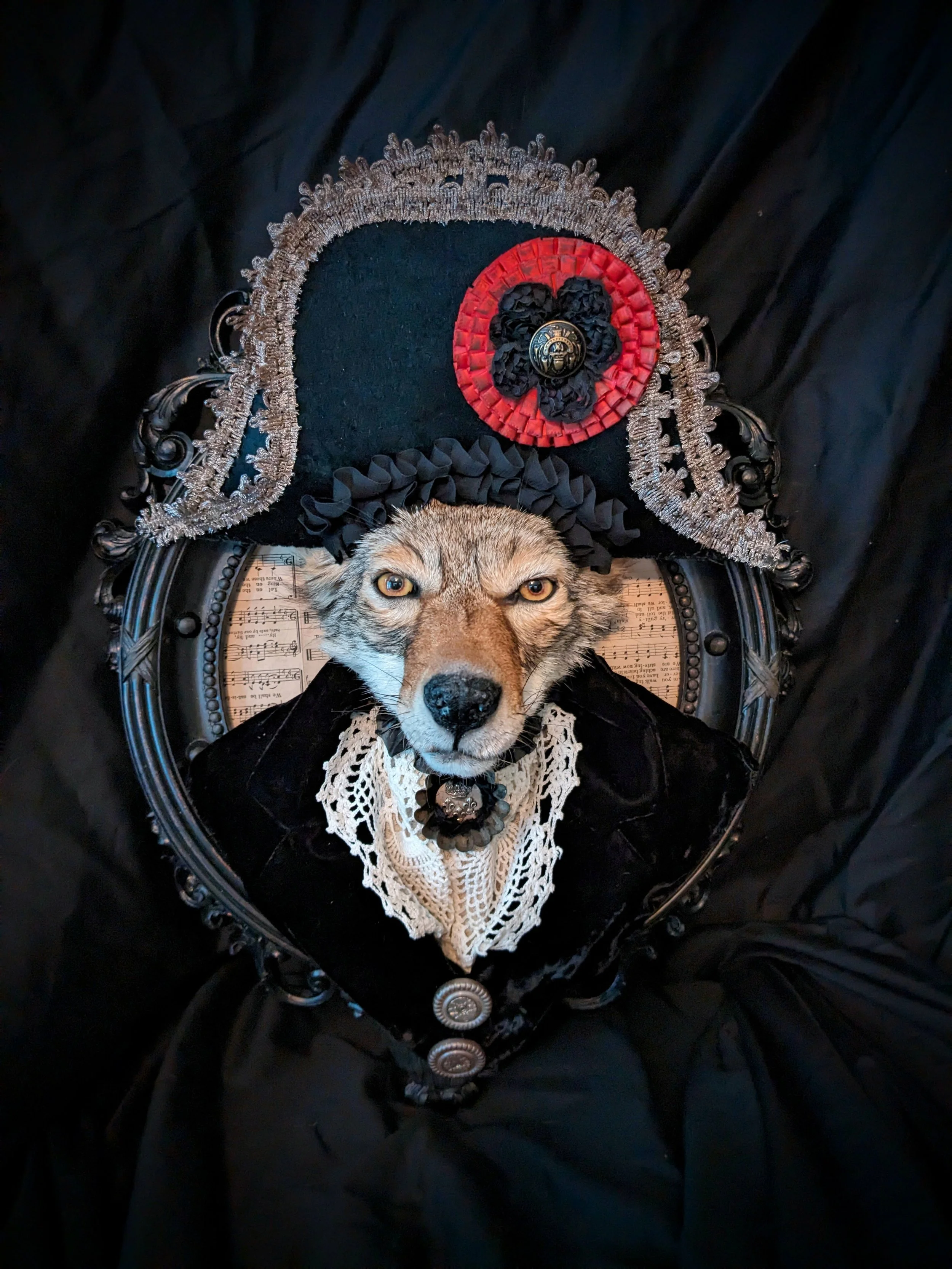
Photo Credit: Soul Perchers
3. We'd love to get a sense of where inspiration first finds you. Does a particular specimen spark an idea, or are there stories, historical figures and imagined characters you've been waiting to create until the right vessel appears in your studio?
Inspiration finds me in fairy tale illustrations, fashion history books and in the aforementioned historical movies and shows.
Guillermo del Toro and Tim Burton movies are some of my favorites. The costume designers from those movies are my idols! After watching their costuming magic onscreen I usually head straight to my work space to create my own clothing inspired by their creative geniuses. I am always taking photos of the tv screen while watching or marking pages in my art books for future references.
Many sleepless nights are spent creating in my head and then hoping I can remember the details in the morning!
Certain animals also evoke the direction, foxes and coyotes usually are very regal and dignified and are dressed in crowns and furs or luxurious velvets. Raccoons and possums are usually more playful and joyful and end up wearing top hats or holding a musical instrument.
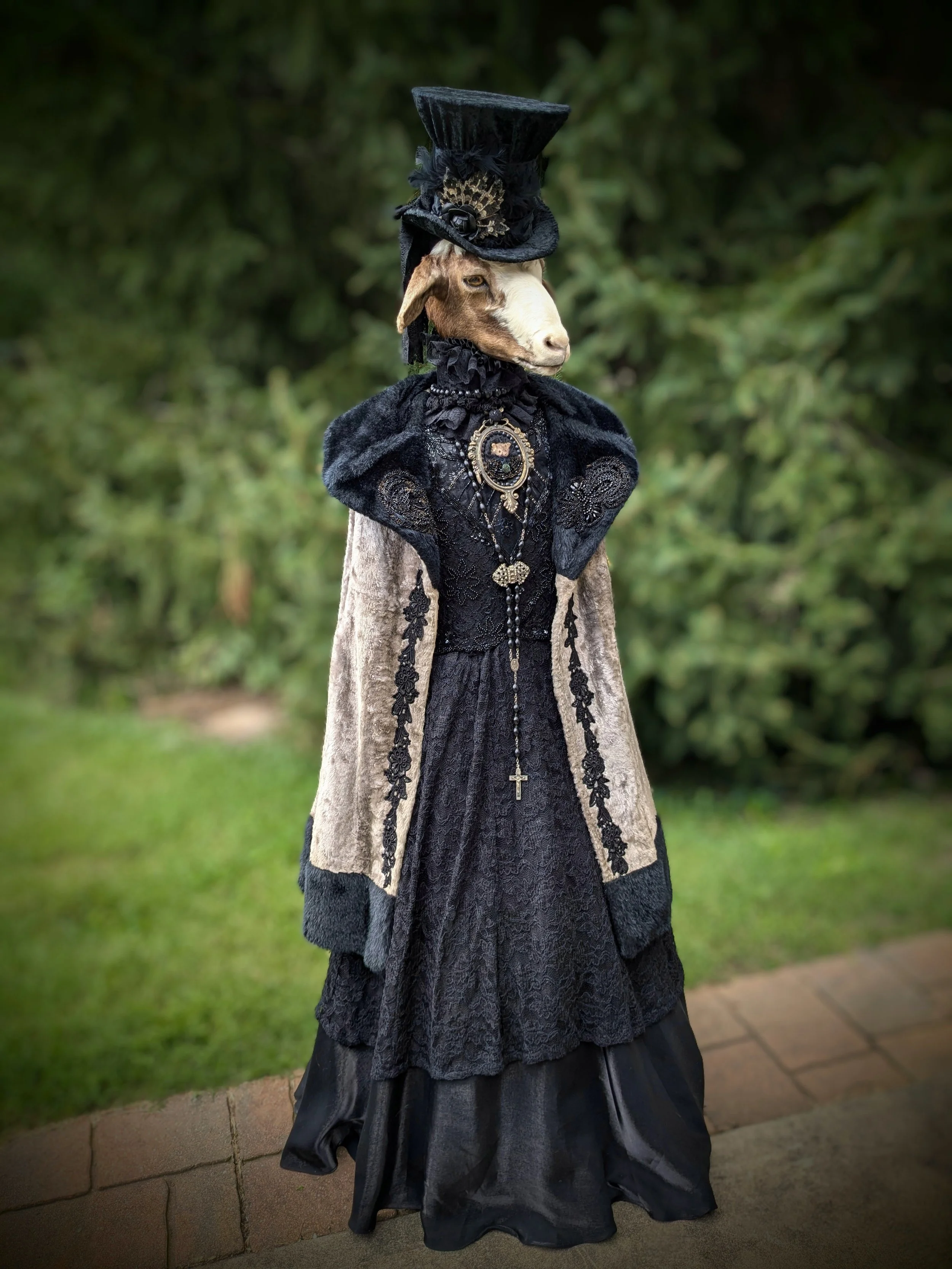
Photo Credit: Soul Perchers
4. Many of your pieces are filled with remarkable details—from antique lace and carefully chosen textiles to jewellery, millinery and vintage embellishments. How do you source those materials, and what role do they play in helping you tell each animal's story?
I find many of the laces, millinery and jewelry at antique shops, flea markets and online shops and auctions. I love using only vintage materials because the beauty and textures just can't be replicated in today's world. Most of the laces and beaded trims were handmade and you can just feel the love and hard work that went into creating them. They are truly masterpieces of art on their own.
Every animal I work with is special to me and they deserve nothing but the finest when it comes to their clothing. Frequently inspiration comes from those pieces first and how to best showcase them on the animal. Time and again the lace or millinery invoke a time period or feeling when I look at it and that leads the direction in the story of the individual animal.
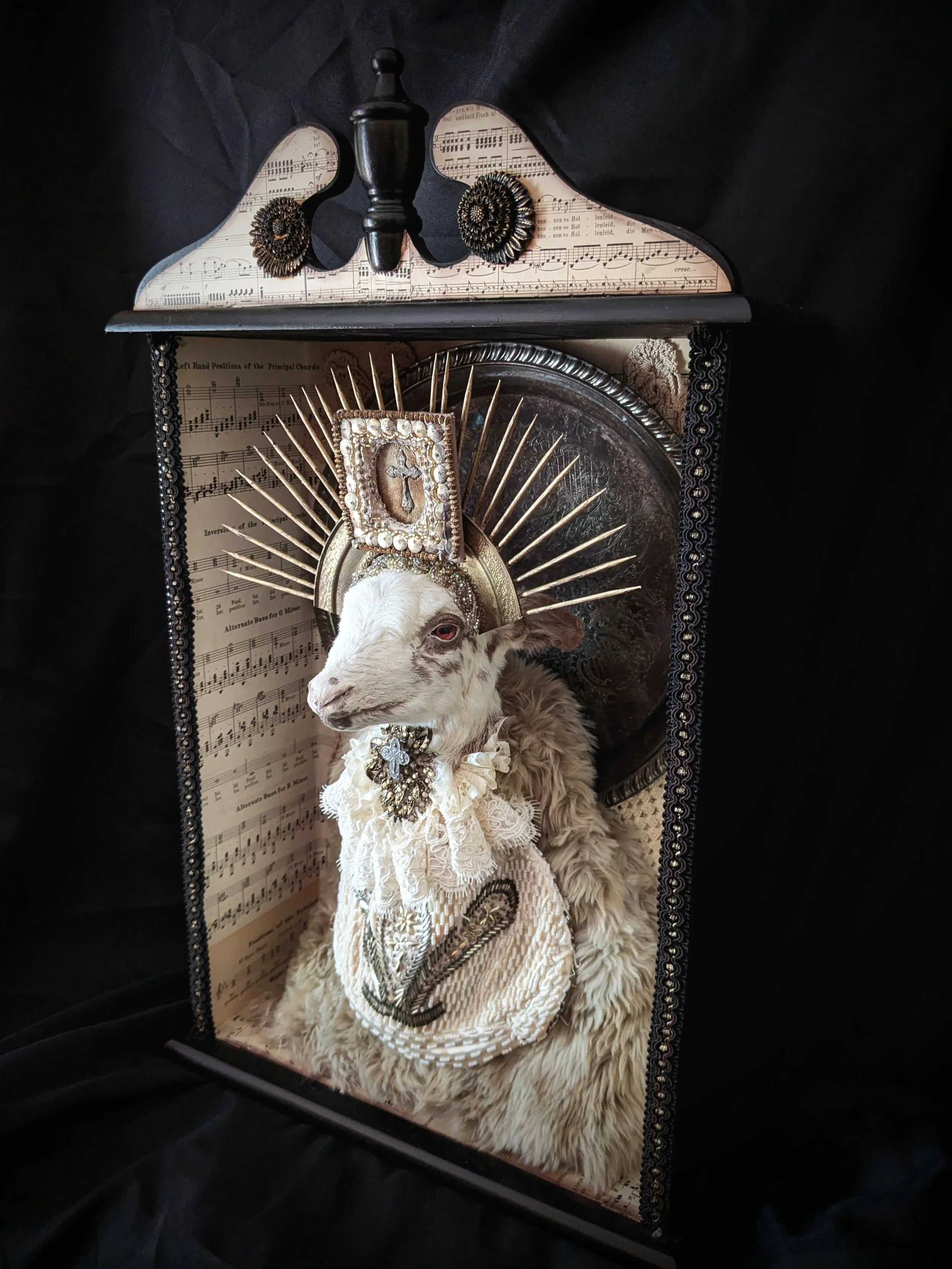
Photo Credit: Soul Perchers
5. Creating something this intricate must require an incredible amount of patience. Could you walk us through your creative process from the moment a specimen arrives to the moment you know a piece is finally finished?
Patience is definitely a virtue that I practice while creating. Hours are spent ascertaining the direction a piece will take. Will it be a standing piece or will it hang in a beautiful vintage frame? Once that is determined I either create a body or prepare the background for a frame.
Then, I go through piles of fabrics and boxes of lace and trims searching to see which complements the other. Every piece of clothing or bonnet or hat is hand sewn so that it fits the body perfectly. I don’t use any patterns because I can’t follow one to save my life or work a sewing machine without bodily injury..lol.
Once the bodice, sleeves and skirts are made, I then add the laces and trims and decor until I believe the look is complete. Then comes a period of second guessing until I feel the overall presentation is the right one and that it honors the animal wearing it.
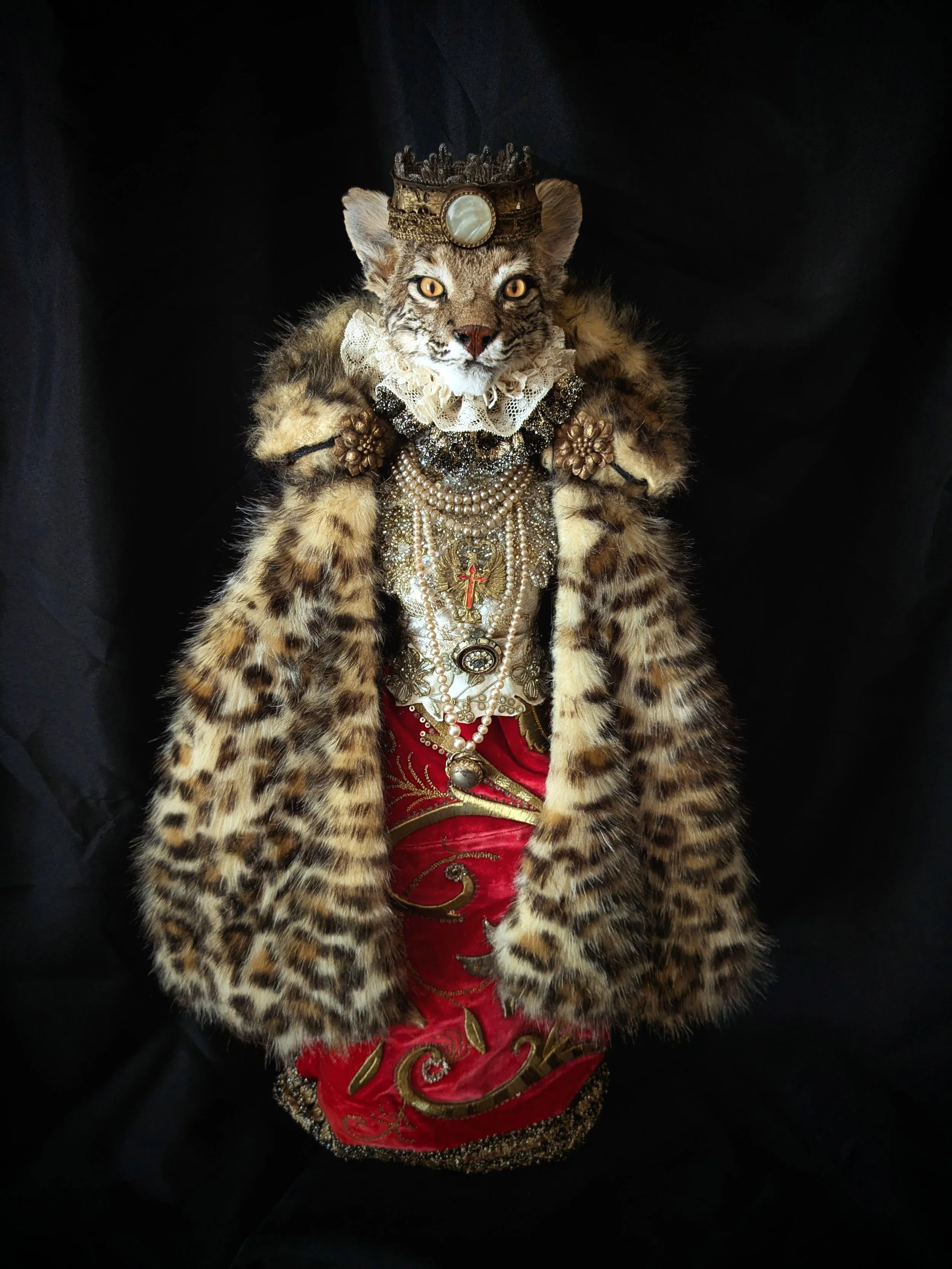
Photo Credit: Soul Perchers
6. One of the things we admire most about Soul Perchers is your commitment to ethical taxidermy. Your philosophy—that no animal was killed to create art and that your goal is to honour each life by giving it a new one—is moving. How did that philosophy become the foundation of your practice, and why has it remained so important to you?
I have always been an animal lover, both domesticated and wild. I believe that taxidermy is a wonderful way to showcase the beauty and dignity of an animal. It truly is a form of art in its own way. However, I do find that the act of hunting an animal for sport with the intent just to kill an animal and mount it bothers me morally. That is my personal opinion and my personal feeling. I totally understand hunting is a means to put on the table for many people and I have no issue with those animals being used as a taxidermy mount.
It's a very tough subject with many different opinions and I respect differing opinions as I hope my thoughts on the subject are respected as well.
Based on my beliefs, it is my personal choice to use those animals that have passed away through no fault of their own, whether they were unfortunately hit by a vehicle or died from illness or old age. I believe that every life is precious in its own way and deserving of respect and dignity when it is lost.
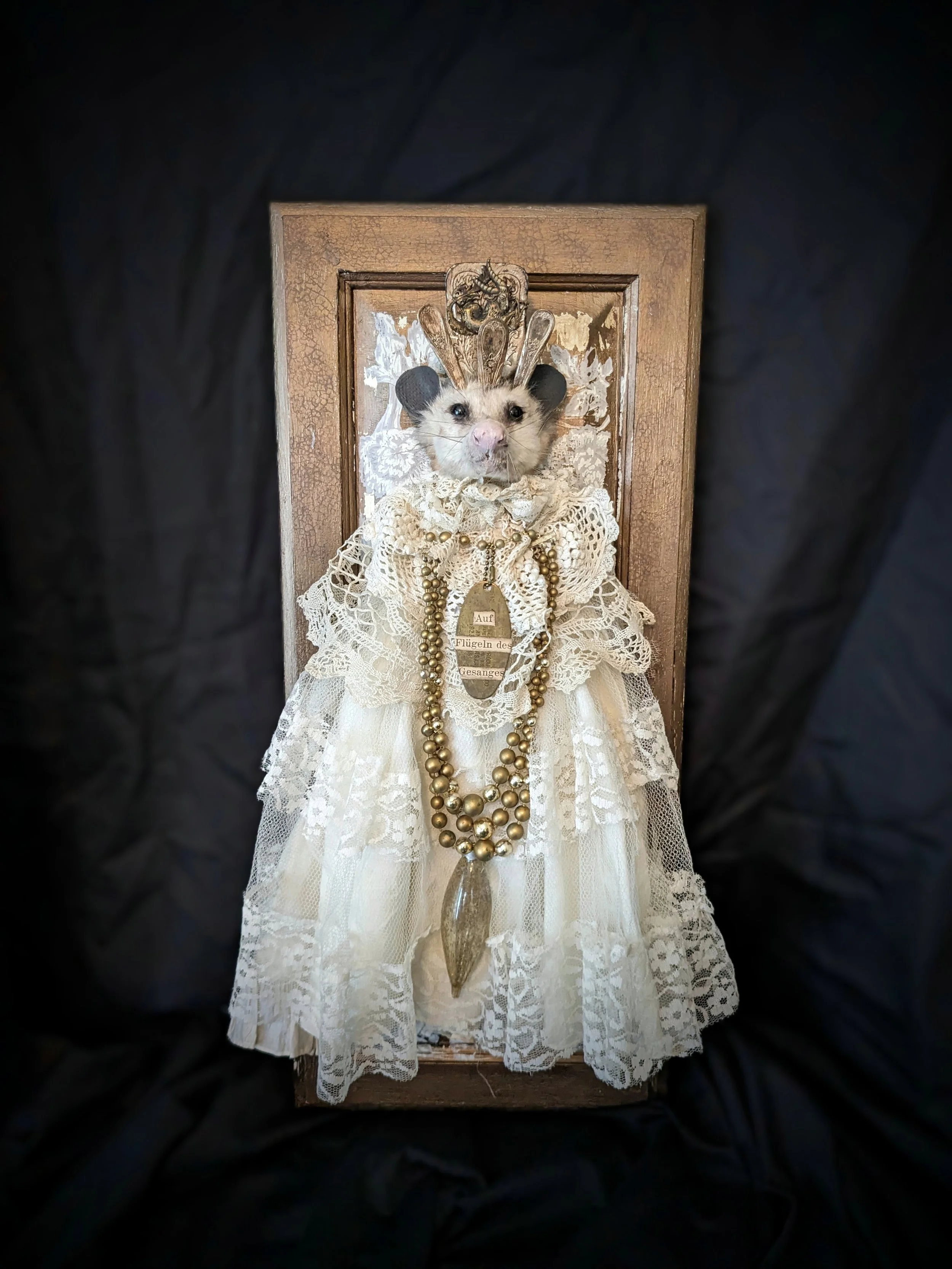
Photo Credit: Soul Perchers
7. Ethical taxidermy is often misunderstood by people encountering it for the first time. What do you wish more people understood about the practice, and how has your work helped reshape those conversations?
Many people have the misconception that all taxidermy animals used in art were killed with the purpose and intent just to make art with them. That misunderstanding can provoke some angry or sad response when people see my work.
Usually, once I explain the animals I use are mainly roadkill or have perished on farms, they come to understand my work is a way of honoring the lost life and bringing the animal back to life in a new way.Most also appreciate the time I put into each creation and the fact that I am trying to honor a life that was tragically cut short. Instead of the animal just decaying on the side of the road, it now has the chance to bring joy and love to the people that open their hearts and give these animals a forever home.
Most of the conversations I have regarding this subject end on a note of understanding and appreciation which makes me so incredibly happy. Sometimes, I have had people break into tears because they are so moved by the fact that they now know ethical taxidermy is a truly honorable way to celebrate an animal's lost life. I feel blessed to be able to have that dialogue end in compassion and comprehension.
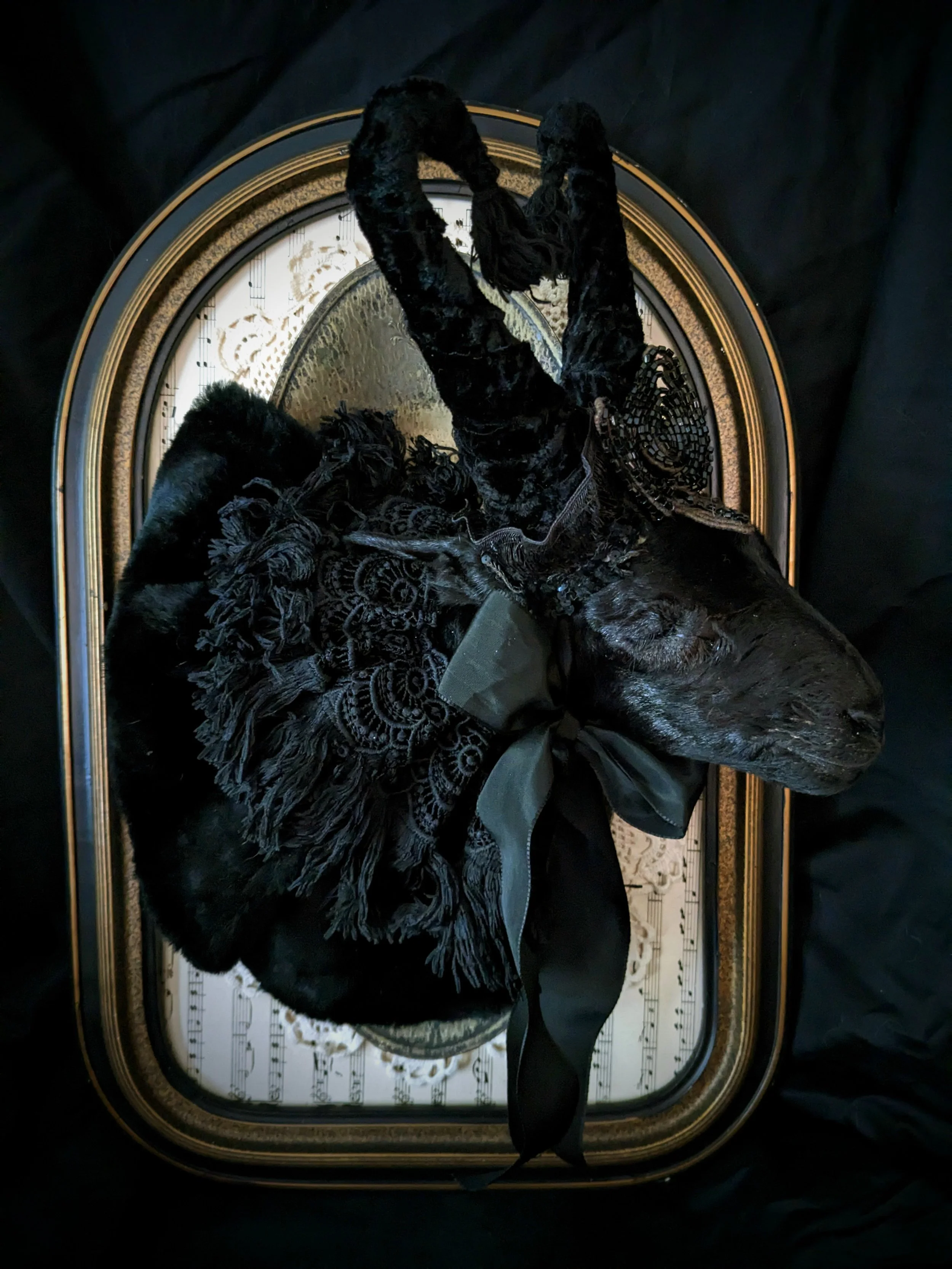
Photo Credit: Soul Perchers
8. Working so intimately with animals inevitably changes the way we think about life, death and remembrance. Has creating Soul Perchers transformed your own relationship with those ideas? If so, how?
Most animals have a shorter lifespan than humans unfortunately. Knowing that their lives were cut even shorter truly makes me realize how every day on earth is a gift that we all have been given.
We need to appreciate the good or the bad that we encounter every day and to be thankful we were able to experience it even though some days it can be tough just to make it through.
We experience many forms of loss throughout our lives and we remember those losses in many different ways, in memories and with mementos. For me, being able to create a memento of a lost life is deeply gratifying and humbling. I am honored to celebrate a lost life and knowing that in some way it continues to live on gives me a sense of purpose and makes my soul happy.
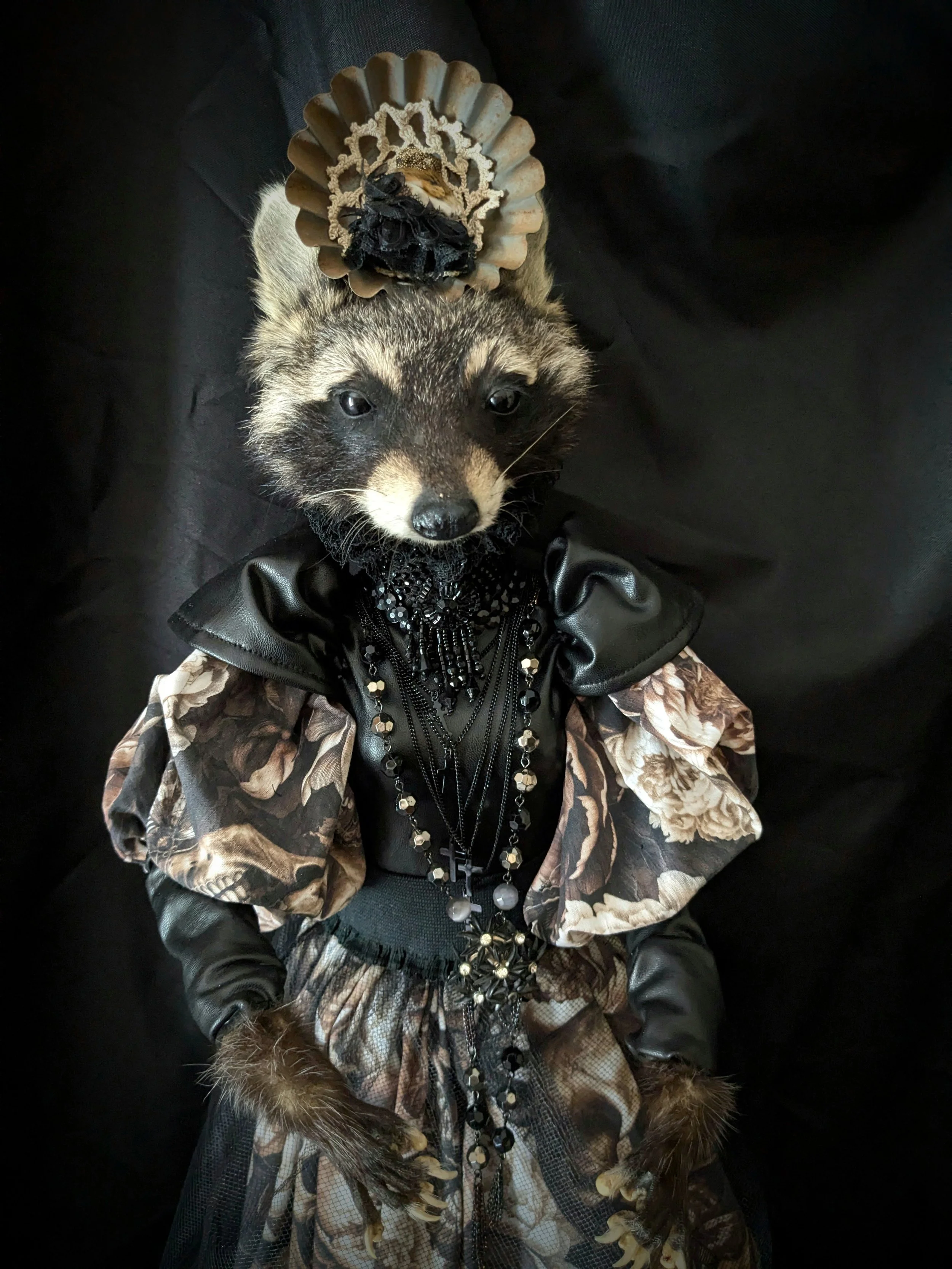
Photo Credit: Soul Perchers
9. Beyond the craftsmanship itself, every Soul Perchers piece carries a sense of dignity and care. What does devotion mean to you—as both an artist and someone entrusted with preserving these animals' stories?
Devotion, to me, means giving all my love and care into each piece I create. It doesn’t mean perfection, it means knowing that each creation is loved by me and the person that chooses to give it final refuge in their home.
If I can evoke a smile or happy tear then I know the love and care I have for each animal is seen and recognized. Knowing that they live on and have the ability to bring enjoyment to the world means everything to me.
I want each and every one of them to have an everlasting legacy and to have the ability to touch a life and be loved. How lucky I am to be able to do that is a thought I have daily. It is a true passion for me.
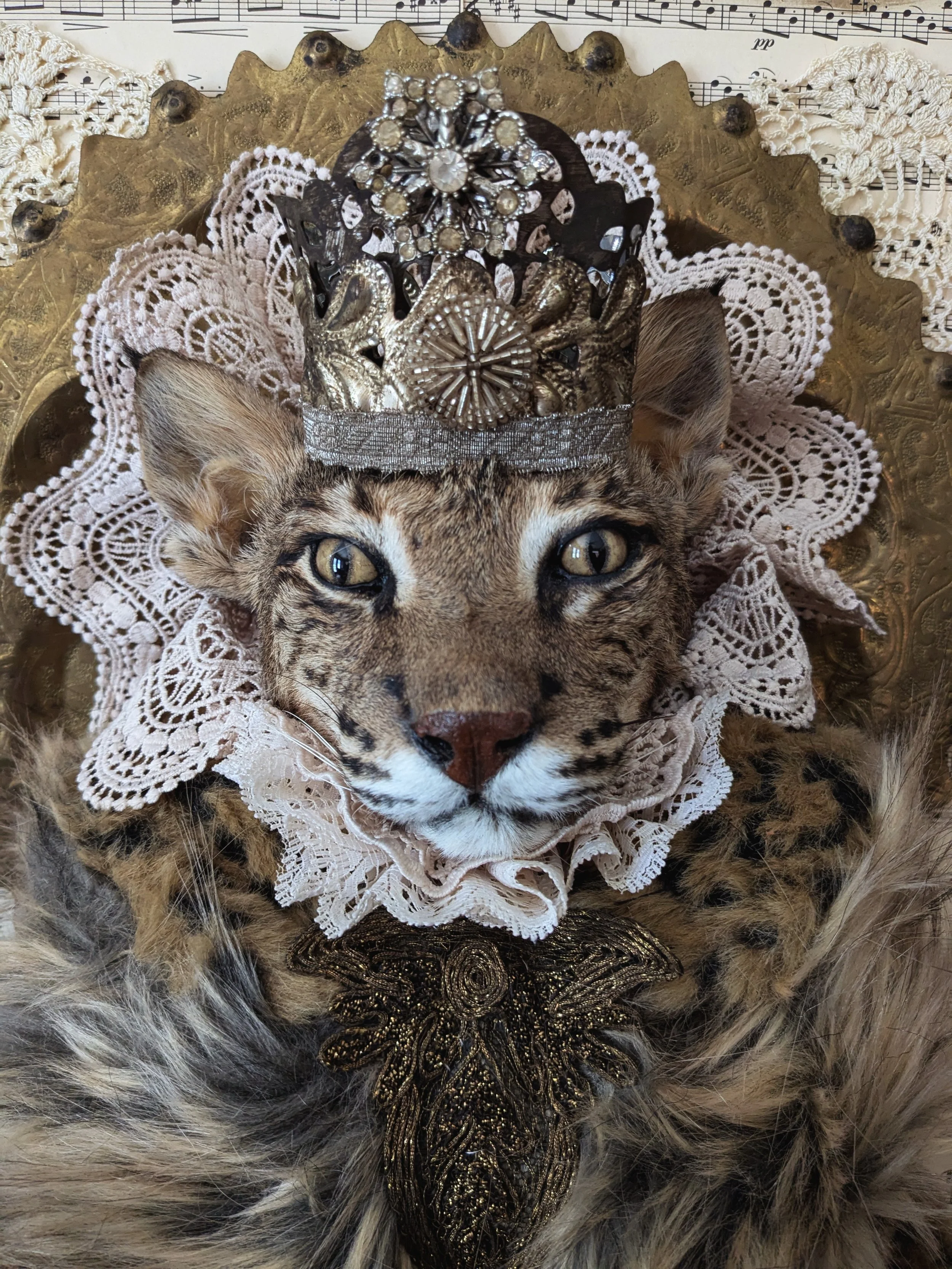
Photo Credit: Soul Perchers
10. Looking ahead, what dreams are still waiting on the horizon for Soul Perchers? Whether it's new collections, exhibitions, workshops or creative directions, what are you most excited to pursue next?
It is hard for me to plan too far ahead, because, unfortunately, my art is dependent on the loss of an animal’s life. I have thought of working on a way to create a “faux taxidermy” animal head to create with.
Costuming is a passion that I know I will continue to pursue, but I need to decide if it's with taxidermy or a new medium. I don’t know if I would have that same feeling of joy not working with taxidermy. I feel so honored to celebrate their lives that I am not sure I could feel that way with a different creative genre.
An exciting pursuit I have thought about doing is a photography book of my work or a children’s fairy tale book with taxidermy animal creations. I would love someday to do a gallery show to help show the beauty of anthropomorphic taxidermy (giving human trait to animals).
When it comes to the future, I always think of the poet Rumi’s quote - “As you start to walk on the way, the way appears.” I just need to keep walking that path and see where I end up!
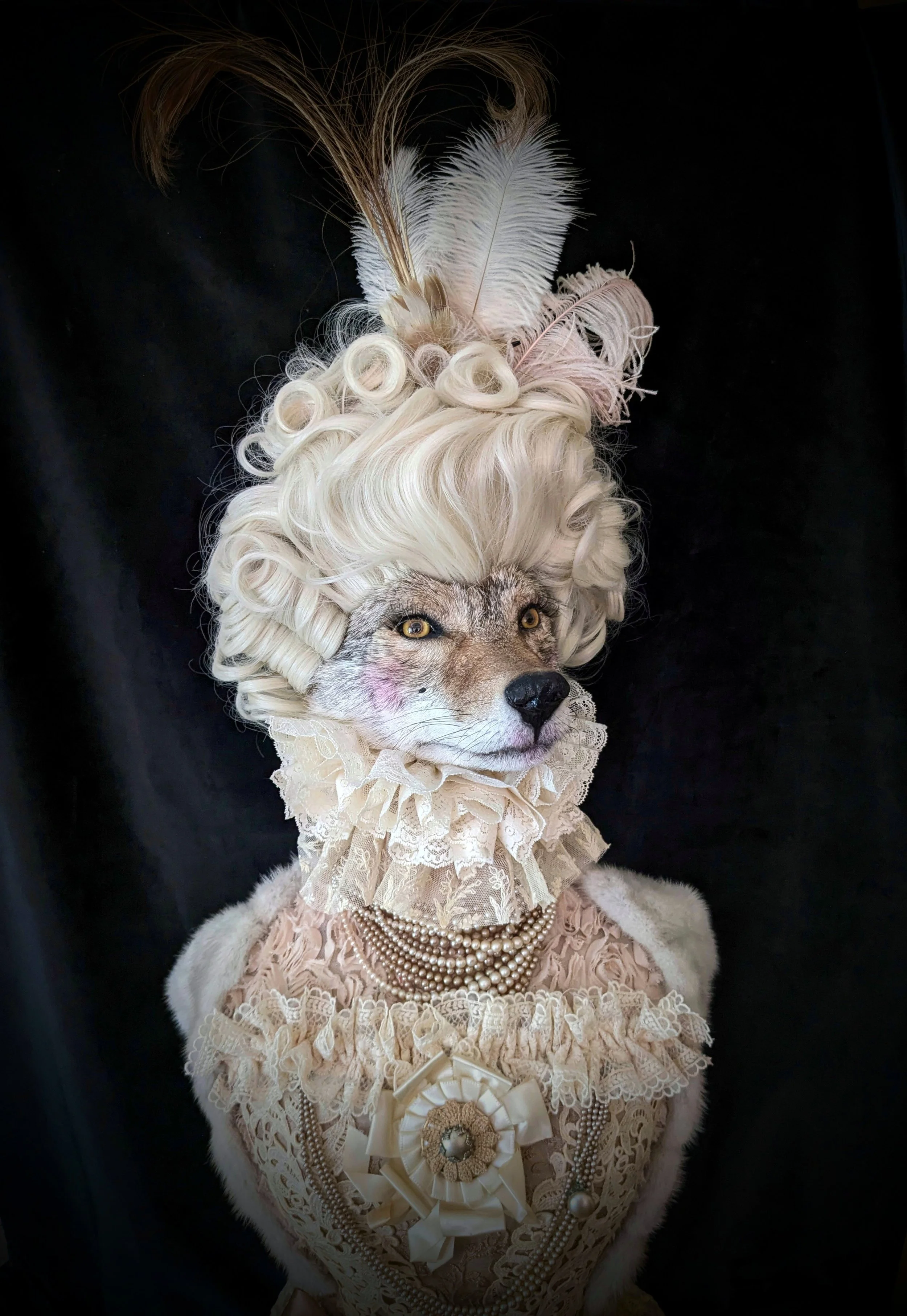
Photo Credit: Soul Perchers
There is a reverence in the way the Soul Perchers team speaks about their work. Devotion isn't measured by perfection or painstaking craftsmanship alone, but by the love and care invested in every creation and the hope that each animal will be welcomed into a home where its story can continue. That sentiment is stitched into every seam, every carefully chosen antique lace and every imagined character.
We will be anxiously awaiting a photography collection celebrating these remarkable creations and a children's fairy tale inspired by the personalities they've brought to life! In the meantime, check out Soul Perchers on Instagram to preview the latest characters and subscribe below to receive our free monthly digital issue, where conversations like this continue to unfold.