A Study in Devotion: In the Studio with 5 Female Tattoo Artists Shaping the Future of Wearable Art
A conversation on craft, commitment and creating work meant to be carried for life with Jenna Kerr, Kristine Vodon, Marily Letendre, Miranda Boire and Jasmine Hernandez
By: The Lace Ledger Staff
On March 21, World Tattoo Day invites us to step into the studio and look closely at the discipline behind wearable art. By the artists devoted the craft, tattooing is not treated as trend or aesthetic shorthand; it’s a processed built on laborious preparation, artistic rigour, humble client services, thoughtful storytelling and responsibility.
In speaking with Jenna Kerr, Kristine Vodon, Marily Letendre, Miranda Boire and Jasmine Hernandez, a shared theme becomes clear: they talk about composition before execution, they discuss anatomy as much as imagery and explain the reverent weight of permanence. Each artist approaches the body as a living canvas that must be considered carefully because what they create will live there forever.
This conversation sheds light on the complex business of tattooing from the creative process to studio management and client collaboration, by women whose careers are built on commitment to the creativity and business savvy in equal measure.
Jenna Kerr
@jennakerrtattoo, Inkology Tattoo Gallery, Manhattan, New York & Bridgend, South Wales
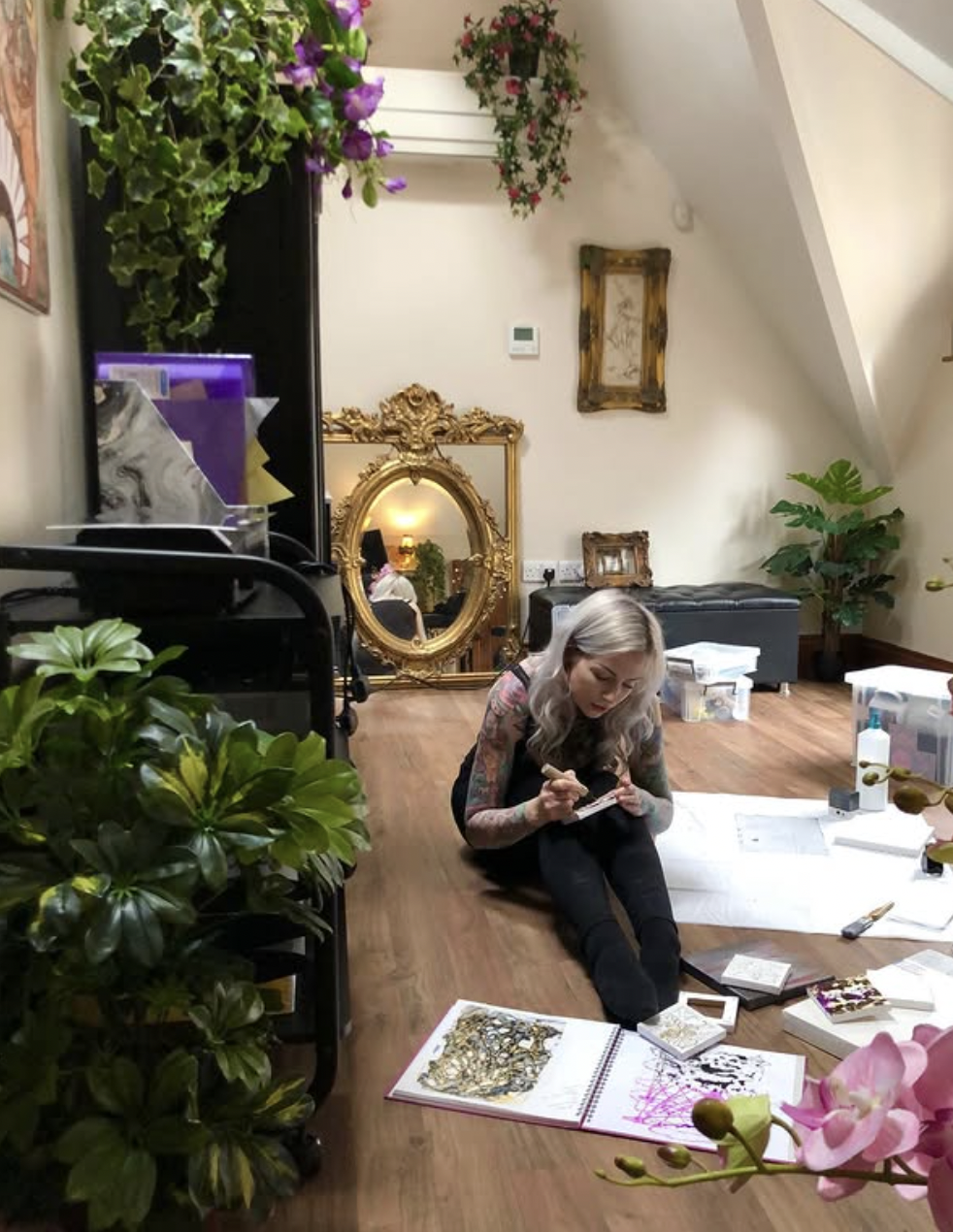
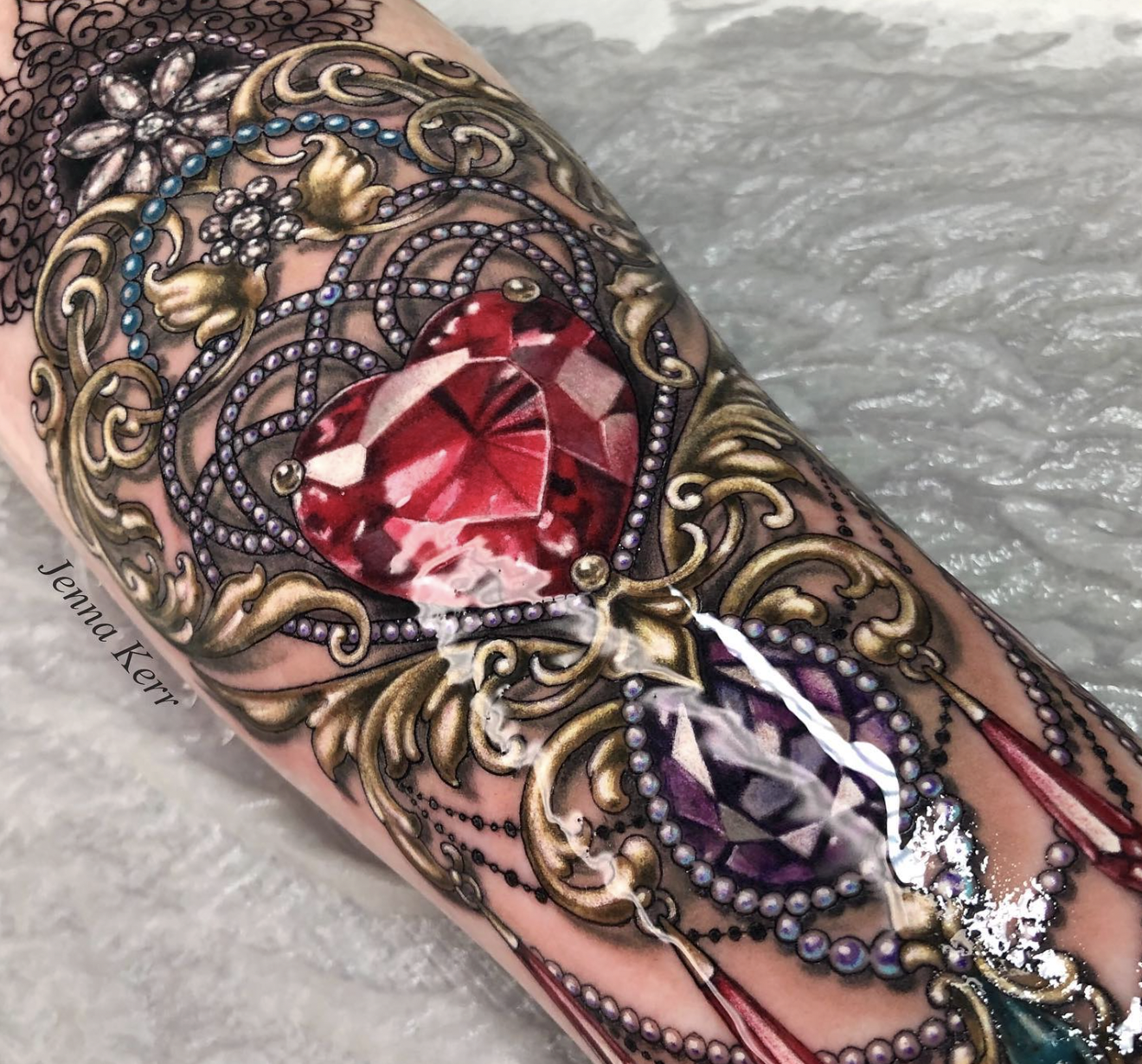
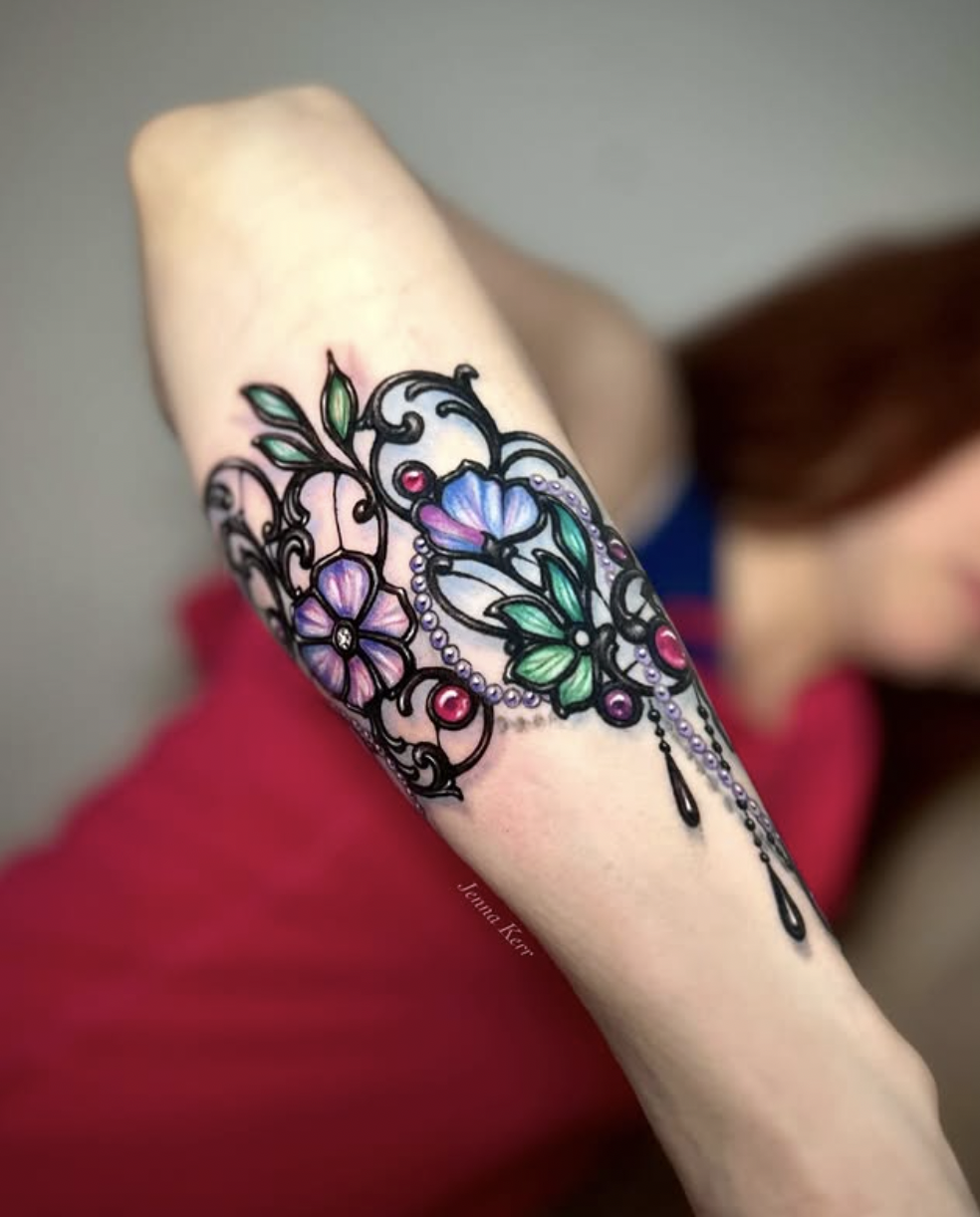
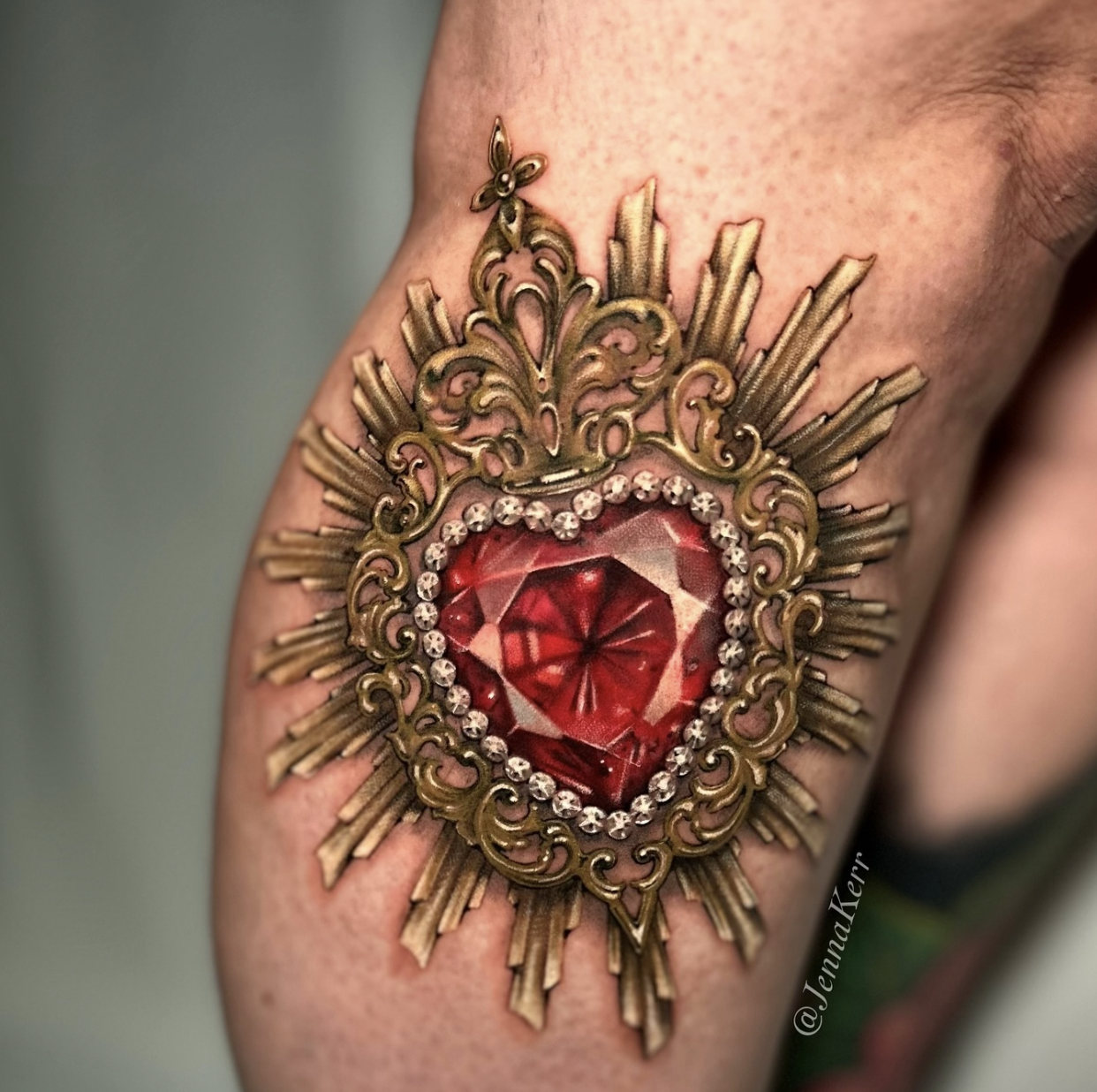
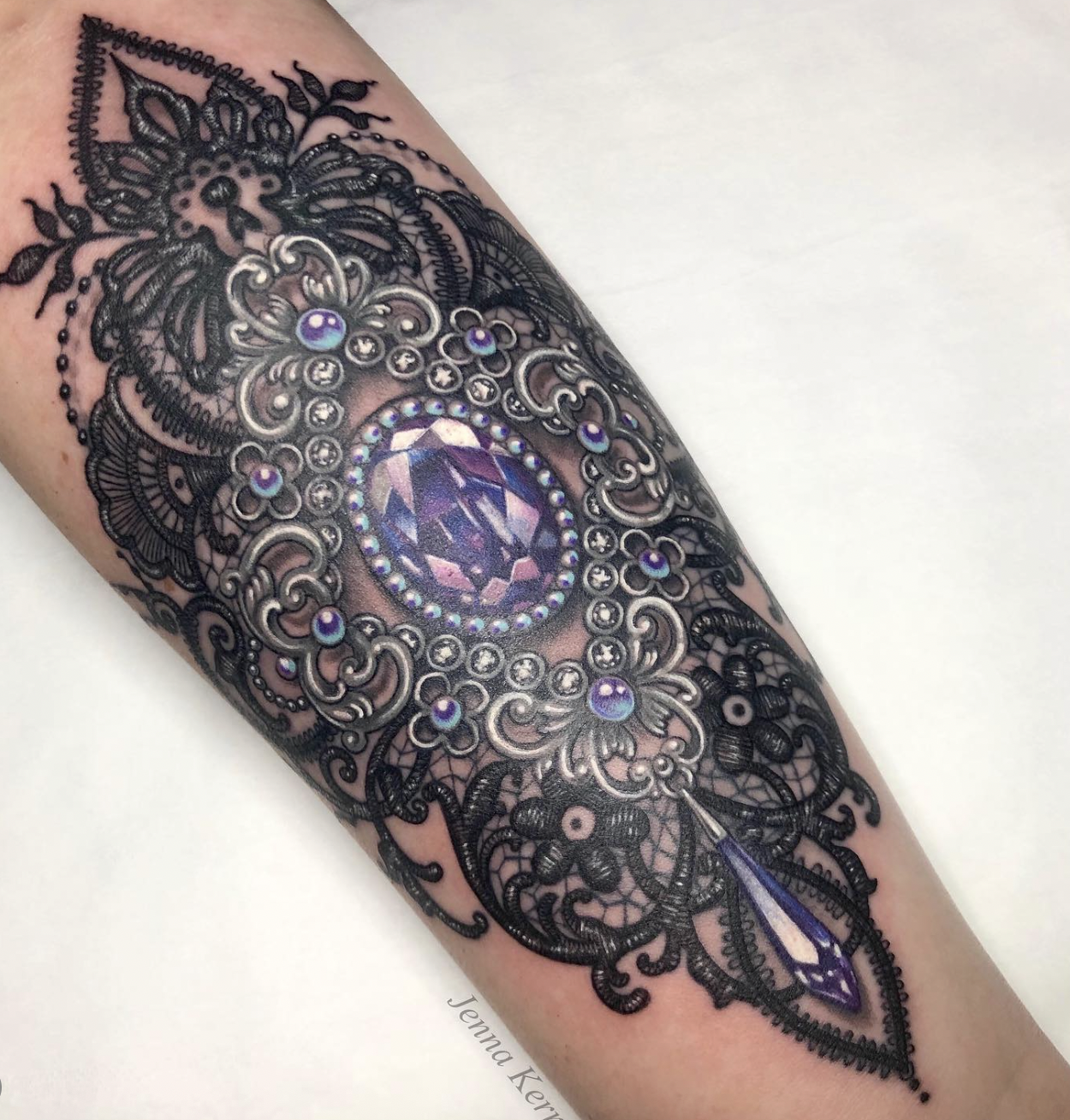
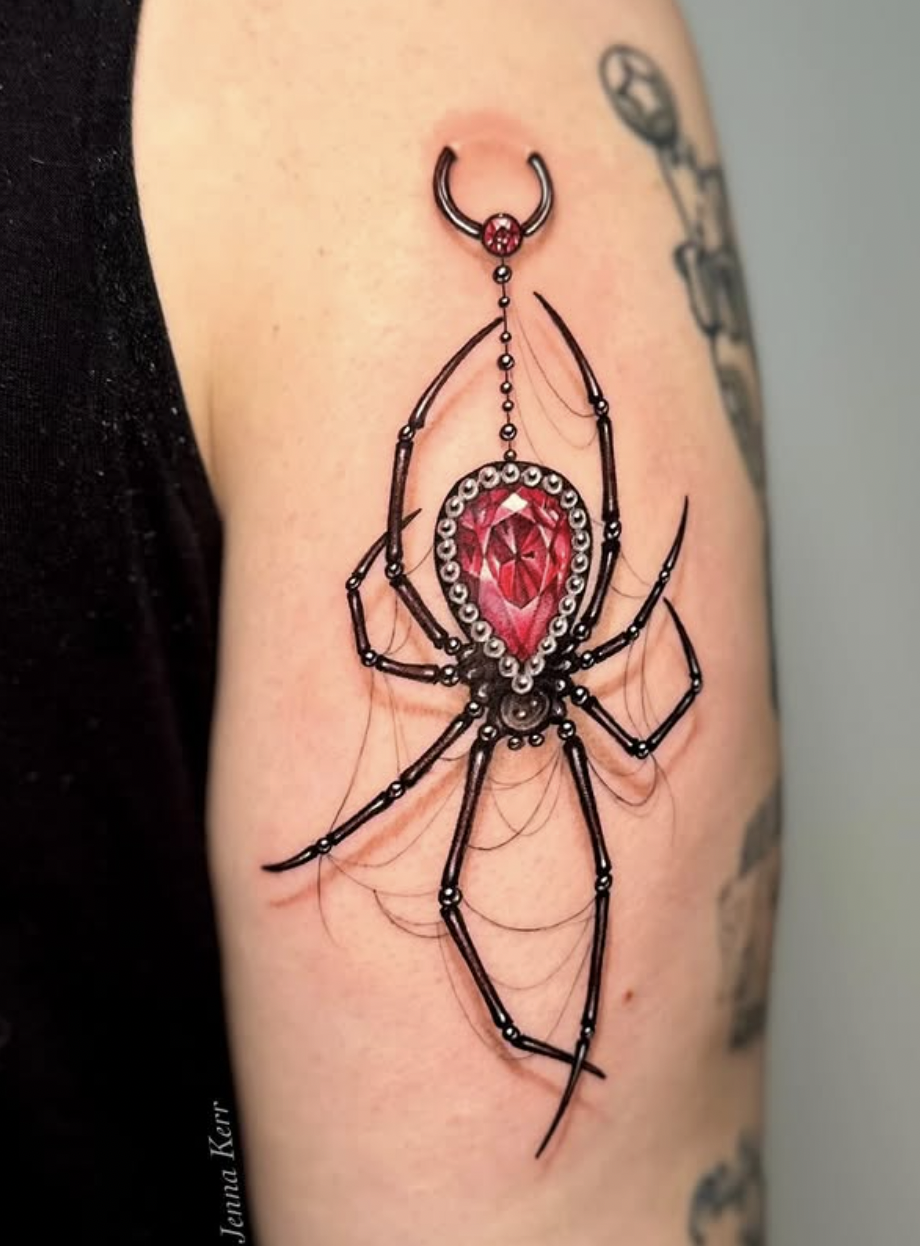
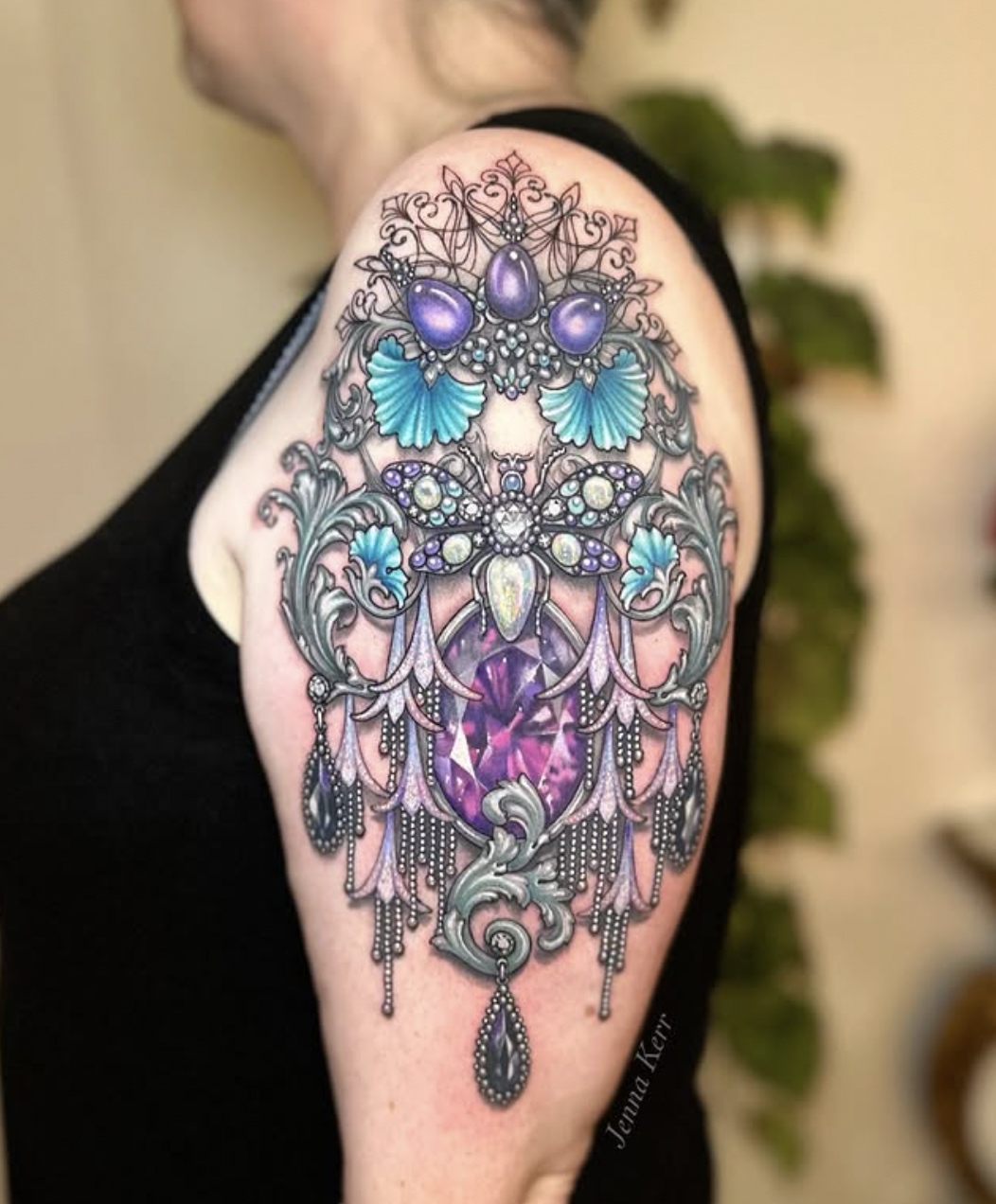
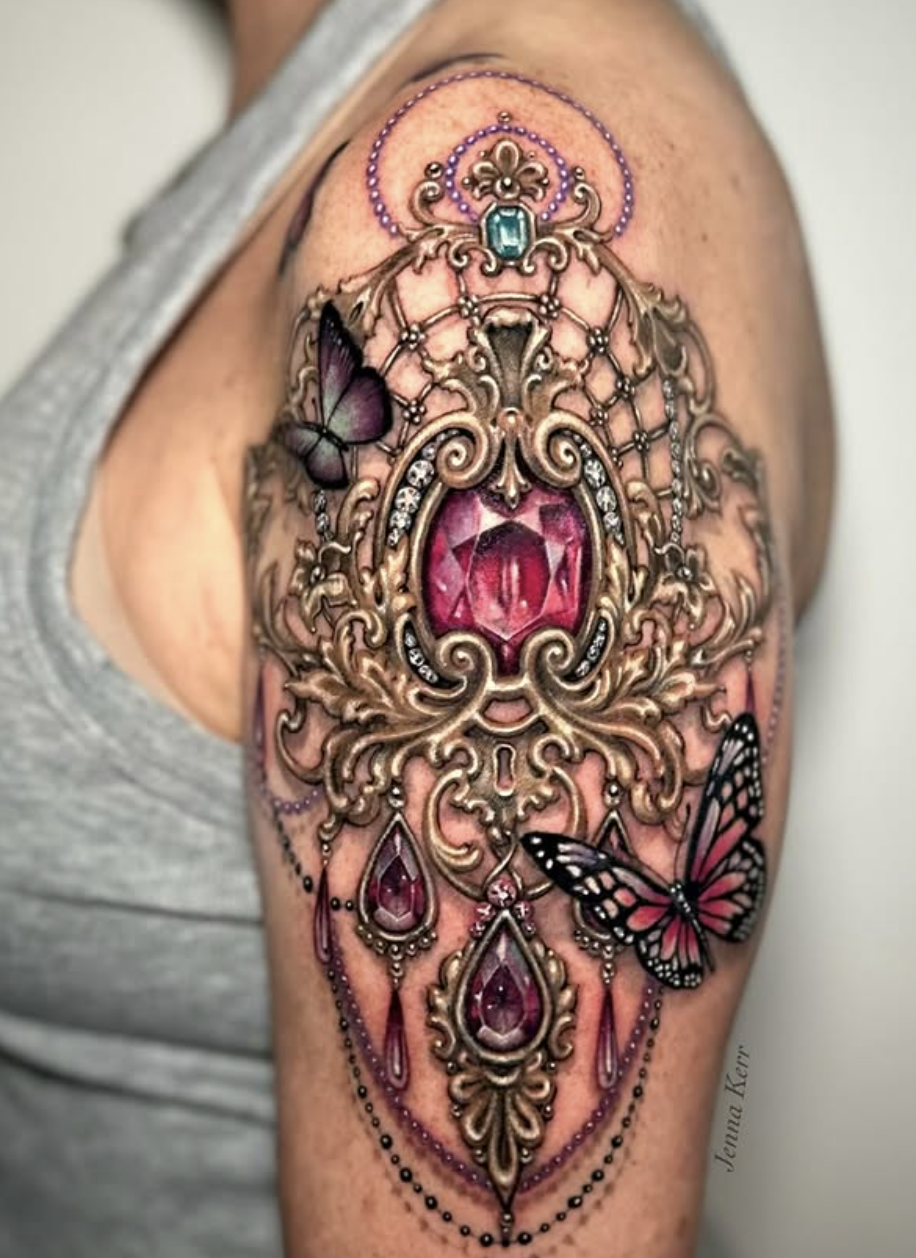

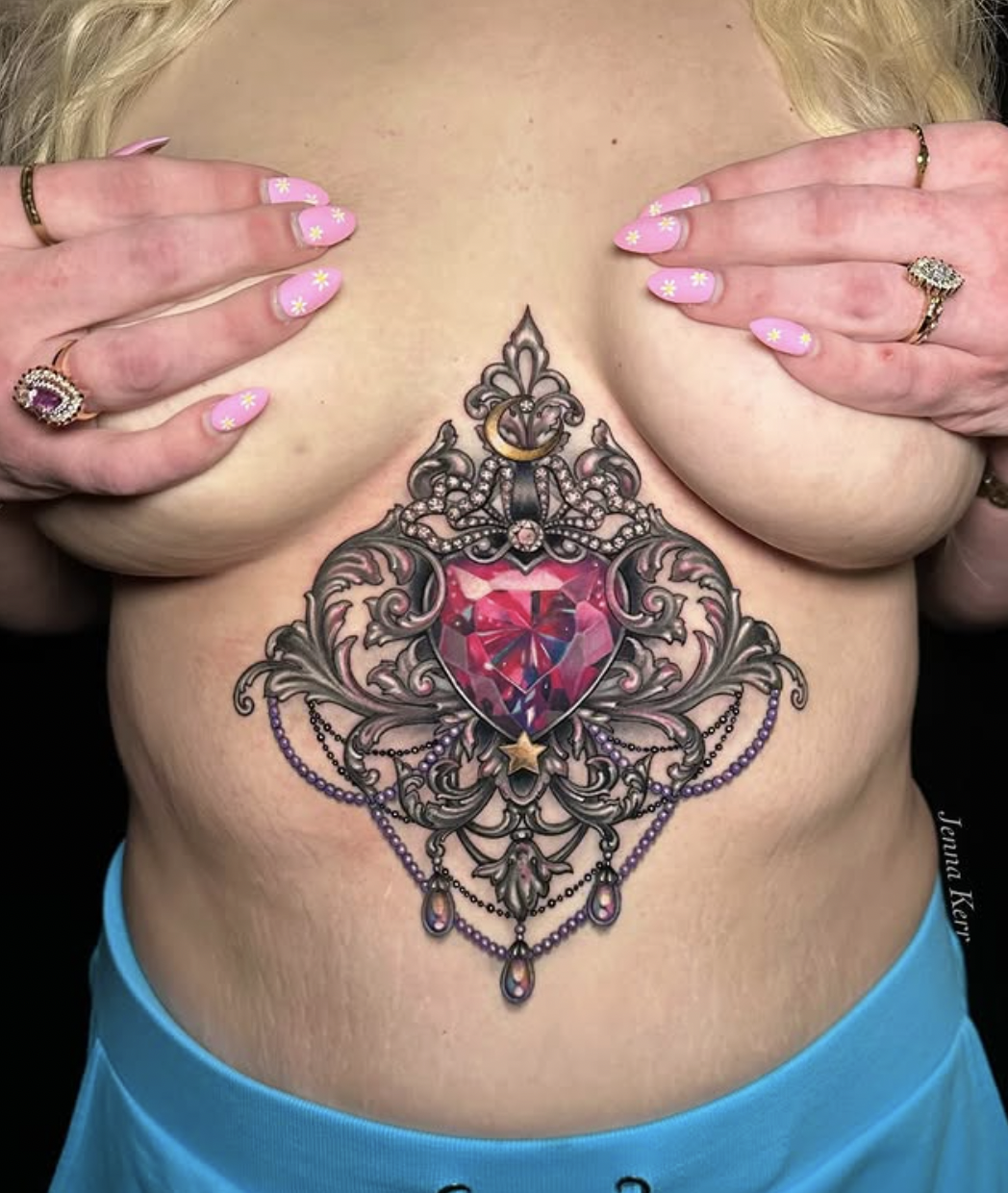
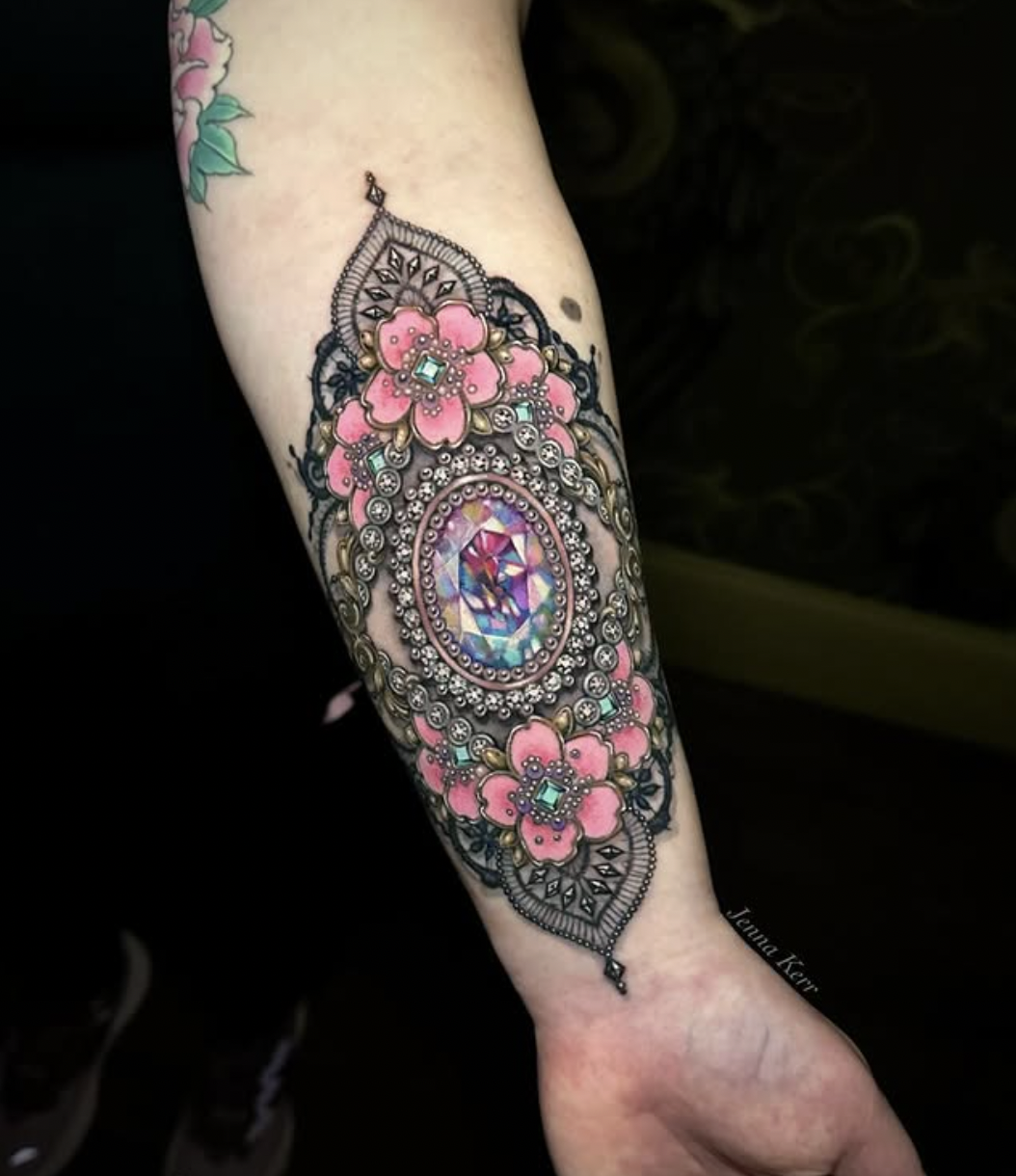
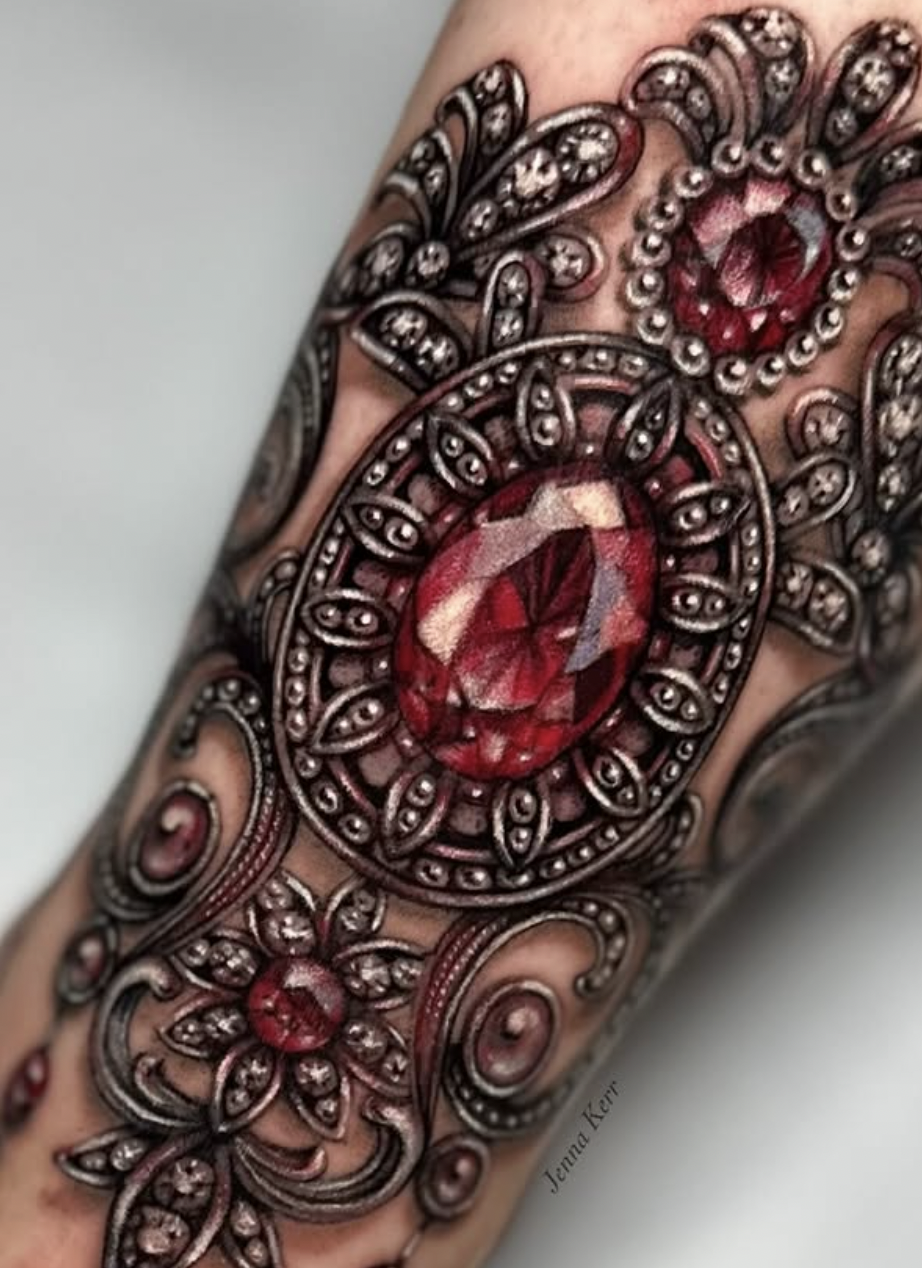
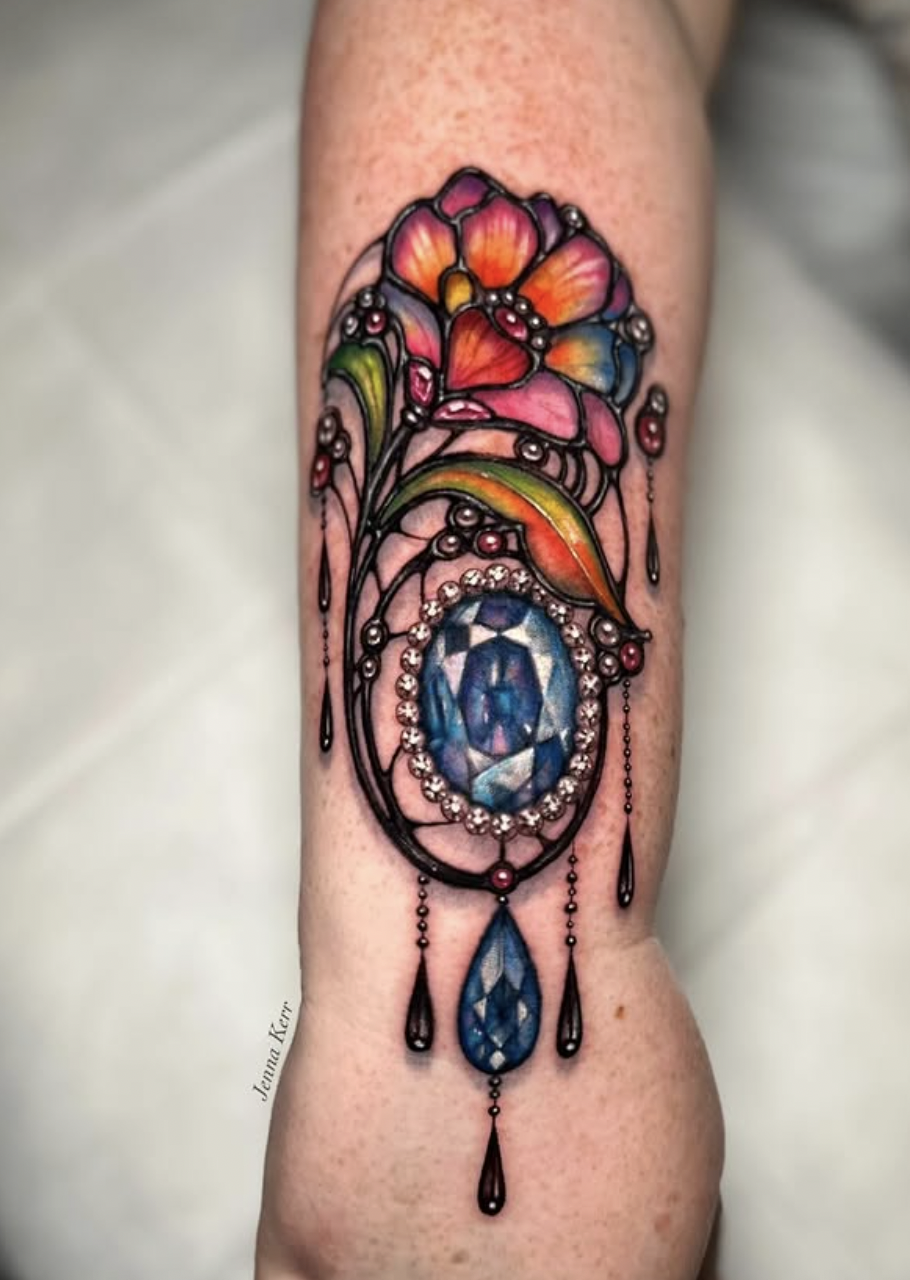
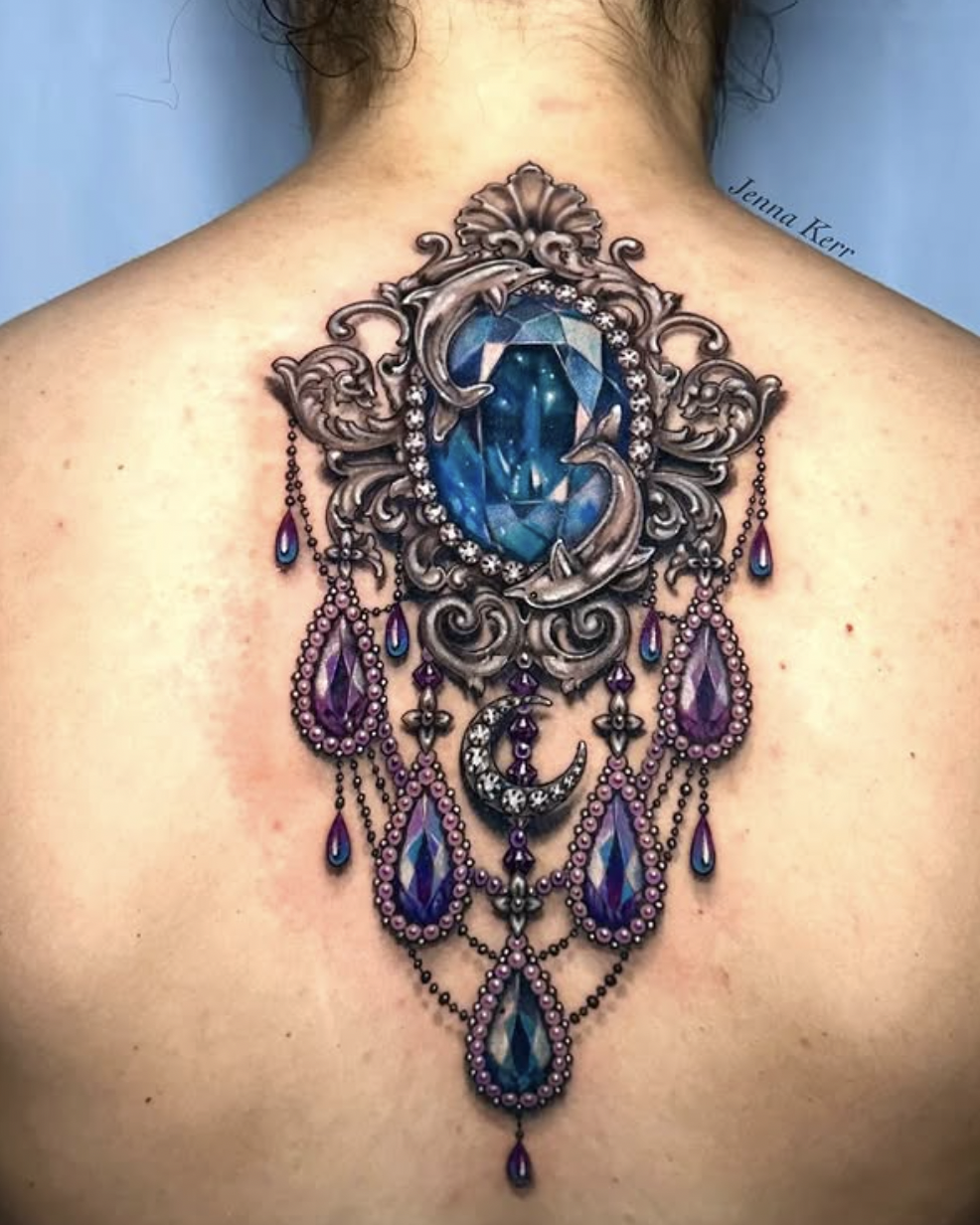

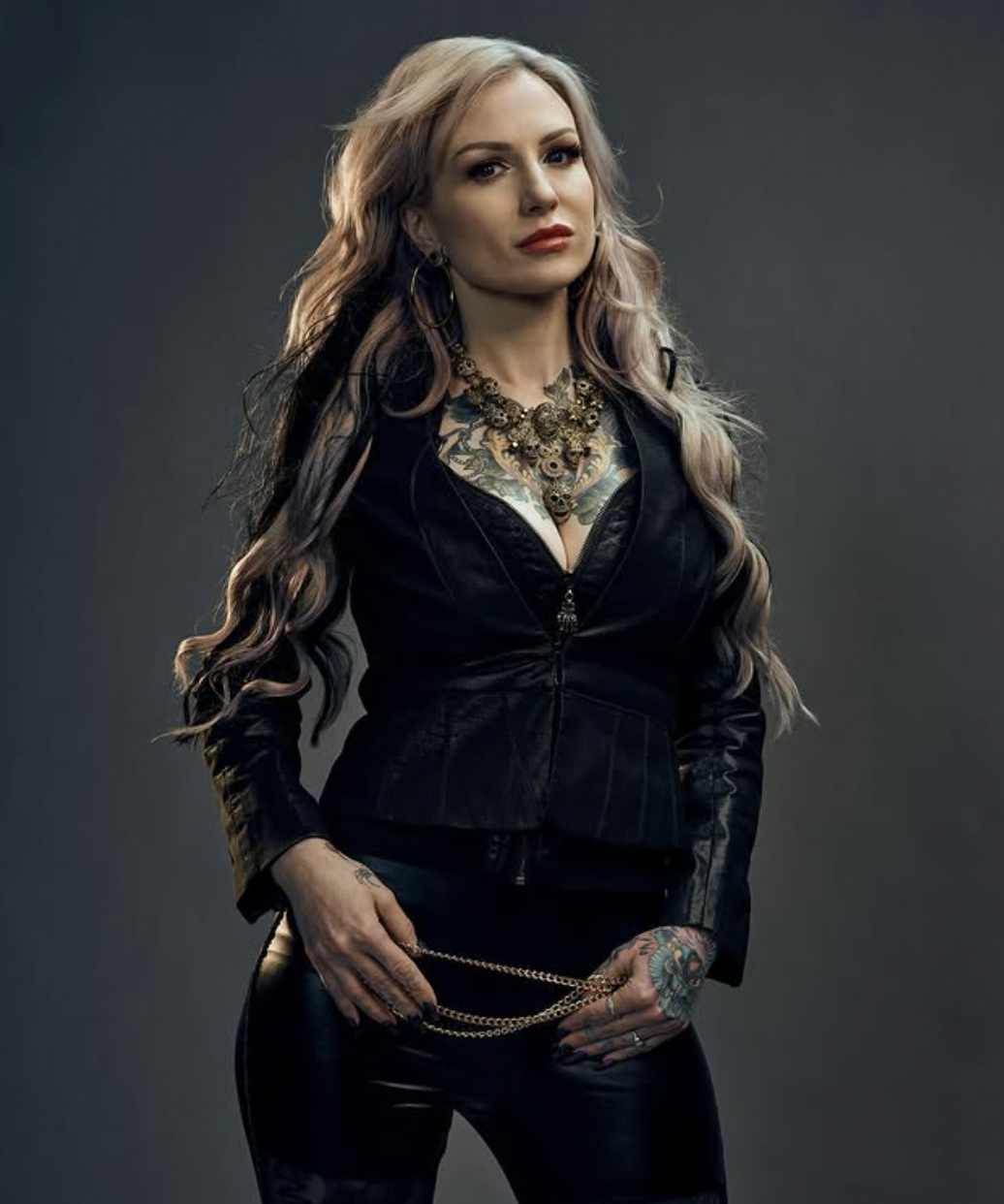
All images courtesy of @jennakerrtattoo.
Your jewelled ornamental work has become unmistakably yours. Can you tell us about the early and current influences that shaped this style, and what it is about jewellery — its symbolism, craftsmanship, or intimacy — that continues to draw you back to it?
My designs are created from everything that inspires me and excites me aesthetically and also shaped by my previous crafting in corsetry. I have always been drawn to anything highly decorative from architecture, fashion, interior design and Jewellery, particularly the rococo period. Craftsmanship is highly important to me, the devil in always in the details.
Do you have a favourite jewellery designer, or a particular piece from film, history, or a specific era that you return to again and again as reference or inspiration?
My main source of inspiration has forever been the palace of Versailles, I am in absolute awe of the intense and regally elaborate Rococo style, from the interiors of the beautiful palace to the fashion of that particular era. The styling was go grand yet the details so visually enticing.
My other sources of inspiration have been, Tiffany glass, Rene Lalique, Alphone Mucha, Alexander McQueen, Vivienne Westwood to name a few.
For artists hoping to break into tattooing today, what advice feels most important now — especially for those navigating a more saturated, social-media-driven industry?
I started tattooing 18 years ago, I've been lucky enough to see the industry explode into what it is today. I knew that the industry would change one day, there was a time where the industry was extremely lucrative, that has all changed now. Granted their are studios and artists who are still very busy and thats because they are utilizing social media. This is an important tool in advertising an artists work. As much as we feel that posting content feels like a full time job it's just simply the most crucial tool to be seen, essentially it's your store window.
The best advice I would give to any one looking to join the industry would be that tattooing is not a 9-5 job. It is a lifestyle, it is 24/7, it's travelling, it's sitting up until gone midnight putting together clients designs and that only feels easier if you are truly passionate about your art and true intent within the industry. I work everyday and only half of that time is the actual tattooing process. For the rest of the time I am working on; the studio, new designs, videos for sponsors, social media, ... it can some times be exhausting, but I do it for the love of what I do. My work is my biggest love affair.
Kristine Vodon
@kristinevodon, Soul Fire Studio, London, Ontario
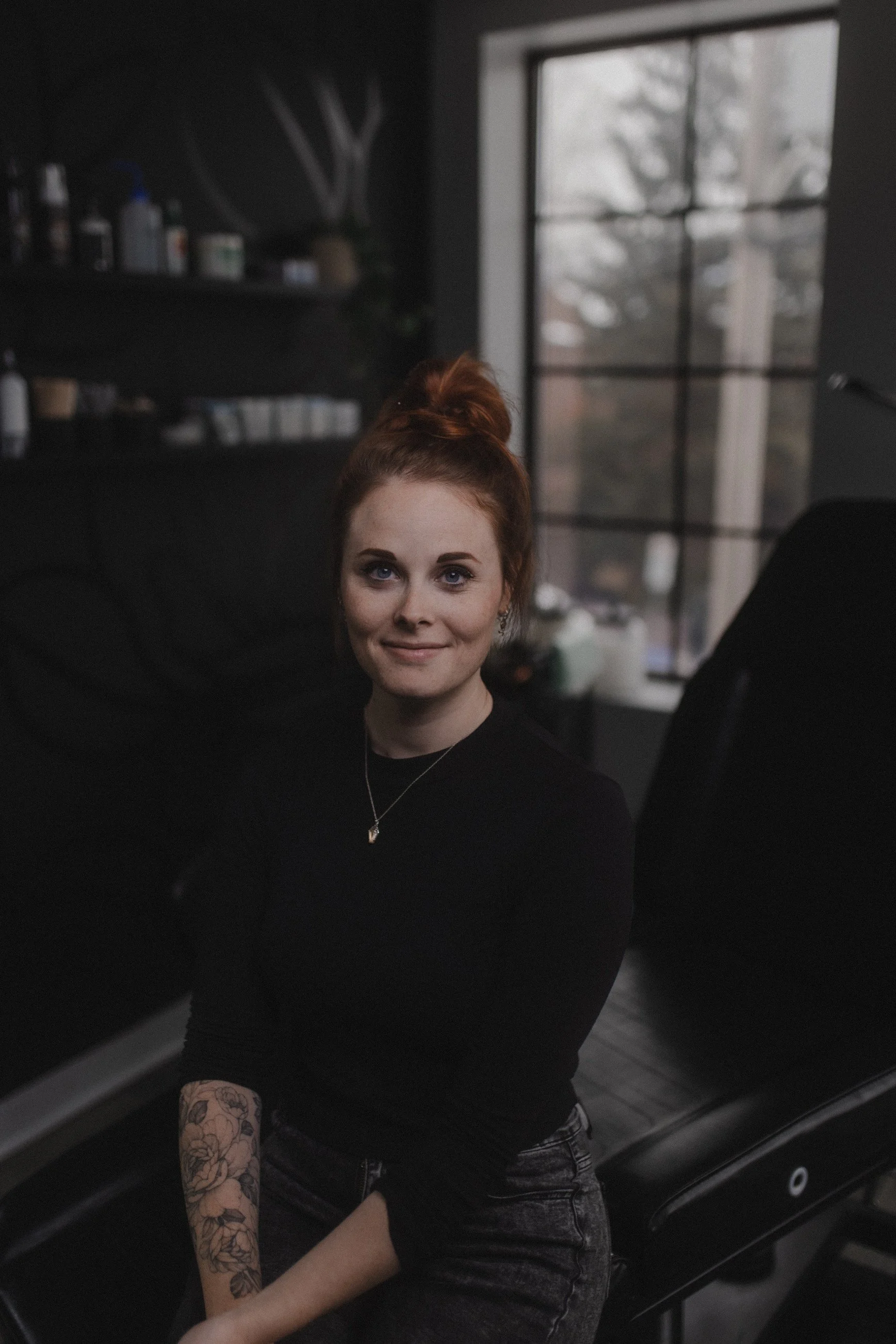
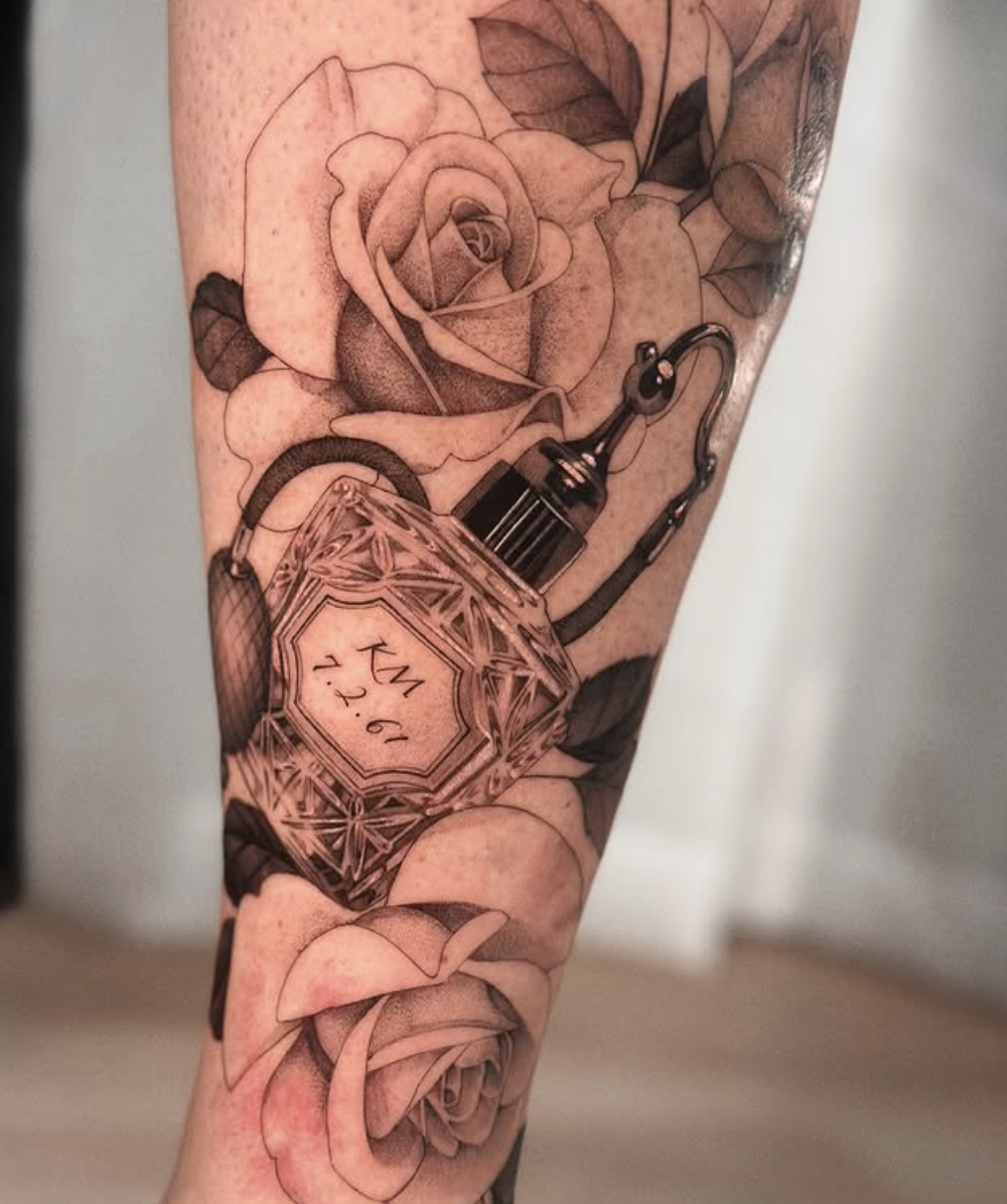
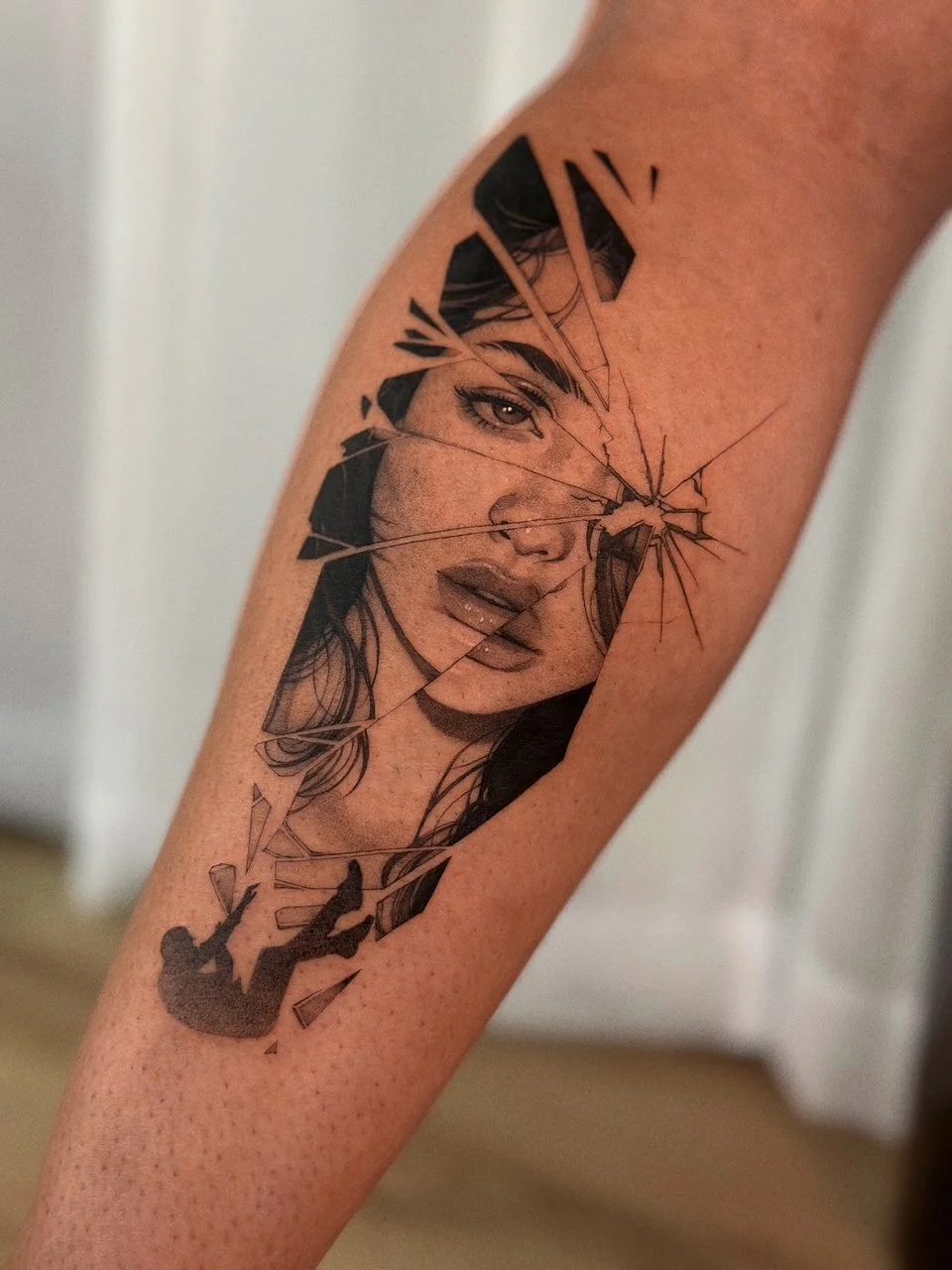

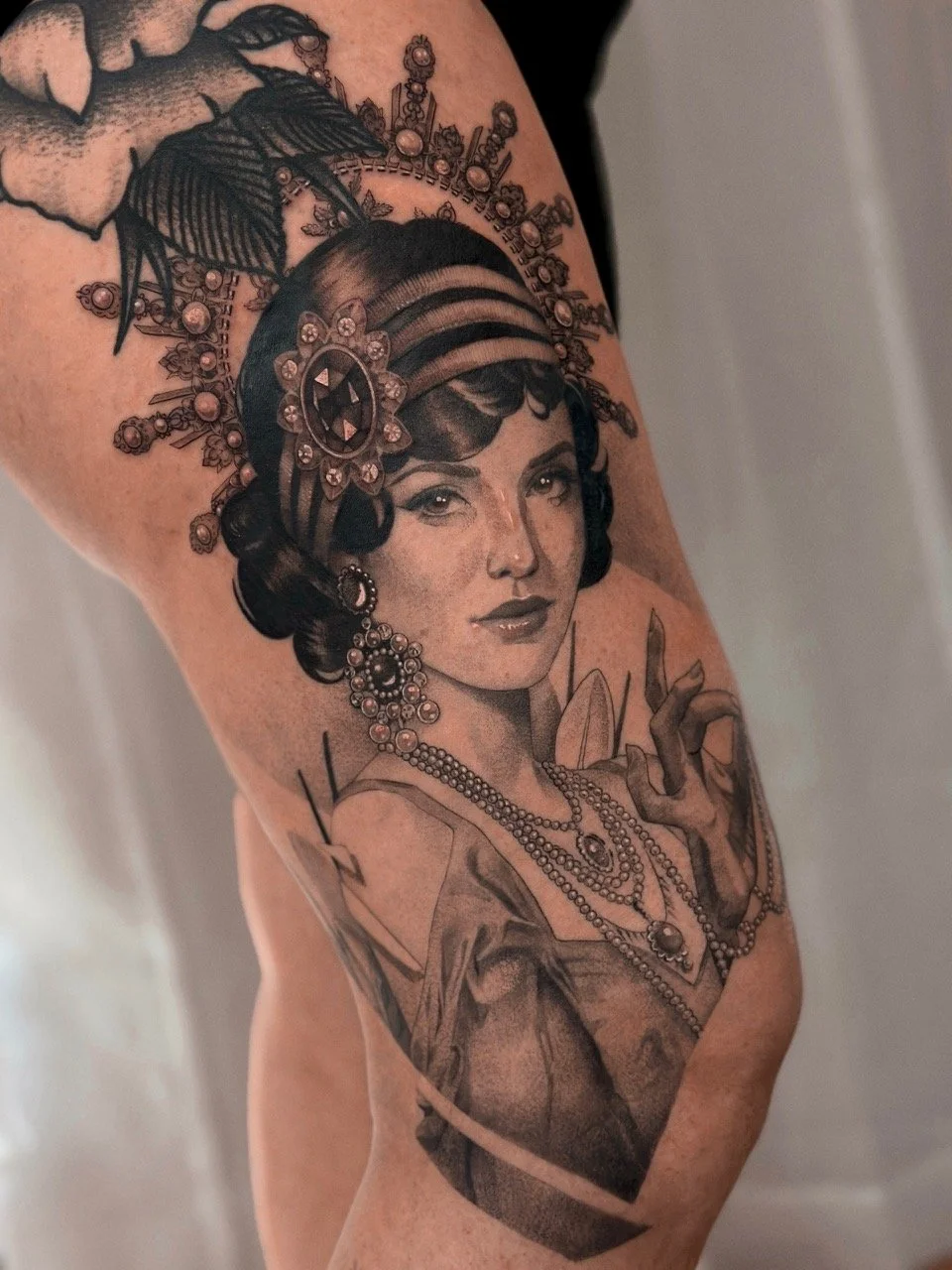
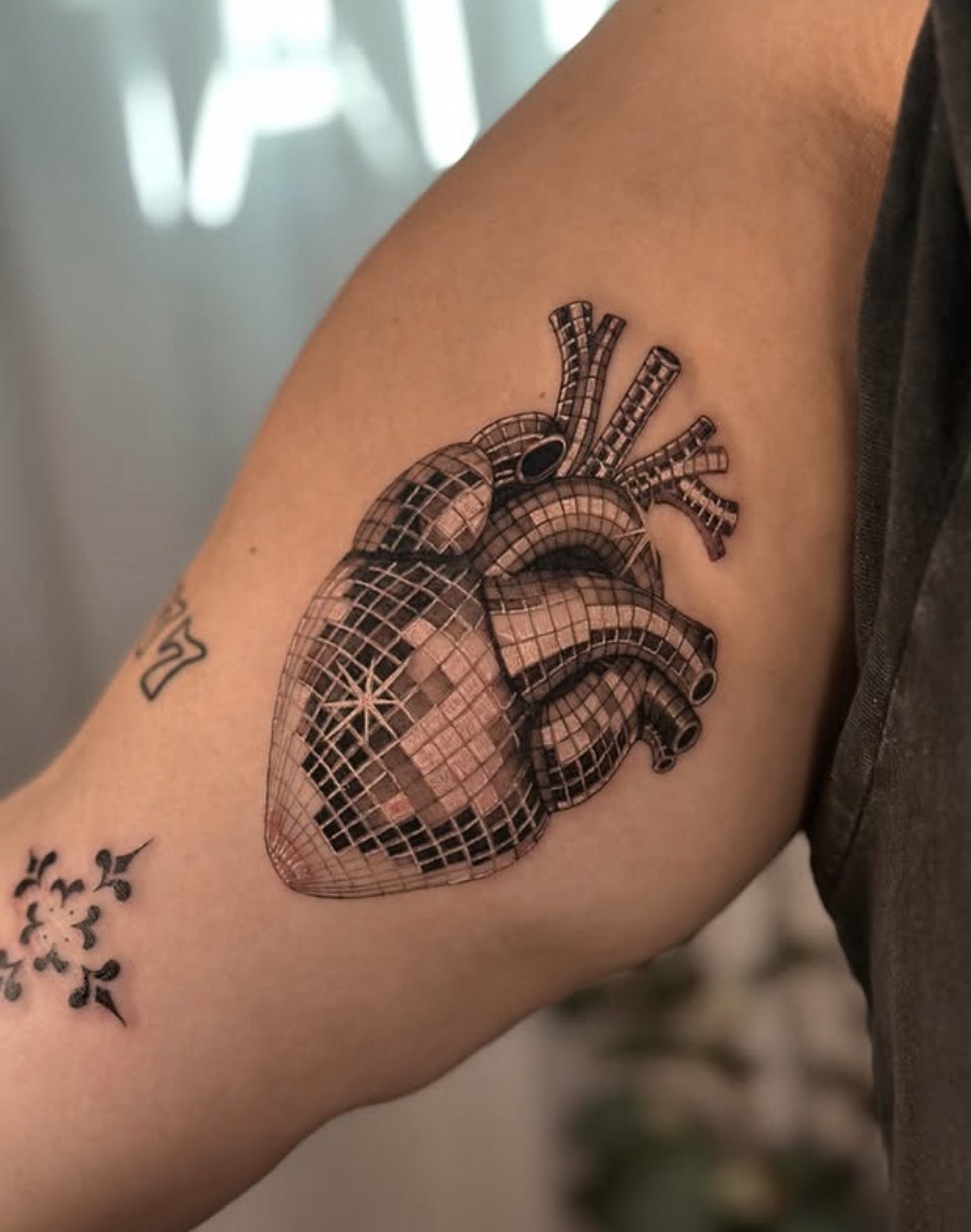
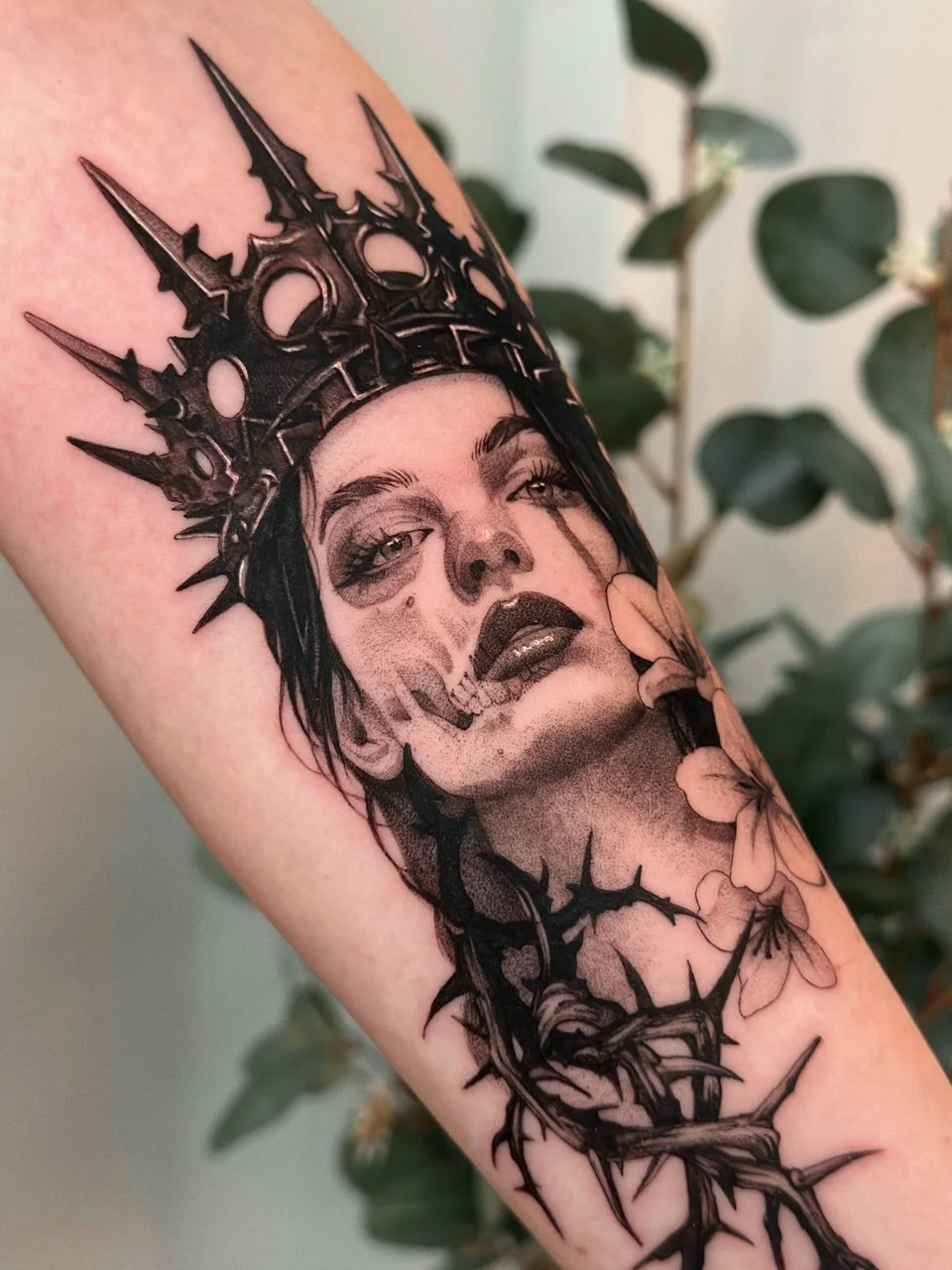
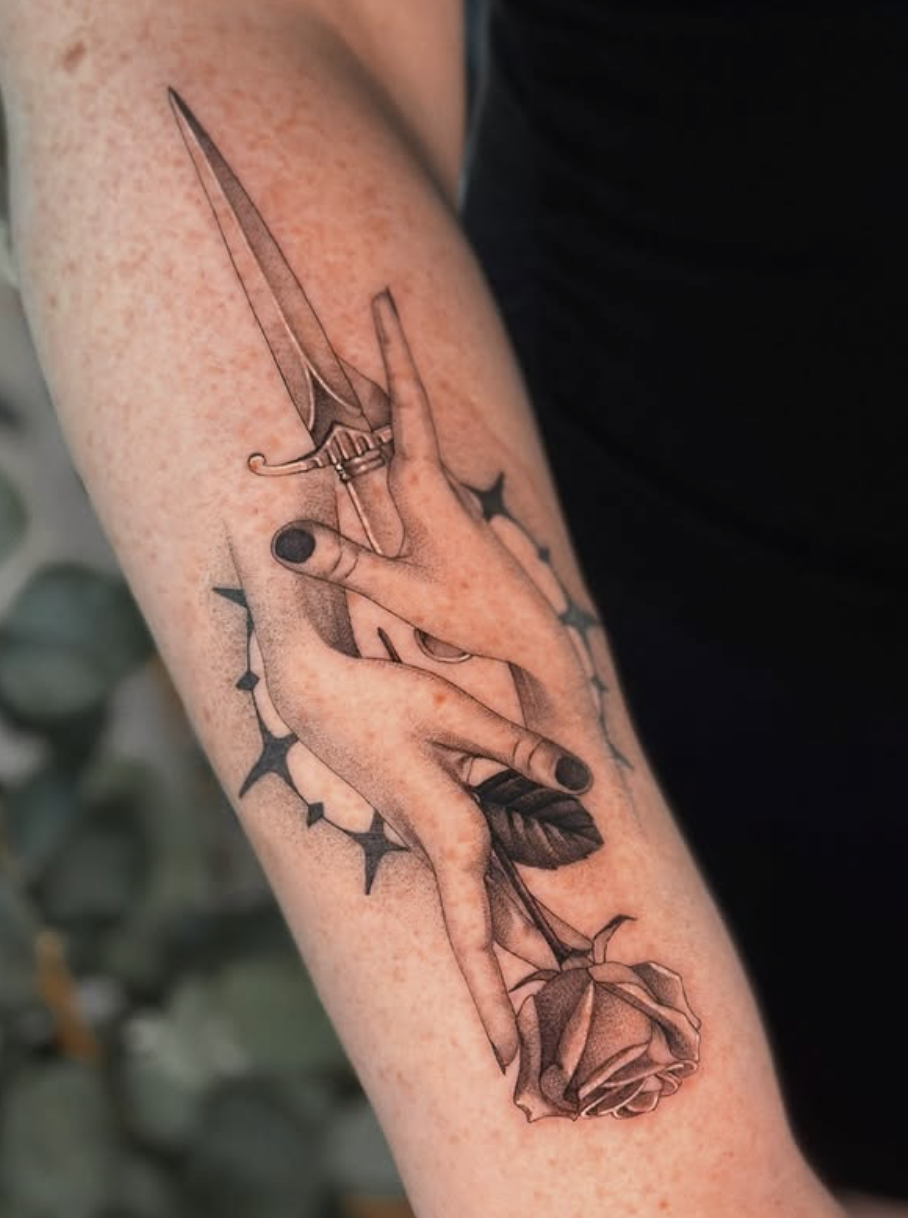
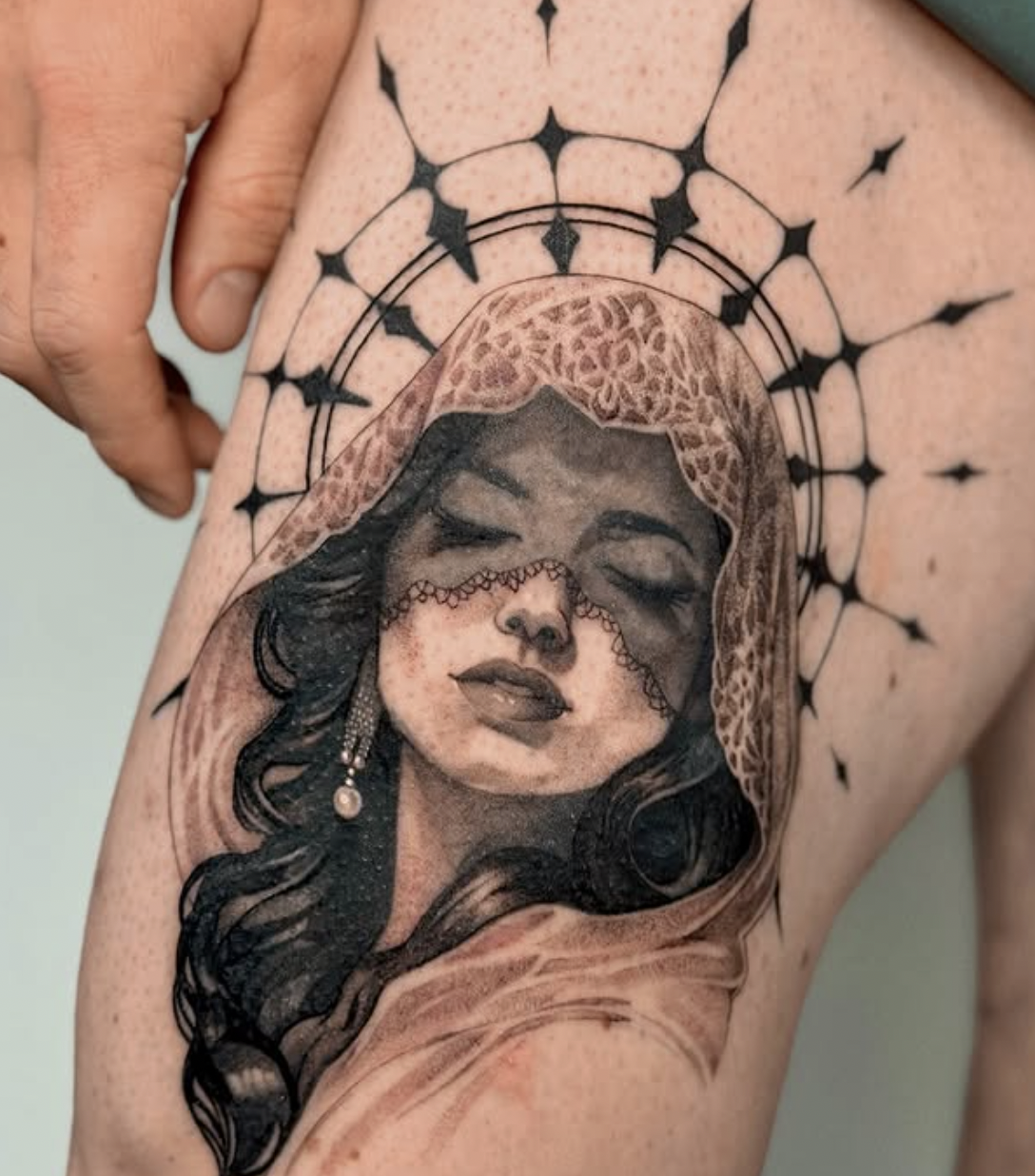
All images courtesy of @kristinevodon.
Looking back at your earliest relationship with art, what moments or influences shaped the visual language you’re known for today, and how did tattooing become the medium that felt most honest to you?
Art has always been a core part of who I am. I took art classes for as long as I can remember and was always drawn to the creative side of life. I have a really clear memory from one of the art camps I attended when I was about eight years old. They would turn the kids’ artwork into blank cards and sell them in the studio. One day, I arrived at camp and the owner handed me a $5 bill - the first commission I had ever earned from my art. It blew my mind. An adult, with real money, had spent it on something I made with my own two hands. Even at that age, it felt pivotal. Art wasn’t just something I loved doing, it was something I could get paid to do.
I’m less confident remembering when I first learned about tattooing, but it definitely wasn’t part of my upbringing. No one in my family had tattoos. Still, I have early memories of drawing designs on my cousin and sketching out what were essentially ‘flash sheets’ before I even knew what that was. Something about the idea of putting art directly onto the body felt deeply captivating to me since childhood.
Because tattooing wasn’t seen as a “real” job in my household, I never considered it a viable path forward; just something I admired from afar. I followed my creativity into another design-based field and didn’t actually transition into tattooing until my late 20s. It turns out I’m not well suited for 9–5 life. That, paired with encouragement from the artist who did my first tattoo, is what finally led to that career shift. It was scary, unknown, and not fully supported by everyone around me. But I believed I could thrive in this world, and as soon as I began my apprenticeship, I felt at home in my work. For the first time.
Your work balances fantasy and baroque detail with technical precision in a way that feels both timeless and contemporary. When you’re designing a piece, what anchors the process first — narrative, symbolism, anatomy, emotion, a mix of all the above?
Many of my strongest stylistic influences came from discovering artists I deeply admired. Glenn Arthur, Wendy Ortiz, and Jennifer Healy were some of my earliest inspirations in transitional art. One thing they all shared was a focus on the female face.
I can’t fully explain why that subject matter resonated so strongly with me, but I knew I wanted to understand how they achieved such beauty in their pieces. I spent time tracing and replicating their work - not to claim it as my own - but more as a study.
Over time, I began to develop my own interpretations, creating original work that stemmed from that inspiration. Later, i discovered tattoo artists like Alex Sorsa and Eric Marcinizsky who also did lady faces, but in tattooing. This unlocked a whole new obsession for me. Their ability to translate feminine faces into tattoos, blending realism, soft shading, illustrative composition, and high contrast,felt incredibly authentic to what I wanted to create. That obsession still drives my work today, and I’ll forever continue pushing in that direction.
When a client comes to me with an idea for a custom project, I usually start by asking myself, can I clearly visualize the end goal here? Do I understand all the components of the piece, and can I creatively bring them together in a way that will actually work on their body? Anatomy has to be an early consideration in tattooing, of course, but for me it goes hand in hand with building the overall idea in my head from the very beginning. This initial vision is what I consider to be my anchor in my design process.
This anchor is also what makes me so excited to collaborate with clients to bring that vision to life. Narrative, symbolism, and emotion tend to come in as a happy bonus along the way. In the client–artist relationship, I see my role as making sure my client leaves with a piece of art they genuinely love. The exact same imagery can carry completely different meaning or emotion from one person to the next, so I feel that part belongs to the client. It’s up to them to identify what it means to them and then communicate that to me. My job is to execute it thoughtfully and with *precision*.
As both a tattoo artist and studio owner, how has building a team of other artists shaped your understanding of leadership, creative responsibility and the culture you want to foster within the tattoo world?
I’ve genuinely loved becoming a studio owner. Yes, it comes with far more work than just tattooing (which is already an immense amount of work) but I truly enjoy the business side of tattooing. My studio is called Soul Fire Tattoo Studio because, at its core, it’s meant to be a place where artists create from a deep passion for their craft. It’s a space where we put a little piece of our soul into every project we work on. Having a clear vision of what I wanted the studio to be, I’ve been very intentional about who I’ve hired to work here. I want to feel complete confidence recommending any of my artists, and I want the studio to be known for both high-quality tattooing and a warm, welcoming environment.
With that foundation in place it felt easy to set myself and the studio up for success. I feel incredibly lucky to work alongside a team of dedicated artists who share the same values I envisioned. Not only around quality of art, but around creating a space where clients feel heard, relaxed, and treated as equals. I never set out to build an all-women’s studio; I set out to build the best team possible, and it just happened to work out that way. In many ways, I think that’s been a strength. We’re genuine friends, deeply supportive of one another, and that sense of care naturally extends to our clients. Because of the respect and love I have for my artists, I put a lot of pressure on myself to show up for them in the way they deserve.
Marily Letendre
@marily_tattoo, Le Studio, Saint-Sulpice (near Montréal)
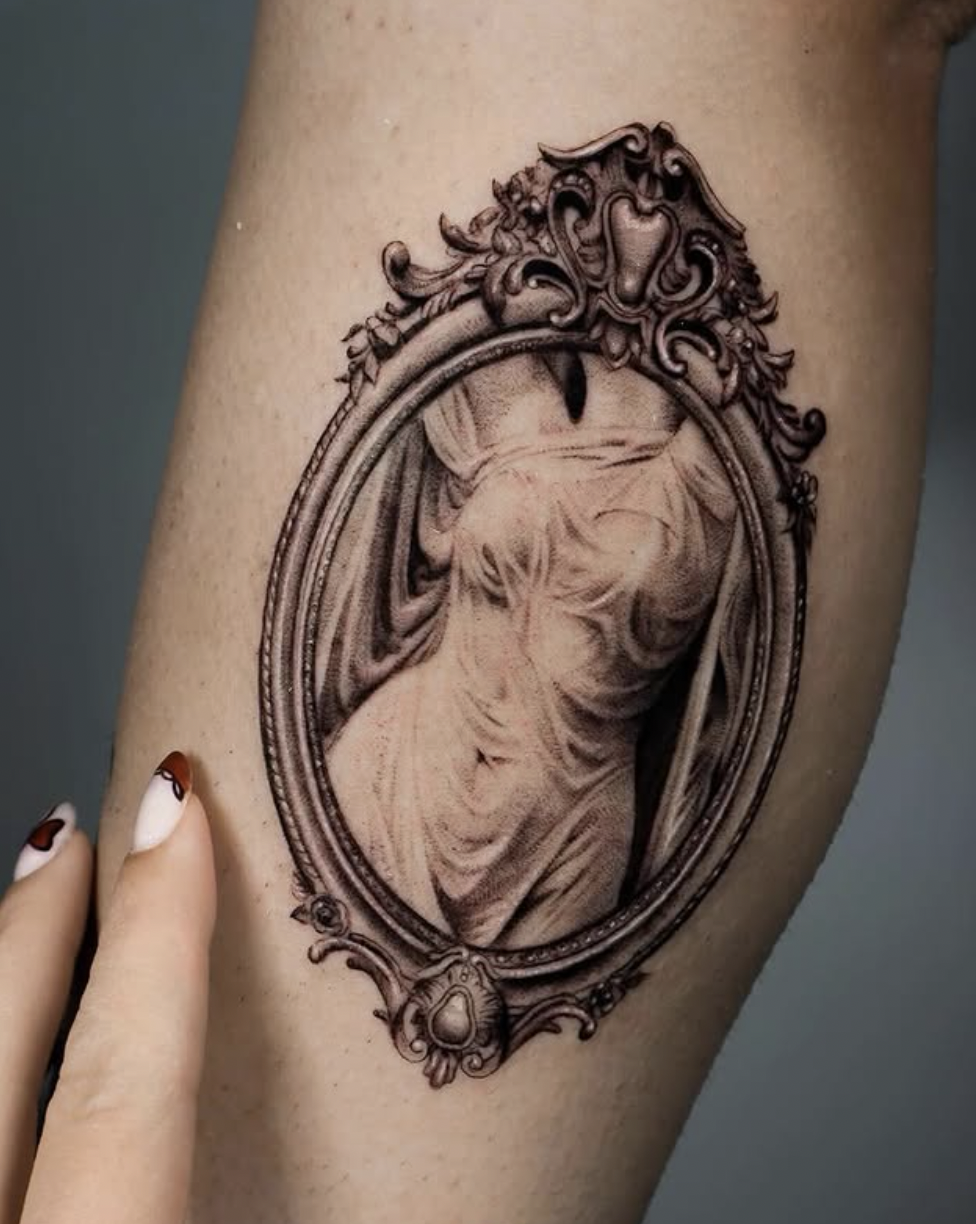
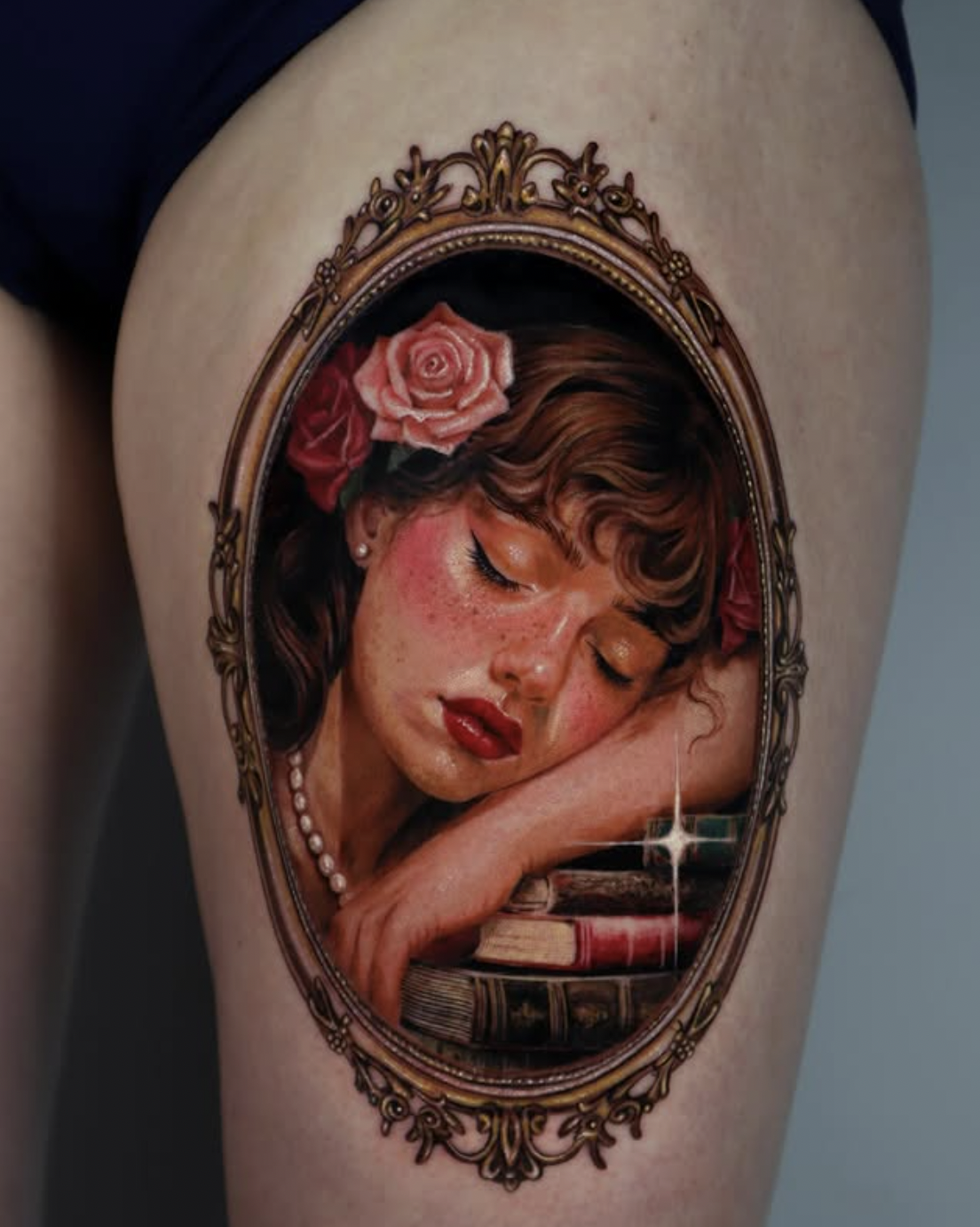
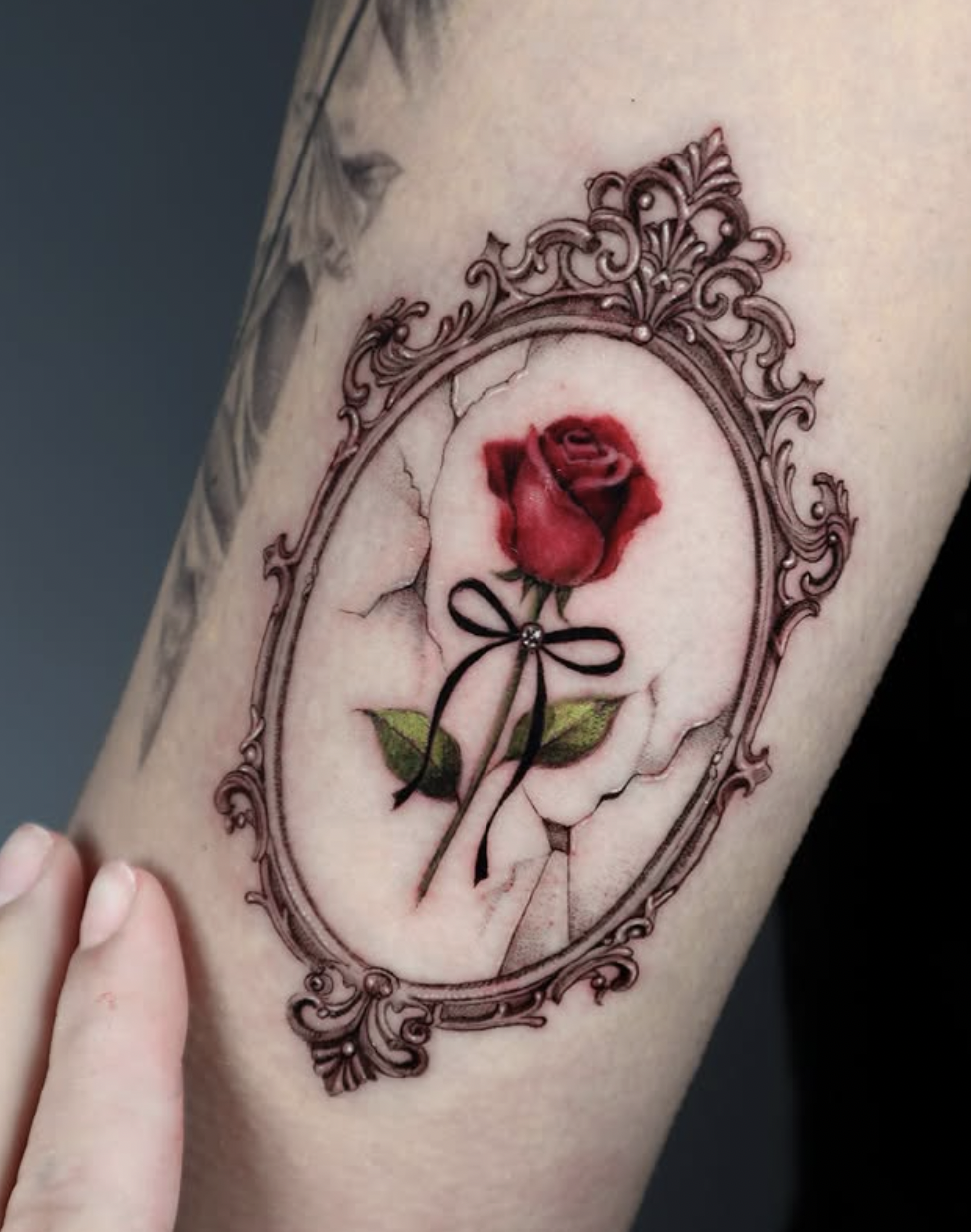
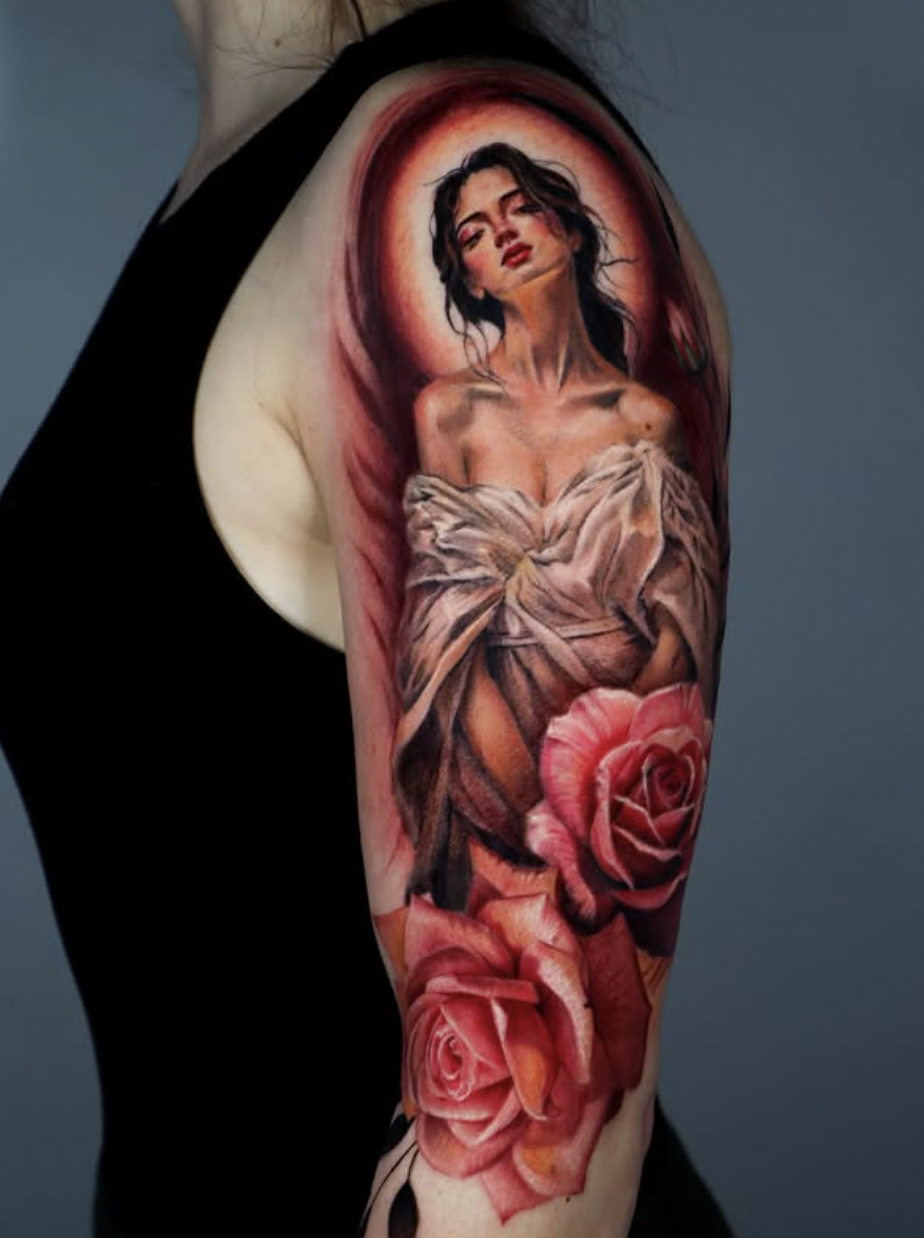
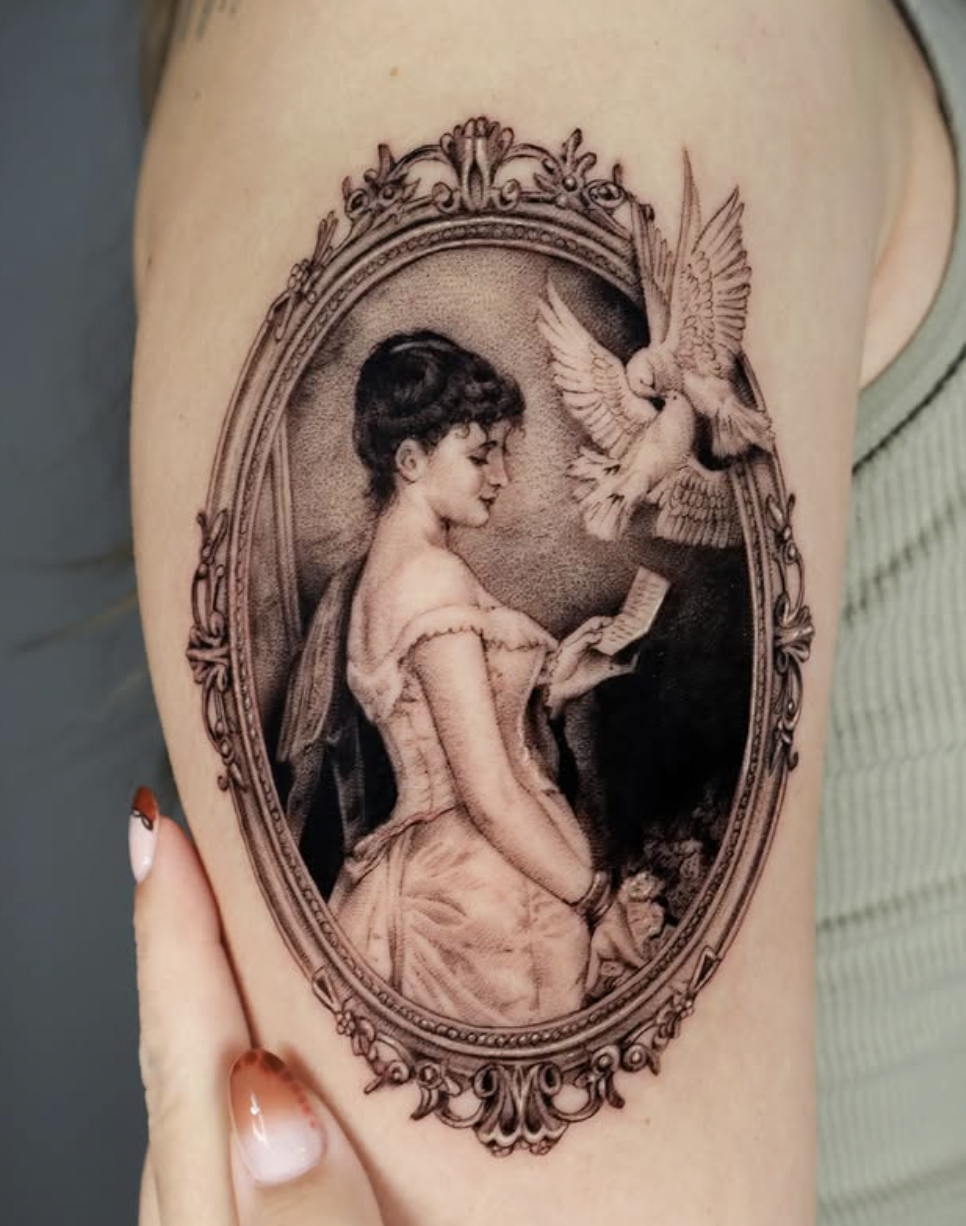
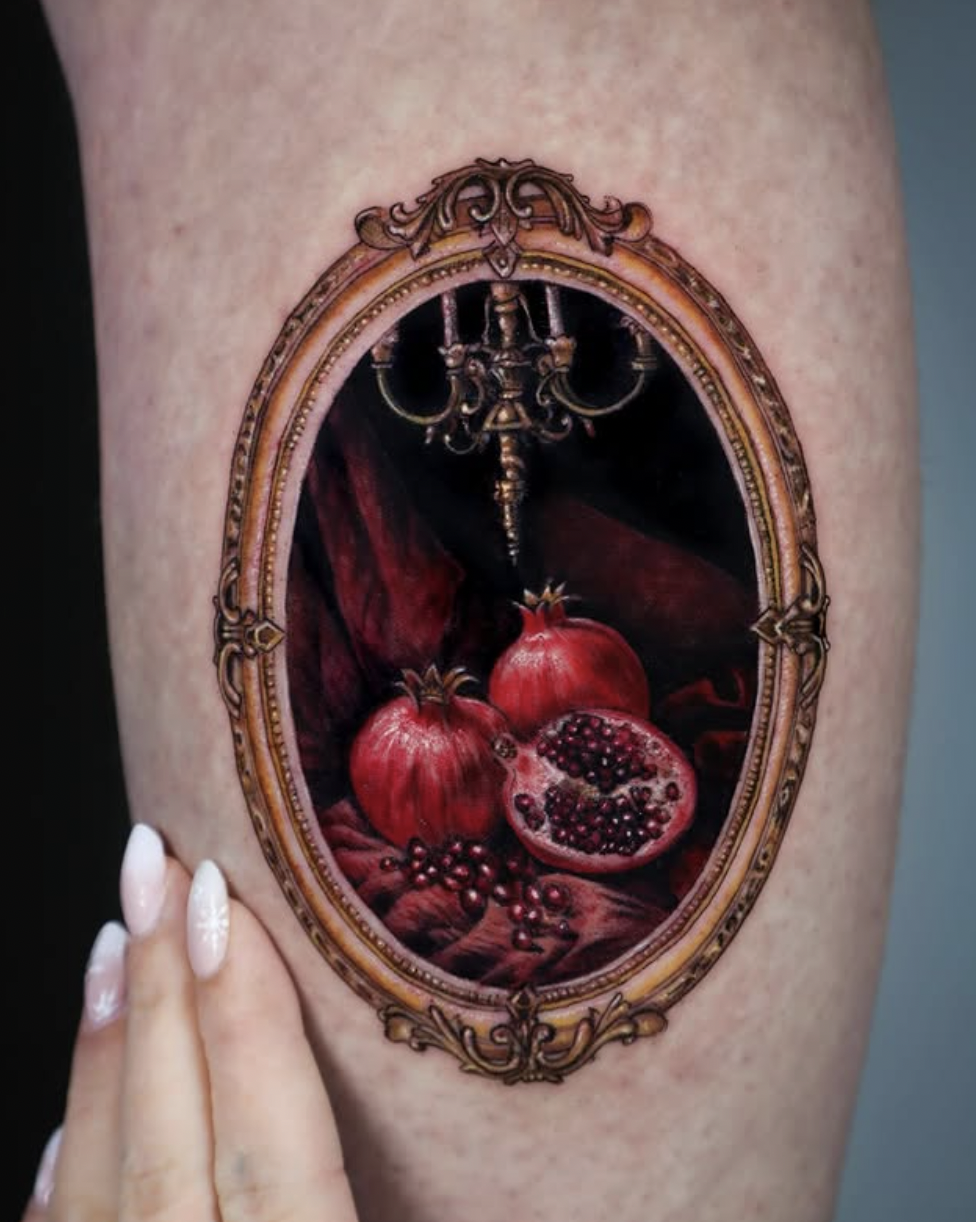
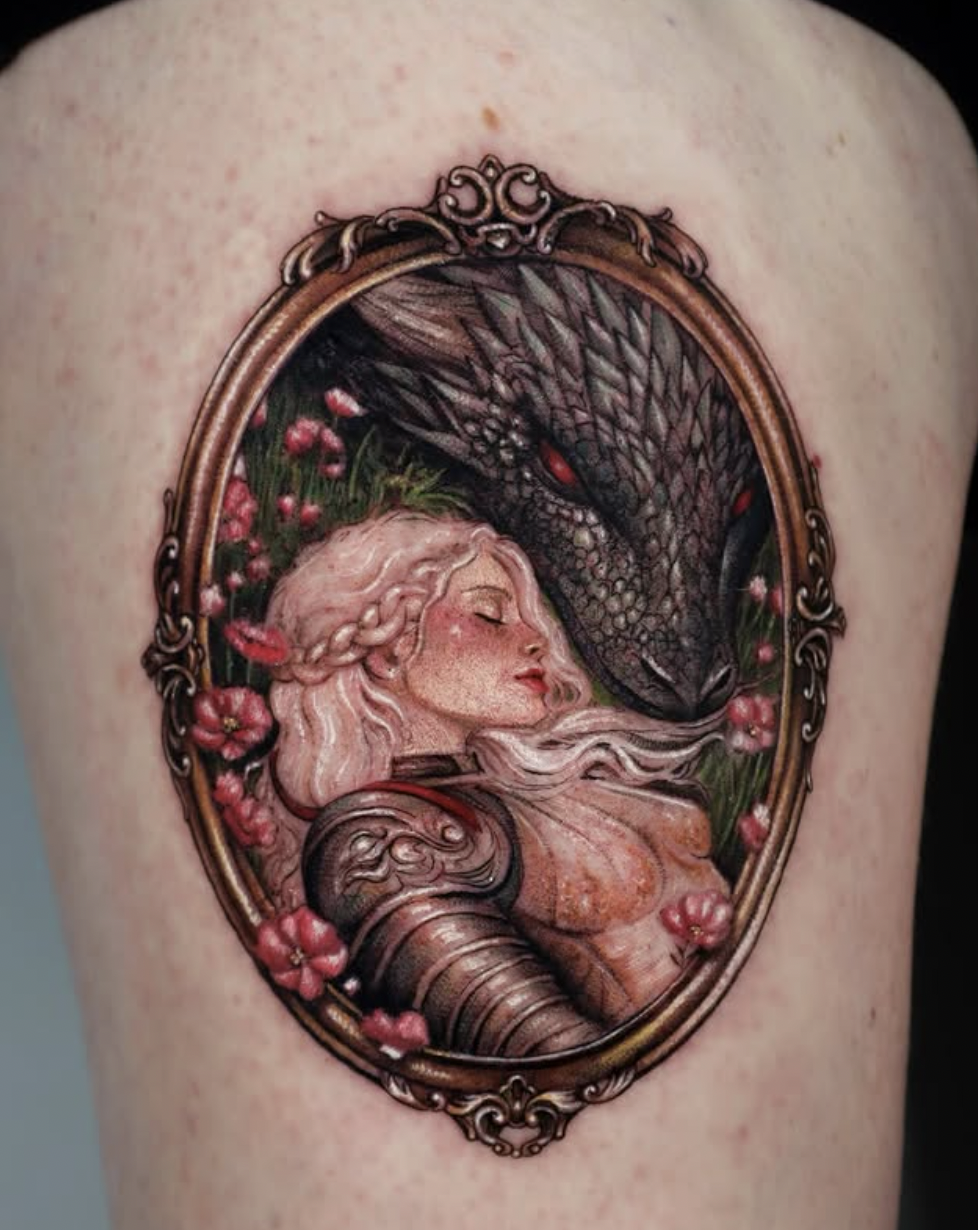
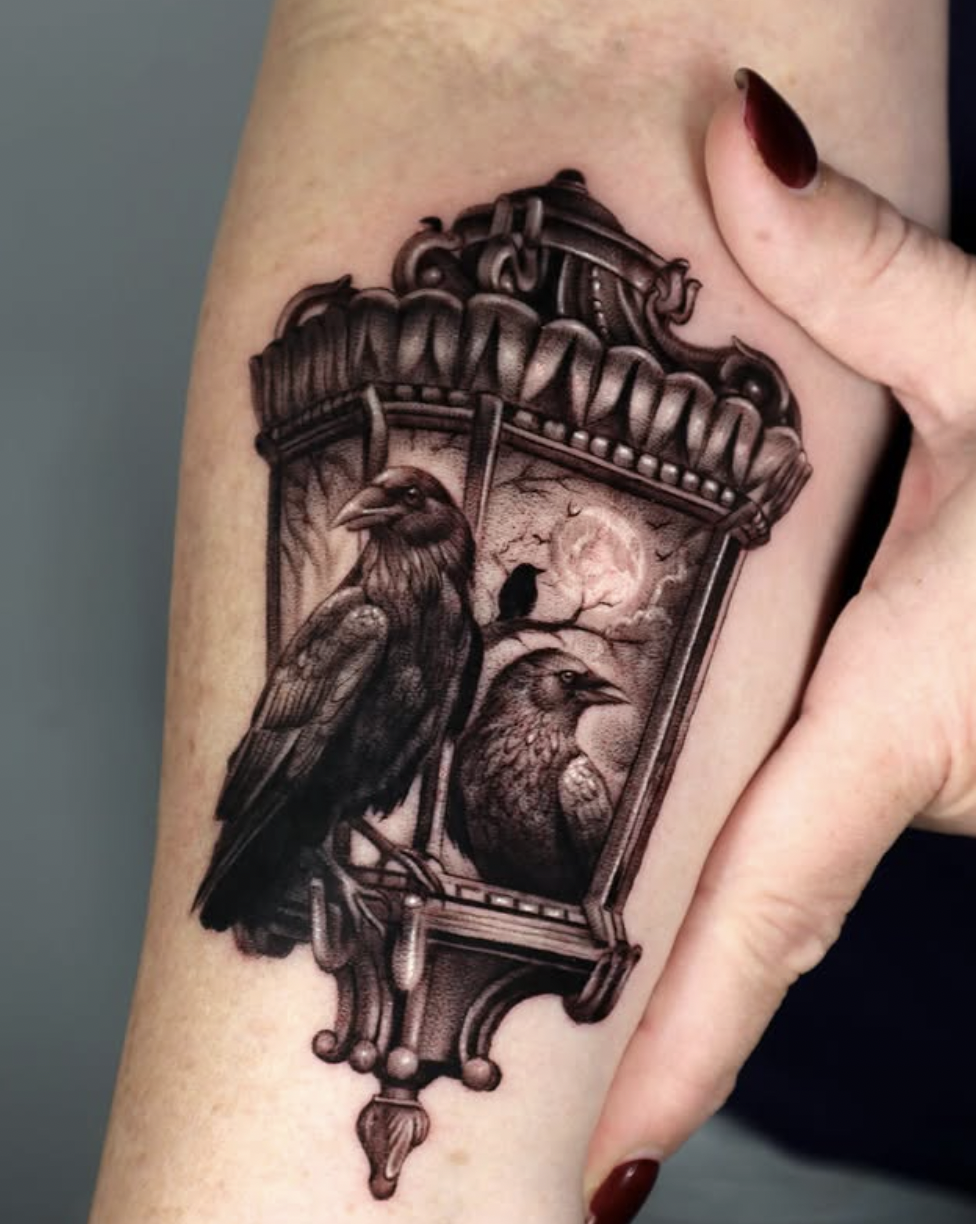
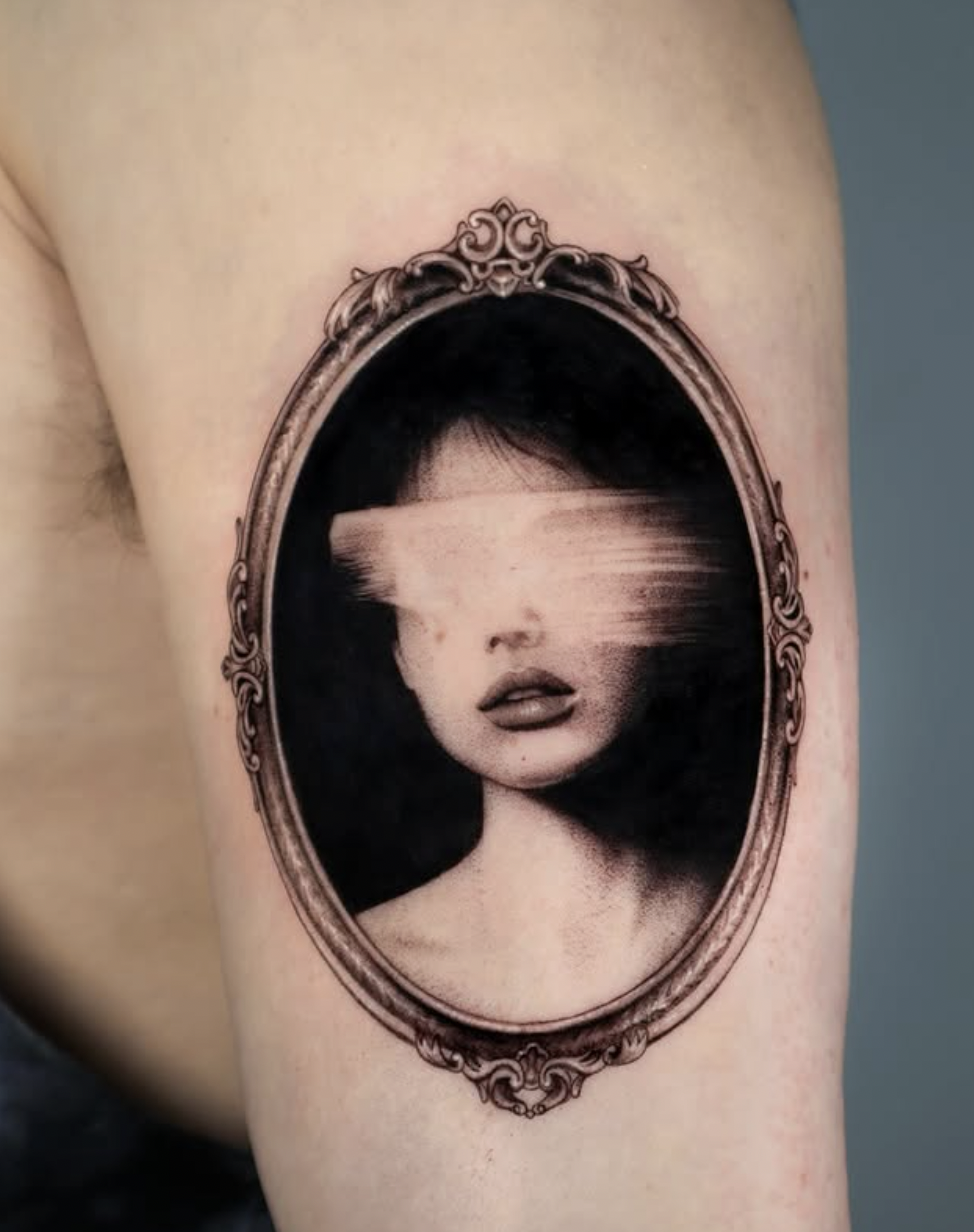
All images courtesy of @marily_tattoo.
Your feed reads like a living art gallery, with ornate frames acting almost as portals rather than borders. When did the frame become central to your visual language, and what does it allow you to say that a frameless tattoo doesn’t?
From the beginning, I’ve always been drawn to colour in tattooing. I used to paint, so a painterly approach on skin felt very natural to me. Early on, I explored this style through fine art–inspired designs in simple oval shapes, but something always felt missing, as if the pieces lacked a true sense of finish. When I started adding frames, it just clicked!
The frame added structure and completion, but also something deeper. I’ve always loved Victorian and romantic aesthetics, and framing really completed that painterly feeling for me. I knew right away this was something I wanted to keep developing.
In 2025, this approach truly came into focus and helped boost my visibility. Framing has since become a key part of my visual language. What I love most is that each framed piece is different, yet together they feel like a small art gallery. It’s my way of placing artworks on people! :)
The frame composition anchors your work but the style of the subject matter inside it shifts from piece to piece. Is there a particular style you most enjoy bringing into this format?
What I love about working with frames is the freedom they create. The frame stays consistent, but everything inside it can change, which makes it easy for me to adapt to each client’s ideas.
The subject matter can go from baroque still lifes to florals, landscapes, pet portraits, or quiet countryside scenes. It can go from A to Z while still keeping the same visual language and Victorian feel.
Because of that, it’s hard for me to choose a single style I enjoy most. What I’m really drawn to is a feeling rather than a category. As long as a piece carries a romantic vibe, I’m interested! The atmosphere and emotion matter more to me than the style itself.
Your compositions are remarkably balanced, even when working with complex subject matter, layered references, or challenging placements. Can you walk us through your design process with a client, from the first conversation to the final composition?
I really enjoy working alone, especially at night. I’m a bit of a night owl, and that quiet, focused time is when I feel the most creative.
Because of that, I place a lot of importance on the information clients share when booking. I ask them to describe their project in detail and to send as many references as possible (tattoos, paintings, images…). I also encourage them to share any additional details upfront, before I start designing. That helps me fully understand what they want from the beginning.
In the week leading up to the appointment, I work on the composition and build the design. I send it to the client a few days before the session so there’s time for feedback and adjustments. I’d much rather make changes calmly on my own than feel rushed on the day of the tattoo. That way, when the appointment comes, I can focus entirely on what matters most: creating the tattoo itself!
Jasmine Hernandez
@lucky.you.tattoo, Bandit Studio, Brooklyn, NYC
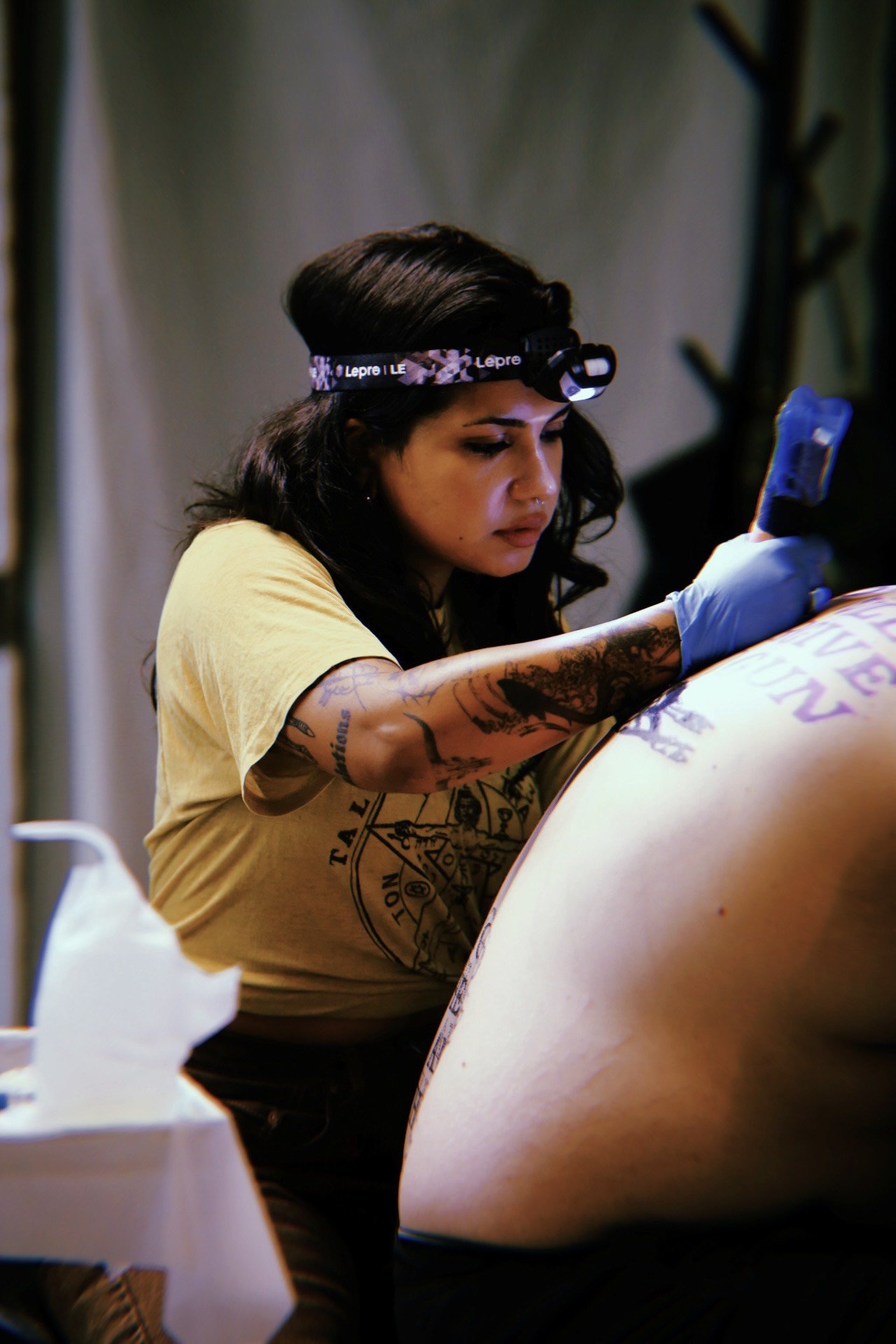
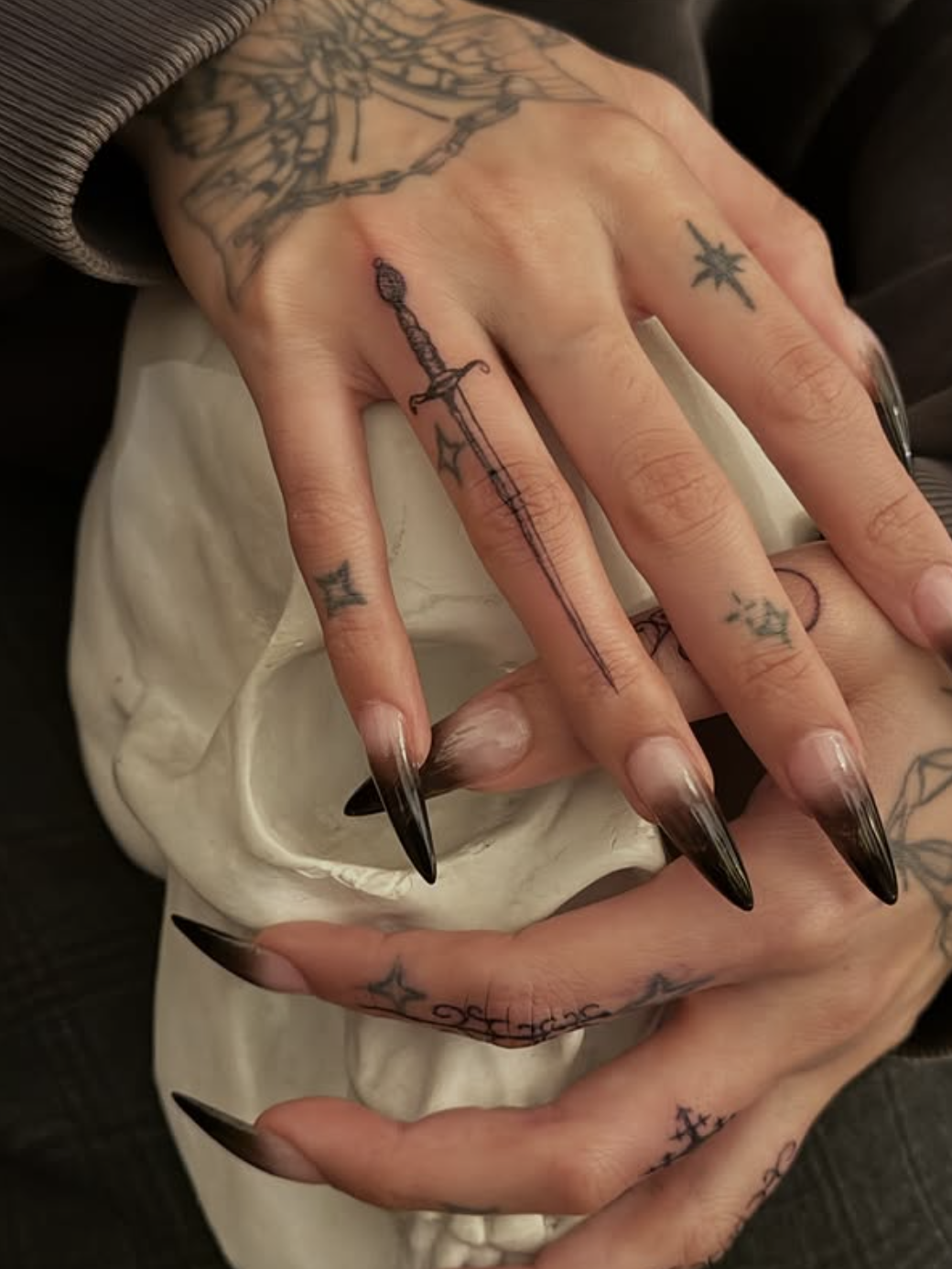
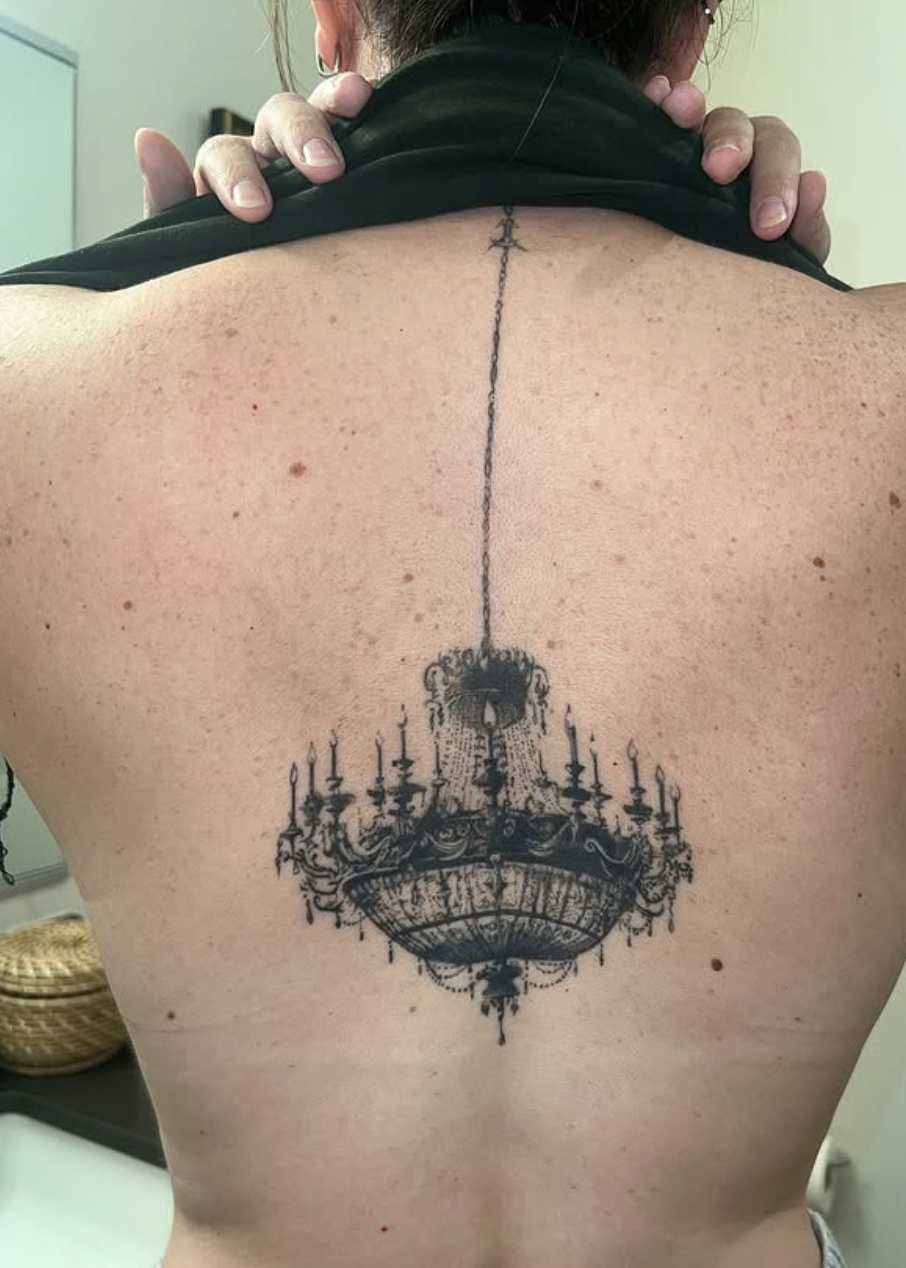
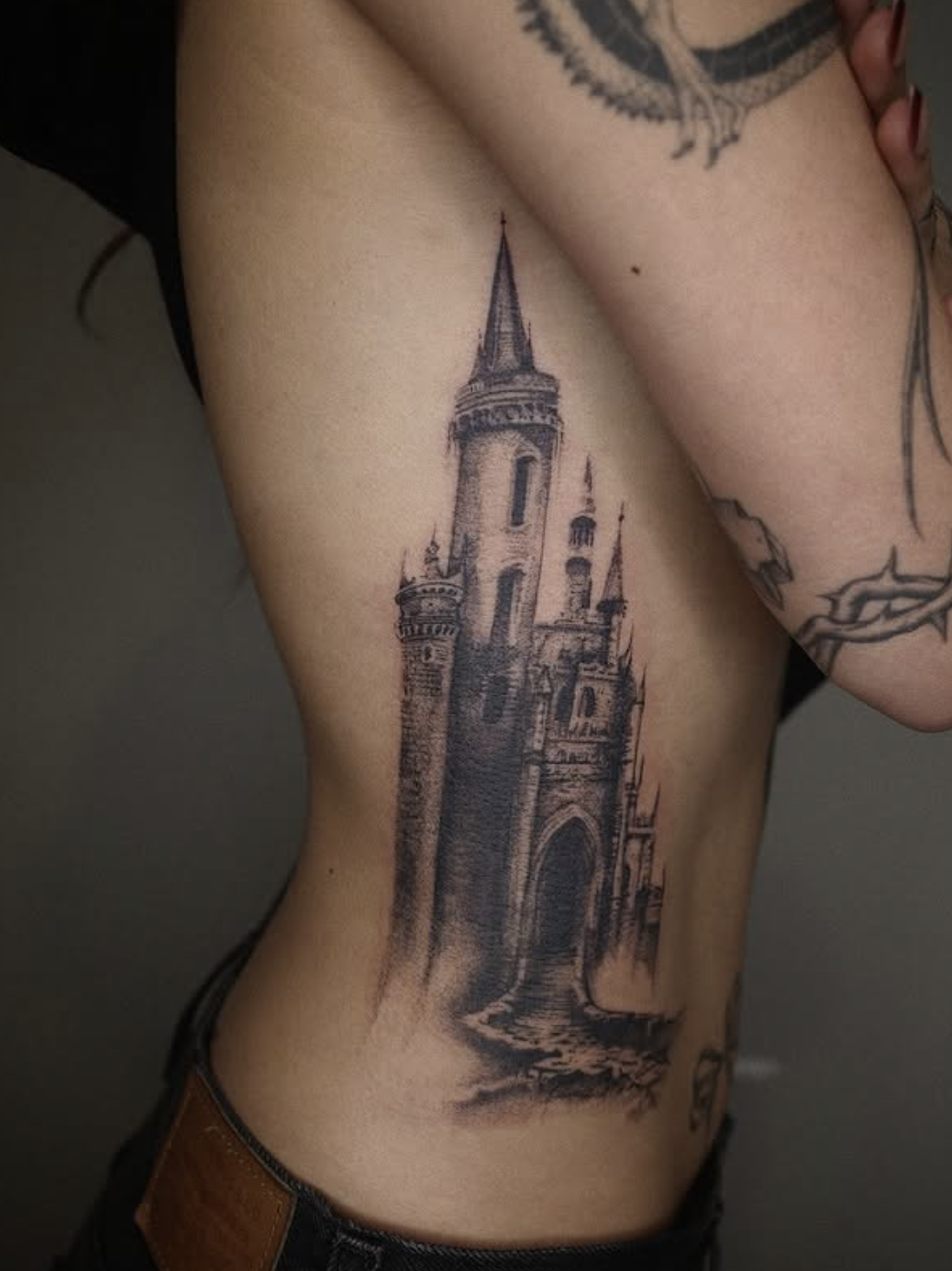
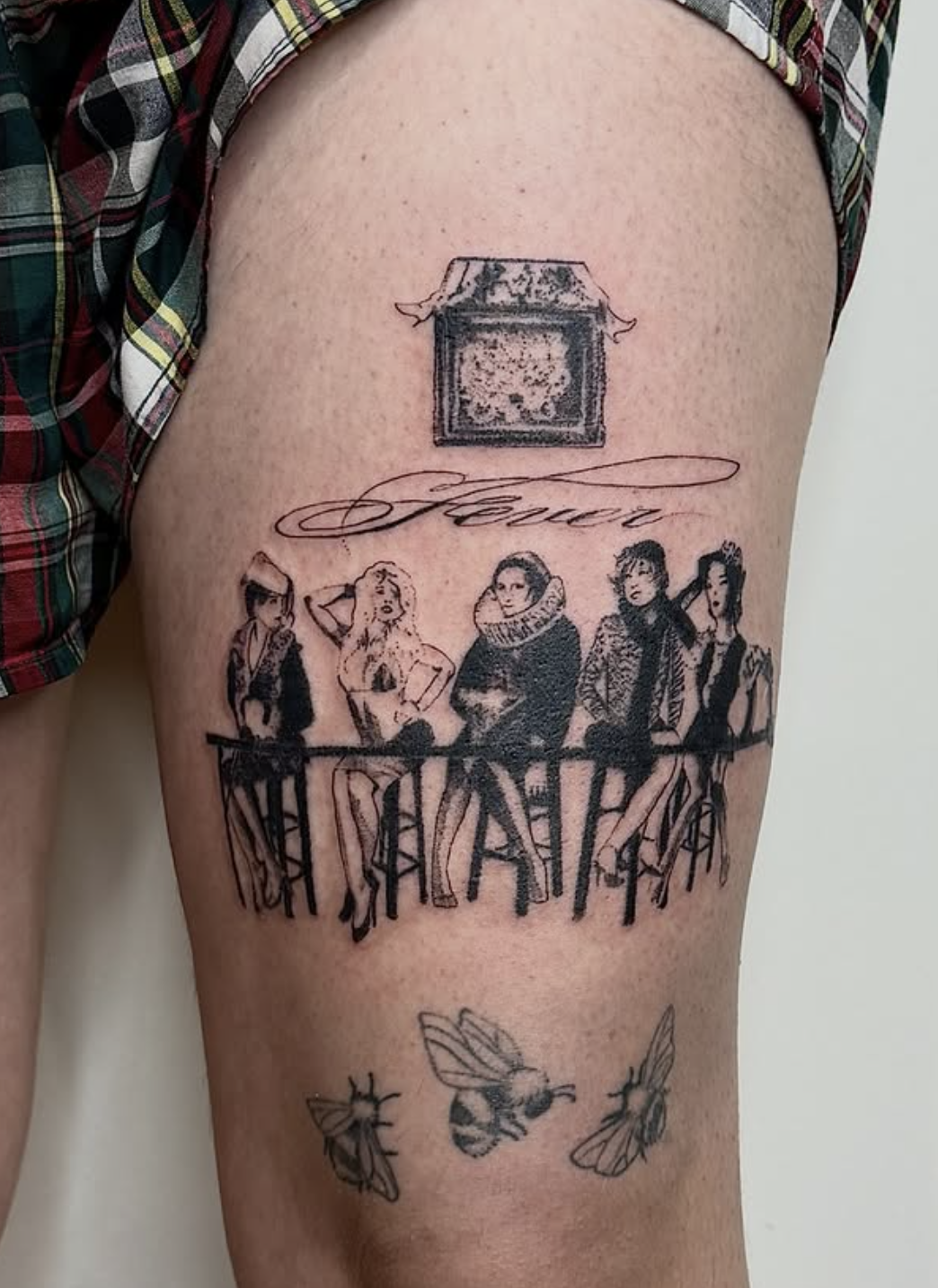
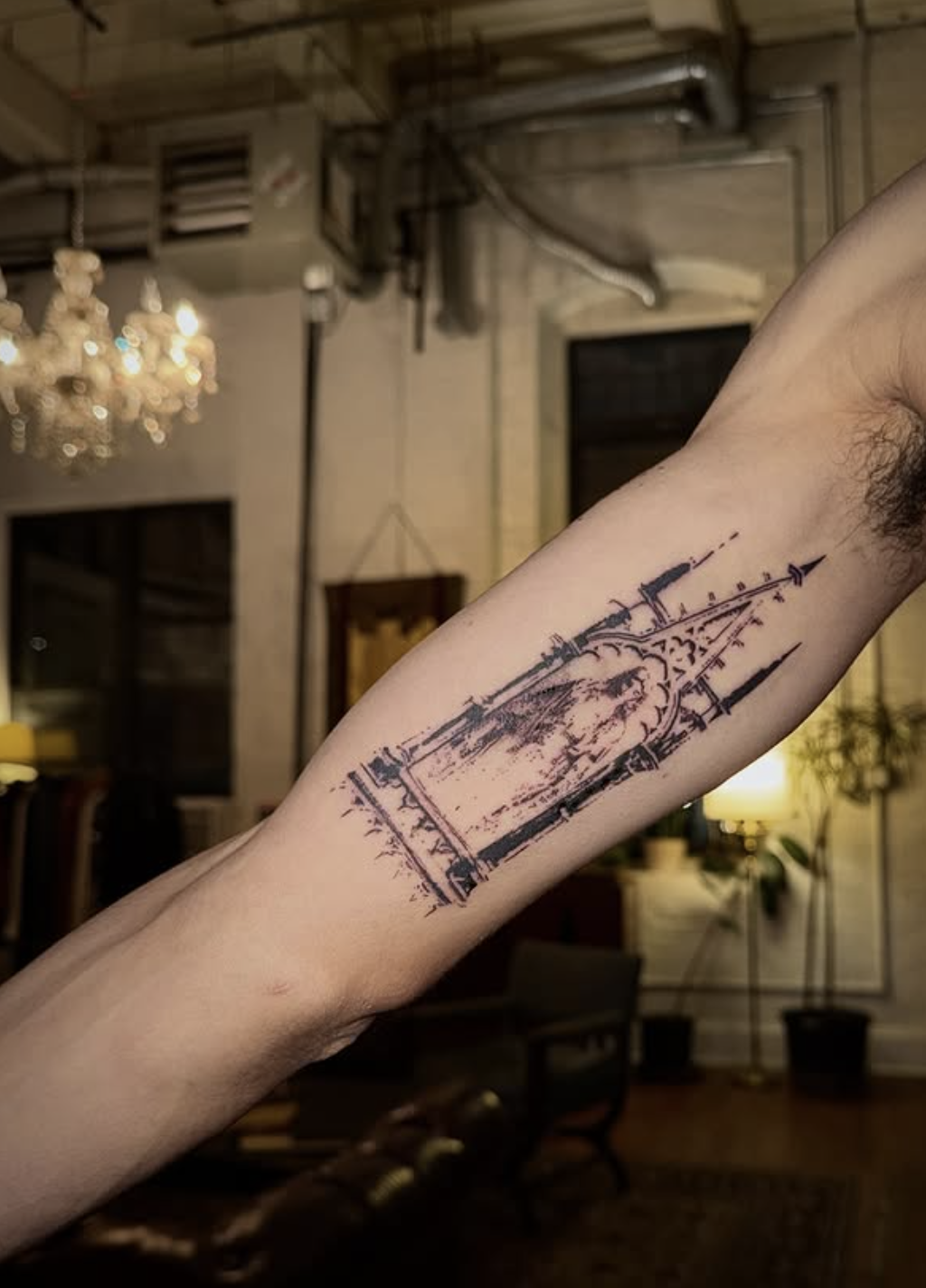
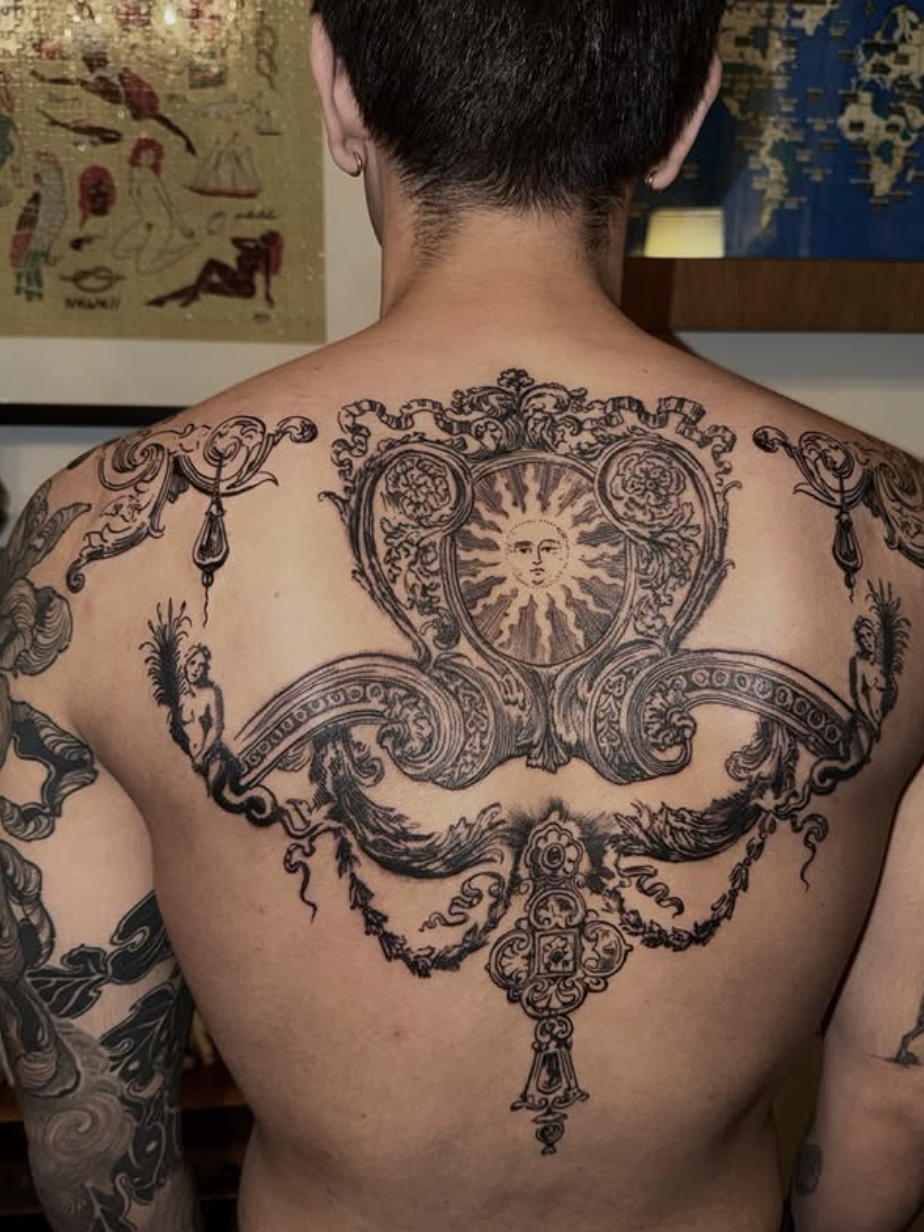

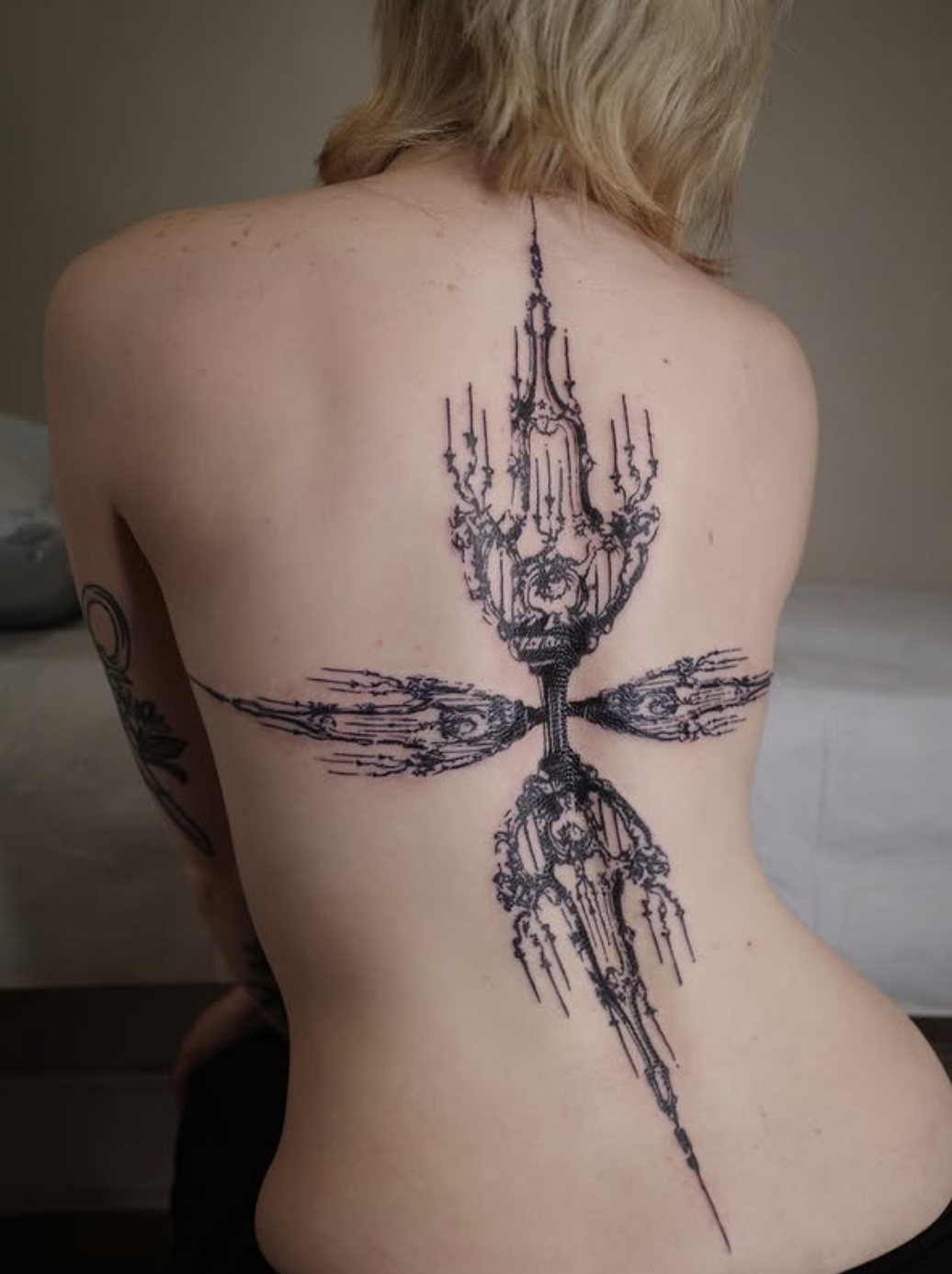
Tattoo images courtesy of @lucky.you.tattoo; image of Jasmine tattooing is courtesy of @unholyroman.
The throughline aesthetic of your work appears to be informed by vintage and antique imagery. What originally drew you to that visual language, and how does that sensibility show up in your life beyond tattooing — in the way you dress, decorate, collect and/or move through the world?
For my process, it’s important for me to put myself in my clients shoes. I want to give my client work that I too would wear permanently. I think I gravitate towards vintage and antique imagery because of its timelessness. Nodding to classical art with anatomy driven designs, so my clients can wear something that they will resonate with as they age and trends fade.
Growing up, my mother and aunts decorated their homes with baroque and rococo style furniture pieces. Ornate mirrors, seats, tables and moldings lit by chandelier light fixtures. I’d trace my fingers around intricately carved wooden furniture pieces as a child and fixate on the hidden figures and faces I’d find in the carvings. It feels nostalgic to incorporate pieces like this into my home now. I’m constantly seeking new vintage pieces to add to my clothing collection and have a pretty hefty vintage jewelry collection growing.
Where do you typically look for reference and inspiration when developing a piece? Are art museums, architecture, historical texts, or specific eras part of your research process?
My running joke is “anything and everything is flash”. I find inspiration truly anywhere I can, from books to museums to facade sculptures on old buildings and even broken glass on the side of the street. It’s truly a privilege to live in New York, where inspiration for a new piece is right around the corner. I also enjoy leaving town with my best friend, hitting up antique malls, buying vintage books and taking a million photos in the process for inspiration.
If you could speak to your younger self at the very beginning of your tattoo career, what advice would you give her about craft, confidence and finding your voice in the industry?
First, I would give her a hug and let her know that all the sacrifices will eventually pay off. The long hours and hard work will be worth it. This craft, like most mediums, only understands the currency of time and energy. If you put the time in and genuinely want it, you’ll get there eventually. Don’t be afraid to ask questions and connect with the tattoo community.
Confidence comes with time and is built off the back of your experiences. Advocate for yourself, enjoy the process, experience your early tattoo journey lore (because we’ve all got stories) and be kind to yourself. You’ll get there. Finding your voice will be hard and confusing, and you’ll doubt if you have a voice that should be heard at all. Remember what your purpose in this industry is, and that’s to do right by your clients, help them bring their ideas to skin, and do that with love and compassion.
Miranda Boire
@miranda_boire_tattoos, Liquid Amber Tattoo & Art Collective,Vancouver, British Columbia
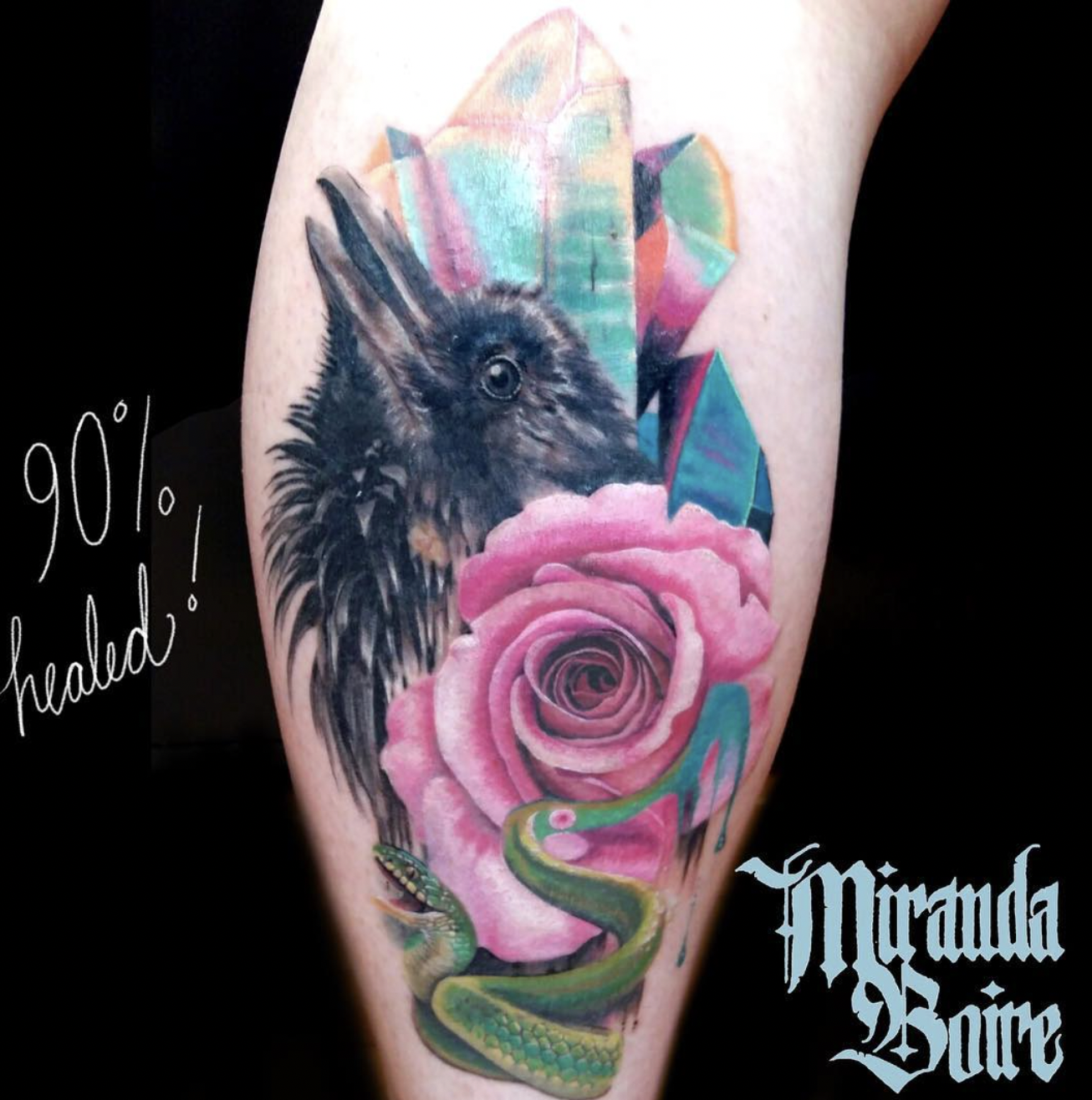
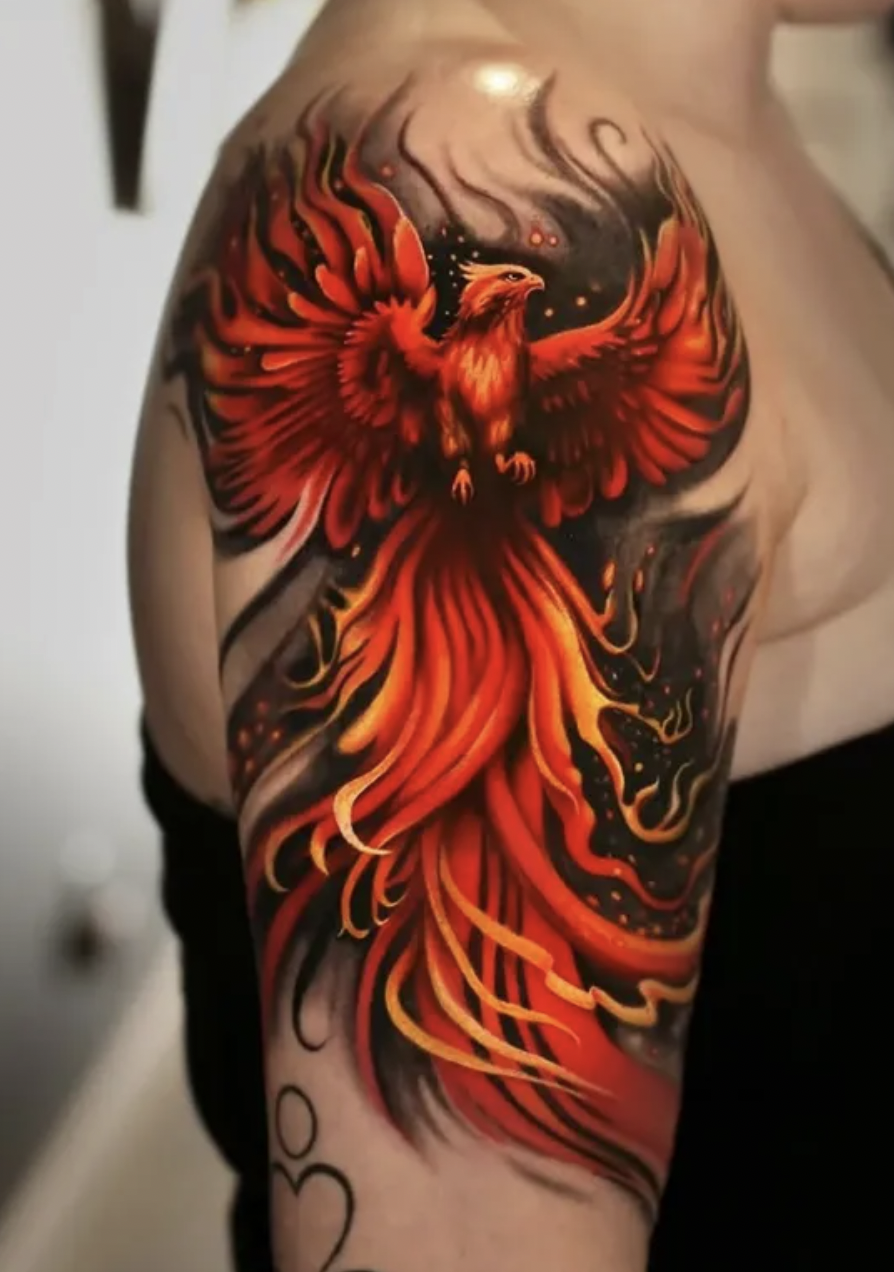
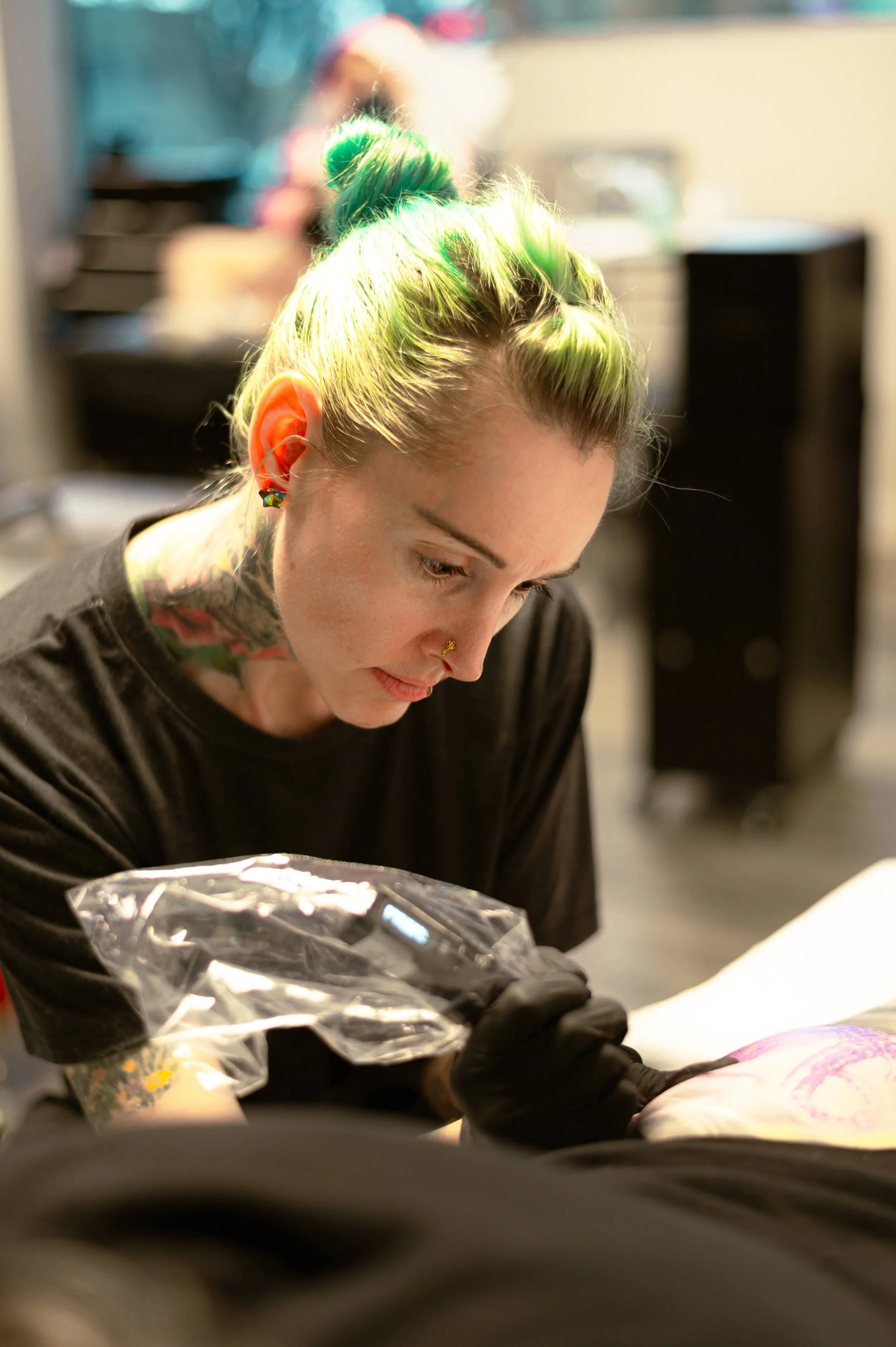
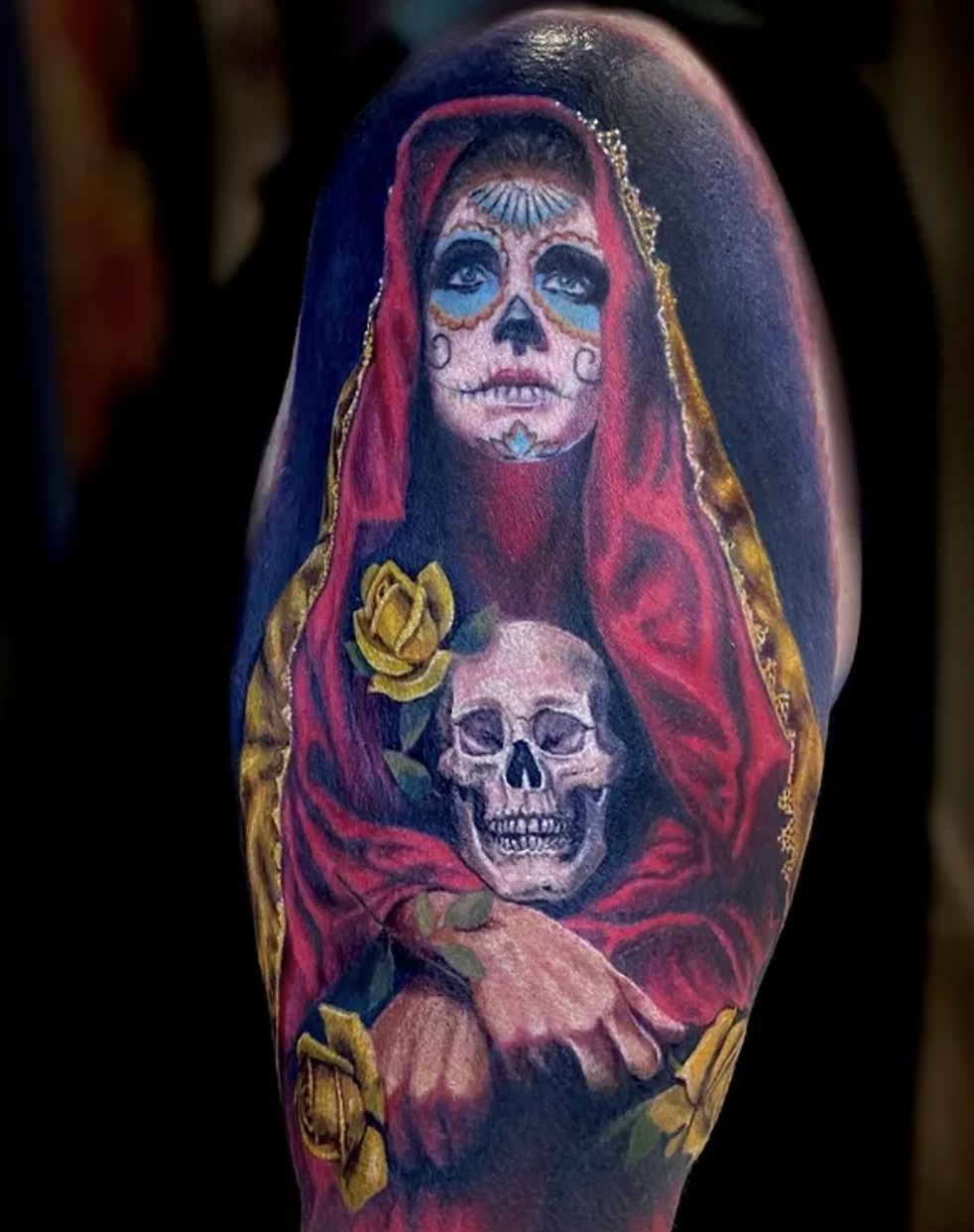
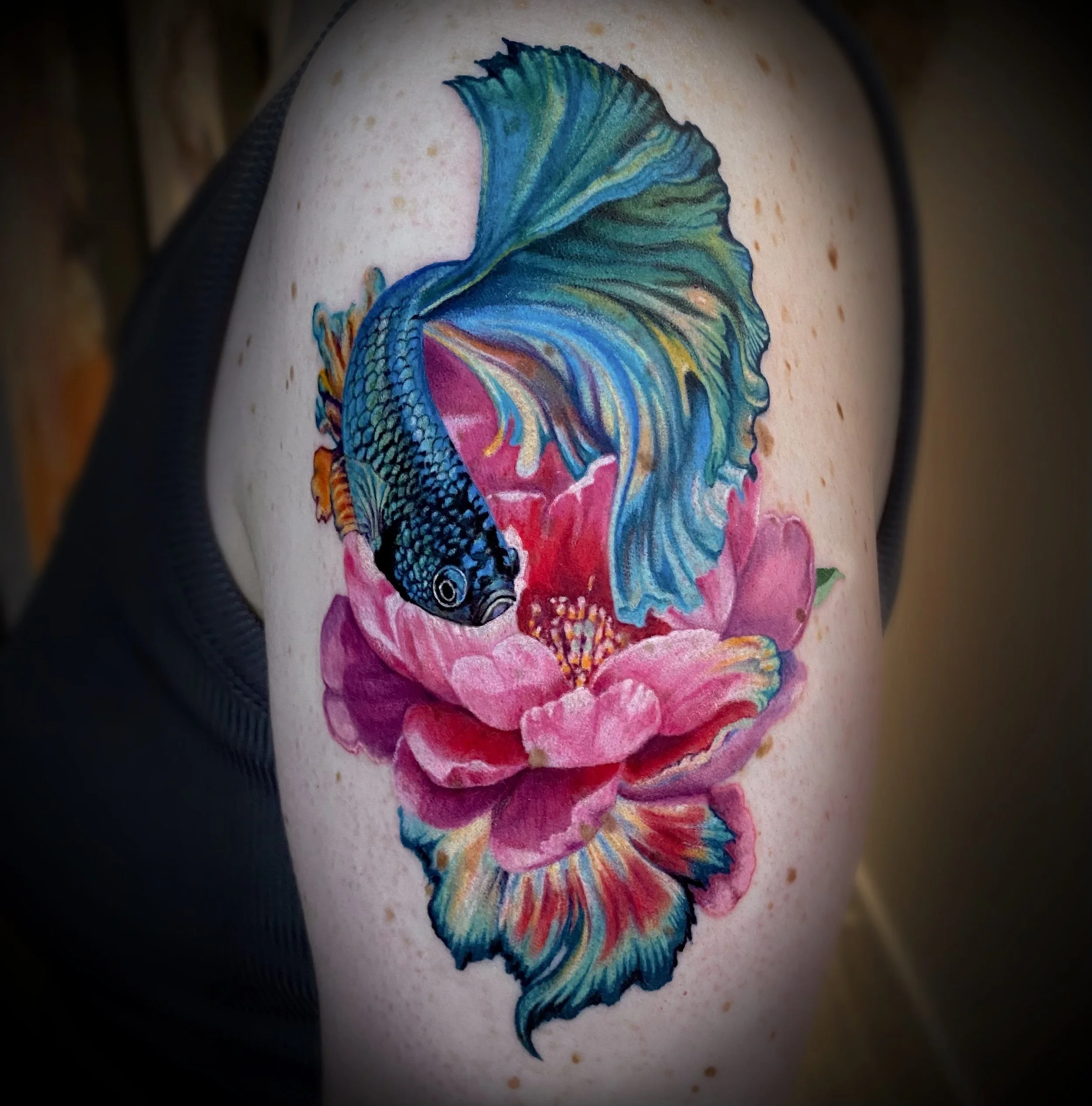
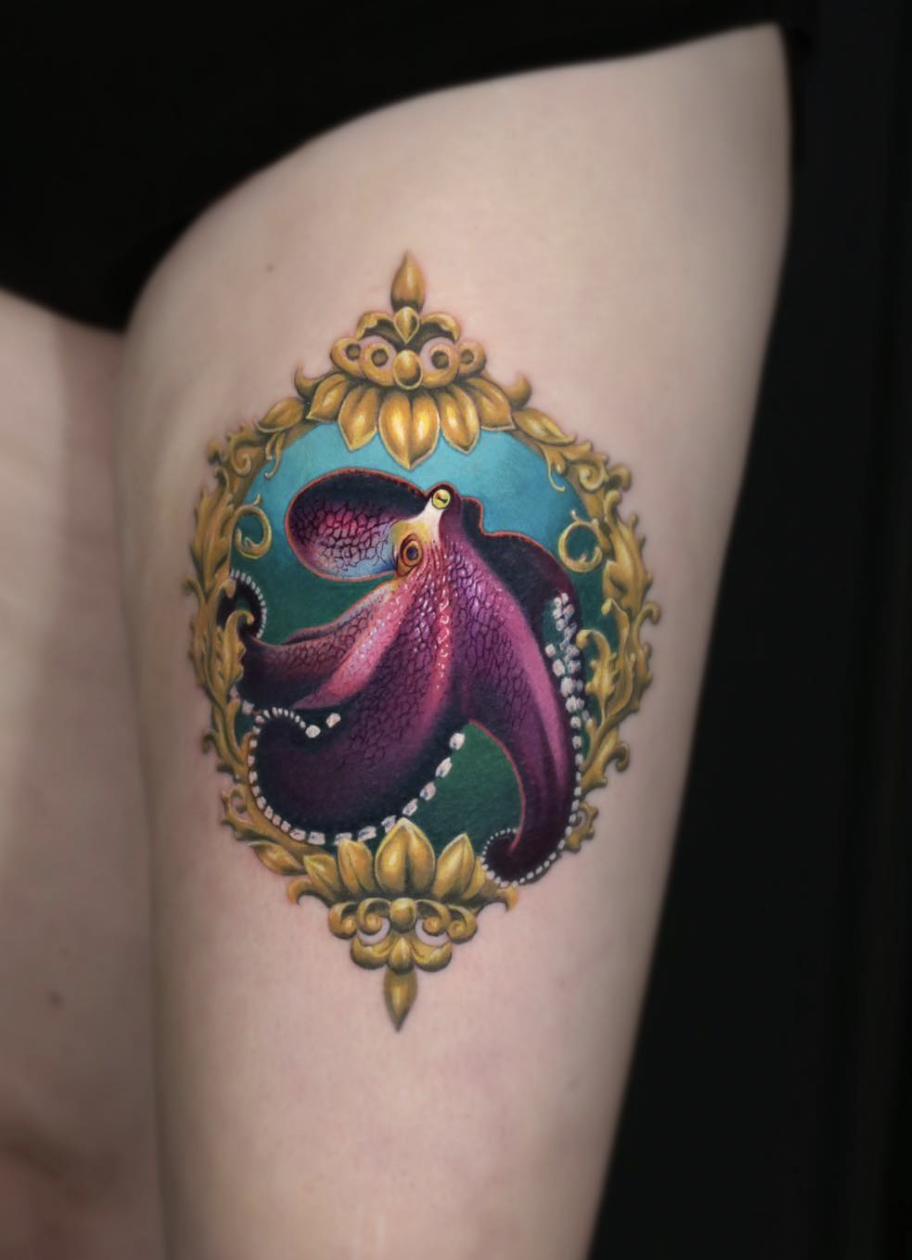
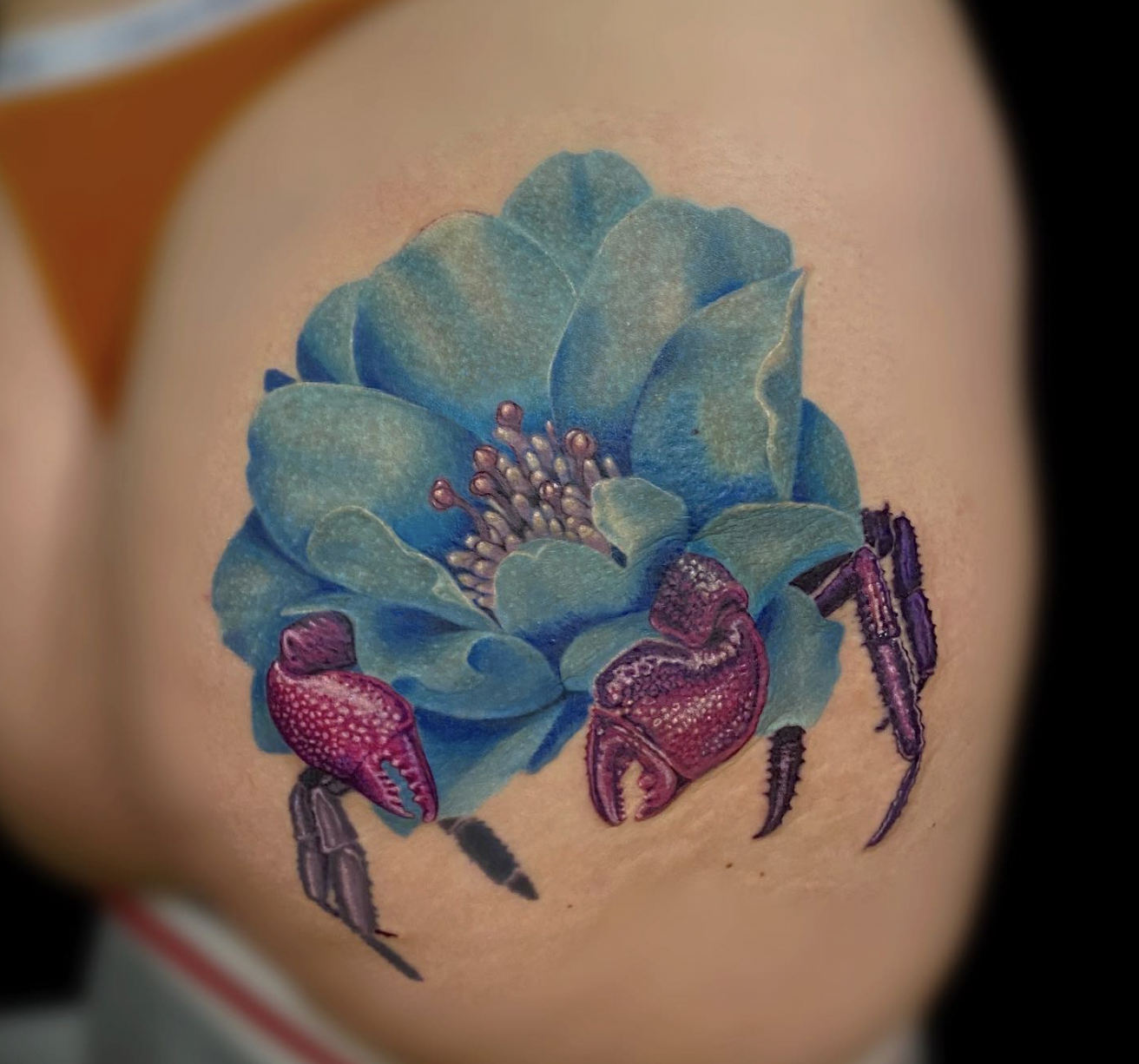
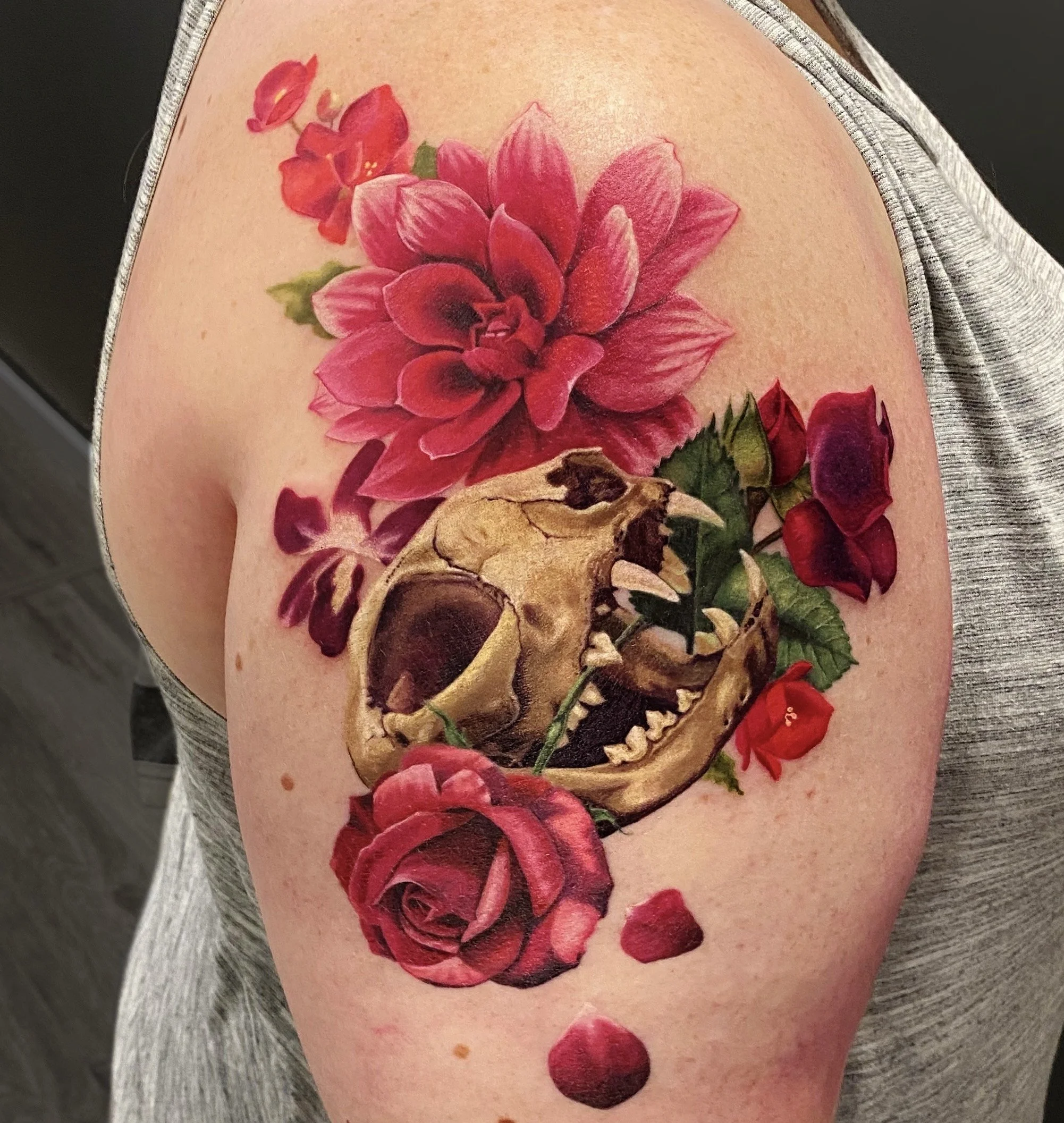
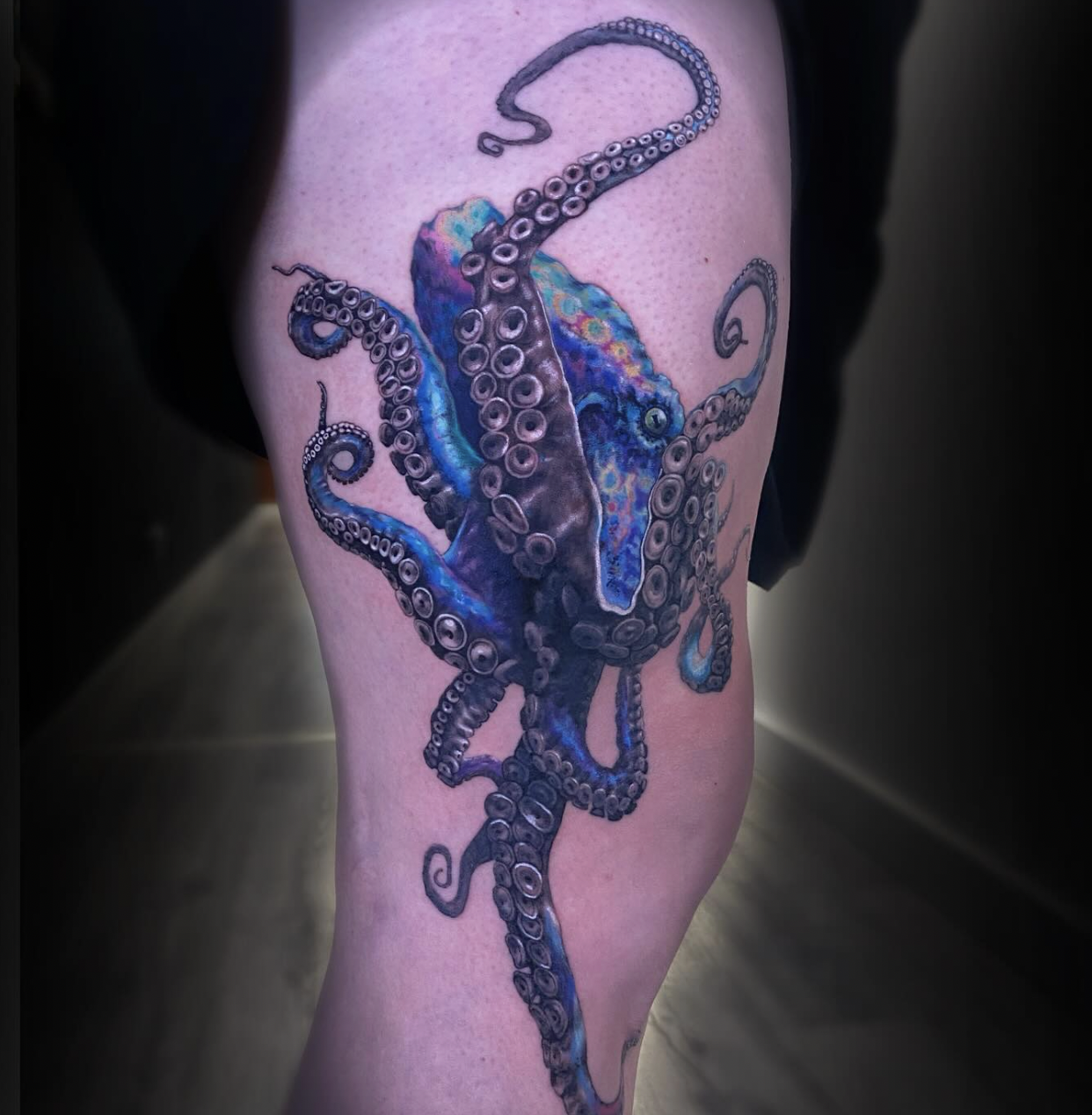

All images courtesy of @miranda_boire_tattoos.
Your work balances softness with precision in a way that feels immediately recognizable. Can you tell us about your path into tattooing, and how your early creative influences still surface in your work today?
Growing up in the household of a fine artist, my mother, I was influenced by her influences. Namely pre-Raphealite painters, and classical nudes sculpted by the old masters in Europe. Mom sculpted in stone and clay, cast sculptures in bronze and painted realism with oil. So I started drawing portraits and nude ladies in elementary school, focusing on realism. I would spend hours staring at the pages of her art books at home, imagining the stories behind the painting, living inside the paintings in my mind. When I was ten we moved across the street from a glassblowing studio and eventually I became a glassblower, so symmetry, balance and the way colour and light interact certainly became important to me. But tattooing isn’t like painting or drawing. There are limitations to what you can do in skin. So finding how to express myself in this medium, has been a career long journey so far, and to me it has to take a back seat to a clients specific needs. At the end of the day, if there’s some of me in your tattoo, and some of you, you love it and I’m proud of the work, that’s peak success to me.
When you begin a new tattoo, what guides your decision-making first — composition, colour, emotional tone, or the body itself — and how do those elements come together during the process?
Usually a client has desires when it comes to those things. Whether you’re inspired or not, it’s your job to make them work, if possible. Obviously my ideal circumstance is to have people always want original compositions I’ve created privately, but that’s just not the job of most tattooers. Most people know what they want, or at least have a vague vision. Part of the work is to identify with them the kinds of things you’ve asked about. ‘You want a character, okay, does this person have a mood? Do they look angry/sad/forlorn/happy? Which colours are your favourite? Do you want it to be a dark tattoo, or light and bright? How far to the back of your leg do you want to see it? Do you want it to wrap around or only be seen from the front?” Etc etc. Then, you can make as polished a design as possible, but on the day of the appointment, you have to be ready to potentially tailor it to fit the clients body better, or to accommodate the client if they’d changed their mind about something.
As tattooing continues to evolve, what excites you most about its future — whether in technique, storytelling, inclusivity, or how people choose to mark their bodies?
I’m excited that the current state of the industry compels me to do better, be a better artist, expand my skill set.
Here is my own prediction for the future of this industry; as more and more new, talented artists flood in, the bar for expertise in all styles will continue to rise, as will the bar for customer service.
We are over saturated with artists. Less skilled artists or less customer-service-minded artists will get less work, because people can shop around. Shops will close if their artists can’t compete. The cream of the crop will survive and thrive. The rest will have to either level up, or give up. Balance is needed.
I’m looking forward to seeing how things are after that time, and who is flourishing.
Taken together, these interviews offer a practical view of tattooing as both craft and business, art and science. These artists speak candidly about preparation, studio culture, client communication and the standards they hold for their own work, offering insight into a world many only understand at a surface level.
On World Tattoo Day, devotion is worth considering. In tattooing, as elsewhere, sustained creative work depends on discipline, and discipline is built through process, structure, grit and a clear understanding of the business behind the art.
Subscribe below to receive our free monthly digital issue, where conversations like this continue to unfold.