The Ache of Unrequited Love: A Study in Limerence Through Film
Stories that unravel the torment of longing
By: The Lace Ledger Staff

Limerence often begins with attention before it becomes attachment as the body learns the rhythm of anticipation long before it knows whether desire will be returned.
Ordinary moments start to feel charged once the imagination takes over the work of intimacy. Fantasy grows persuasive because it cannot correct itself.
Film understands this progression instinctively, lingering on glances, pauses and missed timing rather than neat resolution. This watchlist traces those moments where longing sharpens the gaze and teaches us how desire learns to look.
The Watchlist
Wuthering Heights (2026)

Emily Brontë’s gothic romance is rendered cinematic through Heathcliff’s lifelong fixation on Catherine, a bond that defines identity outside of companionship. Obsession here is elemental, surviving loss, time and even death.
Dracula: A Love Tale (2026)

Francis Ford Coppola reframes Bram Stoker’s myth as tragic romance, driven by Gary Oldman’s immortal longing. Limerence becomes eternal once desire detaches from consent and consequence.
Baby Reindeer (2024)

Richard Gadd’s autobiographical series confronts mutual obsession, shame and power through unfiltered self-exposure. Limerence becomes a closed circuit sustained by vulnerability and harm.
You (2018-2025)

Penn Badgley’s Joe Goldberg narrates fixation using the language of romance while enacting control and surveillance. Obsession survives by rebranding itself as care.
Ingrid Goes West (2017)

Aubrey Plaza leads a social-media satire that examines fixation through identity theft and performance. Limerence dissolves the self when admiration replaces authenticity.
La La Land (2016)
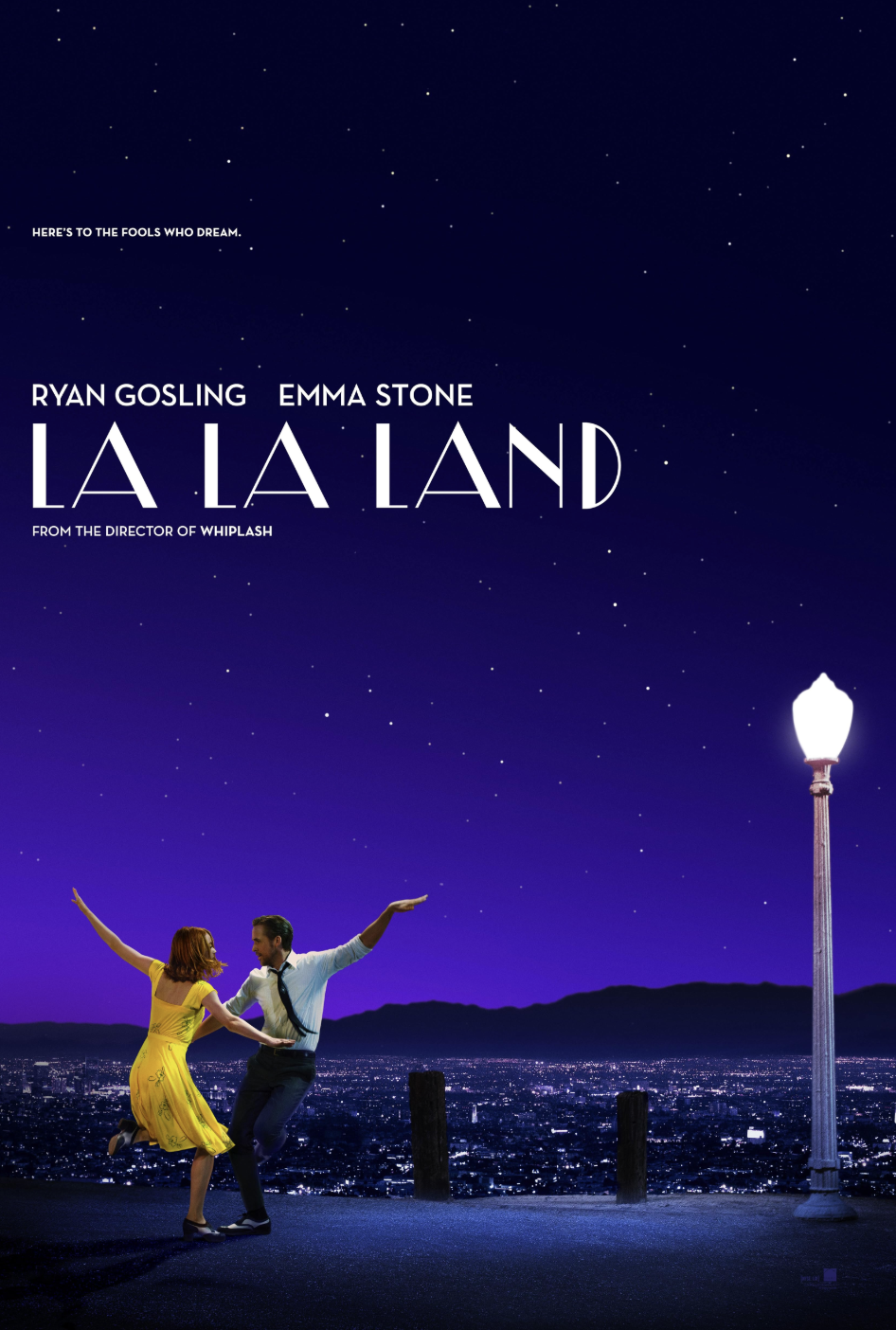
Damien Chazelle pairs ambition with romance in an Oscar-winning fantasia led by Emma Stone and Ryan Gosling. Limerence appears as devotion to a shared dream that proves incompatible with lived reality.
The Great Gatsby (2013)
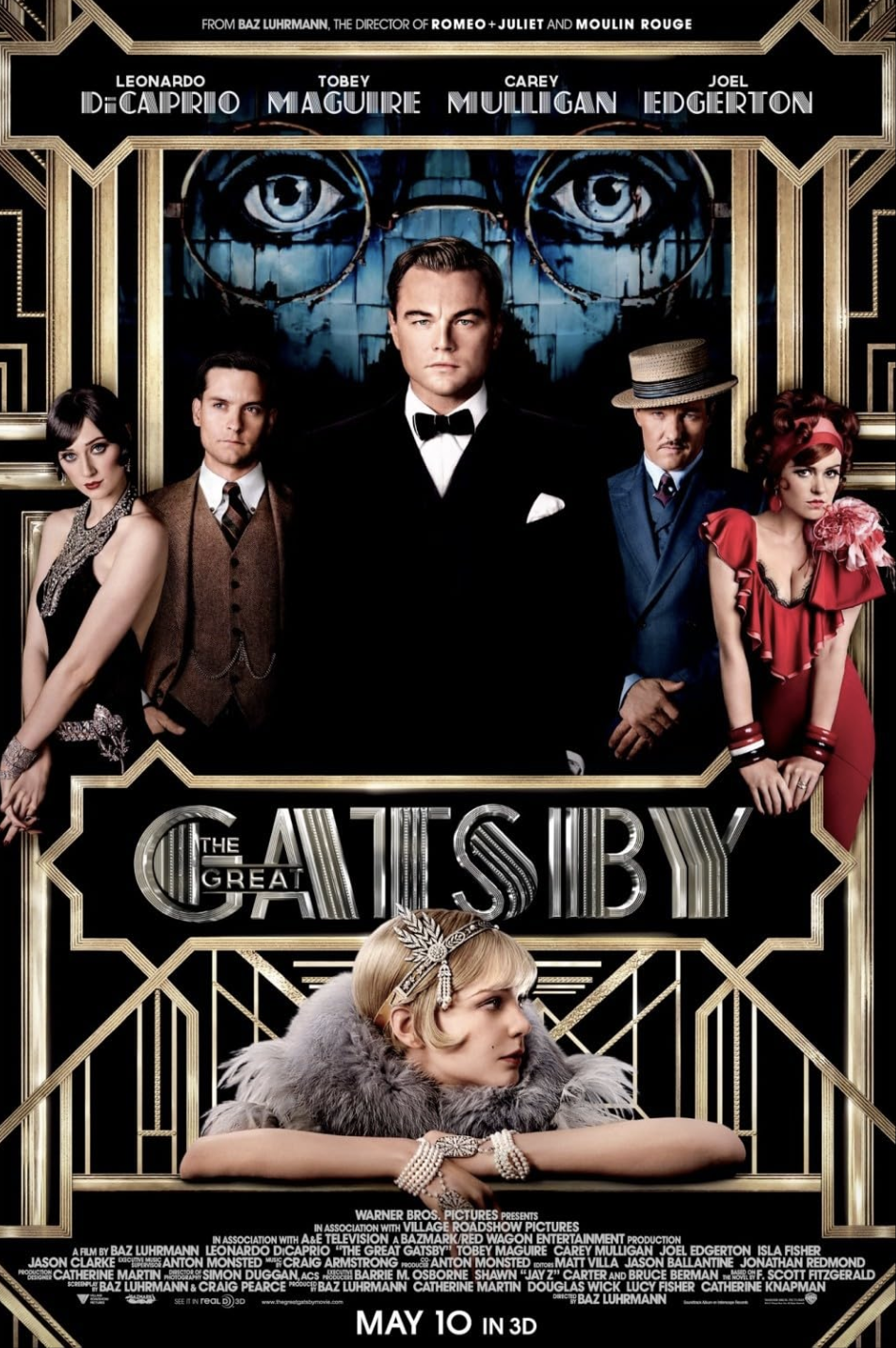
The ultimate study in limerence, Baz Luhrmann transforms Fitzgerald’s novel into decadent spectacle led by Leonardo DiCaprio. Desire remains frozen on an idealized past that cannot be reclaimed.
Her (2013)
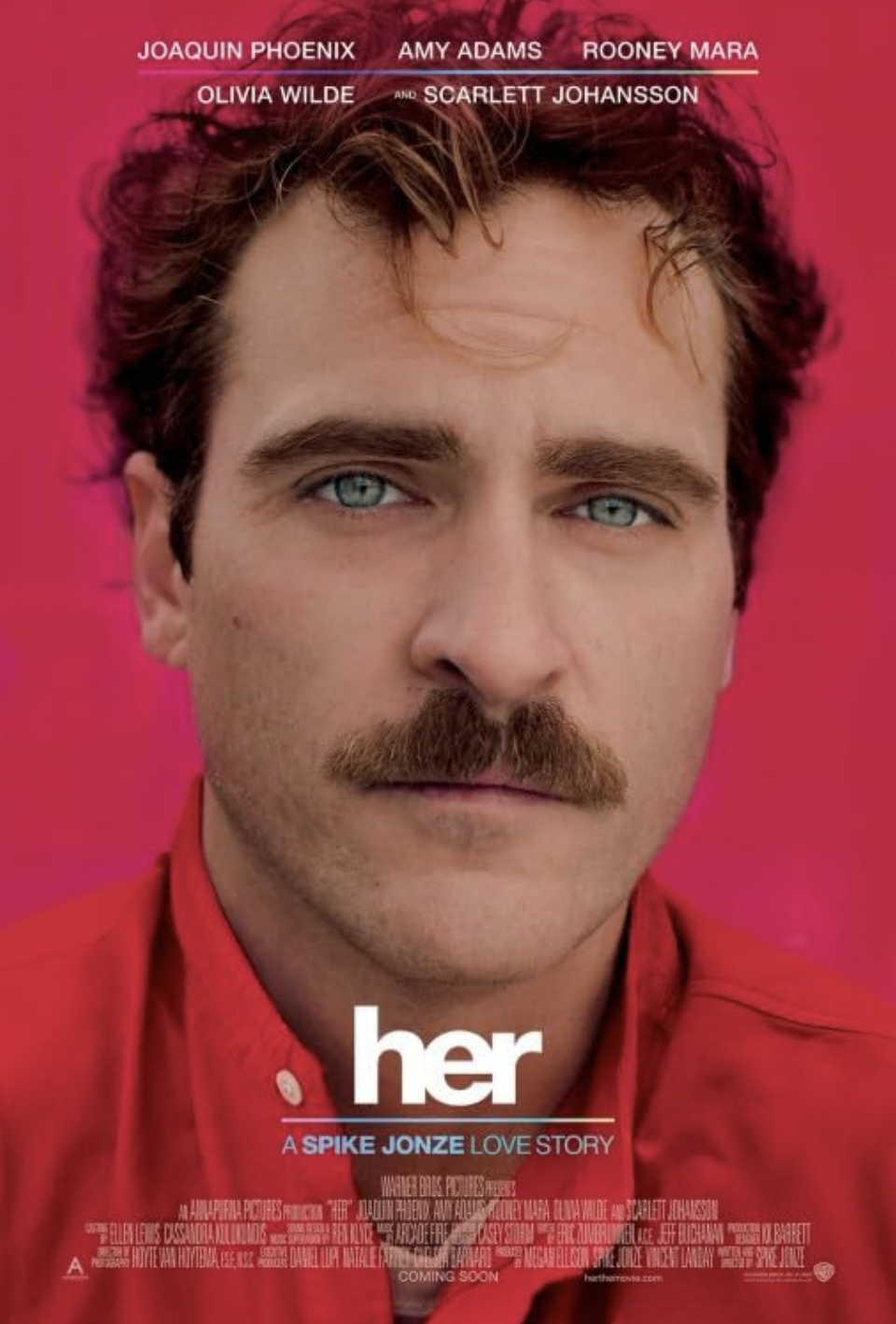
Spike Jonze’s Oscar-winning screenplay imagines intimacy between a man and an operating system. Limerence thrives when the beloved cannot fully exist.
One Day (2011)

Adapted from David Nicholls’ novel, the film traces two lives intersecting annually across decades. Desire stretches itself thin through timing rather than fixation.
The Tourist (2010)

Angelina Jolie and Johnny Depp orbit each other inside a glamorous misdirection. Desire functions as lure rather than attachment.
Closer (2004)

Mike Nichols stages relational cruelty through language adapted from Patrick Marber’s play. Obsession circulates endlessly without resolution.
Eternal Sunshine of the Spotless Mind (2004)
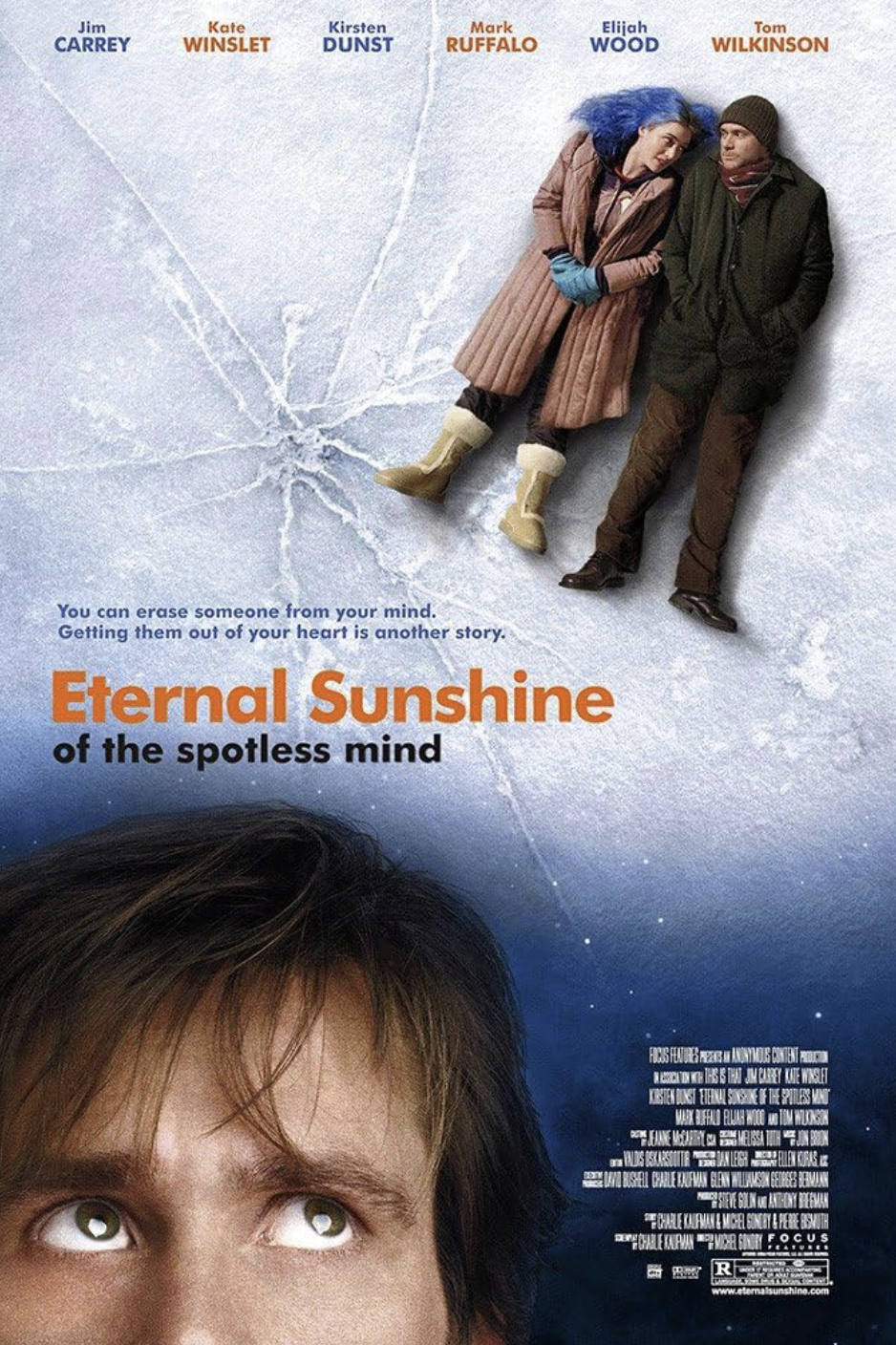
A flesh-and-blood litmus test for “I’ll find you again in every lifetime,” Jim Carrey and Kate Winslet fracture romance through memory erasure, earning an Academy Award for Best Original Screenplay. Obsession persists even when love is deliberately forgotten.
The English Patient (1996)

This Best Picture winner situates romance amid war and loss. Obsession survives because it is sealed inside catastrophe.
Forrest Gump (1994)
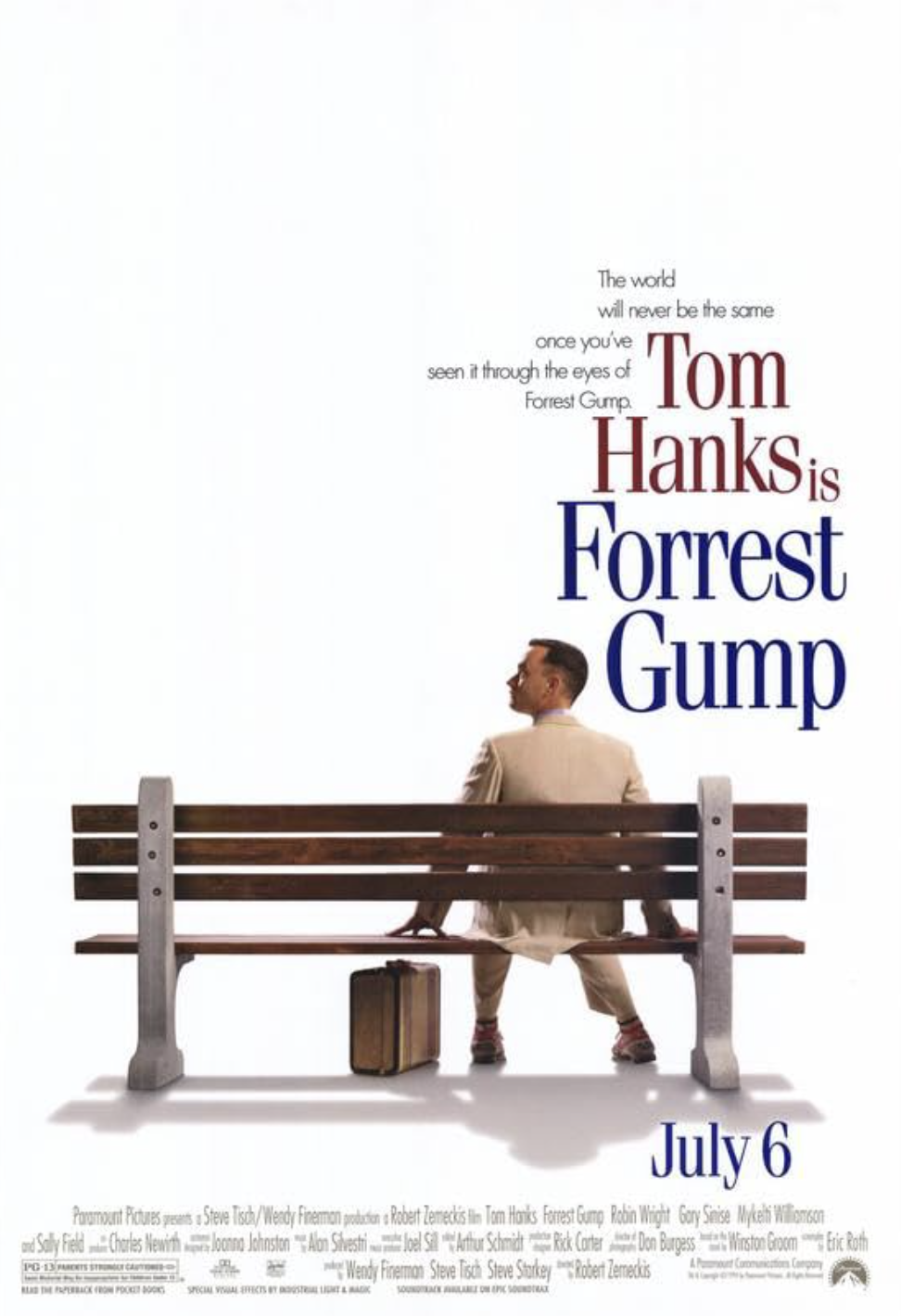
Robert Zemeckis charts a life shaped by devotion across decades, earning multiple Academy Awards. Obsession is recoded as loyalty sustained by endurance.
Edward Scissorhands (1990)

Tim Burton’s fairy tale of otherness stars Johnny Depp as an impossible romantic figure. Love remains unattainable because the world cannot accommodate difference.
Misery (1990)
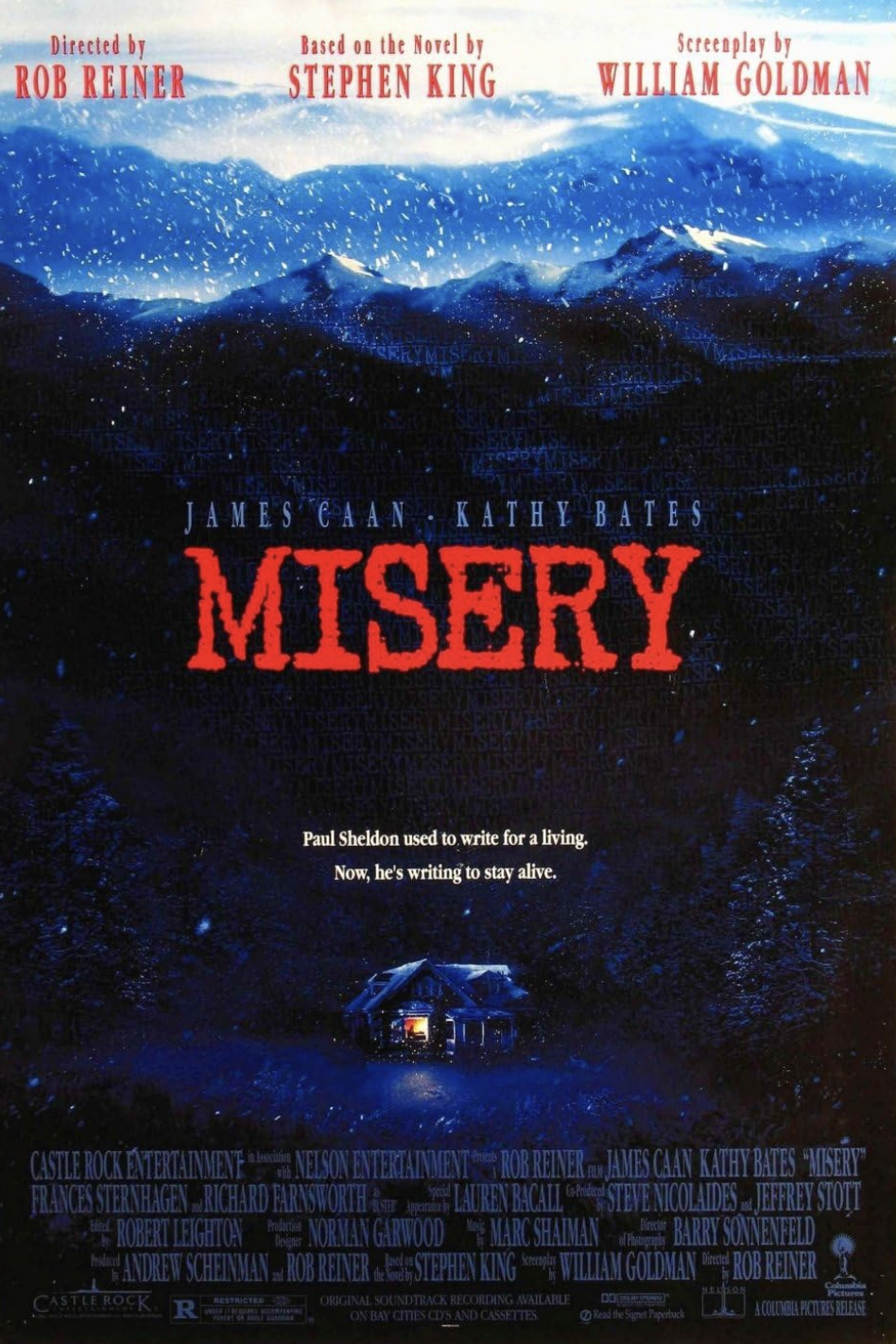
Rob Reiner adapts Stephen King’s thriller into a claustrophobic study of captivity, earning Kathy Bates an Academy Award. Obsession is framed as entitlement enforced by force.
Taxi Driver (1976)
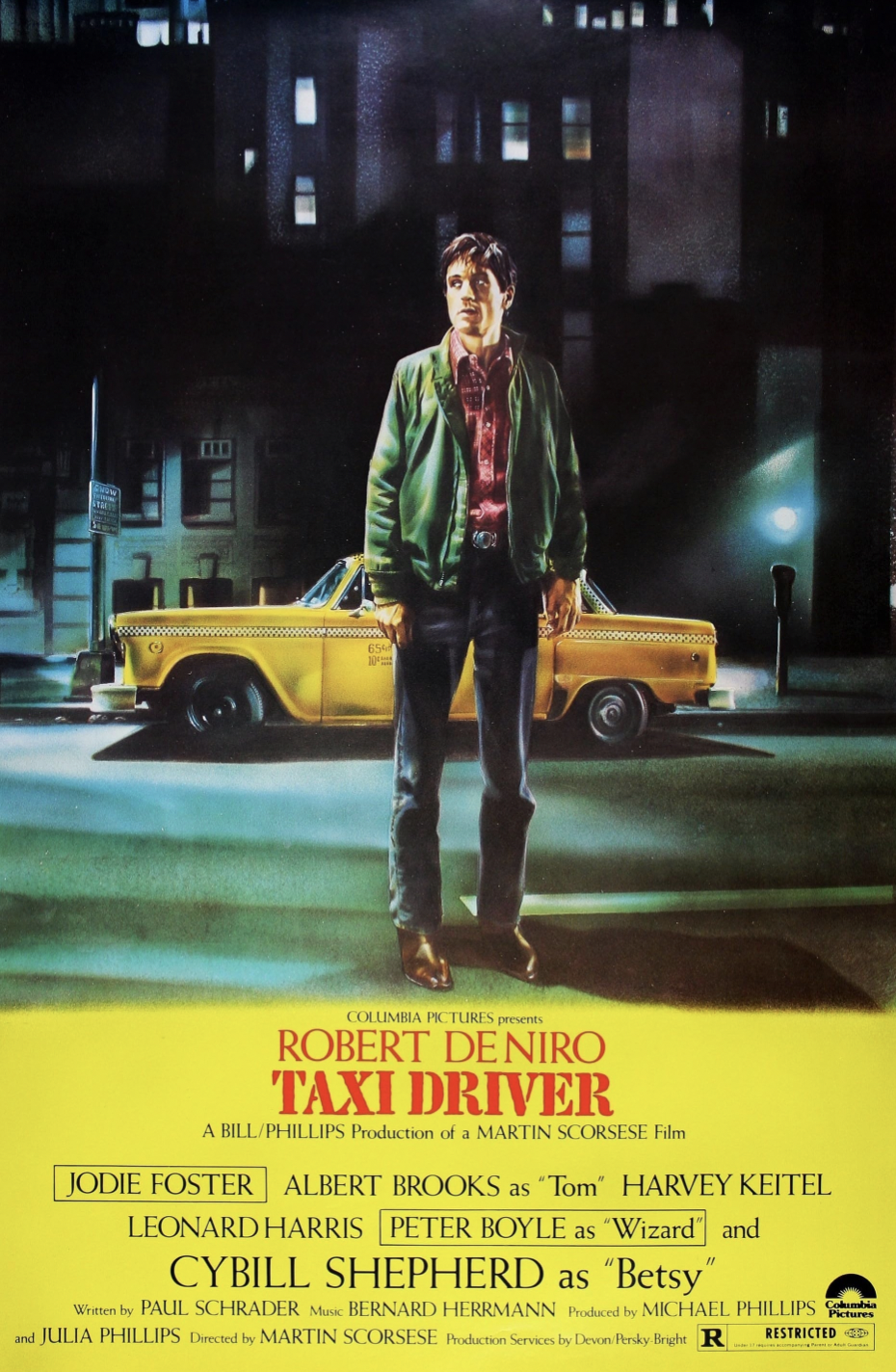
Martin Scorsese channels alienation through Robert De Niro’s Travis Bickle, reshaping American cinema in the process. Obsession manifests as moral delusion when longing fuses with violence.
Vertigo (1958)
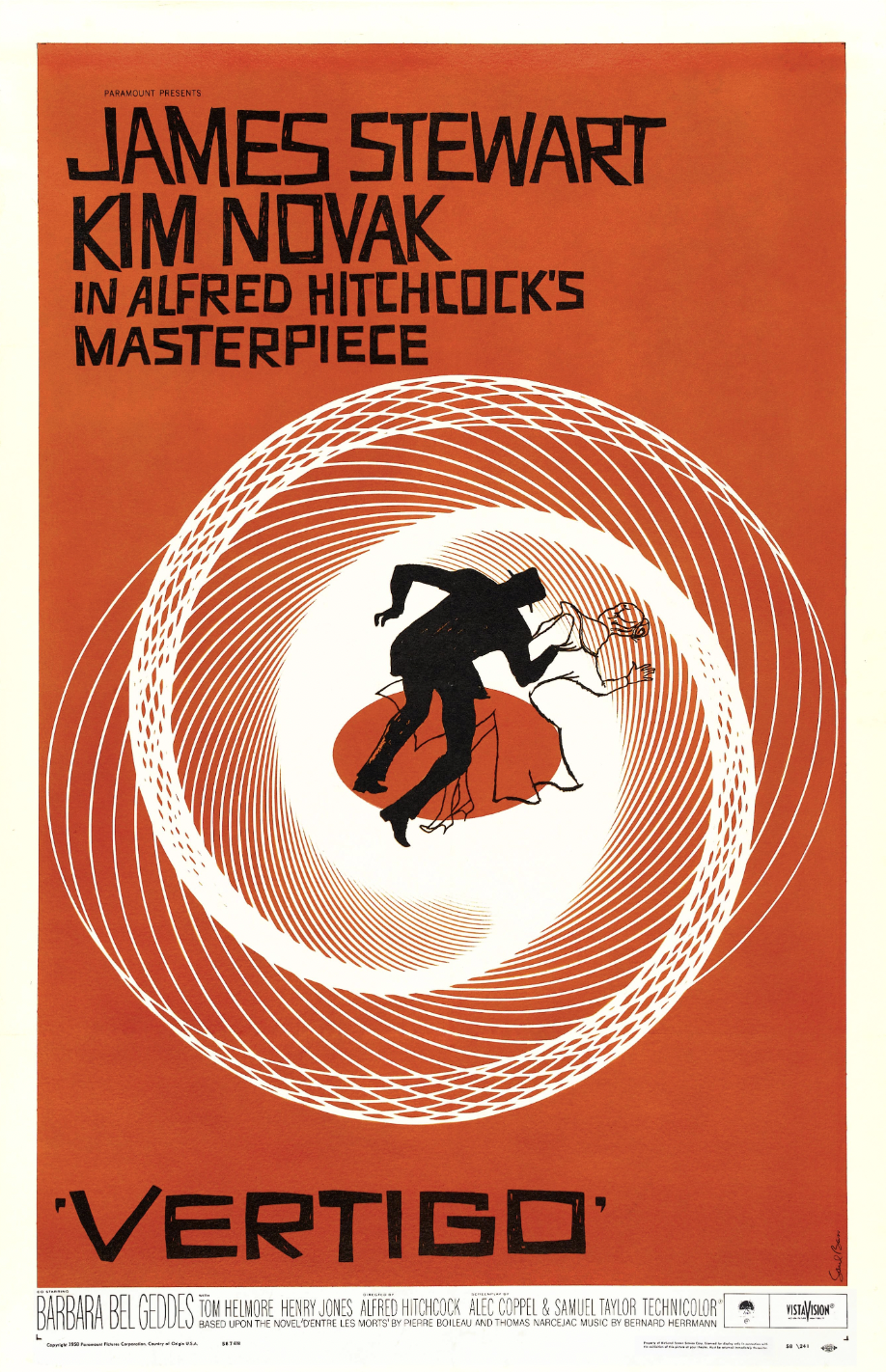
Alfred Hitchcock transforms obsession into visual grammar through James Stewart’s fixation on a woman constructed as image, memory, and illusion. Desire mutates into control once the beloved is reduced to an object of reconstruction.
An Affair to Remember (1957)
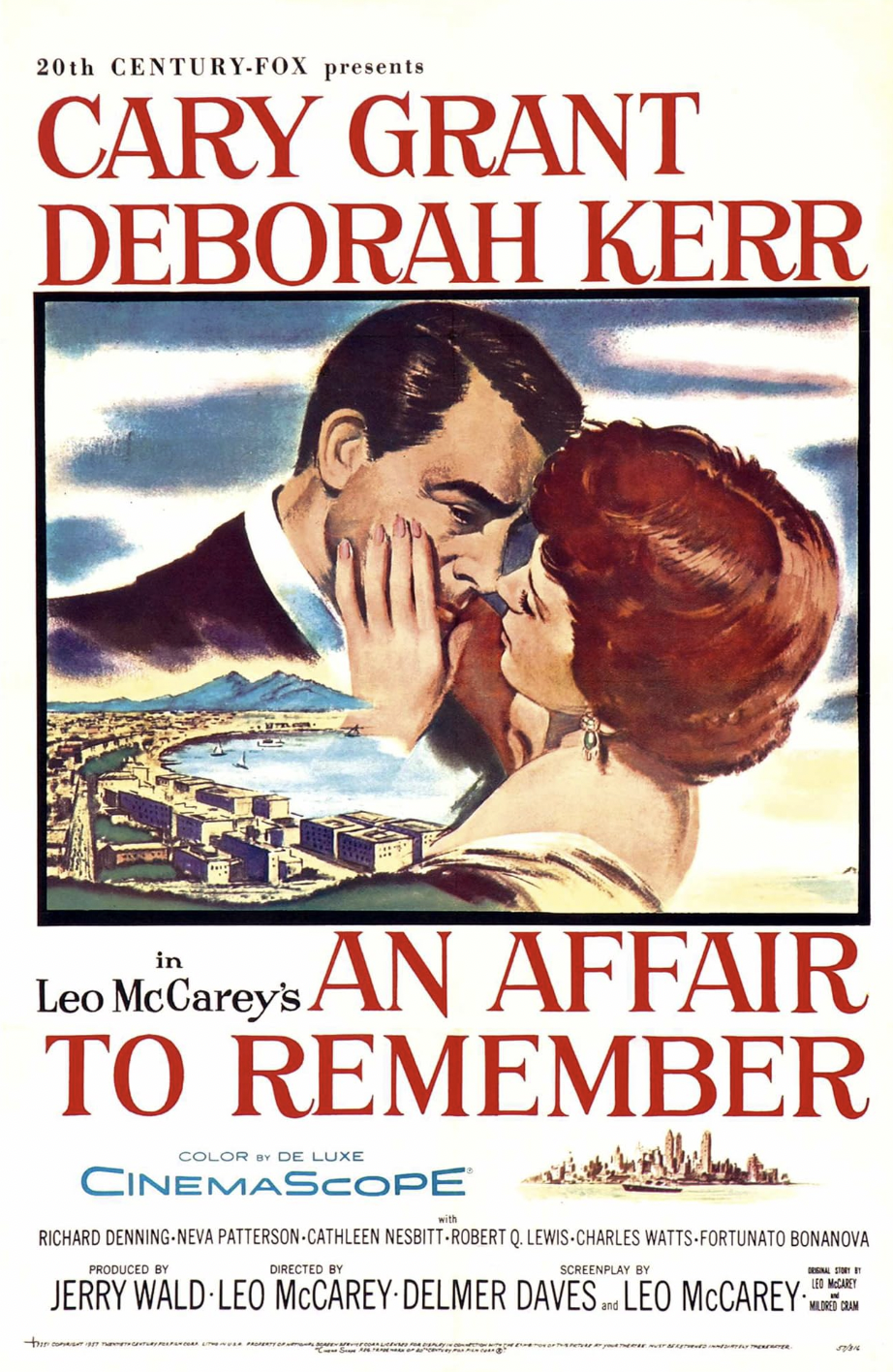
Leo McCarey’s classic romance defines cinematic longing through promise and delay. Desire survives by remaining unfinished.
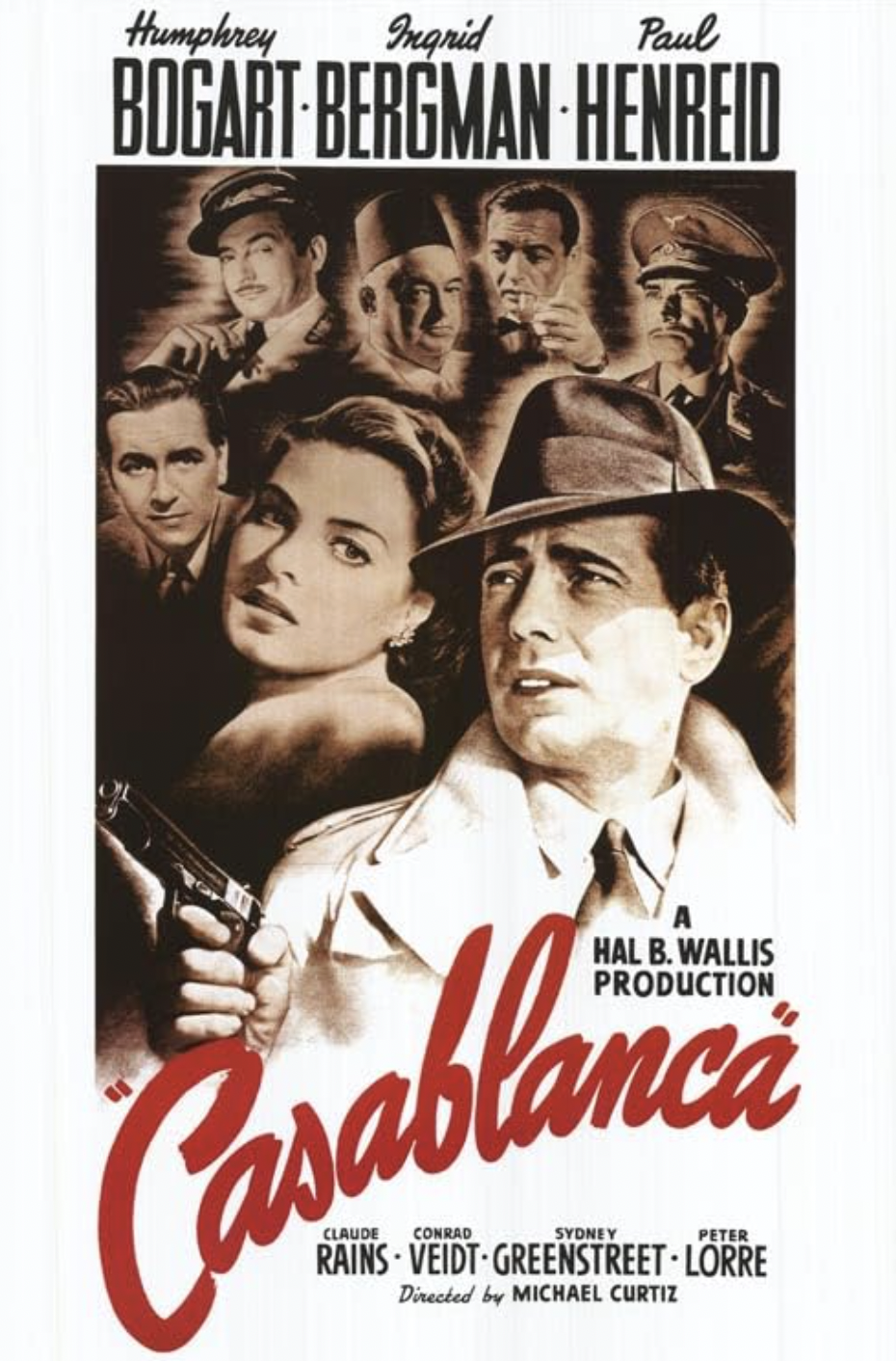
Michael Curtiz situates a love story inside wartime sacrifice, anchoring the film in performances by Humphrey Bogart and Ingrid Bergman that defined classical Hollywood romance. Limerence survives here because it is preserved by renunciation rather than fulfilled by choice.
Cinema returns to limerence because it captures desire without requiring it to resolve.
These stories give shape to wanting when it feels private, confusing, or difficult to admit. There is relief in seeing longing reflected with honesty, whether it is rendered beautiful or destructive. The ache becomes more bearable once it is shared.
Drop your favourite film about limerence in the comments and subscribe to receive our free monthly digital issue to your inbox including a first look at the latest in dark feminine film, the chance to vote on next month’s stories and a preview of upcoming giveaways.