The Mind, Reframed: A Watchlist Inside the Psyche on Screen
How 24 films portray mental health, harm and healing
By: The Lace Ledger Staff
Film has long been fascinated with the complicated workings of our inner selves. The portrayal of mental health on screen ranges from being cast as mirror for our deepest fears to empathetically-driven epilogs or funhouse distortions, depending on who is telling the story.
Some narratives offer care and complexity, while others lean into spectacle at the expense of truth.
This watchlist examines how mental health is framed across genres, decades and tones, from compassion to controversy.
Watchlist
Guillermo del Toro’s Frankenstein, 2025 (Grief, Isolation, Existential Trauma)

Del Toro reimagines Frankenstein as an intimate meditation on grief shaped by neglect, abandonment and betrayal rather than abstract monstrosity. The “Creature”’s psychological suffering emerges through prolonged social exile and the absence of care, positioning mental distress as a relational failure rather than an inherent flaw. The film locates responsibility with creators and systems, continuing del Toro’s thematic focus on tenderness denied.
Reality, 2023 (Anxiety, Complex Trauma)
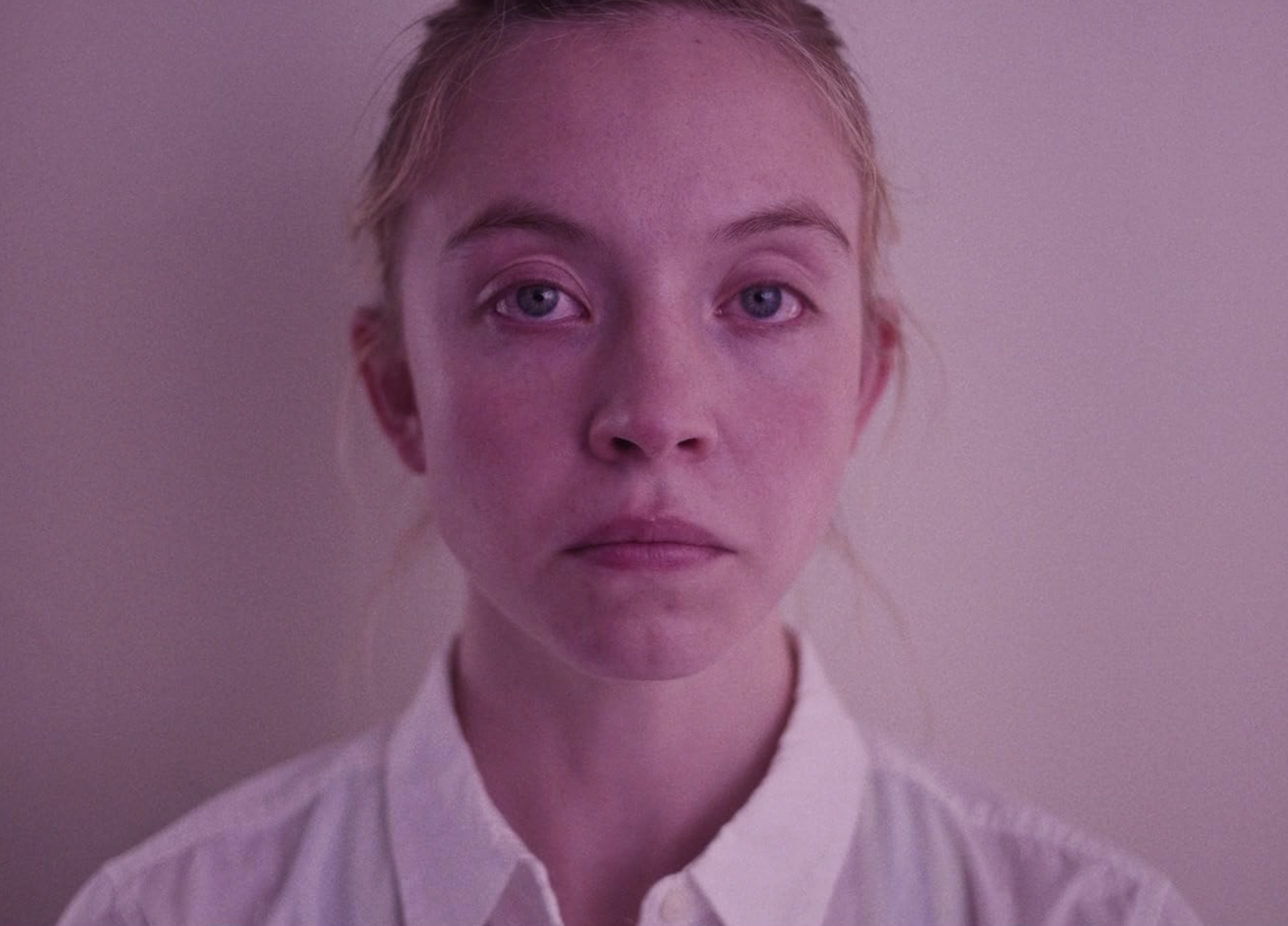
Sydney Sweeney portrays psychological distress through restraint, allowing anxiety to surface in silence and physical containment. The film’s real-time interrogation structure mirrors the escalating pressure placed on the body before emotional collapse becomes visible. Mental health is communicated through omission, revealing how institutional power fractures composure long before it is acknowledged.
Beau Is Afraid, 2023 (Anxiety Disorders)
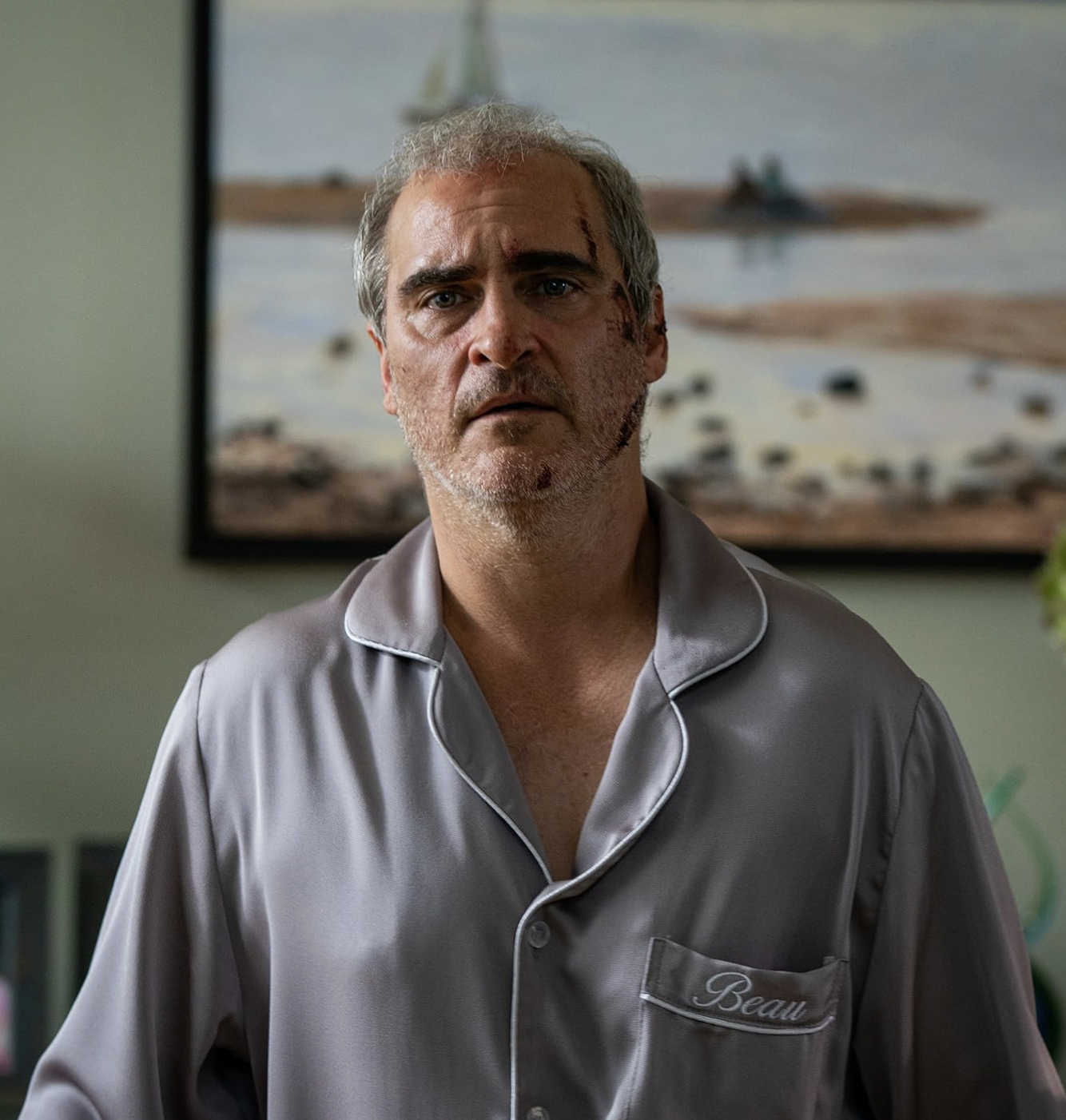
Joaquin Phoenix embodies anxiety as a totalizing force that transforms every environment into threat. The narrative refuses grounding, mirroring the experience of panic through absurd escalation. Mental illness becomes the lens through which reality itself feels hostile and unmanageable.
Smile, 2022 (Trauma, Depression)
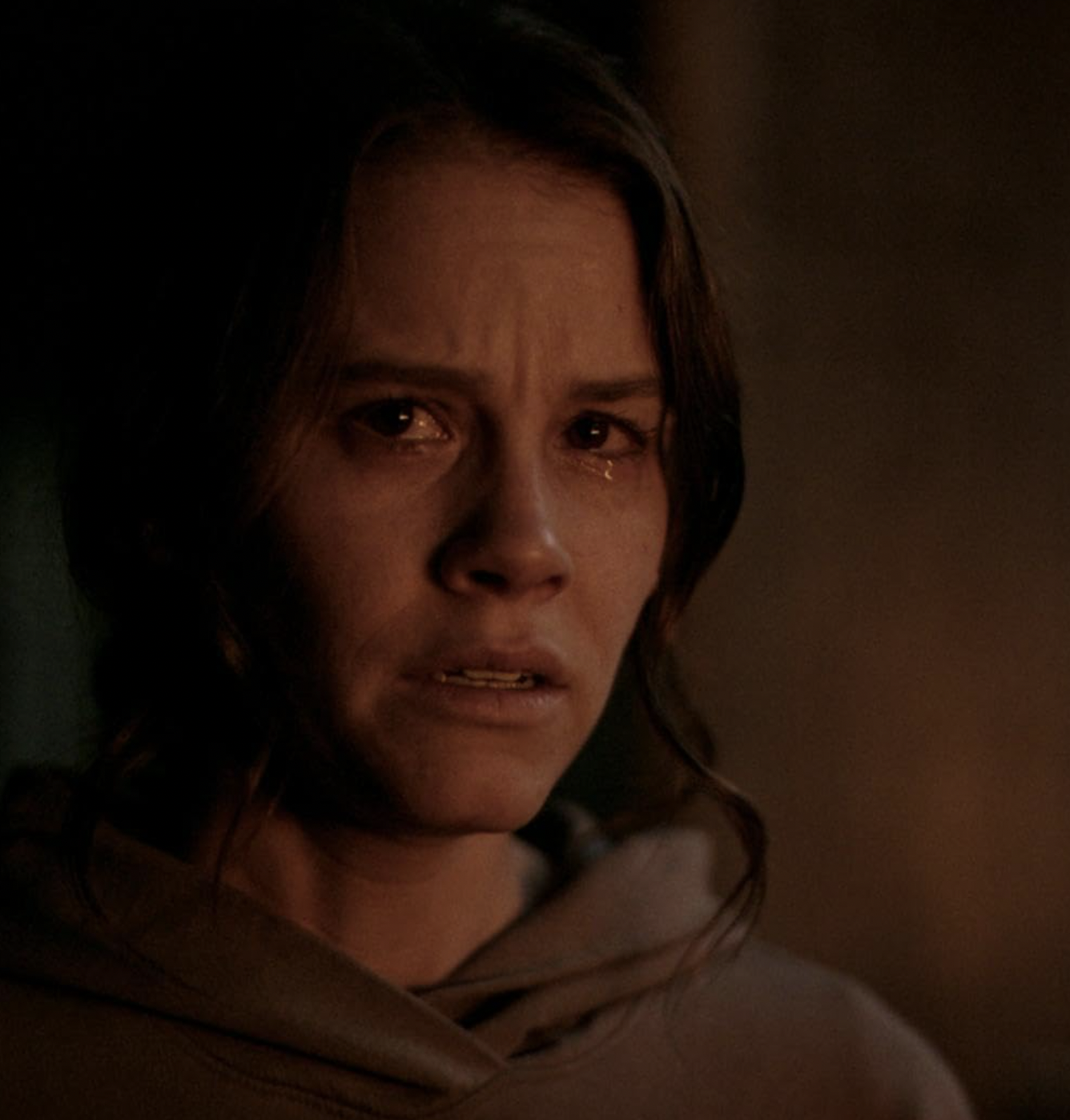
Led by Sosie Bacon, the film uses horror conventions to externalize unprocessed grief. Suffering becomes contagious, inheritable and impossible to outrun. Mental illness is framed as curse, privileging fear over care.
The Whale, 2022 (Grief, Depression, Disordered Eating)
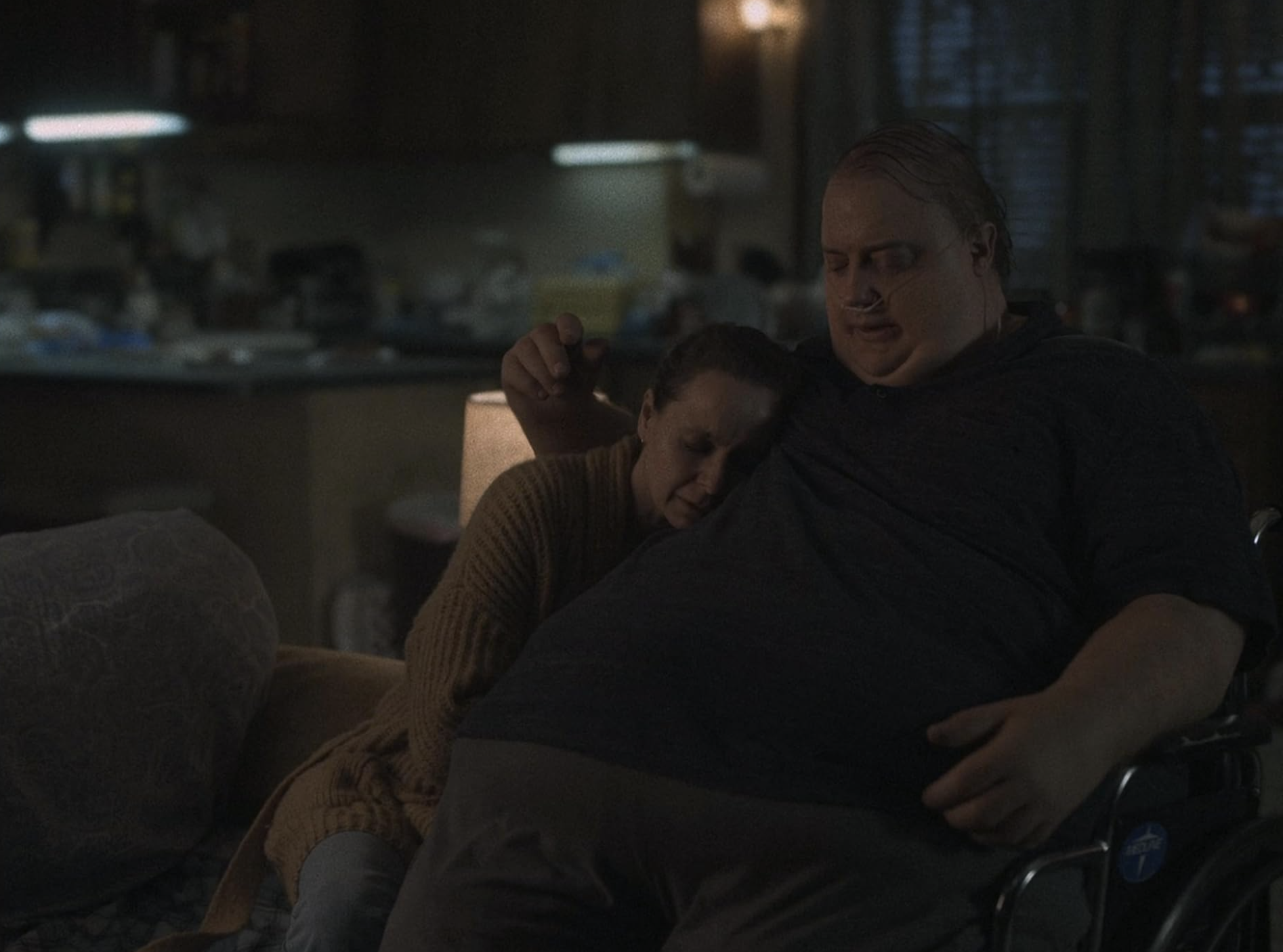
Brendan Fraser’s Oscar-winning performance centres a man retreating inward under the weight of unresolved grief. The film frames mental health through physical isolation and self-punishment, using confinement as emotional language. Its intimacy is deliberate, though its gaze has sparked debate about empathy versus exposure.
The King of Staten Island, 2020 (Depression, ADHD, Complicated Grief)

Pete Davidson’s semi-autobiographical performance examines depression through stagnation rather than despair. Grief remains unresolved following the death of a parent, shaping avoidance, impulsivity and emotional immobility. The film frames healing as incremental accountability rather than narrative-driven redemption.
Run, 2020 (Munchausen Syndrome by Proxy)

Sarah Paulson plays a mother whose devotion masks profound control. The film traps the viewer inside a relationship defined by manipulation and dependency. Mental illness is externalized as threat rather than internal struggle.
The Father, 2020 (Dementia)
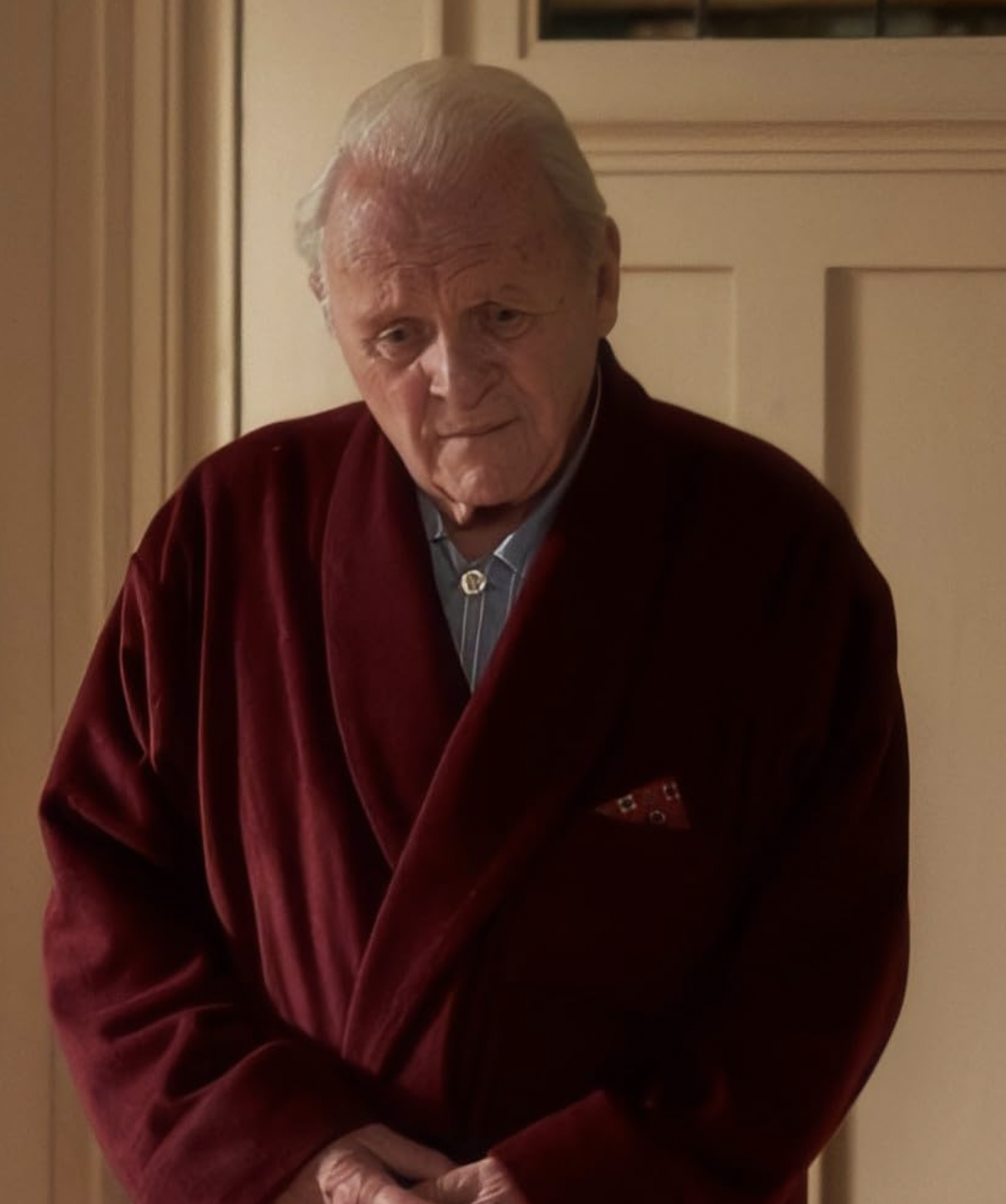
Anthony Hopkins delivers an Academy Award–winning performance that places the audience inside cognitive disintegration. Time, space and memory collapse without warning. Mental illness is portrayed as loss experienced moment by moment.
Welcome to Me, 2015 (Borderline Personality Disorder)
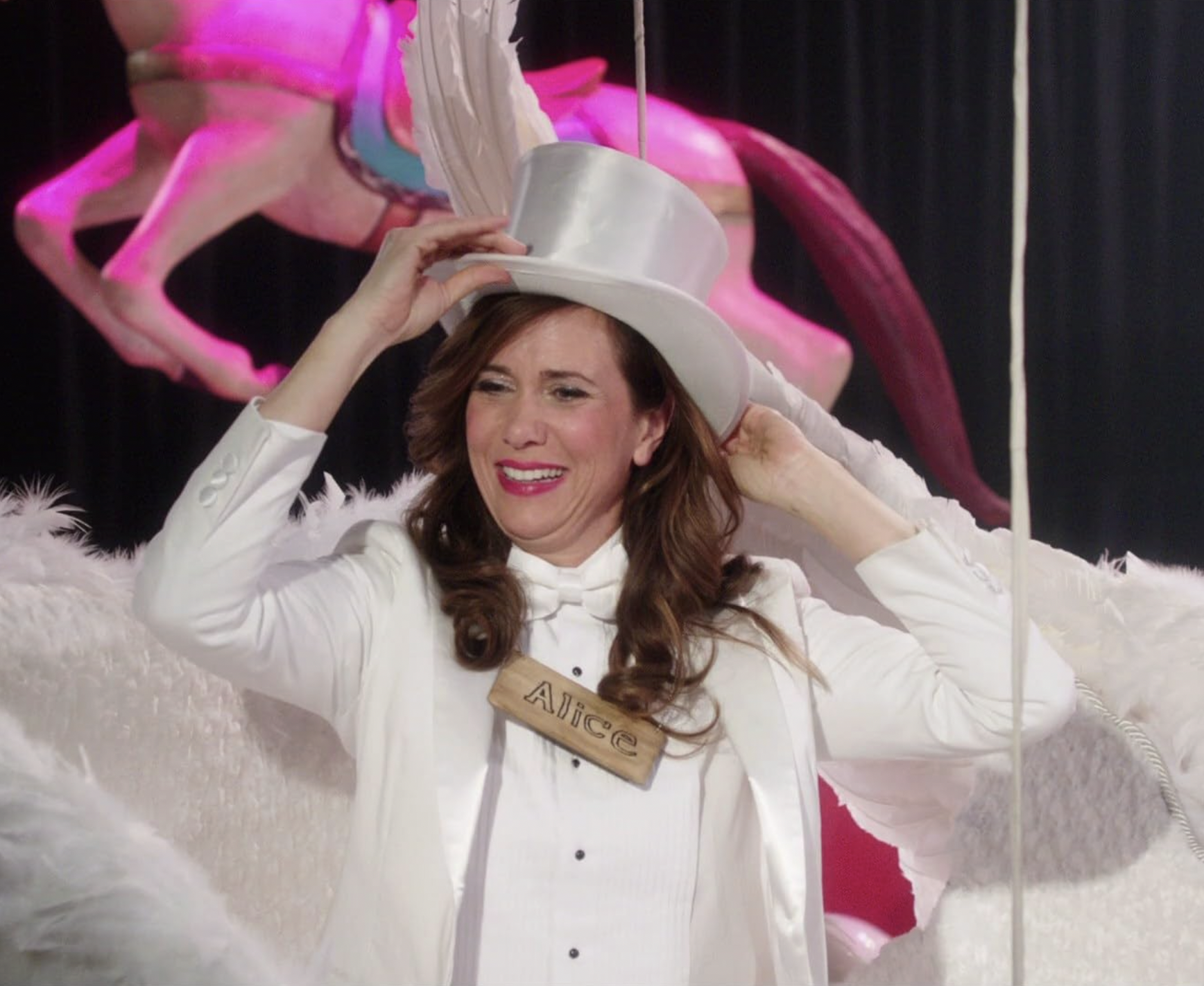
Kristen Wiig delivers a deliberately uncomfortable performance as Alice, a woman whose sudden wealth amplifies her untreated instability after she stops taking her medication. The film uses satire to expose how vulnerability becomes entertainment when filtered through media culture. Mental illness is framed as deeply human rather than monstrous, even as the narrative critiques public appetite for spectacle.
Silver Linings Playbook, 2012 (Bipolar Disorder, PTSD)
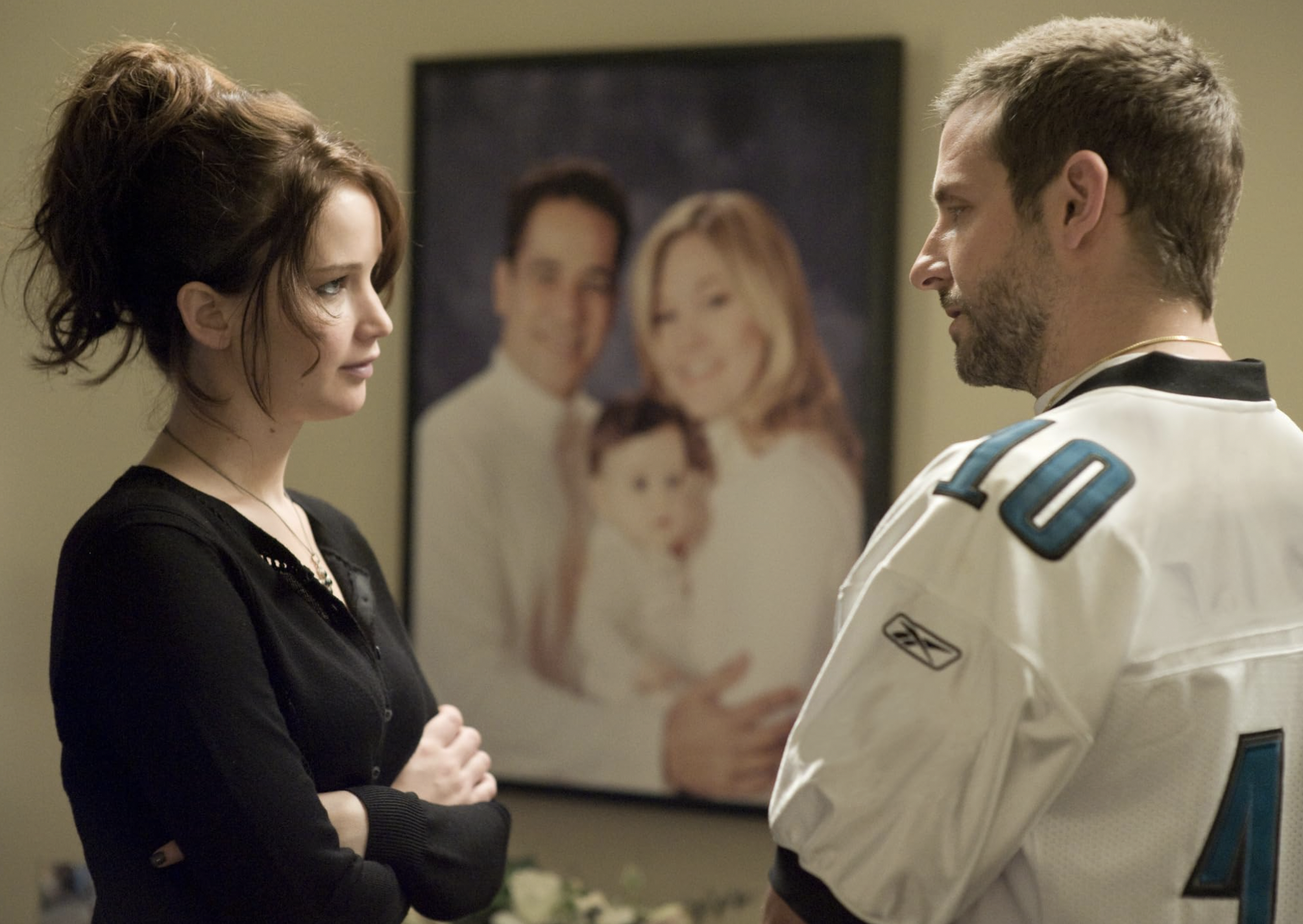
Bradley Cooper and Jennifer Lawrence anchor the film with volatile, charismatic performances that earned Lawrence an Academy Award for Best Actress. Mental health becomes both obstacle and connective tissue within romance. The portrayal softens disorder through warmth, sometimes at the expense of realism.
A Dangerous Method, 2011 (Psychoanalysis)
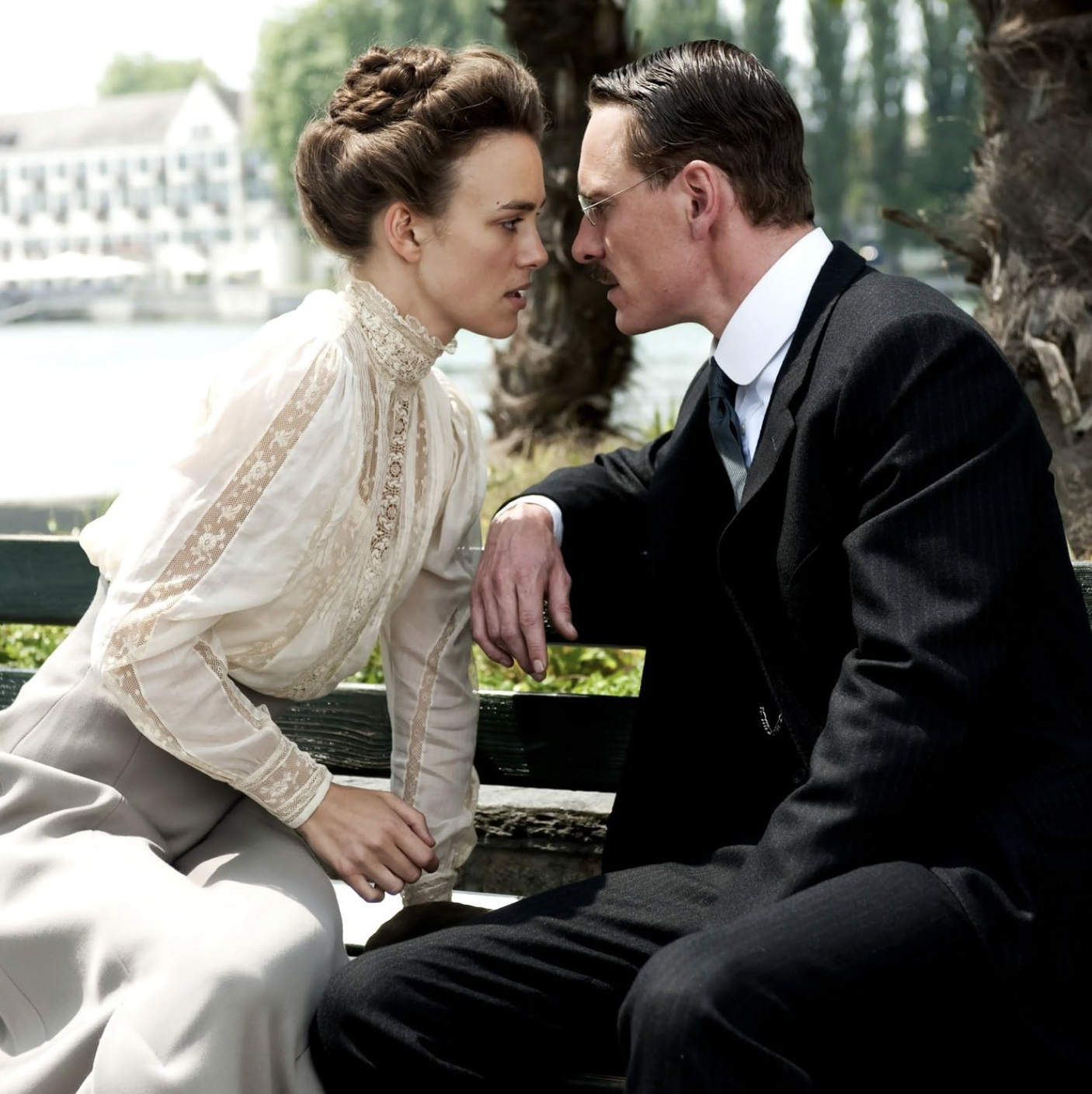
Keira Knightley, Viggo Mortensen and Michael Fassbender inhabit a world where treatment, desire and theory blur. Mental illness is filtered through intellectual ambition and erotic tension. Psychology becomes both discipline and power play.
Melancolia, 2011 (Major Depressive Disorder)
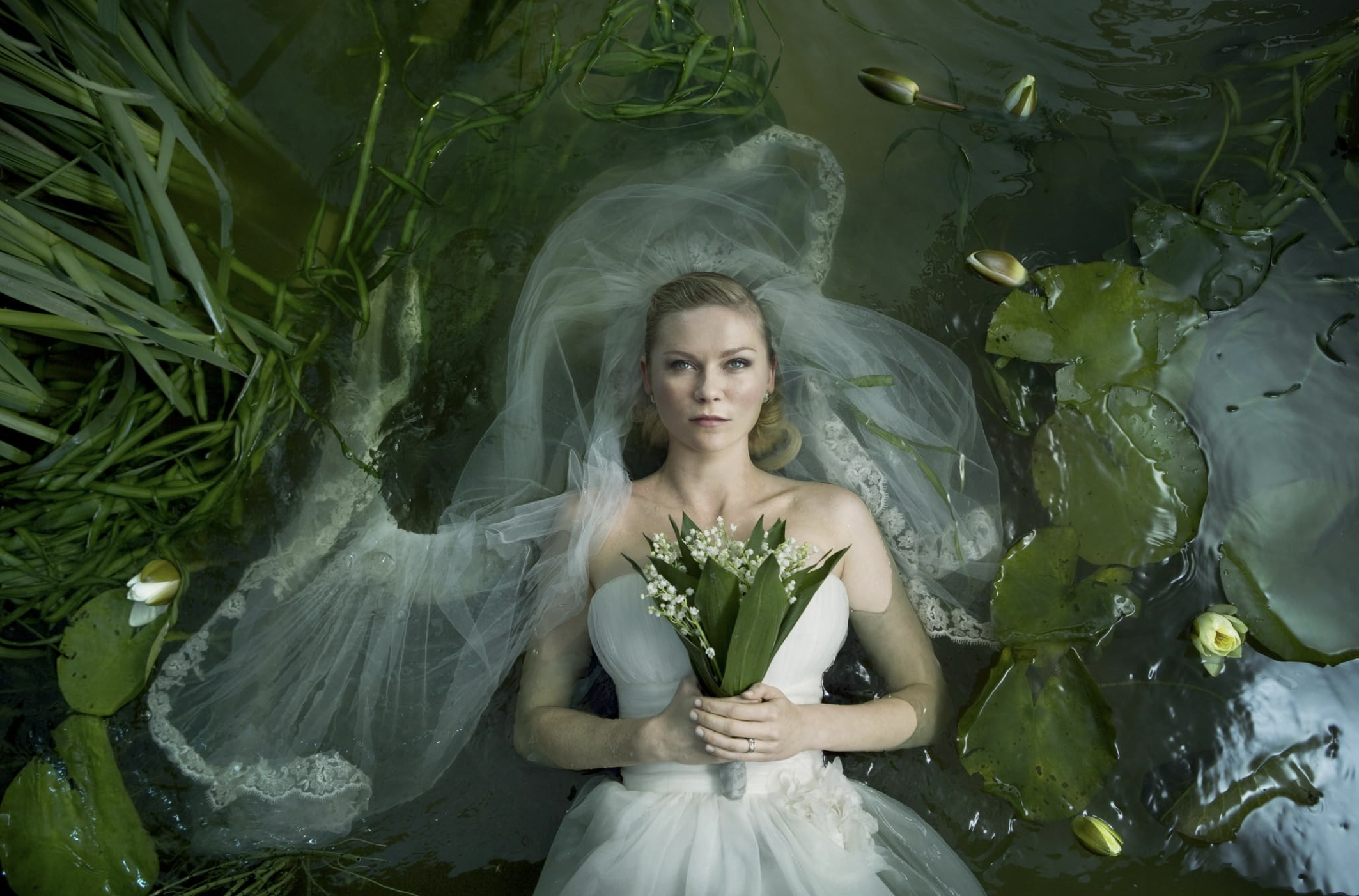
Kirsten Dunst’s Cannes-winning performance treats depression as certainty rather than sadness. The impending apocalypse mirrors her emotional calm instead of provoking fear. Mental illness is framed as alignment with inevitability.
Shutter Island, 2010 (Psychosis, Trauma)
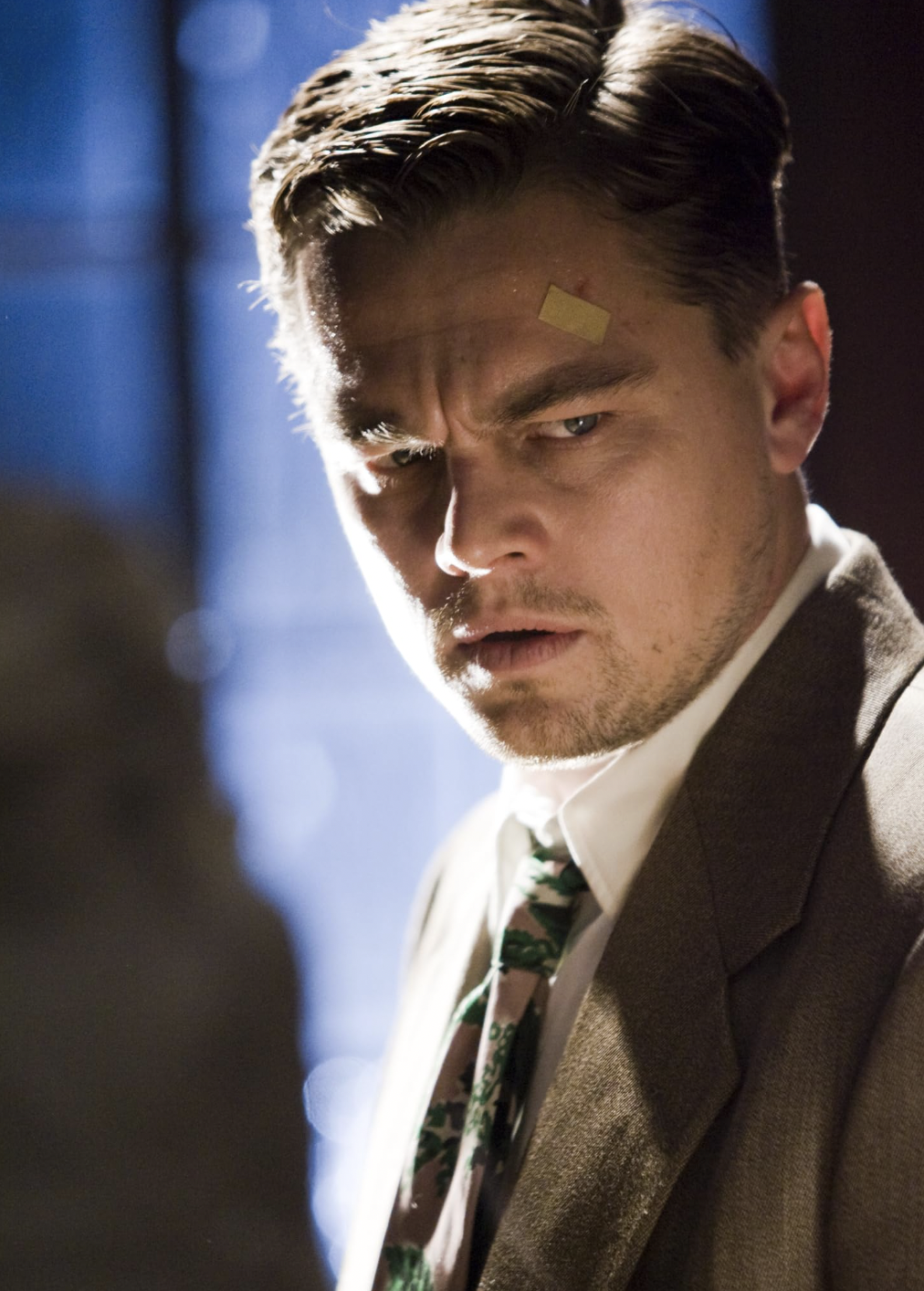
Leonardo DiCaprio anchors the film with escalating urgency as memory, guilt and delusion collapse into a single narrative perspective. Mental illness is structured as puzzle rather than condition, withholding truth until revelation becomes spectacle. The result is immersive, unsettling, and, ultimately, more concerned with surprise than sustained understanding.
Crazy Beautiful, 2001 (Bipolar Disorder)

Kirsten Dunst portrays bipolar disorder through emotional volatility that is initially coded as intoxicating. The film gradually exposes the instability beneath the romance, confronting the cost of untreated illness on intimacy and safety. Dunst’s performance grounds excess with fragility, complicating the film’s flirtation with glamorization.
Divine Secrets of the Ya-Ya Sisterhood, 2002 (Intergenerational Trauma, Depression)
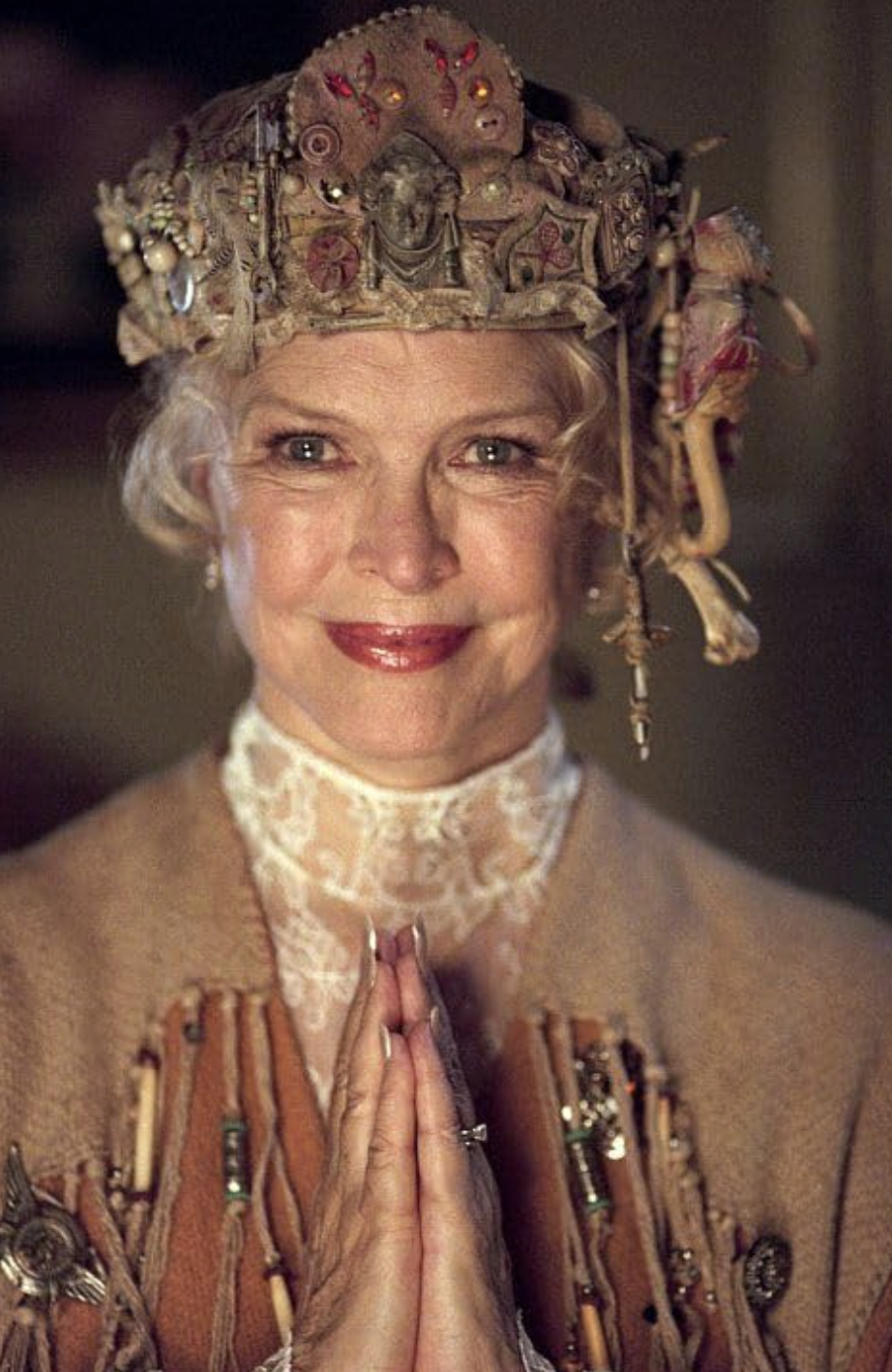
Mental illness is explored through memory rather than diagnosis, tracing depression as an inherited emotional language. Ellen Burstyn and Ashley Judd anchor the portrayal of maternal volatility shaped by repression and expectation. Healing arrives through narrative reconciliation rather than clinical intervention.
A Beautiful Mind, 2001 (Schizophrenia)
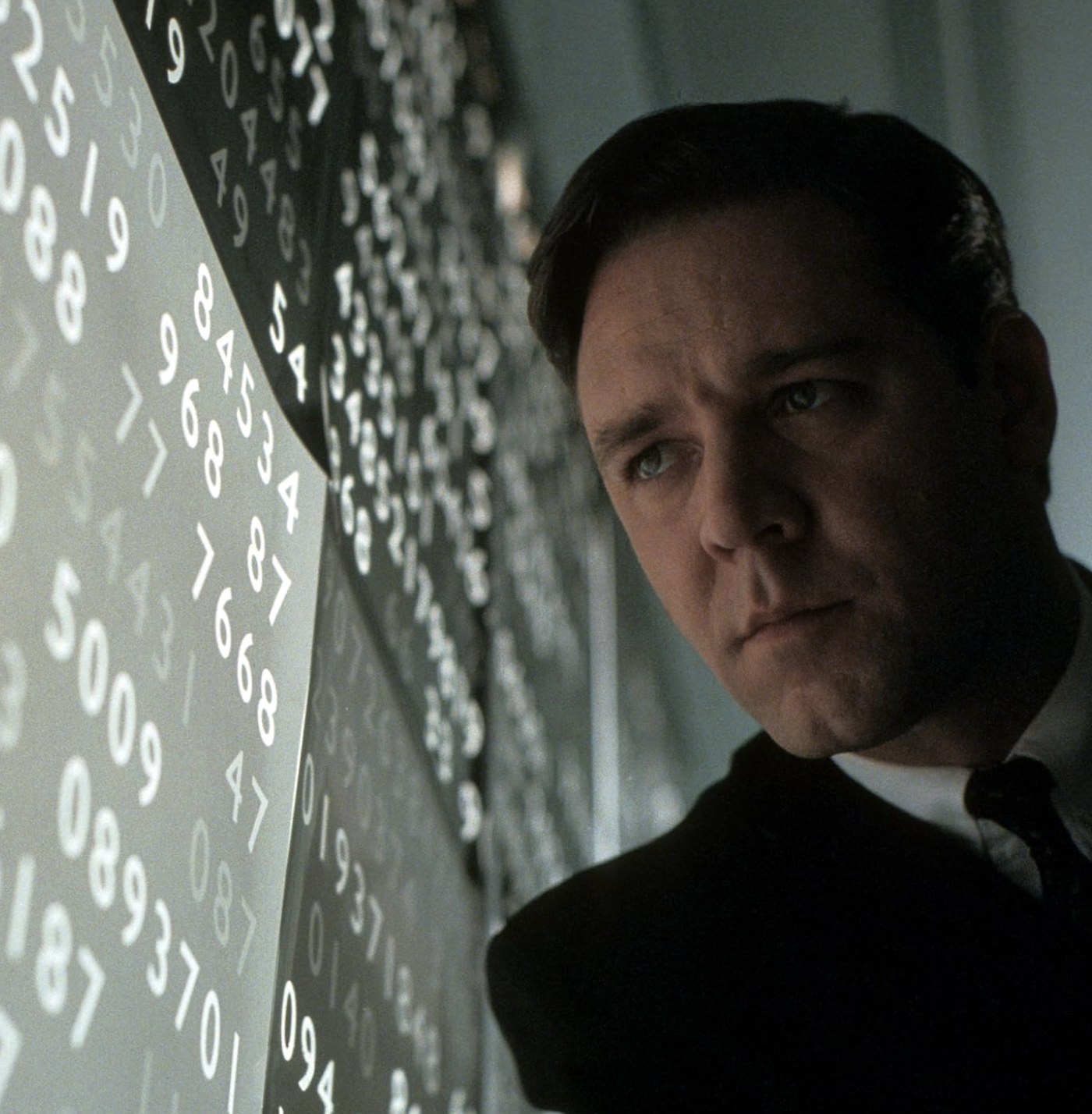
Russell Crowe stars in a film that pairs brilliance with delusion, earning multiple Academy Awards including Best Picture. Hallucinations are softened through narrative reveal, turning illness into dramatic device. The story ultimately privileges triumph over ongoing accommodation.
Girl, Interrupted, 1999 (Borderline Personality Disorder)

Winona Ryder leads a cast that includes Angelina Jolie, whose performance won an Academy Award for Best Supporting Actress. Set within a psychiatric institution, the film explores how diagnosis intersects with gender, rebellion and authority. Mental illness becomes both identity and resistance.
The Other Sister, 1999 (Developmental Disability)
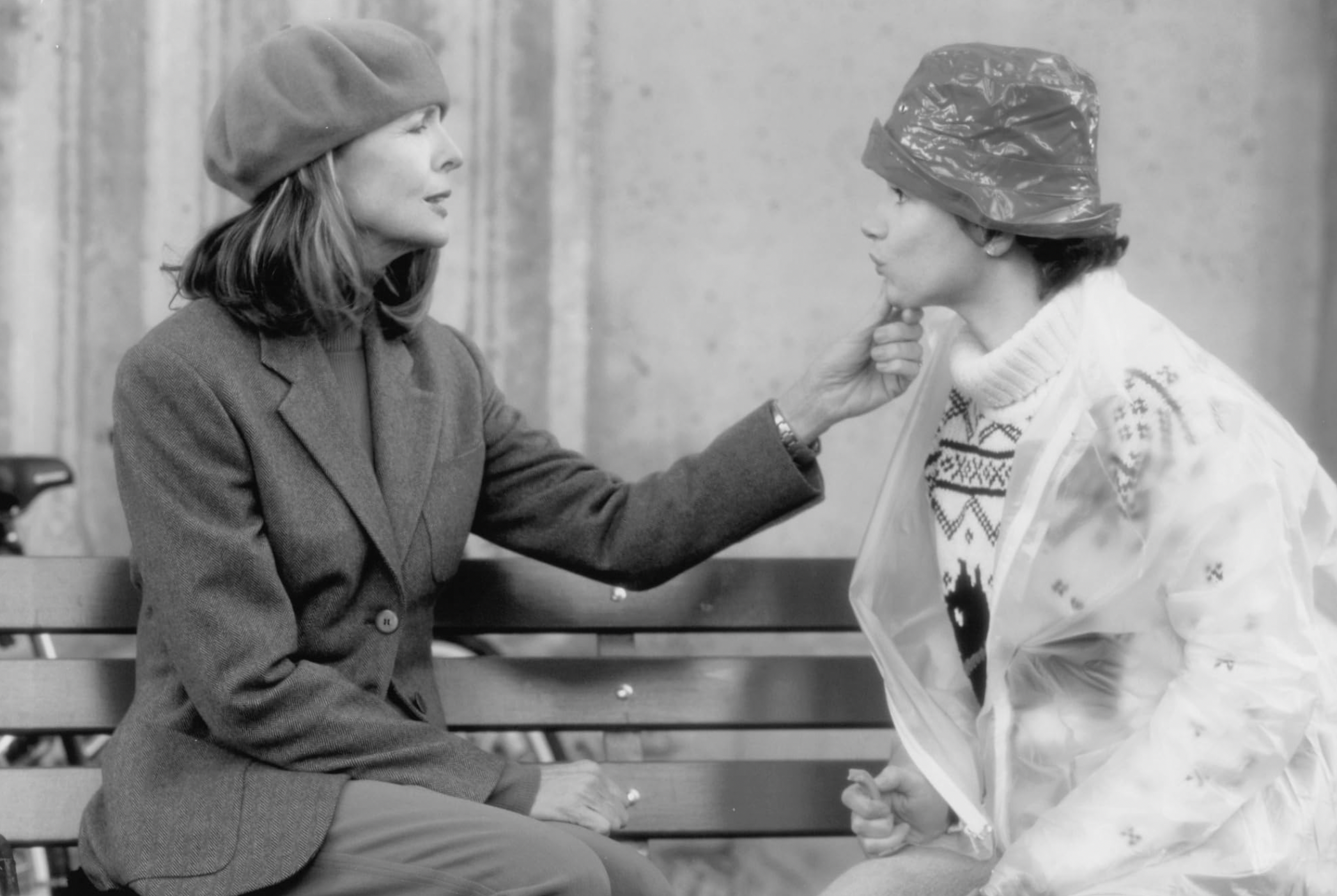
Juliette Lewis and Giovanni Ribisi portray two adults navigating independence and intimacy. The film aims for sincerity but often slips into sentimentality. Disability is treated gently but without much nuance.
The Birdcage, 1996 (Identity Confusion, Anxiety)
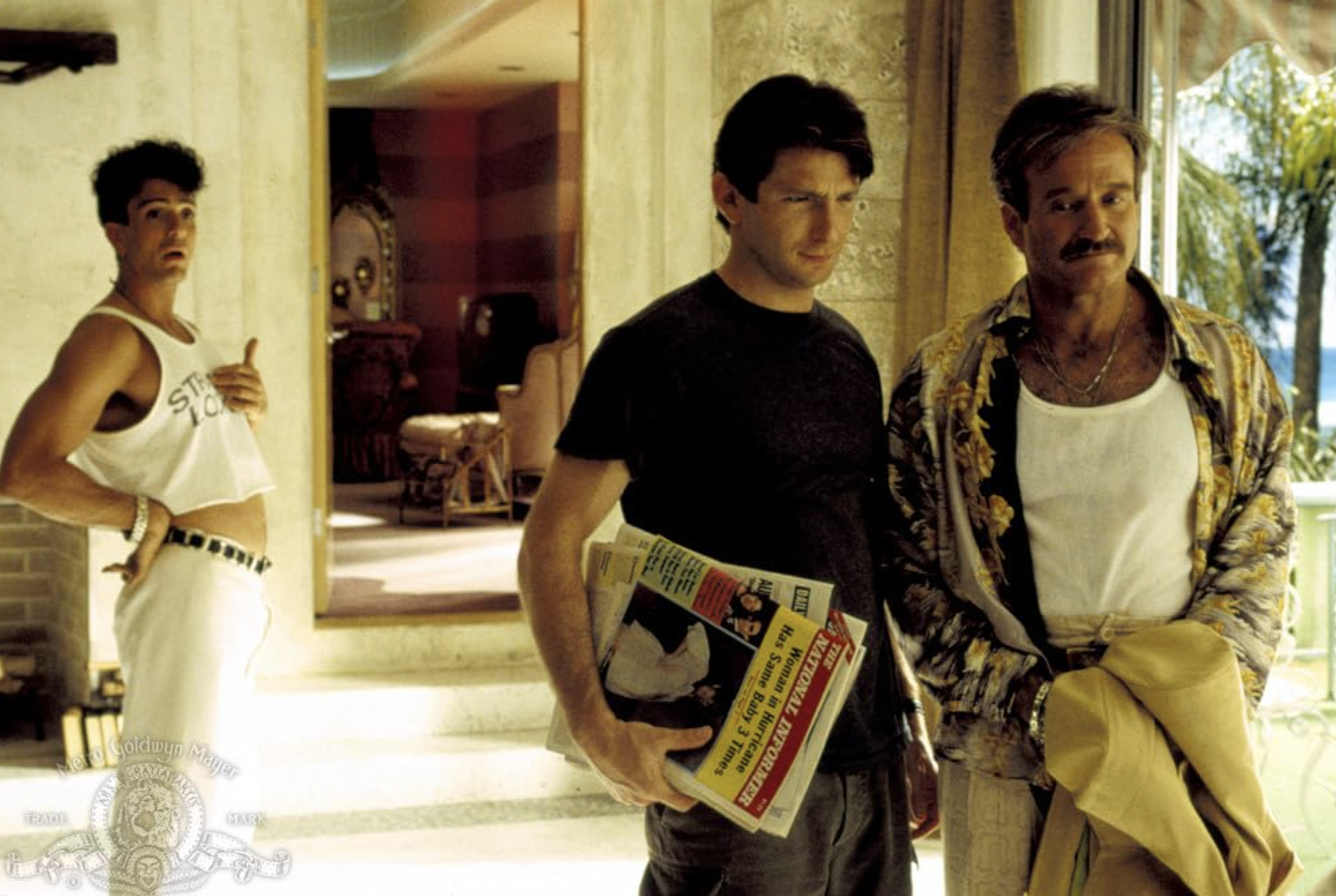
Robin Williams captures psychological strain rooted in constant self-monitoring and emotional accommodation. Anxiety emerges through performance rather than pathology, shaped by the demand to remain palatable. Comedy softens the portrayal without erasing the labor of concealment.
What’s Eating Gilbert Grape, 1993 (Caregiver Burnout, Intellectual Disability)
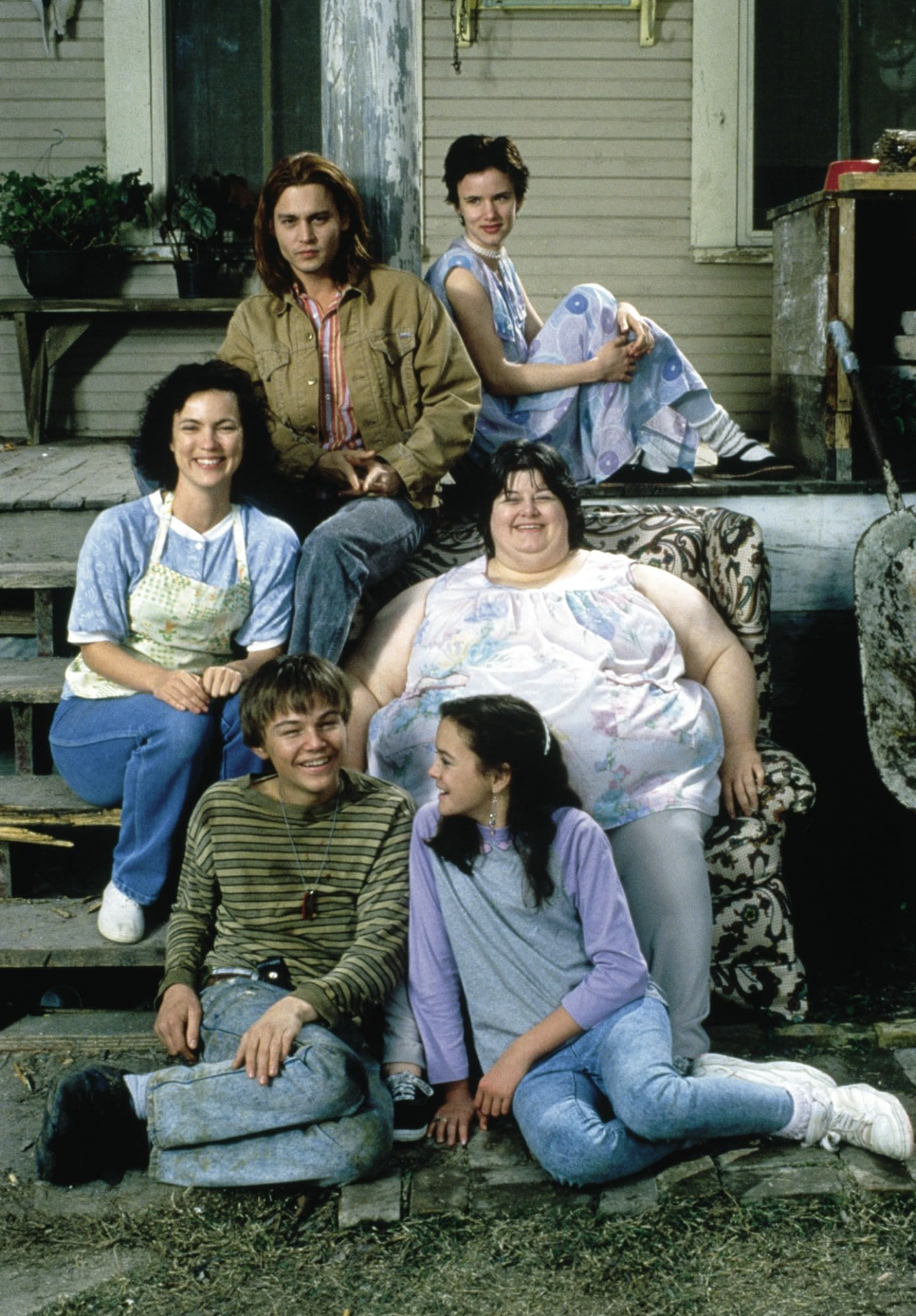
Johnny Depp plays emotional stagnation opposite Leonardo DiCaprio’s Oscar-nominated performance as a young man requiring full-time care. Mental health appears in the margins, embedded in obligation and exhaustion. The film quietly captures how responsibility can erode possibility.
What About Bob?, 1991 (Anxiety)
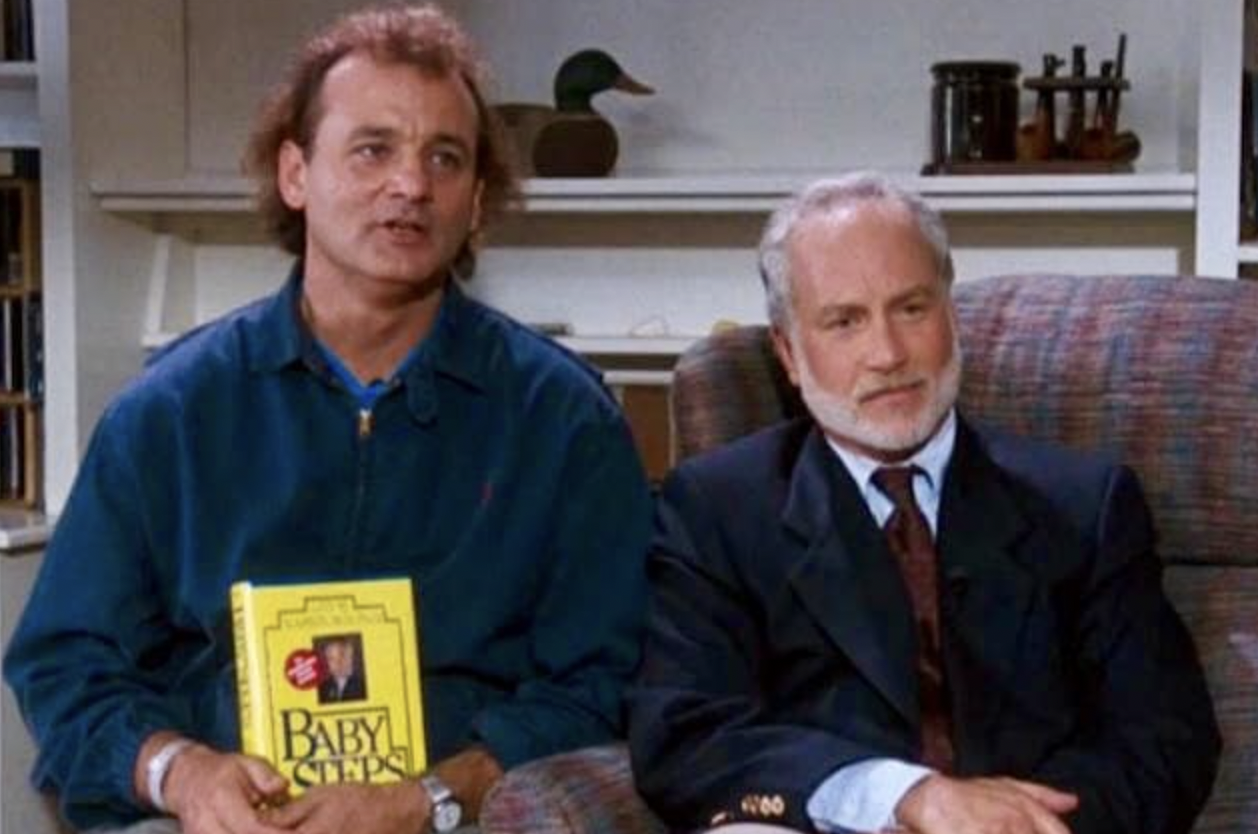
Bill Murray’s performance turns anxiety into comedic disruption offering relatable POV on a man afflicted with agoraphobia, hypochondria, co-dependancy and … well … pretty much everything lol. The humour offers an emotional reprieve that leaves you rooting for the Bob in all of us.
One Flew Over the Cuckoo’s Nest, 1975 (Institutional Psychiatry)
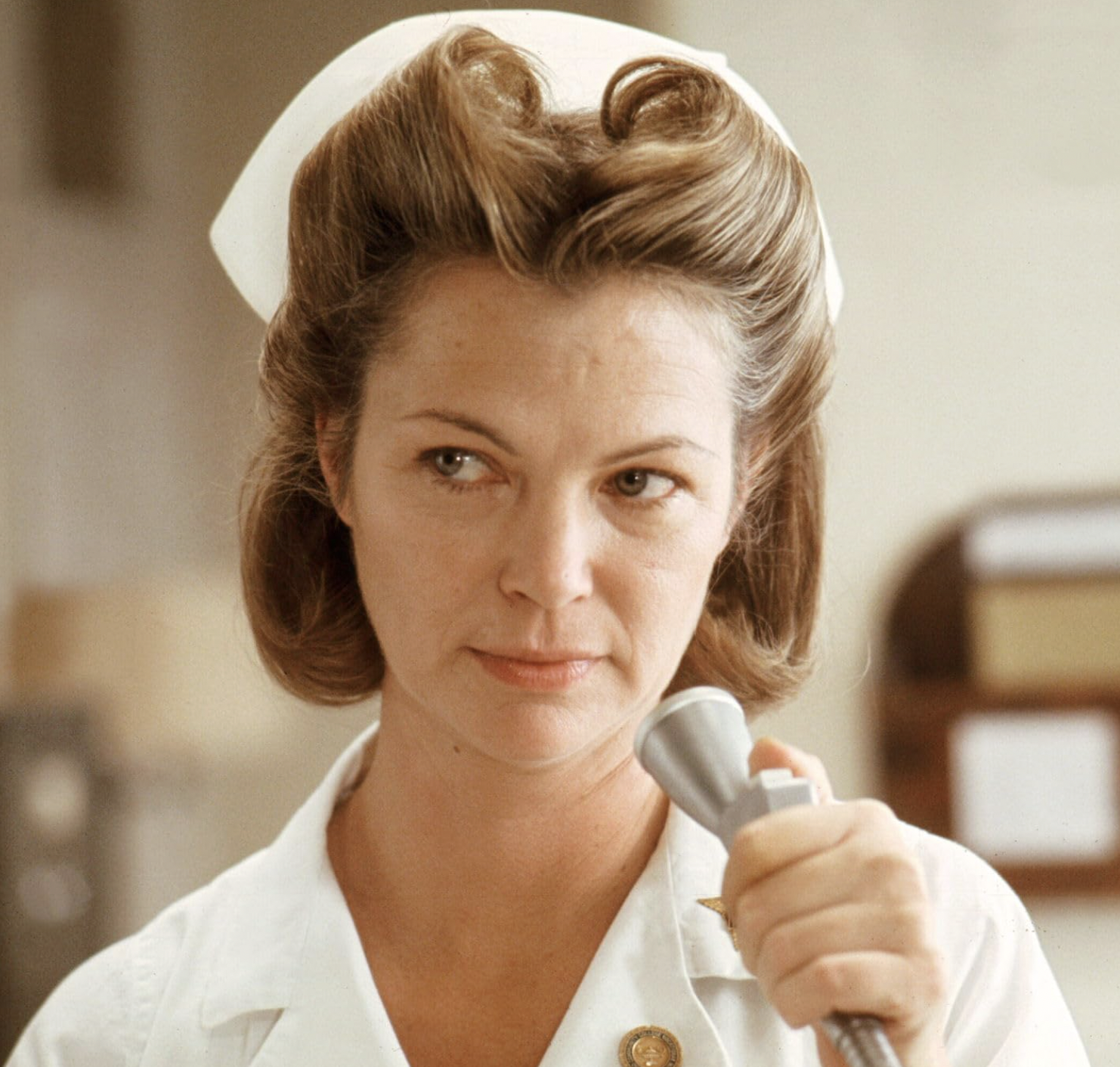
Jack Nicholson’s Academy Award–winning performance crystallized a cultural mistrust of psychiatric authority. The film positions mental illness as something shaped by systems of control rather than individual pathology. Treatment becomes synonymous with power, compliance and punishment.
Secret Ceremony, 1968 (Delusion, Complex Grief)
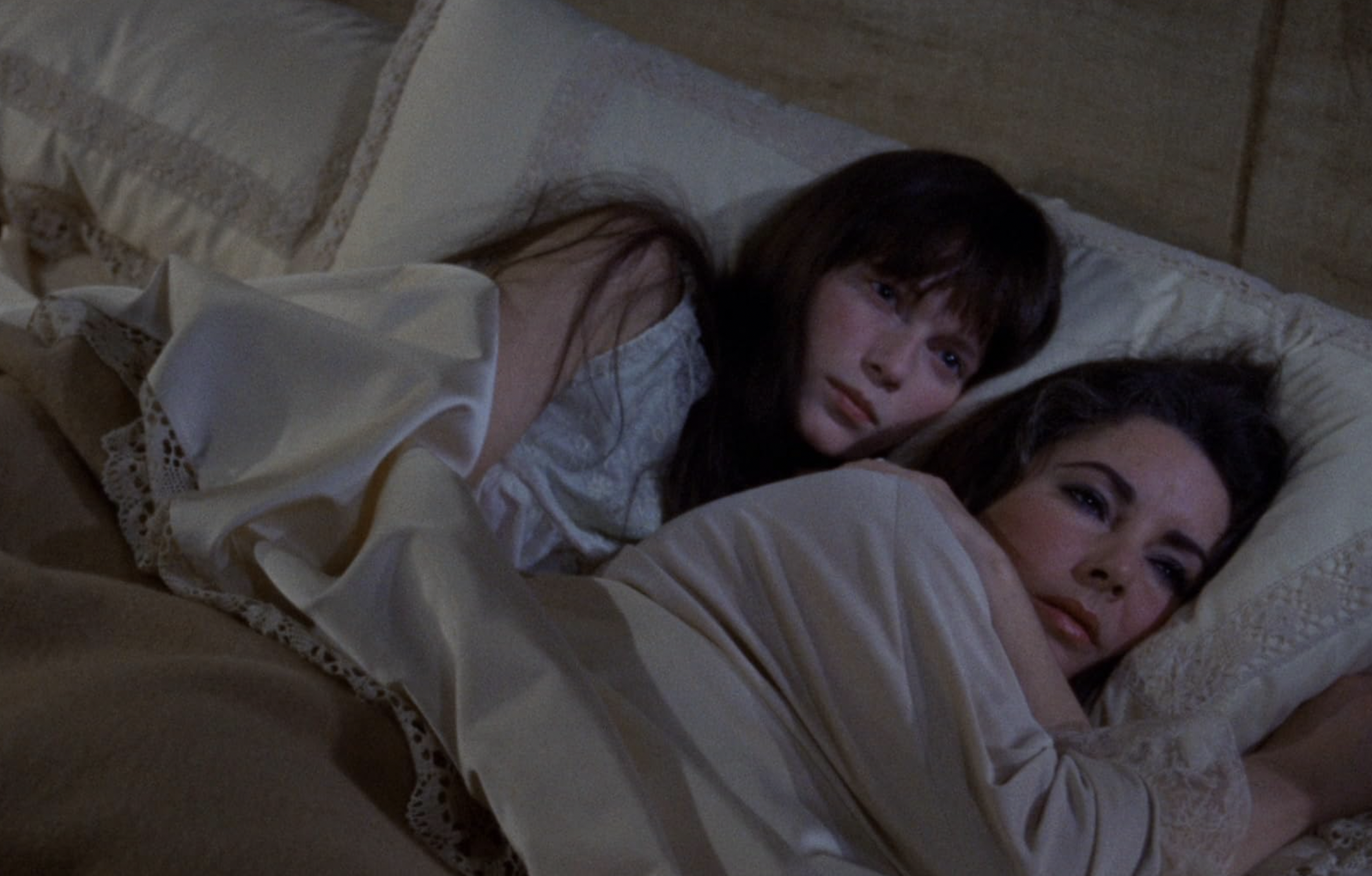
Elizabeth Taylor and Mia Farrow inhabit a shared psychological fracture shaped by unresolved loss. Grief manifests as mutual delusion, blurring reality through emotional dependency. The film resists diagnostic clarity, positioning instability within relational collapse rather than individual failure.
Butterfield 8, 1960 (Depression, Self-Destructive Behaviour)

Elizabeth Taylor’s Academy Award–winning performance renders depression through emotional detachment and compulsive self-destructive behaviour. Mental illness is implied rather than named, reflecting mid-century frameworks that conflated female autonomy with pathology. Self-destruction functions as both coping mechanism and social punishment.
Mental health on screen reflects the values of its time. Some stories offer language, care and recognition while others reveal how easily suffering becomes spectacle.
Explore more cultural analysis, film watchlists and emotional storytelling at thelaceledger.com, and follow along for gothic culture that looks beneath the surface.