20 films that left the festival circuit destined for cult status
By: The Lace Ledger Staff

Photo Credit: IMDb
There’s a special kind of thrill in seeing a band in a tiny venue before the rest of the world catches on. Film festivals offer cinephiles their own version of that feeling. Every year, audiences take their seats without knowing that the film about to begin could become a future classic—or that the actor on screen might be giving the performance everyone will soon be talking about. Looking back through festival history makes those first screenings even more fascinating.
These 20 films arrived on the circuit before finding a much larger audience and earning their place in the dark cinema canon.
Frankenstein (2025) — Venice International Film Festival
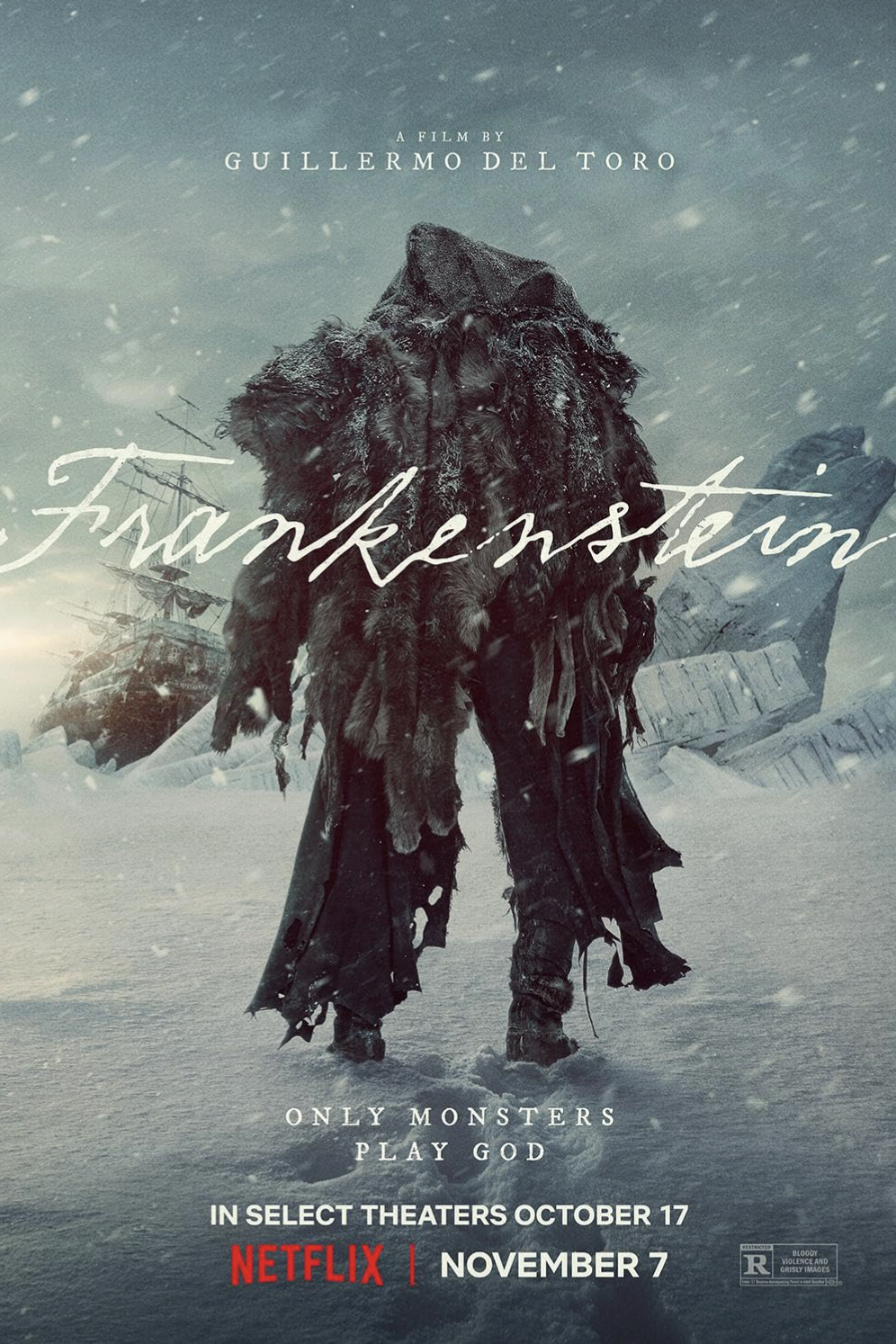
Guillermo del Toro resurrects Mary Shelley’s Gothic masterpiece with Oscar Isaac, Jacob Elordi and Mia Goth, following Victor Frankenstein and the Creature born from his monstrous ambition. It premiered in competition for the Golden Lion, with Kate Hawley behind its elaborate costume design.
The Substance (2024) — Cannes Film Festival
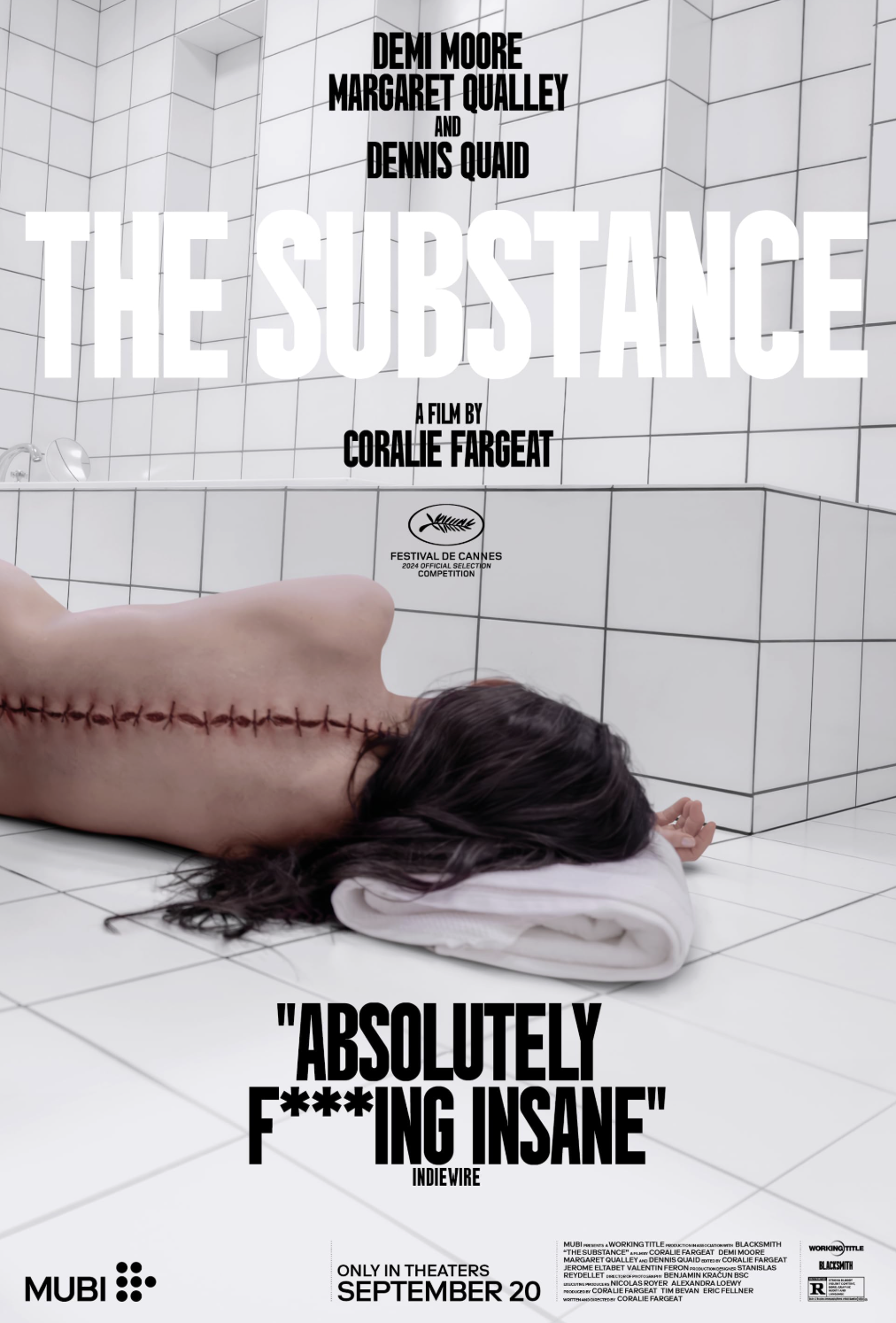
Demi Moore and Margaret Qualley become two halves of one increasingly gruesome experiment in youth, beauty and female disposability in Coralie Fargeat’s body-horror satire. Fargeat won Best Screenplay at Cannes, where the film competed for the Palme d’Or.
Heretic (2024) — Toronto International Film Festival
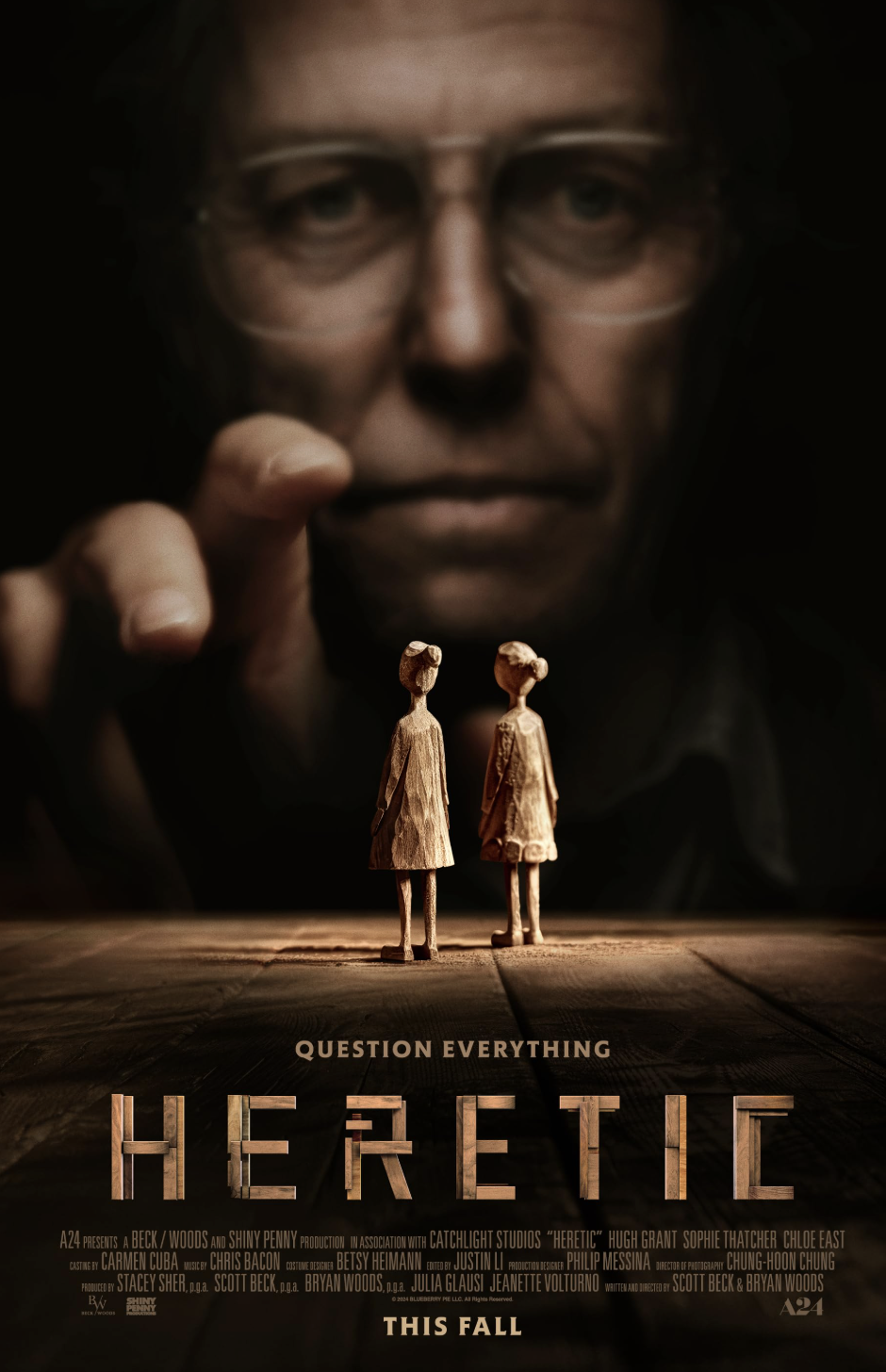
Sophie Thatcher and Chloe East play young Mormon missionaries invited into the home of a seemingly charming Hugh Grant, where a theological debate becomes a deadly test of faith. Written and directed by A Quiet Place writers Scott Beck and Bryan Woods, it had its world premiere at TIFF.
Poor Things (2023) — Venice International Film Festival

Emma Stone stars as Bella Baxter, a woman brought back to life who embarks on a gloriously strange voyage of sexual and intellectual liberation in Yorgos Lanthimos’s fantastical adaptation. It won Venice’s highest honour, the Golden Lion, before going on to win four Academy Awards.
The Menu (2022) — Toronto International Film Festival

Anya Taylor-Joy, Ralph Fiennes and Nicholas Hoult sit down for an exclusive tasting menu on a remote island where celebrity chef Julian Slowik has prepared considerably more than dinner. Mark Mylod’s razor-edged marriage of haute cuisine and horror had its world premiere at TIFF.
Sanctuary (2022) — Toronto International Film Festival

Margaret Qualley plays a dominatrix whose final session with her wealthy longtime client, played by Christopher Abbott, becomes an escalating psychological battle for control. Zachary Wigon’s two-hander had its world premiere at TIFF.
Bones and All (2022) — Venice International Film Festival

Taylor Russell and Timothée Chalamet play young cannibalistic outsiders who fall in love while drifting across Reagan-era America in Luca Guadagnino’s macabre romance, scored by Trent Reznor and Atticus Ross. Guadagnino won the Silver Lion for Best Director, while Russell received the Marcello Mastroianni Award for an emerging performer.
Portrait of a Lady on Fire (2019) — Cannes Film Festival
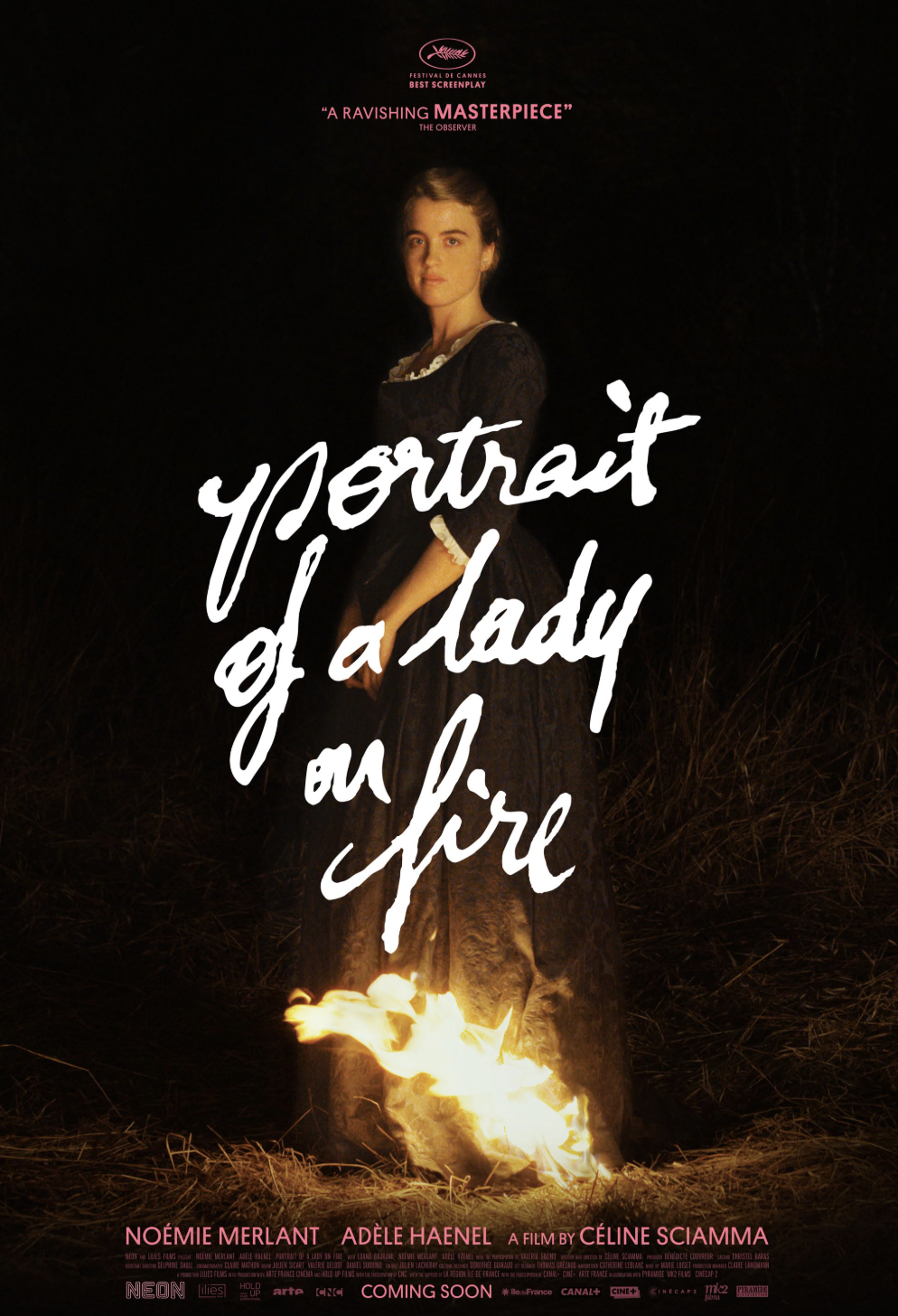
Noémie Merlant and Adèle Haenel play an artist and her reluctant subject whose clandestine portrait becomes an equally clandestine love affair in Céline Sciamma’s meditation on art, memory and desire. Sciamma won Best Screenplay, while the film also received the Queer Palm at Cannes.
The Shape of Water (2017) — Venice International Film Festival
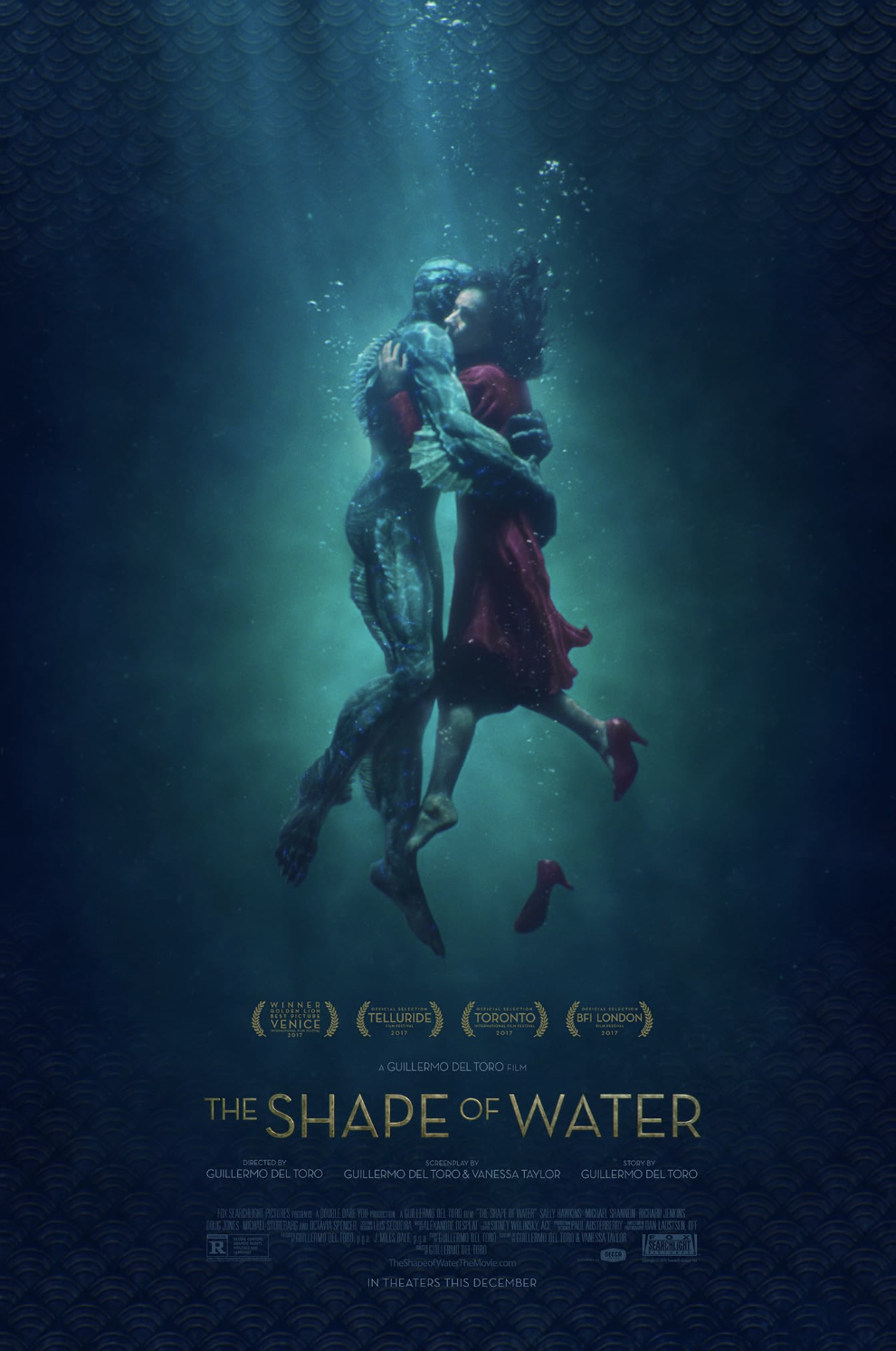
Sally Hawkins plays a mute cleaner who forms an intimate bond with an amphibious captive inside a secret government laboratory in Guillermo del Toro’s dark Cold War fairy tale. It won the Golden Lion, beginning an awards run that ultimately culminated in the Oscar for Best Picture.
The Neon Demon (2016) — Cannes Film Festival

Elle Fanning enters the predatory world of Los Angeles modelling in Nicolas Winding Refn’s neon-drenched horror story about the value—and consumption—of female beauty. Featuring Jena Malone, Abbey Lee and Bella Heathcote, it premiered in competition for the Palme d’Or.
The Witch (2015) — Sundance Film Festival

Anya Taylor-Joy made her feature-film debut as Thomasin, a Puritan teenager whose exiled family begins to unravel beside a distinctly unfriendly New England forest. Robert Eggers won Sundance’s Directing Award: U.S. Dramatic, launching both filmmaker and film into modern horror canon.
Only Lovers Left Alive (2013) — Cannes Film Festival

Tilda Swinton and Tom Hiddleston are Eve and Adam, centuries-old vampire lovers reunited in Jim Jarmusch’s languid, music-soaked meditation on immortality. With Mia Wasikowska, Anton Yelchin and John Hurt orbiting their nocturnal existence, it competed for the Palme d’Or.
Byzantium (2012) — Toronto International Film Festival

Gemma Arterton and Saoirse Ronan play mother-and-daughter vampires hiding two centuries of bloodshed and secrets in Neil Jordan’s return to the vampire genre.
Melancholia (2011) — Cannes Film Festival

Kirsten Dunst plays a bride sinking into depression just as a rogue planet appears destined to collide with Earth in Lars von Trier’s spectacularly beautiful apocalypse. Dunst won Best Actress at Cannes, where the film competed for the Palme d’Or.
Black Swan (2010) — Venice International Film Festival
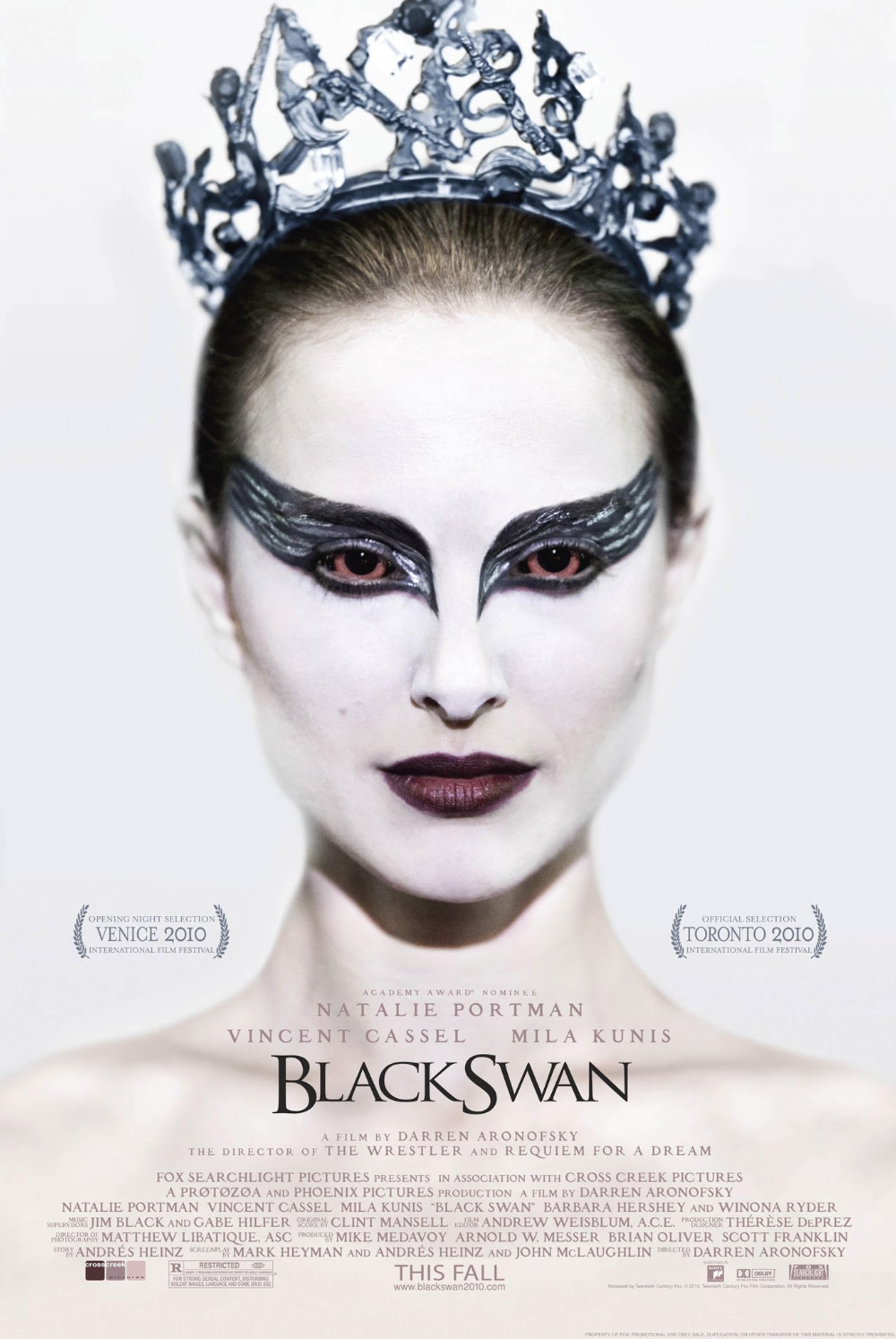
Natalie Portman plays a ballerina whose pursuit of perfection while preparing for Swan Lake fractures the boundary between ambition and psychosis in Darren Aronofsky’s psychological horror. The film opened Venice in competition for the Golden Lion; Mila Kunis received the festival’s Marcello Mastroianni Award for emerging talent.
Thirst (2009) — Cannes Film Festival

Song Kang-ho and Kim Ok-vin star in Park Chan-wook’s delirious tale of a Catholic priest accidentally transformed into a vampire whose newfound appetites rapidly overwhelm his vows. It competed for the Palme d’Or and shared Cannes’ Jury Prize.
Marie Antoinette (2006) — Cannes Film Festival

Kirsten Dunst becomes Sofia Coppola’s young queen, navigating Versailles as an opulent gilded cage set to New Order. With Oscar-winning costumes by Milena Canonero, the film premiered in competition for the Palme d’Or.
Pan’s Labyrinth (2006) — Cannes Film Festival
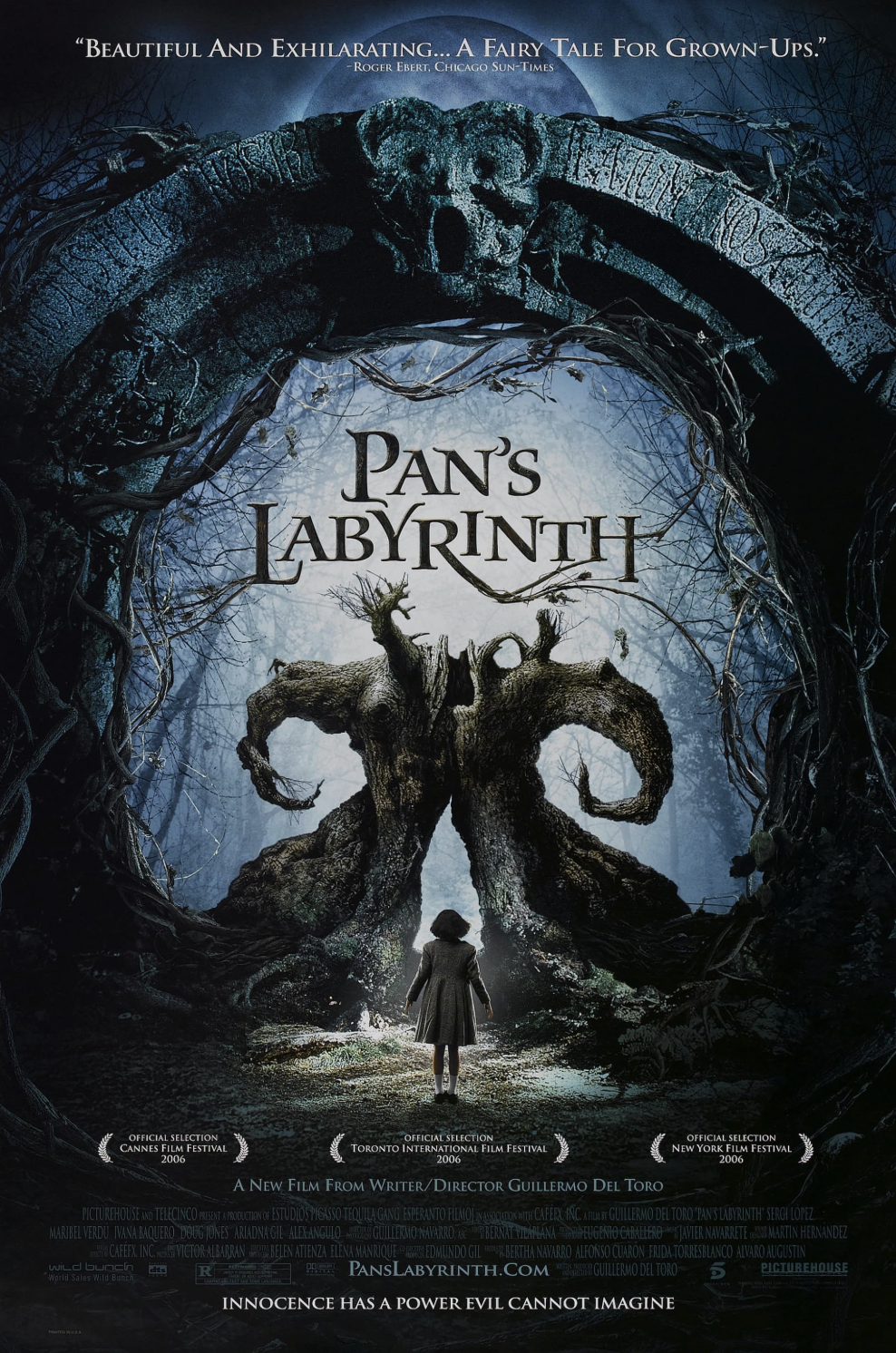
A young girl escapes the brutality of Francoist Spain into an equally dangerous fairy-tale realm in Guillermo del Toro’s dark fantasy starring Ivana Baquero, Sergi López and Maribel Verdú. It competed for the Palme d’Or at Cannes before winning three Academy Awards for cinematography, art direction and makeup.
Secretary (2002) — Sundance Film Festival
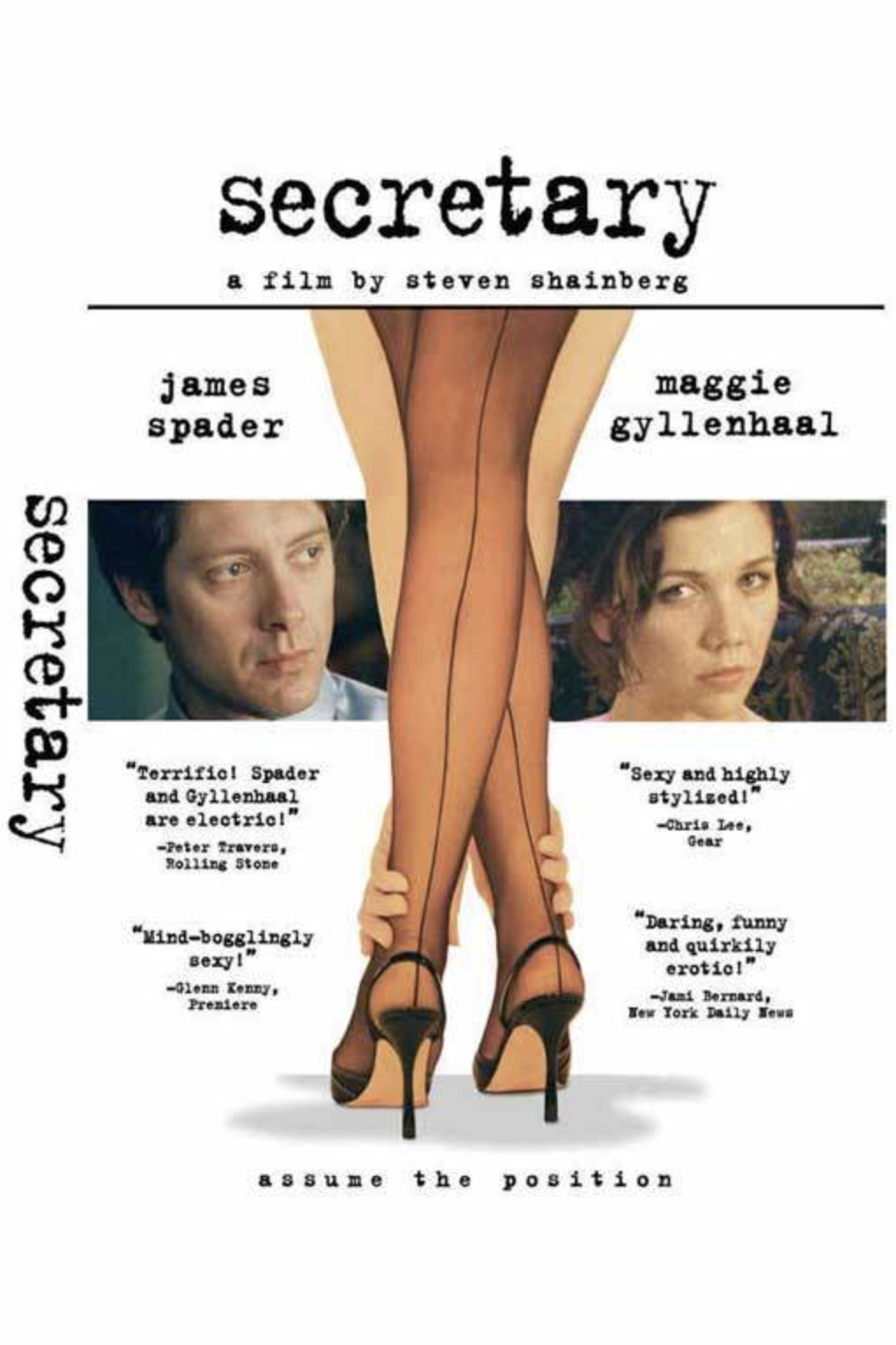
Maggie Gyllenhaal and James Spader star in Steven Shainberg’s unconventional romance between a young secretary and the exacting lawyer whose employer-employee dynamic develops into BDSM. It premiered at Sundance, where Shainberg received the Special Jury Prize for Originality.
American Psycho (2000) — Sundance Film Festival

Christian Bale delivers his career-making turn as Patrick Bateman, the designer-clad Wall Street banker whose immaculate routine conceals increasingly grotesque violence. Directed and co-written by Mary Harron, with a screenplay co-written by Guinevere Turner from Bret Easton Ellis’s novel, the cult satire made its world premiere at Sundance.
The most interesting thing about revisiting these films years later is discovering which edges are still sharp. Ideas once dismissed as provocative can look forward thinking when culture finally catches up.
Other stories simply become richer with age, inviting reinterpretation each time a new generation discovers them. Cult cinema survives because there is always another conversation waiting inside it—and these films have given us plenty to talk about.
Which will you screen again at home?
Tell us in the comments and subscribe to receive our free monthly digital issue to your inbox including a first look at dark feminine style and culture, the chance to vote on next month’s stories and a preview of upcoming giveaways.